Garnaalkroketten
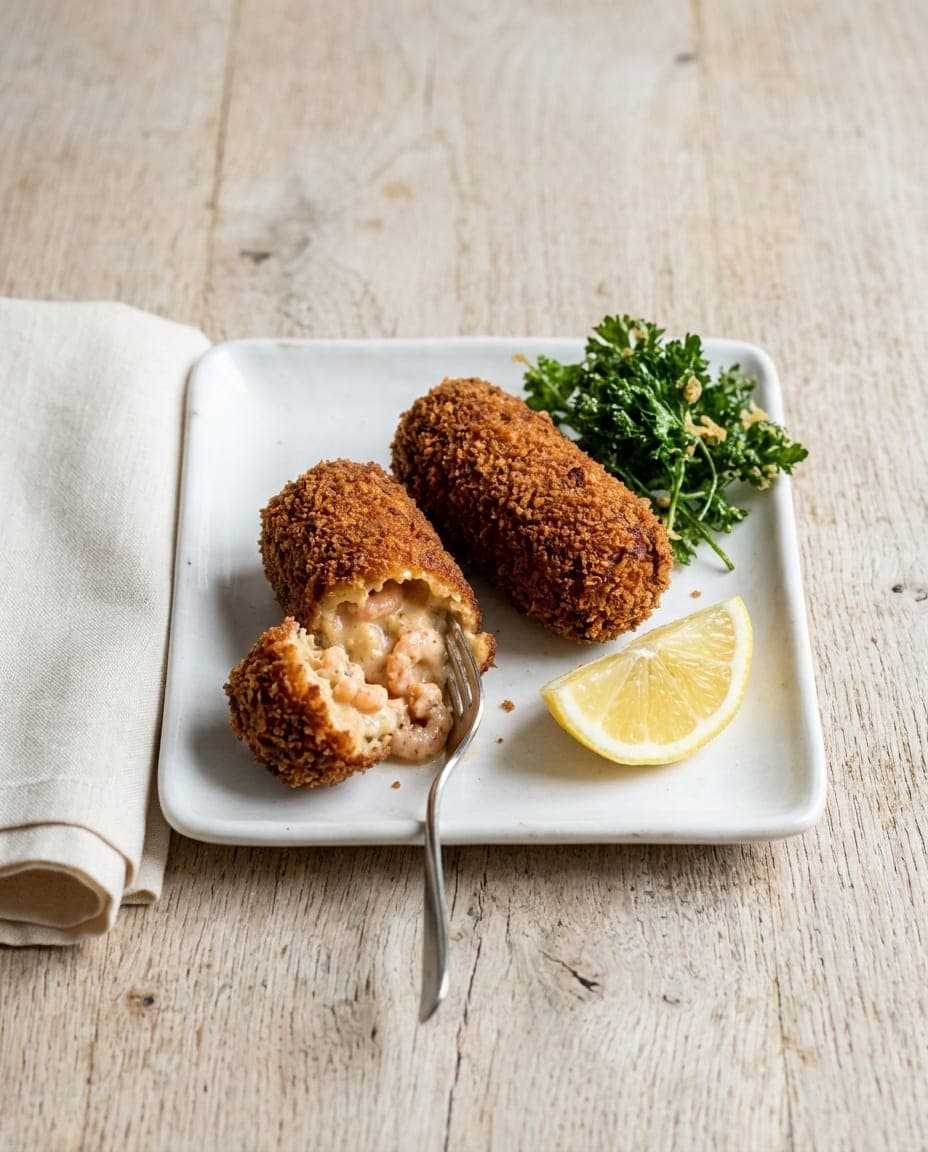
Crisp Belgian shrimp croquettes served with fried parsley
- Local name
- Garnaalkroketten
- Served with
- Fried parsley, lemon
- Best eaten at
- A Belgian-coast seaside brasserie
- Pairs with
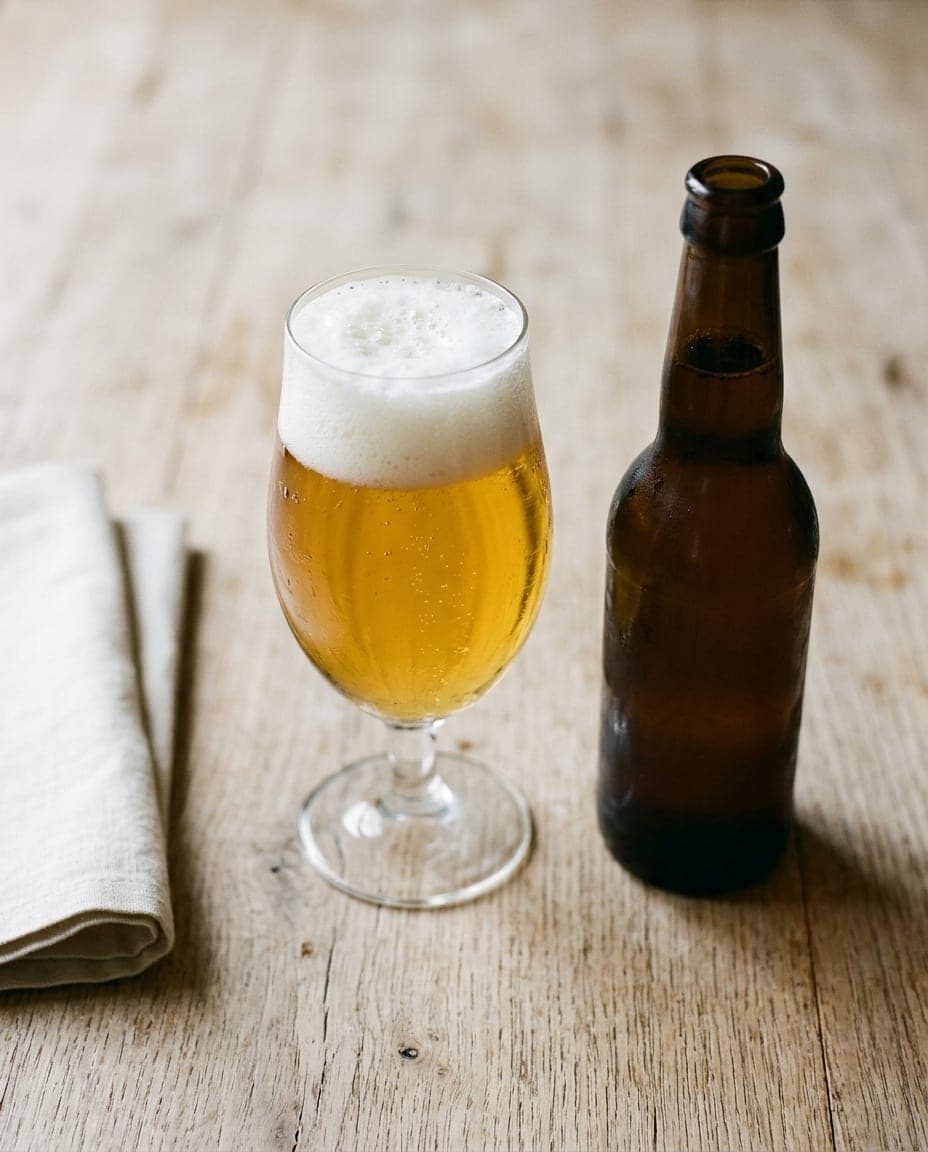
- Belgian tripel or dry white
What it is
Garnaalkroketten are deep-fried cylinders of creamy béchamel bound with grey North Sea shrimp, coated in fine breadcrumbs until crisp. They are a staple of the Belgian coast, particularly in Flanders, where they appear as a starter or light meal in seaside brasseries from Knokke to Nieuwpoort and Oostende. Unlike the beef croquette found elsewhere in Europe, this version relies entirely on the delicate flavour of Crangon crangon, the small brown-grey shrimp that drift through the shallow waters of the North Sea.
The texture defines the dish. A well-made garnaalkroket is firm enough to hold its shape when bitten into, yet the interior melts like warm cheese. The breadcrumb shell must shatter with a sharp crackle before yielding to the thick, savoury filling. It is not a snack eaten while walking; it requires a table and a moment of pause. Two croquettes are standard on a plate, accompanied by a small pile of deep-fried parsley and a wedge of lemon to cut the fat.
The shrimp used are not the large pink varieties found in many supermarkets. They are tiny, translucent creatures caught daily or frozen within hours of being hauled from the sea. The measure of a kitchen here is the ratio: a croquette that is mostly sauce with very little shrimp is considered a failure. A plate of good ones is not cheap because the work is slow and labour-intensive.
The coastal tradition
Garnaalkroketten are a dish of the coast first and foremost. While beef croquettes exist in cities across Belgium, the shrimp version is tied to the fishing villages of Flanders. In Zeebrugge, Oostende and Nieuwpoort, they appear on the menu of traditional brasseries, often as the first course before a main meal of mussels or fish. The dish reflects the local economy: the North Sea provides the ingredient, and the coastal towns provide the kitchens where it is transformed.
These croquettes are not merely fast food; they are a ritual of the coast. In the warmer months, when the sea breeze brings fresh air to the promenade, visitors sit in brasseries with their feet near the sand and order a plate of garnaalkroketten alongside a glass of dry white wine or a Belgian tripel. The combination is classic, though the dish itself has roots that go deeper than the modern tourism season.
The tradition extends beyond the immediate coastline into the wider Flemish region. However, the authenticity is most pronounced where the shrimp are caught locally. Inland versions often rely on frozen stock, but in the coastal brasseries, the quality of the filling depends on the freshness of the catch. The dish serves as a bridge between the fishermen who pull the nets and the diners who share the table.
What goes into it
There is no single official recipe, but the components remain consistent across the coast:
- Grey North Sea shrimp (Crangon crangon): These small, brown-grey crustaceans are cooked on board the fishing vessels and traditionally peeled by hand. Their flavour is subtle, briny and slightly sweet, distinct from larger prawns.
- Béchamel sauce: A thick white sauce made with butter, flour and milk, often enriched with shrimp stock and cream, which acts as the binding agent for the shrimp. The ratio of sauce to shrimp determines the quality; a good version has a high proportion of filling.
- Eggs and gelatine: Egg yolks are often beaten into the filling, and a little gelatine is commonly added so it sets firm before being cut into cylinders.
- Breadcrumbs: Fine, dry breadcrumbs that create a crisp, golden shell when deep-fried.
- Seasonings: Salt, white pepper and sometimes a hint of nutmeg or shallot, though the shrimp should remain the dominant flavour.
The preparation involves cooking the shrimp, peeling them, mixing them into the thickened béchamel, and then chilling the mixture until it is firm enough to be shaped. The cylinders are then coated in breadcrumbs and fried until golden brown. The result is a dish where the interior remains warm and creamy while the exterior provides a satisfying crunch.
How to eat it
Garnaalkroketten are served hot, straight from the fryer, on a small plate. Two pieces are standard, arranged side by side with a generous mound of deep-fried parsley in the centre or to one side. A wedge of lemon sits at the edge of the plate, intended to be squeezed over the croquettes just before eating. The parsley adds a fresh, herbal note and a contrasting texture to the soft filling.
The dish is best eaten with a knife and fork, though some diners prefer to use their hands if they are seated in a casual brasserie. The parsley is not merely garnish; it is an essential part of the experience, its crispness balancing the fat of the béchamel and shrimp.
A Belgian tripel or a dry white wine pairs naturally with the dish. The beer's carbonation or the wine's acidity cuts through the fat of the sauce, while the lemon offers a bright finish. In the coastal brasseries, the croquettes are often ordered as a starter before a main course of fish or mussels, allowing the diner to savour the flavour without overwhelming the palate.
A heritage of horseback fishing
The connection between garnaalkroketten and the North Sea goes deeper than the ingredients themselves. In Oostduinkerke, a village on the Belgian coast, shrimp are still fished from horseback, a practice inscribed on UNESCO's list of intangible cultural heritage in 2013. Fishermen ride horses into the shallow tidal flats at low tide, dragging nets through the sand to catch Crangon crangon. This method is centuries old and remains rare in the modern world.
The catch is small and is cooked and eaten locally, straight from the beach. The tradition of horseback fishing adds a layer of authenticity to the garnaalkroketten served in Oostduinkerke and nearby villages. It is a reminder that the dish is not just a product of the kitchen but of the sea, the tides and the people who work them.
The UNESCO recognition has brought attention to this practice, ensuring it continues for future generations. While the number of horseback fishermen has declined over time, those who remain uphold a tradition that links the coast to its past. The shrimp from these waters are the same ones that have fed coastal communities for centuries, and their presence in the croquette is a sign of that continuity.
Curious facts
- The peel matters. Grey North Sea shrimp are traditionally peeled by hand, a slow process that explains why a plate of good garnaalkroketten is not cheap. Machines can do the job faster, but the finest versions still rely on manual labour.
- Two per plate. The standard serving size is two croquettes, a portion designed to be shared or eaten as a starter rather than a full meal. Larger portions exist but are less common in traditional brasseries.
- Parsley is essential. Deep-fried parsley is not an optional garnish; it is a defining element of the dish, providing a fresh contrast to the creamy filling.
- Coastal roots. While beef croquettes appear across Belgium, the shrimp version is a speciality of Flanders and the coast, particularly in Oostende, Nieuwpoort and the other coastal towns.
- UNESCO heritage. Shrimp fishing from horseback in Oostduinkerke is on the UNESCO intangible cultural heritage list, linking the dish to a centuries-old tradition.
Where to try it
The best place to eat garnaalkroketten is in a traditional brasserie along the Belgian coast. In Oostende, Nieuwpoort and Zeebrugge, look for establishments that specialise in local seafood and serve the croquettes with deep-fried parsley and lemon.
In Oostduinkerke, you may find a version linked to the horseback fishing tradition, adding a layer of history to the plate. The coastal brasseries are often simple in decor but focused on the food. Go hungry, go slow and save room for the lemon wedge. A glass of Belgian tripel or a dry white wine completes the experience, turning a simple starter into a taste of the coast.
Where to try it
3 destinations
 Boat Rentals
Brugge
Boat rental marina in Zeebrugge, gateway to the North Sea.
Boat RentalsHikingLocal Cuisine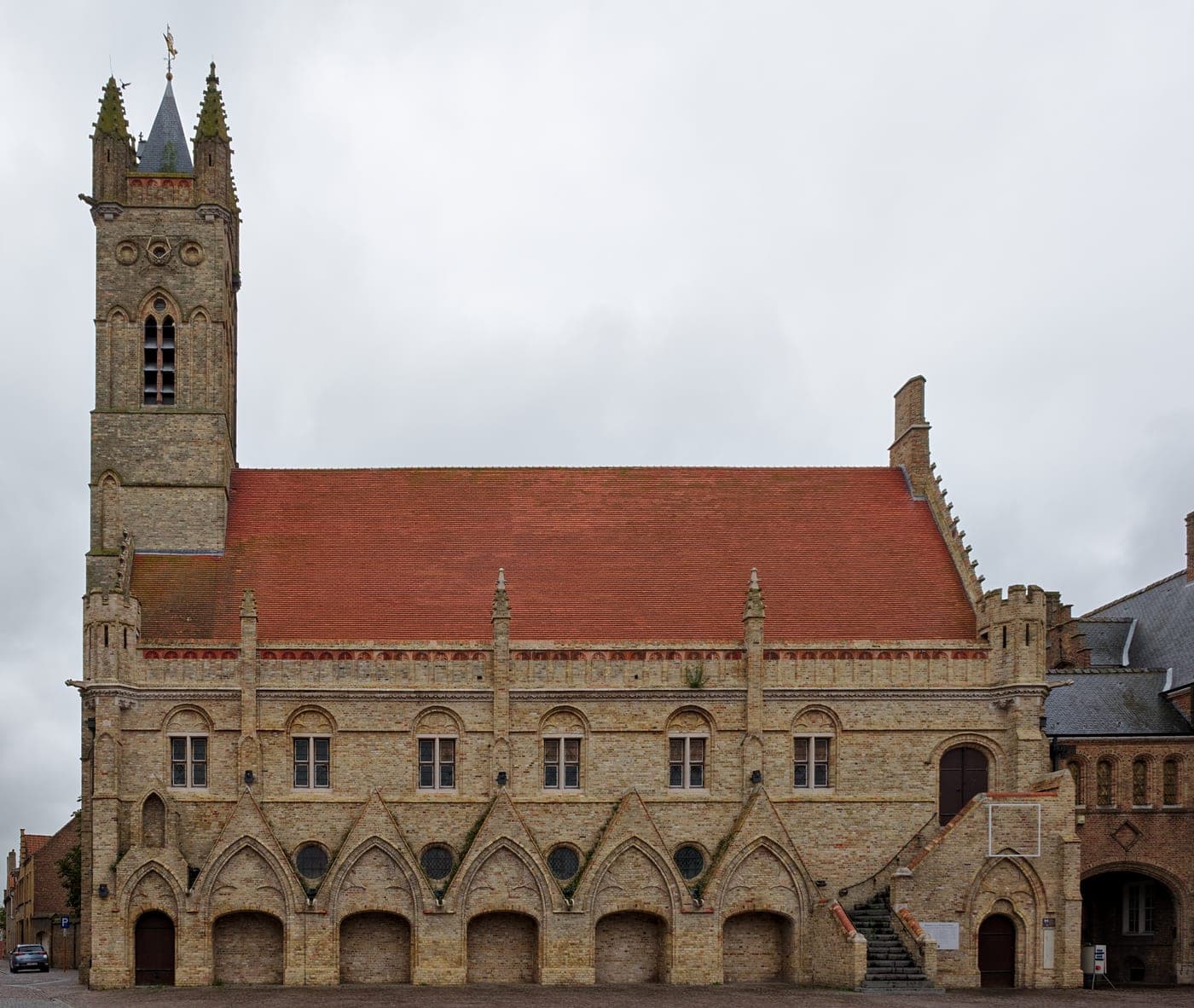 Boat Rentals
Nieuwpoort
Coastal town with marina, WWI history, and golden sandy beaches.
Boat RentalsHikingLocal Cuisine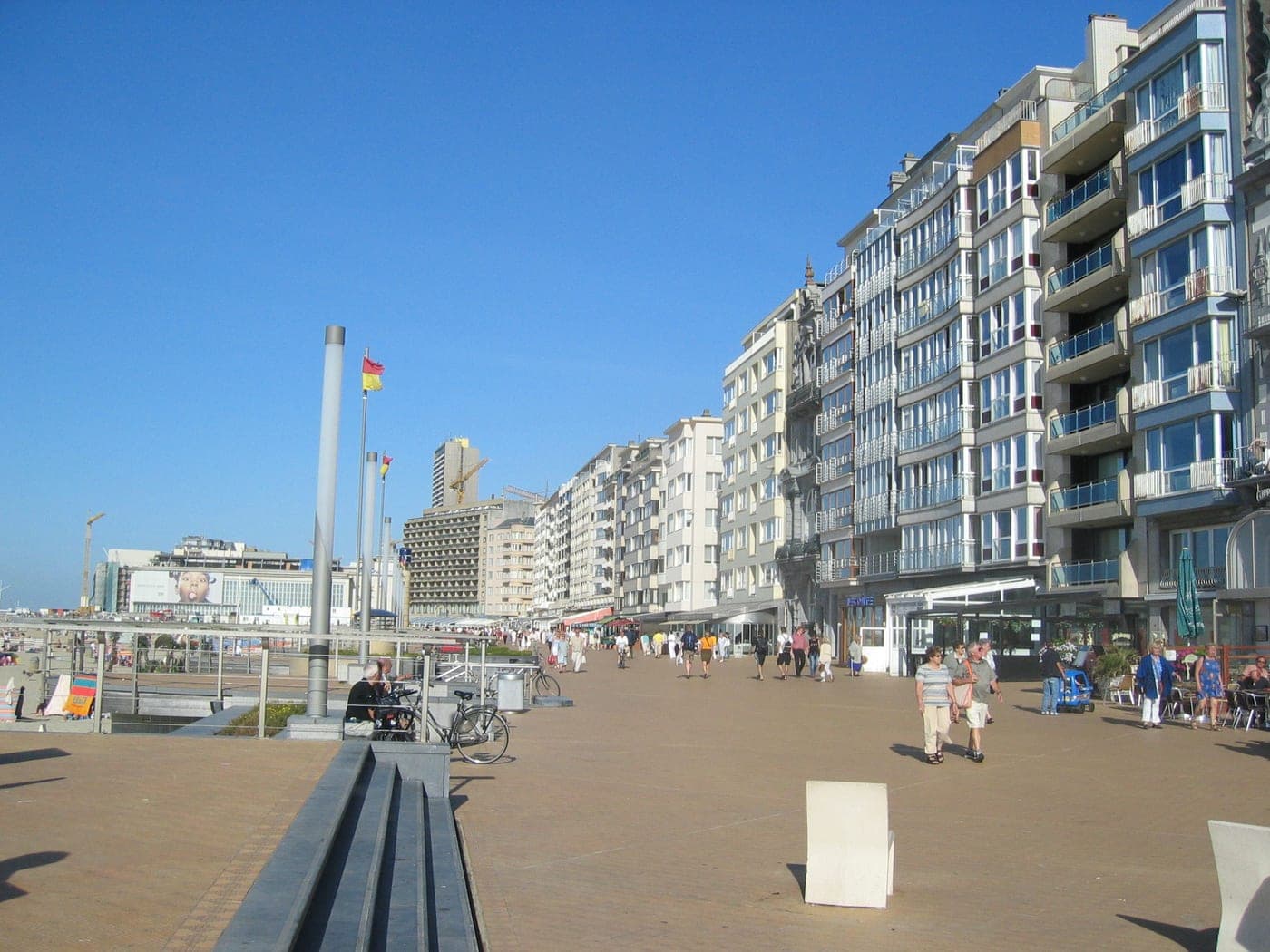 Boat Rentals
Oostende
Belgium's seaside resort with royal villa, beaches, and seafood restaurants.
Boat RentalsHikingLocal Cuisine
1 region
 Wine Tasting7 destinations
Flanders
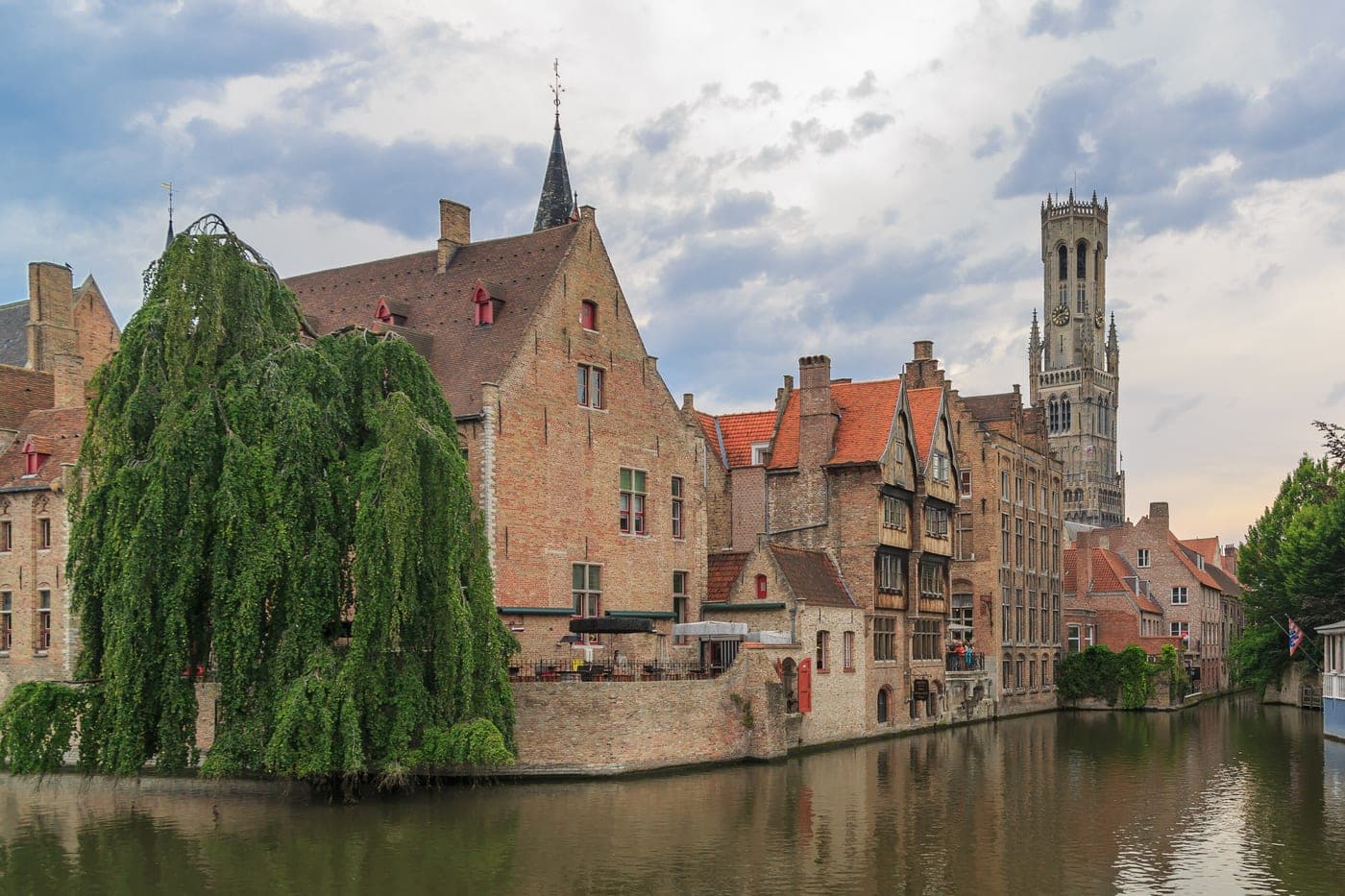
Flanders is the Dutch-speaking region of northern Belgium, and its short distances between towns hide a slow, layered kind of travel. Villages in Flanders and its larger cities share a way of asking for attention: a market square, a belfry, a stretch of canal reflecting brick gables. The pace here rewards stopping, and the region's compact size makes it possible to settle into a handful of places instead of covering ground. The medieval old towns are the backbone of any Flanders itinerary. Ghent carries the largest and least polished of them, its student population keeping the streets lived-in. Bruges is smaller and more carefully kept, its canal loop and lace-making tradition drawing people who want the postcard version of Flanders done well. Antwerp brings energy to the mix: a working port, a Baroque cathedral, a fashion district, and a diamond trade still run on old trust. Mechelen and Leuven sit close to the bigger cities and carry the same belfry-and-canal character at a quieter volume. Flemish painting shaped much of what these cities still show today. Ghent's cathedral holds an early masterpiece of Flemish painting, and Antwerp's museums keep strong collections from the city's own Baroque painters. These works were made for the churches and guild halls that still stand on the same streets, which gives them a different weight than seeing them somewhere unconnected to their making. Beer culture in Flanders runs deep and steady. Trappist monasteries brew to support their communities, following recipes kept inside their own walls for generations, and abbey beers named after those monasteries fill the menus of ordinary town cafés. A brown café in Ghent or Antwerp — dim, wood-panelled, unhurried — is where this culture is actually lived, over a single well-poured glass at a corner table. Chocolate carries a similar seriousness. Family-run chocolatiers in Bruges, Ghent and Antwerp still hand-dip pralines and temper chocolate by hand, and a short exchange with the person behind the counter often teaches more than any shop sign. A small box eaten the same afternoon suits the tradition better than a large one carried home. Flanders' countryside opens quickly beyond the larger cities into flat farmland, poplar-lined canals, and villages that rarely appear on an international itinerary. Damme, close to Bruges along a canal path, holds a windmill, a church and a handful of houses, and needs little more than that. Further south and east, the villages around Ypres carry the memory of the First World War: cemeteries, memorials, and the Last Post sounded each evening at the Menin Gate sit alongside the region's more familiar reputation for beer and lace. The coast changes the rhythm again. Oostende keeps a working fishing fleet and a long promenade, while smaller resorts such as De Haan hold onto early-twentieth-century villas and quiet dunes once summer ends. The flat sand and open sky offer a clear contrast to the cobbled squares and canal reflections inland. Traditions stay visible through the year. Processions, guild festivals, and beer events give each town its own calendar, kept by the community rather than staged for visitors. Slow travel here means choosing depth over distance. The region's small scale makes it tempting to plan a long list of towns, but it holds together better when explored through fewer stops, each one given room to open up: a market square seen at different times of day, a canal walk repeated at dusk, a return visit to the same chocolate shop once the first box runs out. Ghent and Bruges alone hold enough layers — museums, churches, quiet residential streets away from the centre — to fill a visit, and pairing either with a coastal stop or a village like Damme adds contrast without adding rush. Flanders rewards this kind of attention because so much of its character sits just below the surface: a monastery's own beer recipe, a canal town's working history before tourism arrived, a village whose only claim is a windmill and a church that has stood for generations. Most of it opens up only once the rushing stops.
Wine TastingHikingBoat RentalsLocal Cuisine