Elixir d'Anvers
Golden herbal liqueur from Antwerp, made since 1863
- Alcoholic
- Local name
- Elixir d'Anvers
- Served
- Neat or on ice, as digestif
- Best eaten at
- An Antwerp brown café
- Pairs with
- Dark chocolate
What it is
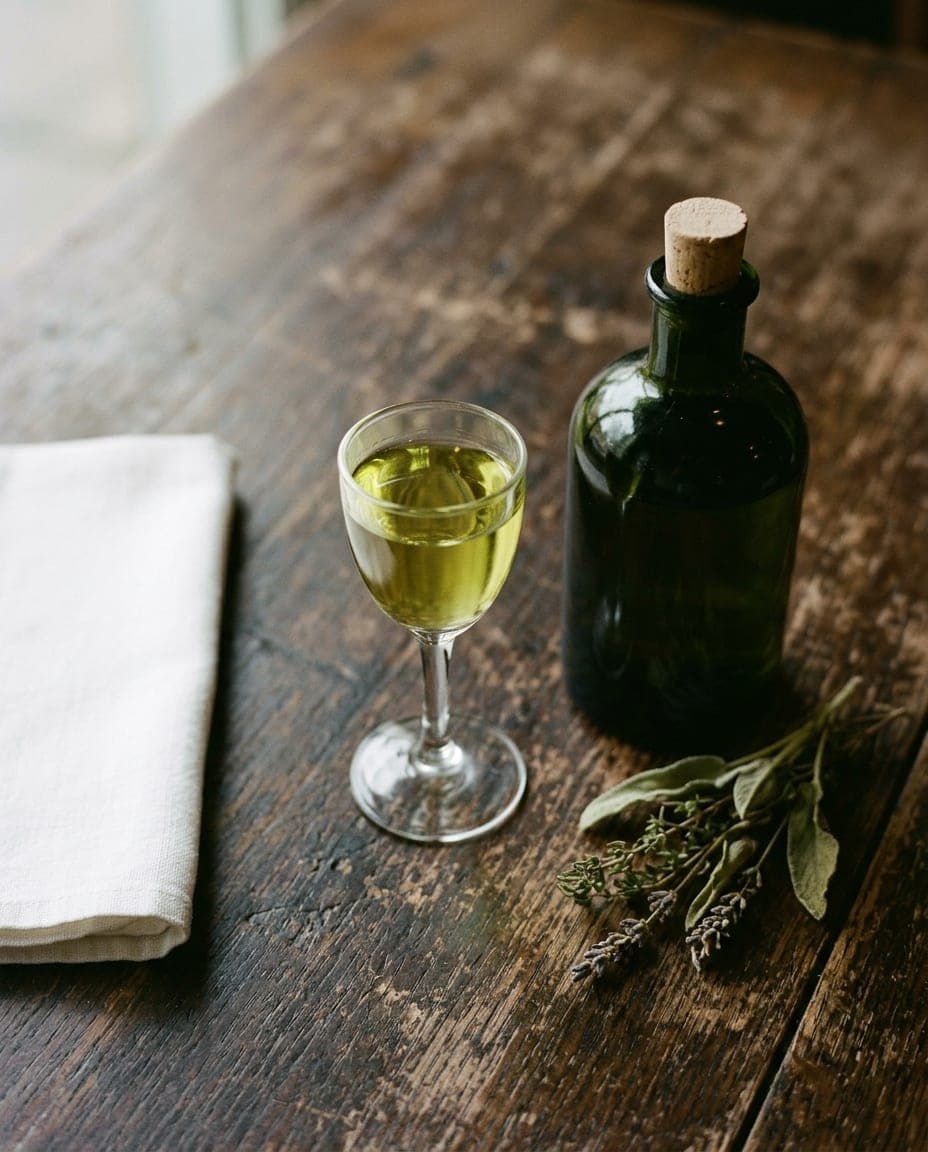
Elixir d'Anvers is a golden herbal liqueur that has been produced in Antwerp since 1863. It belongs to the city rather than the wider country, standing alongside the De Koninck ale as one of the few drinks bound up with this specific port. The liquid is clear and golden-yellow, with a profile that balances sweetness against a distinct bitterness derived from its botanicals.
This is not a drink for sipping in large quantities during the day. It is intended as a digestif, served in small glasses either neat or over ice. The liqueur is known for its complexity, offering a warm finish that lingers on the tongue. While the exact blend remains a secret, the result is a beverage that feels both medicinal and celebratory, a tradition that has survived more than a century and a half of change in the city.
The history of the Antwerp distillery
The story of Elixir d'Anvers begins in 1863, when François-Xavier de Beukelaer, who had studied medicine and pharmacy, completed the recipe in Antwerp. The De Beukelaer family ran the distillery for four generations. In 2008 the last family member involved, Emile de Beukelaer, withdrew, and the business passed to Ivan Nolet de Brauwere, from another old distilling family, who had worked alongside him for years.
The liqueur was shown at the Antwerp International Exhibition of 1885, collected dozens of medals at exhibitions abroad, and became a staple of the local drinking culture, appearing on the menus of the city's traditional taverns. The recipe has never been published, keeping the production process within the distillery's private knowledge.
The distillery remains in Antwerp today, in neo-Renaissance buildings from 1894 on the Haantjeslei. Its products are sold mainly in Belgium and neighbouring countries, so Elixir d'Anvers is far less widely exported than better-known Belgian beers.
How it is made
The production involves 32 herbs and spices, though the recipe itself is never disclosed. The botanicals are steeped in alcohol and then distilled, and the distillate is blended with alcohol, water and sugar. The liqueur then matures for several months in old oak barrels before bottling.
The final product is a balance of flavours. The sweetness comes from the added sugar, while the bitterness arises from the specific herbs used in the recipe. This combination creates a profile that is both rich and sharp, making it suitable for sipping slowly or using as an ingredient in cooking.
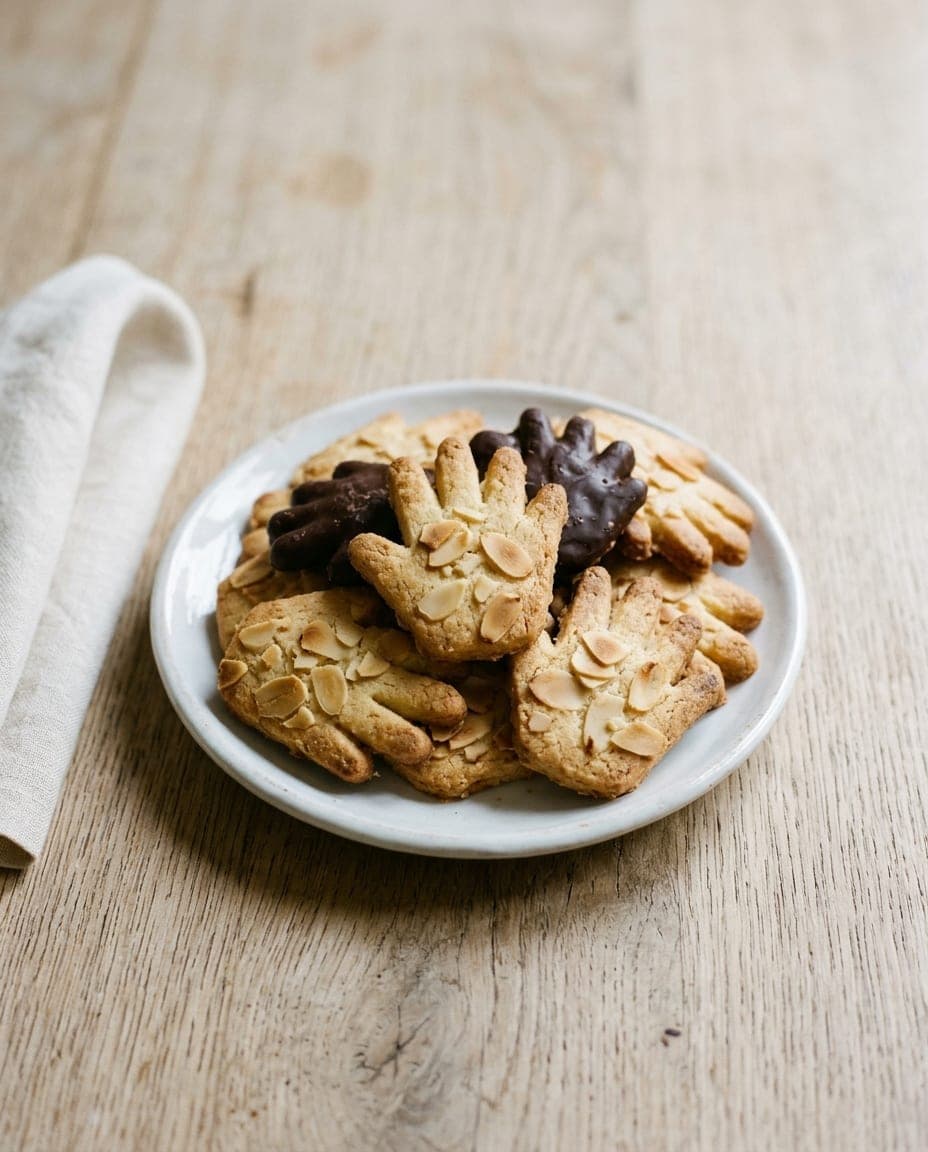
In Antwerp kitchens, the liqueur sometimes finds its way into desserts or coffee. It can be poured over a scoop of vanilla ice cream to add a herbal note, or stirred into a hot coffee to create a warming evening drink. It also fills some of the city's hand-shaped chocolates. These uses are less common than drinking it straight, but they show how versatile the spirit is within the local culinary tradition.
How to drink it
The traditional way to serve Elixir d'Anvers is neat or over ice in a small glass. It is meant to be sipped slowly after a meal as a digestif with a lingering finish. The cold version, served with a few large ice cubes, slightly dilutes the spirit as it melts, softening the intensity of the alcohol while releasing more of the herbal aromas.
The natural setting is one of Antwerp's brown cafés, the wood-panelled traditional pubs that are the heart of the city's social life and serve Elixir d'Anvers alongside other local specialities.
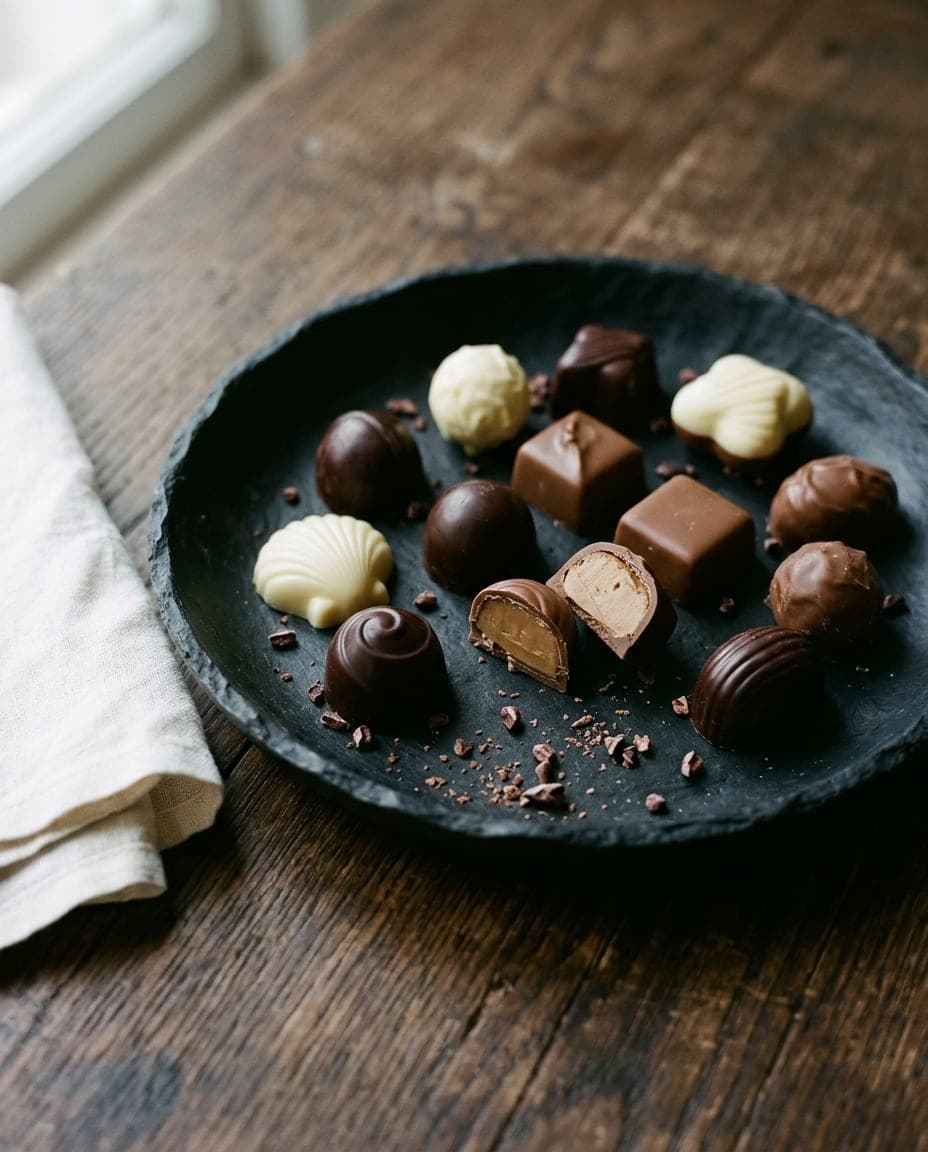
The liqueur pairs well with dark chocolate. The bitterness of the cocoa complements the herbal notes in the drink, and a square of good dark chocolate on the side allows the drinker to alternate between sips and bites.
Curious facts
- A secret recipe. The exact recipe has been kept secret since 1863, with no public disclosure of the proportions of its 32 herbs and spices.
- Local by nature. Unlike Belgium's famous beers, Elixir d'Anvers is sold mainly at home and in neighbouring countries, and its identity is firmly tied to Antwerp.
- Golden hue and oak. The liqueur is golden-yellow and matures for several months in oak barrels, which adds a subtle smoothness to the final spirit.
- A coffee companion. Locals sometimes stir the liqueur into black coffee, creating a warming drink that bridges the gap between dessert and a nightcap.
- A Pasteur signature. One of the distillery's early exhibition diplomas, from Boulogne-sur-Mer in 1887, bears the signature of Louis Pasteur.
Where to try it
The best place to experience Elixir d'Anvers is in Antwerp itself, in a brown café after dinner.
Where to try it
1 destination
 Camper Van Rentals
Antwerp
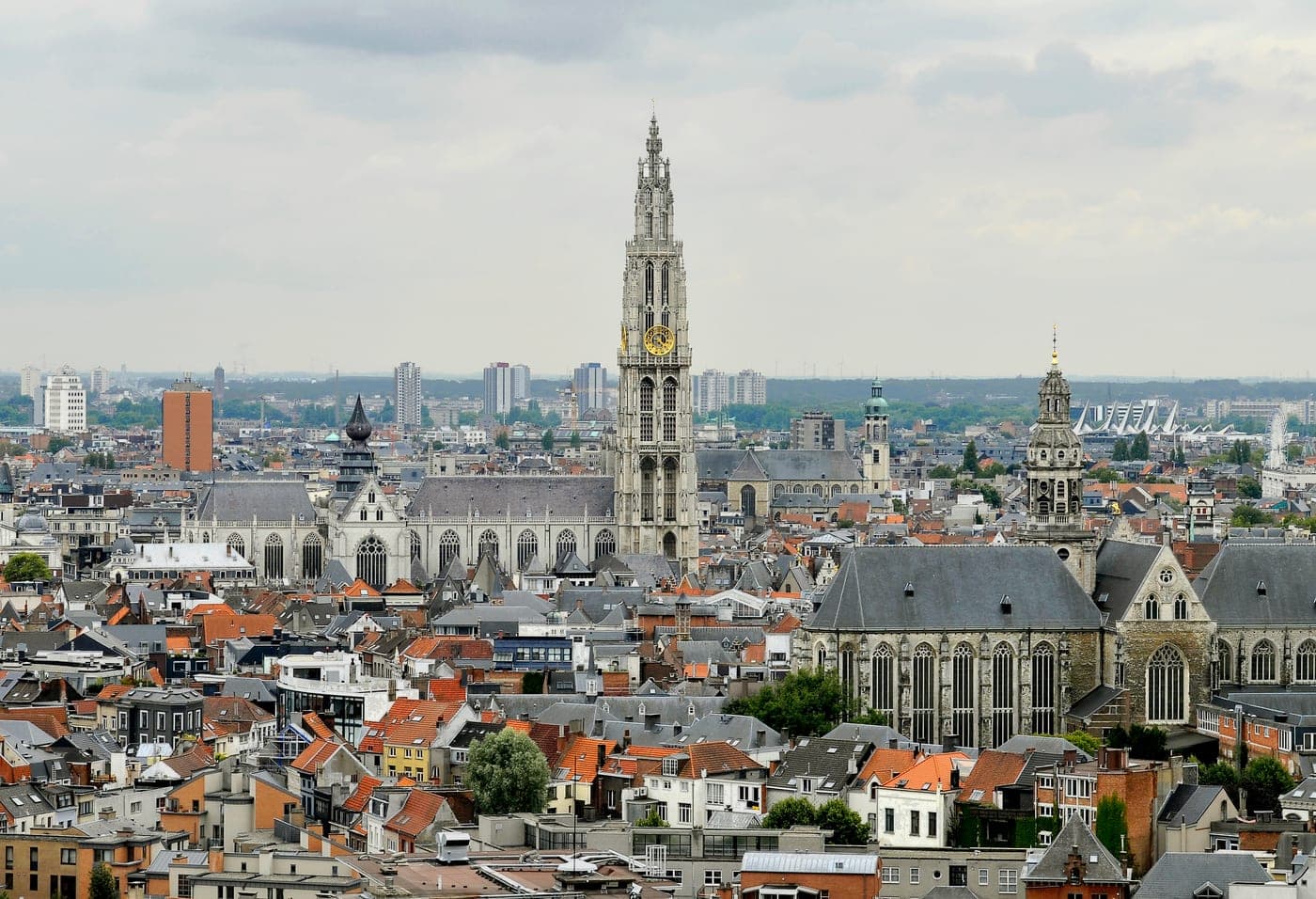
Diamond capital with Rubens heritage, fashion scene, and Scheldt port.
Camper Van Rentals
1 region
 Wine Tasting7 destinations
Flanders
Flanders is the Dutch-speaking region of northern Belgium, and its short distances between towns hide a slow, layered kind of travel. Villages in Flanders and its larger cities share a way of asking for attention: a market square, a belfry, a stretch of canal reflecting brick gables. The pace here rewards stopping, and the region's compact size makes it possible to settle into a handful of places instead of covering ground. The medieval old towns are the backbone of any Flanders itinerary. Ghent carries the largest and least polished of them, its student population keeping the streets lived-in. Bruges is smaller and more carefully kept, its canal loop and lace-making tradition drawing people who want the postcard version of Flanders done well. Antwerp brings energy to the mix: a working port, a Baroque cathedral, a fashion district, and a diamond trade still run on old trust. Mechelen and Leuven sit close to the bigger cities and carry the same belfry-and-canal character at a quieter volume. Flemish painting shaped much of what these cities still show today. Ghent's cathedral holds an early masterpiece of Flemish painting, and Antwerp's museums keep strong collections from the city's own Baroque painters. These works were made for the churches and guild halls that still stand on the same streets, which gives them a different weight than seeing them somewhere unconnected to their making. Beer culture in Flanders runs deep and steady. Trappist monasteries brew to support their communities, following recipes kept inside their own walls for generations, and abbey beers named after those monasteries fill the menus of ordinary town cafés. A brown café in Ghent or Antwerp — dim, wood-panelled, unhurried — is where this culture is actually lived, over a single well-poured glass at a corner table. Chocolate carries a similar seriousness. Family-run chocolatiers in Bruges, Ghent and Antwerp still hand-dip pralines and temper chocolate by hand, and a short exchange with the person behind the counter often teaches more than any shop sign. A small box eaten the same afternoon suits the tradition better than a large one carried home. Flanders' countryside opens quickly beyond the larger cities into flat farmland, poplar-lined canals, and villages that rarely appear on an international itinerary. Damme, close to Bruges along a canal path, holds a windmill, a church and a handful of houses, and needs little more than that. Further south and east, the villages around Ypres carry the memory of the First World War: cemeteries, memorials, and the Last Post sounded each evening at the Menin Gate sit alongside the region's more familiar reputation for beer and lace. The coast changes the rhythm again. Oostende keeps a working fishing fleet and a long promenade, while smaller resorts such as De Haan hold onto early-twentieth-century villas and quiet dunes once summer ends. The flat sand and open sky offer a clear contrast to the cobbled squares and canal reflections inland. Traditions stay visible through the year. Processions, guild festivals, and beer events give each town its own calendar, kept by the community rather than staged for visitors. Slow travel here means choosing depth over distance. The region's small scale makes it tempting to plan a long list of towns, but it holds together better when explored through fewer stops, each one given room to open up: a market square seen at different times of day, a canal walk repeated at dusk, a return visit to the same chocolate shop once the first box runs out. Ghent and Bruges alone hold enough layers — museums, churches, quiet residential streets away from the centre — to fill a visit, and pairing either with a coastal stop or a village like Damme adds contrast without adding rush. Flanders rewards this kind of attention because so much of its character sits just below the surface: a monastery's own beer recipe, a canal town's working history before tourism arrived, a village whose only claim is a windmill and a church that has stood for generations. Most of it opens up only once the rushing stops.
Wine TastingHikingBoat RentalsLocal Cuisine