Pinzgauer Kasnocken
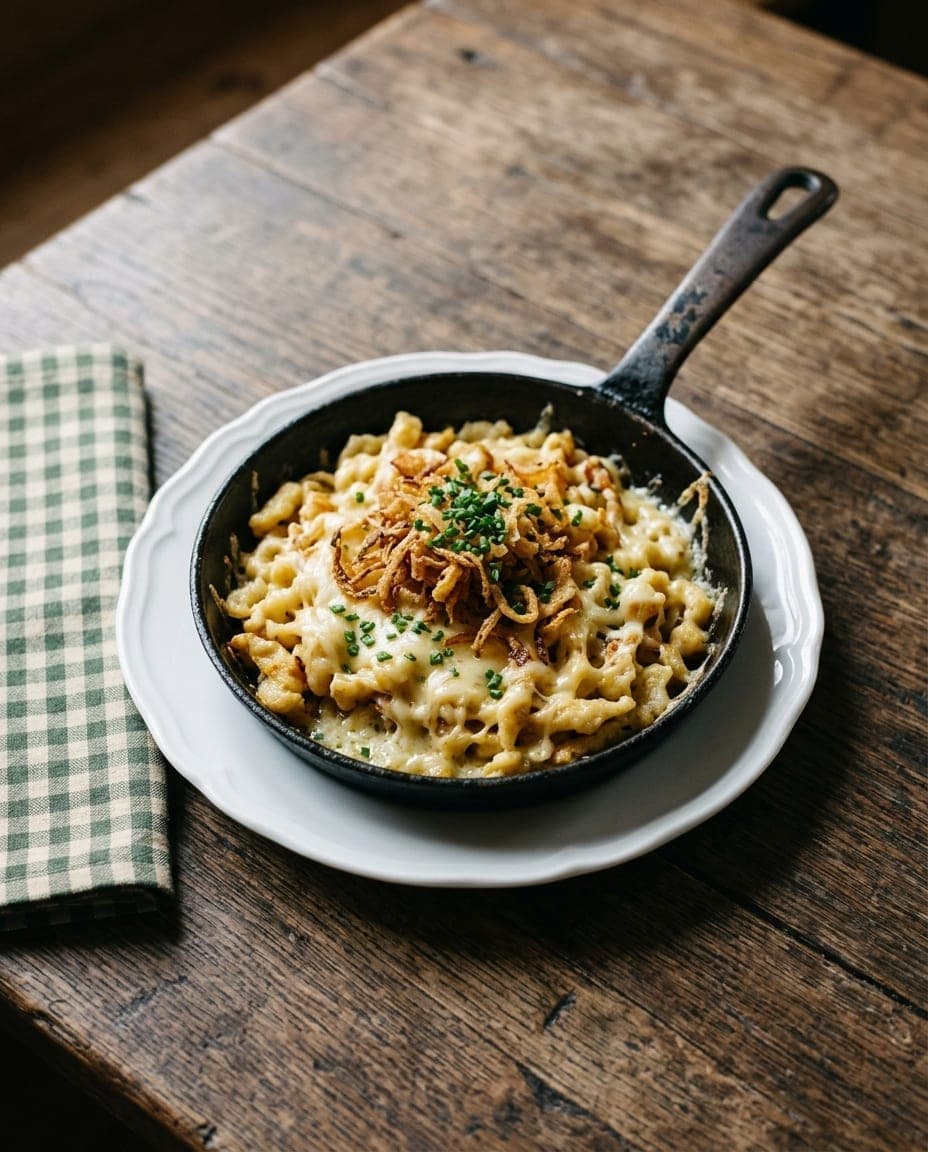
Cheese, dumplings and fried onions, served in the pan
- Local name
- Pinzgauer Kasnocken
- Served with
- Chives, fried onions, green salad
- Best eaten at
- A Pinzgau alpine hut
- Pairs with
- Local beer or buttermilk
What it is
Pinzgauer Kasnocken are small soft dumplings in melted cheese, from the Pinzgau, the western district of Salzburg state. The dough is flour, egg and water or milk, the same family as Spätzle, scraped off a board or pressed through a wide colander into boiling water so the pieces come out short and irregular rather than long.
What follows is the dish. The drained dumplings go into a hot iron pan with a good deal of diced Pinzgauer Bierkäse, which melts and pulls into strings, and the whole thing is finished with chives and, in many kitchens, onions fried until they are dark and crisp. It arrives in the pan, with a green salad beside it.
Where they come from
The Pinzgau is the western district of Salzburg state, a valley region defined by alpine dairying and steep mountains. It is not a nationwide dish in Austria but remains a regional speciality tied closely to the local farming traditions. The cheese used is Pinzgauer Bierkäse, a sharp, low-fat red-smear cheese made from skimmed cow's milk in the area, where cows graze on mountain grasses that influence the flavour of the dairy products.
This is food made for the mountains. It is farmhouse and herders' food: a quick meal that could be cooked on a stove in a small kitchen. The simplicity of the ingredients — flour, egg, water or milk, cheese and onions — reflects what was available in a mountain household. As the region became a destination for winter sports and summer hiking, the dish moved from farm kitchens to the menus of alpine huts, where it remains a favourite today.
How they are made
The preparation relies on basic techniques rather than complex methods. The dough is mixed until smooth, then scraped or pressed into boiling water to form small dumplings. Once cooked and drained, the dumplings go into a buttered pan with the diced cheese. The heat melts the cheese until it becomes stringy and coats the dumplings evenly, and a crust — the Prinzn — forms on the bottom of the pan. Fresh chives, and often crisp fried onions, are added as a final topping.
Soft dough, stringing cheese, crisp onion: three textures and no sauce. The salad beside it is dressed with vinegar rather than cream, for the same reason the onions are fried dark.
How to eat it
As a main course at lunch, out of the pan, often shared between two. Cold buttermilk is a fine match — sour against the hot cheese — though most huts will bring a beer instead.
Curious facts
- A regional name. The term "Kasnocken" refers specifically to these small dumplings in the Pinzgau region; elsewhere in Austria they might be called by different names or simply as Käsespätzle.
- Hut tradition. The dish is a classic example of mountain cuisine, designed to provide quick energy and warmth after physical exertion in the cold alpine air.
- The cheese is local and sharp. Pinzgauer Bierkäse is a piquant skimmed-milk cheese, and a mild cheese makes a different and duller dish.
- The pan is the plate. It comes to the table in the pan, and two people sharing one is the normal order.
Where to try it
A hut above a Pinzgau village — the valley around Mittersill and the side valleys running south from it — at lunchtime, when the kitchens are cooking for people coming off the trails and the slopes. In the villages themselves a Gasthaus serves the same thing indoors. The sign of a kitchen that means it is cheese that strings when the pan is tilted.
Where to try it
1 destination
 Castles
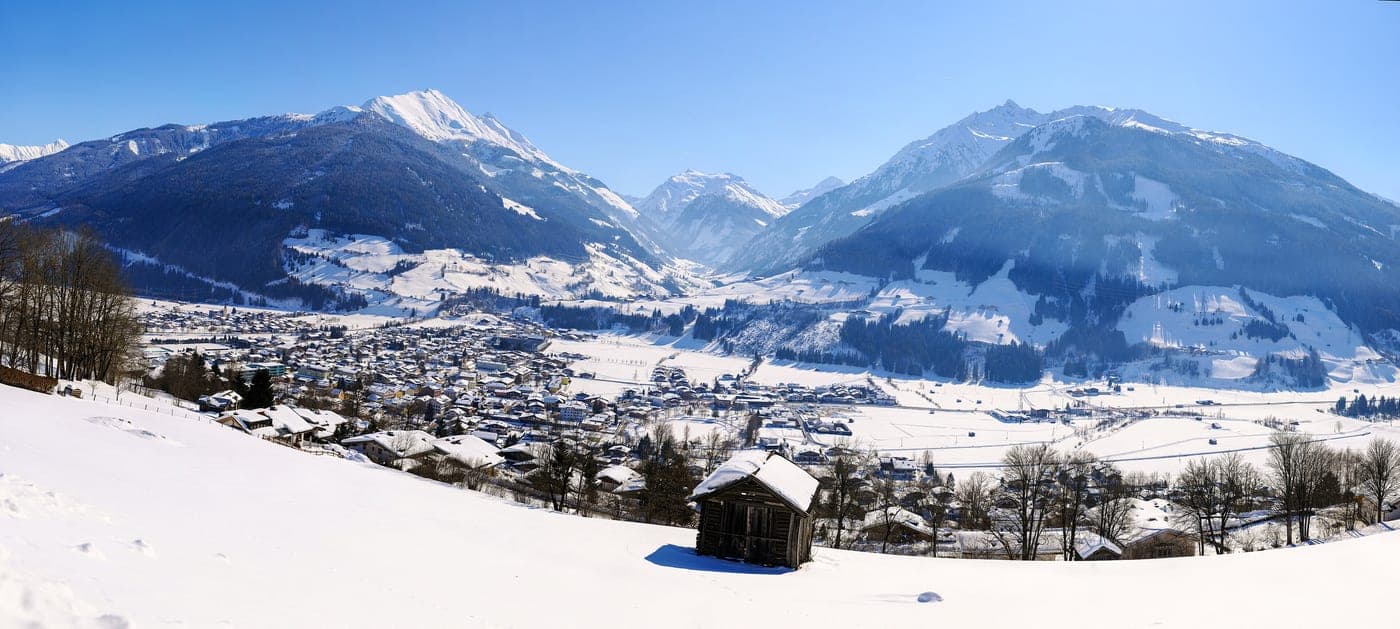
Mittersill
Small Alpine town in the Pinzgau region of Salzburg, home to a 900-year-old castle overlooking the Salzach valley and gateway to the Hohe Tauern National Park.
CastlesHiking
1 region
- Castles3 destinations
Salzburg
Nestled in the Alps, this region is renowned for its baroque architecture and stunning landscapes. Salzburg is the birthplace of Mozart and boasts a rich musical heritage. The region is characterized by picturesque lakes, including the beautiful Wolfgangsee, and the majestic peaks of the surrounding mountains. Hidden gems like the charming village of St. Gilgen and the historical town of Hallein invite exploration. Salzburg's unique salt mines, dating back to prehistoric times, reveal its historical significance in trade. The region hosts various local festivals, including the Salzburg Festival, celebrating music and theater, making it an intriguing locale for cultural exploration. Ideal for those seeking to connect with both nature and history, this area offers a wealth of experiences off the typical tourist path.
CastlesHikingWine TastingCamper Van Rentals