Kärntner Kasnudeln
Carinthia's crimped pockets of curd cheese and mint
- Vegetarian
- Local name
- Kärntner Kasnudeln
- Served with
- Brown butter, green salad
- Best eaten at
- A Carinthian Gasthaus
- Pairs with
- Austrian white wine
What it is
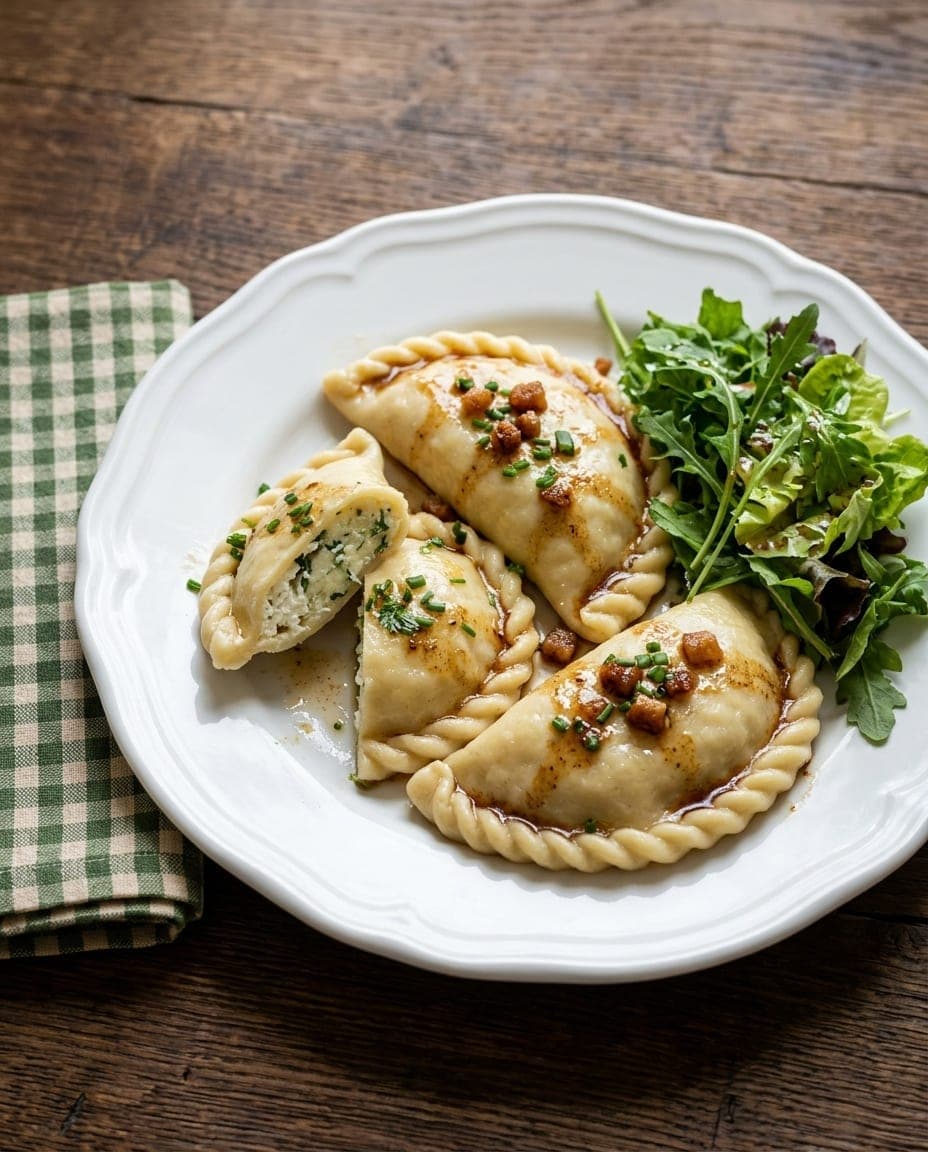
Kärntner Kasnudeln are the signature pasta of Austria's southernmost state, Carinthia. These large, half-moon dumplings are distinct from the small boiled dumplings found in northern Austria or the giant ravioli of Italy. They are substantial pockets of dough filled with a mixture of Topfen (curd cheese), floury potato, browned onion and chopped mint. The filling is encased in a thin sheet of pasta that has been rolled out by hand, folded over, and sealed along the curved edge with a decorative crimp known as Krendeln.
The dish is Carinthian rather than Austrian. Similar filled pastas are made across the border in Slovenia and in north-east Italy, but the particular combination of curd cheese, potato and mint belongs here. The dumplings are poached in salted water until tender, then served simply with melted butter that has been browned until it smells nutty, accompanied by a crisp green salad. A single serving is often enough for a full meal.
The craft of the crimp
The defining feature of these dumplings is the seal along the curved edge. In Carinthia, this technique is called Krendeln; it is traditional above all in Upper Carinthia, while in the lower valleys the edge is often cut with a pastry wheel. It is done with the fingers: the edge is pinched and folded over on itself again and again, working round the curve, so that the seam ends up looking like a plaited rope. It is not decoration. A pocket that is not sealed properly opens in the water and loses its filling.
The crimp is also how Carinthians judge each other's cooking. An even, tight Krendel made quickly is the mark of someone who has made a great many, and a machine-pressed edge is recognised at a glance. A folk saying even ties the skill to a girl's chances of marriage.
A shared Alpine history
Carinthia is a corner where three language areas meet, and the dish sits exactly on that seam: a filled pasta like the tortelli of the Italian north-east, with a potato-and-curd filling that belongs to the farming of the Alps, in a province where many southern villages also have Slovene names. Filled pockets of this kind are made on all three sides of the border and no country invented them.
What is local is the mint. A cool herb in a warm cheese filling is unusual anywhere in the Alps, where chives or parsley would be expected, and it is the thing visitors notice first. Meat versions exist, and sweet ones filled with dried pears (Kletzennudeln), but cheese, potato and mint is what Kasnudeln means without further explanation.
What goes into it
There are no fixed quantities for these dumplings, as every family has its own ratio of ingredients. The dough is typically made from flour, eggs, a pinch of salt and sometimes a little water or milk to bring it together. The filling relies on the texture of the components:
- Topfen, a dry curd cheese that provides a creamy base without being too wet.
- Floury potato, boiled until soft and mashed to create a light, fluffy interior.
- Browned onion, sautéed in butter until sweet and golden to add depth.
- Fresh mint, chopped fine — the cool note that keeps the cheese from being heavy.
The filling should taste of potato and herb as much as of cheese, and the dough around it should be thin enough to see the colour through.
How it is eaten
As a main course, four to six to a plate, with browned butter poured over them so it collects in the crimped edges, and a green salad dressed with oil and vinegar beside. An Austrian white — a Grüner Veltliner, or a Riesling — is the usual glass, and its acidity is what the butter needs.
Curious facts
- The mint is key. The addition of fresh mint to a cheese filling is a distinctive trait that distinguishes these dumplings from many other Alpine cheese pastas, which often rely on herbs like chives or parsley.
- A regional pride. While similar dishes exist in Slovenia and Italy, the specific Carinthian style with its hand-crimped Krendeln is celebrated as a local identity marker.
- Variations abound. Beyond the classic cheese and potato filling, some versions include meat, such as ground pork, while others use dried pears (Kletzen) for a sweeter profile.
- The butter matters. The dish relies on browned butter, not just melted butter. The nutty aroma developed by cooking the butter until it turns golden is essential to the final flavour.
- A shared border tradition. The history of filled pasta in this region reflects the movement of people and recipes across the borders of Austria, Slovenia and Italy over centuries.
Where to try it
Carinthia, and preferably a small Gasthaus rather than a restaurant: the villages around the Wörthersee — Velden am Wörthersee and Pörtschach am Wörthersee among them — and the inland valleys of Upper Carinthia, where hand-crimping is most at home, are full of kitchens that make them in the morning for the same day. The question worth asking is whether they are handgekrendelt, crimped by hand, which is also the difference between a kitchen that makes them and one that buys them in.
Where to try it
4 destinations
 Wine Tasting
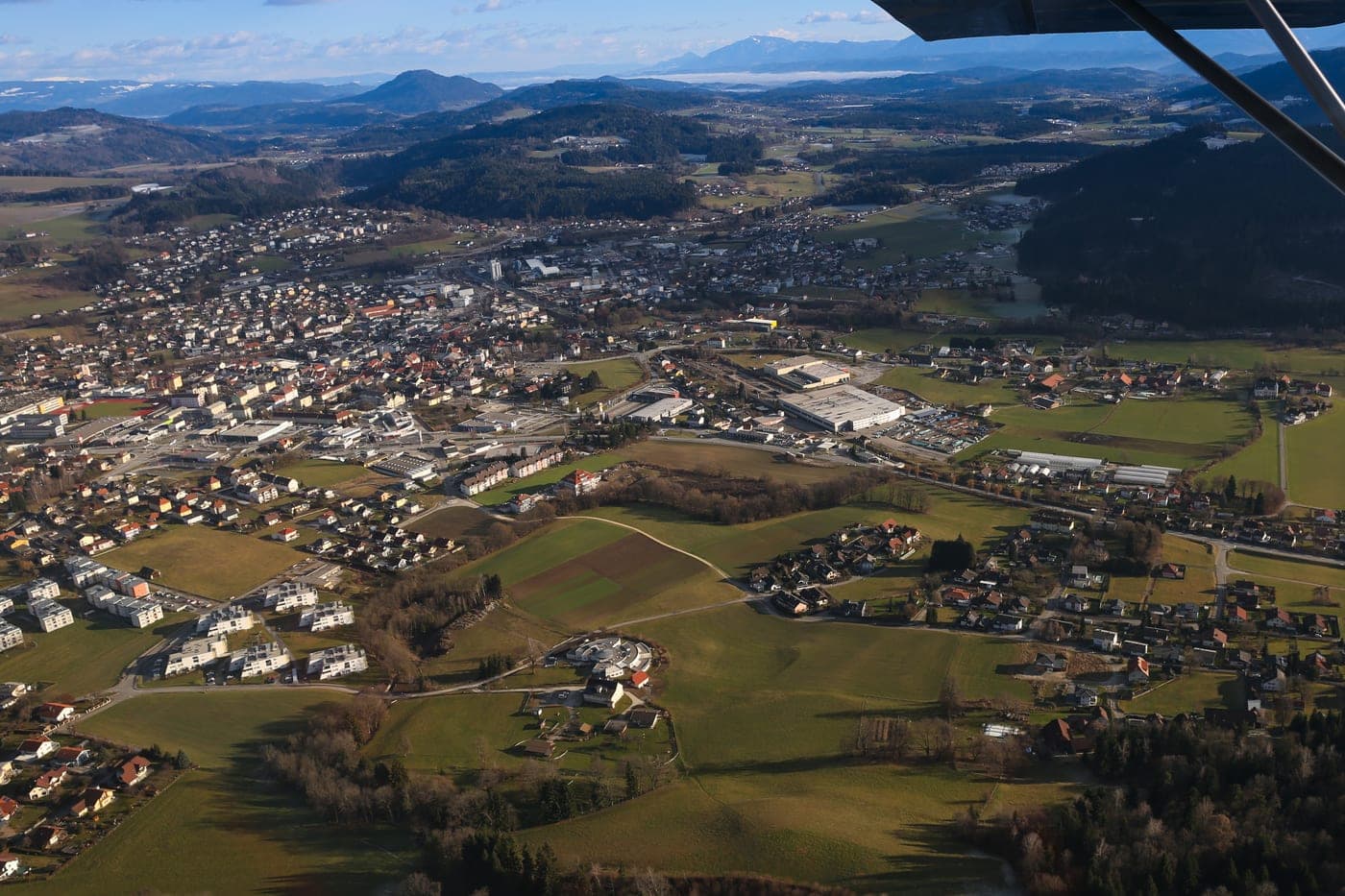
Feldkirchen in Kärnten
Charming village near lakes, known for outdoor sports and local cuisine.
Wine TastingHiking
 Castles
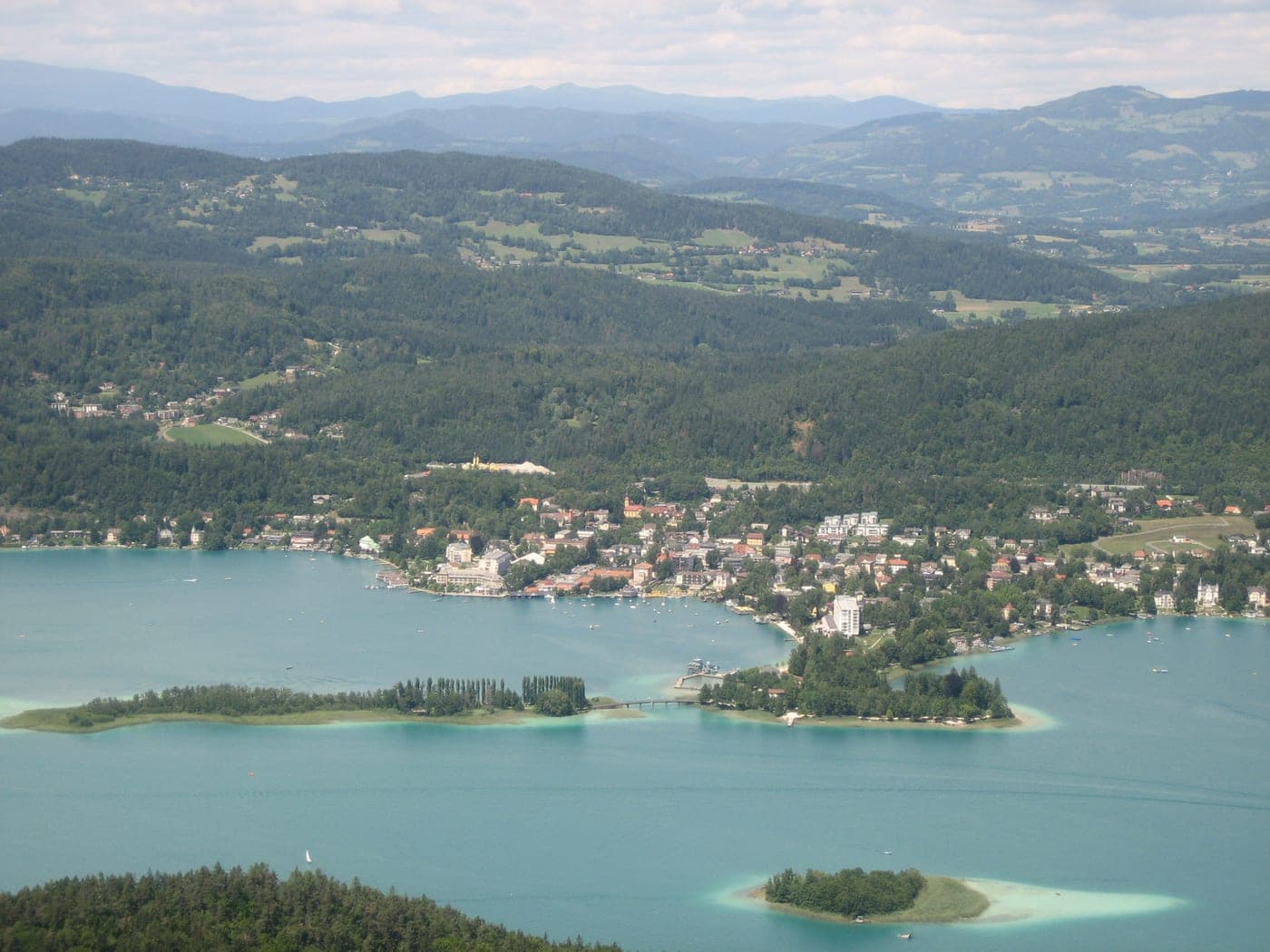
Pörtschach am Wörthersee
Belle Époque lakeside resort on the Wörthersee where Brahms composed, lined with elegant villas and a historic castle hotel in its centre.
CastlesHiking Castles
Velden am Wörthersee
Glamorous lakeside resort at the western end of the Wörthersee, built around a 17th-century castle that is now one of Austria's most celebrated luxury hotels.
Castles
1 region
 Wine Tasting7 destinations
Carinthia
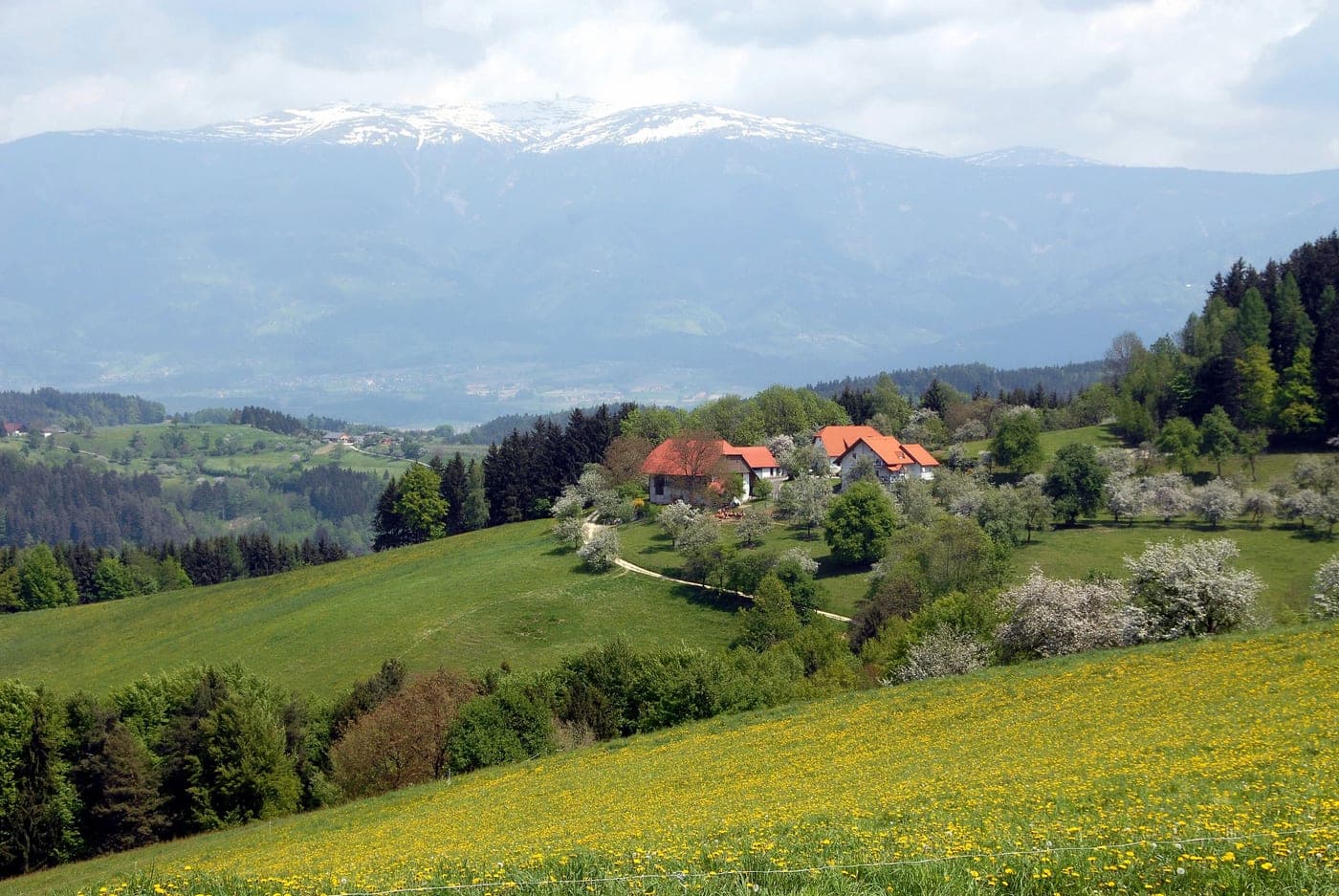
Carinthia, Austria's southernmost region, is renowned for its stunning lakes and mountains. The largest lake, Wörthersee, is famous for its turquoise waters and vibrant summer festivals. Klagenfurt, the capital, features the historic Lindwurm fountain and a beautiful old town. The region boasts rich Slavic heritage, reflected in its cultural events and cuisine, such as hearty stews and local cheeses. Nature enthusiasts will appreciate the Nockberge National Park, offering scenic hiking trails. Carinthia also has a unique blend of Italian and Austrian influences, evident in its architecture and gastronomy, making it a fascinating area for deep exploration.
Wine TastingHikingCastles