Räksmörgås (shrimp sandwich)
A buttery open sandwich piled with North Sea prawns and dill
- Local name
- Räksmörgås
- Best eaten at
- A Gothenburg harbour café
- Pairs with
- Swedish lager or white wine
What it is
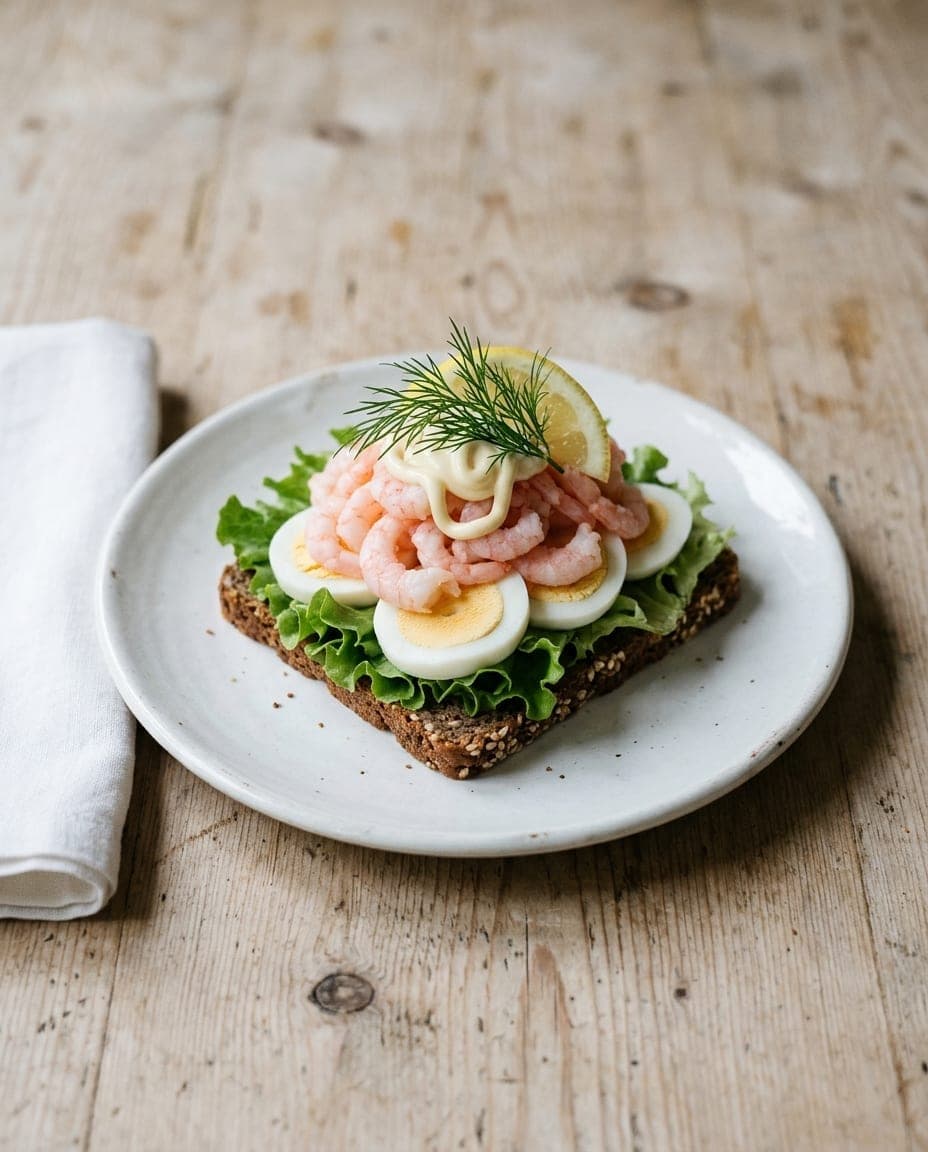
Räksmörgås is the quintessential open sandwich of western Sweden, a dish that turns simple ingredients into a substantial meal through sheer abundance. It consists of a slice of firm white bread, generously spread with butter, topped with crisp lettuce, slices of hard-boiled egg, a layer of mayonnaise and a towering heap of small, peeled cold-water shrimp, finished with fresh dill and often a squeeze of lemon. Unlike the modest smörgåsbord canapé, this is a full lunch plate, heavy enough to require a knife and fork rather than hands.
The dish belongs firmly to the city of Gothenburg and its surrounding coast, where the waters of the North Sea and the Skagerrak provide the specific shrimp that define its character. It is not merely a snack but a cultural touchstone, representing a moment of leisure in a busy day. The sheer volume of toppings gives the sandwich a reputation for indulgence, yet it remains a daily staple for many locals who seek a hearty midday meal without leaving their workplace or home.
Where it comes from
The origins of the räksmörgås are tied to the fishing heritage of Västra Götaland rather than a single invention. As Gothenburg grew into Sweden's second-largest city and primary port, the abundance of fresh North Sea prawns made them an accessible luxury for the working class and the merchant elite alike. Over time, piling shrimp onto bread became a standard offering in fish markets and seaside cafés.
The dish reflects the geography of the region. The cold waters of the Skagerrak produce small, sweet prawns that are distinct from those found further south or in warmer seas. This local availability meant that the sandwich flourished in Gothenburg and the fishing harbours of the Bohuslän coast. It is now served in cafés and konditorier all over Sweden, but the west coast still claims it as its own.
The shrimp are usually served chilled, often straight from the ice bin at a fishmonger or a dedicated seafood counter. The cold temperature is essential to the texture and the way the mayonnaise holds together under the weight of the toppings. While variations exist, the core concept remains unchanged: a generous portion of local catch presented on bread with minimal fuss.
What goes into it
There is no single official recipe, but the structure of a proper räksmörgås follows a strict visual and textural logic. The base is usually a slice of white bread, typically a firm variety that does not soak up too much moisture immediately. A thick layer of butter covers the bread, acting as a barrier against sogginess.
- Lettuce: Usually a crisp variety such as iceberg or cos, placed on the butter to add crunch and freshness.
- Hard-boiled egg: Sliced into rounds that cover the lettuce, providing a creamy texture and protein.
- Mayonnaise: A generous layer spread over the egg to bind the ingredients together.
- Peeled shrimp: The star of the show, piled high in the centre. These are small North Sea prawns, often referred to as räkor in Swedish.
- Fresh dill: Sprinkled liberally over the top for a distinct herbal aroma.
- Lemon: Squeezed just before serving to brighten the flavour of the seafood.
Better versions add a spoonful of löjrom, the orange bleak roe, for salt and colour. The final result is a towering stack that looks precarious but holds together well when cut carefully. It is a dish where quality matters; poor-quality mayonnaise or old bread ruins the balance.
How it is eaten
The räksmörgås is above all a lunch dish. The height of the sandwich means it cannot be held in one hand, so diners use a knife and fork to cut through the layers. It is common to see people cutting the bread into quarters or smaller pieces as they eat, keeping the toppings intact on each bite.
The usual setting is a café by the harbour in Gothenburg, or in one of the fishing villages up the Bohuslän coast, where the shrimp boats tie up.
The dish pairs naturally with a cold Swedish lager or a crisp white wine. The acidity of the drink cuts the fat of the mayonnaise and butter. It is not a dish for a quick bite on the go; it demands a seat, a moment of pause and perhaps a conversation.
The language of ease
In Sweden, the räksmörgås carries a specific cultural weight beyond its taste. There is an idiom, att glida in på en räkmacka, that describes someone who got somewhere easily as having "slid in on a shrimp sandwich". The phrase suggests a reward reached without the usual effort, through luck or advantage. The image evokes the idea of a wealthy individual arriving at a gathering without effort, perhaps carried by the very abundance the dish represents.
This association has made the shrimp sandwich a symbol of comfort and privilege in the Swedish imagination. Yet, it is also accessible to anyone who can afford the ingredients on a market day. The duality of the dish reflects the broader Swedish approach to food: high quality, simple preparation, but often enjoyed with a sense of occasion.
Curious facts
- A regional identity. While open sandwiches exist across Scandinavia, the shrimp version is most closely associated with the Swedish west coast.
- Cold water origin. The shrimp used are specifically from the North Sea and Skagerrak, where cold currents give them a firmer texture and sweeter taste than warmer varieties.
- Knife and fork. The pile is too tall and too loose to lift, so it is eaten from the plate like a dish rather than a sandwich.
- A lunch tradition. It is rarely served as an evening meal or a starter, reserved almost entirely for the midday break.
Where to try it
Gothenburg, at a café near the harbour or at Feskekörka, the 1874 "fish church" that once housed the city's fish market. The harbours up the Bohuslän coast do the same thing with the boats in view.
The variable is the shrimp: hand-peeled and cold, or machine-peeled and watery. The price difference is visible on the menu and audible in how the order is taken.
Where to try it
2 destinations
 Boat Rentals
Gothenburg
Sweden's second city with canals, seafood, and west coast charm.
Boat RentalsCamper Van Rentals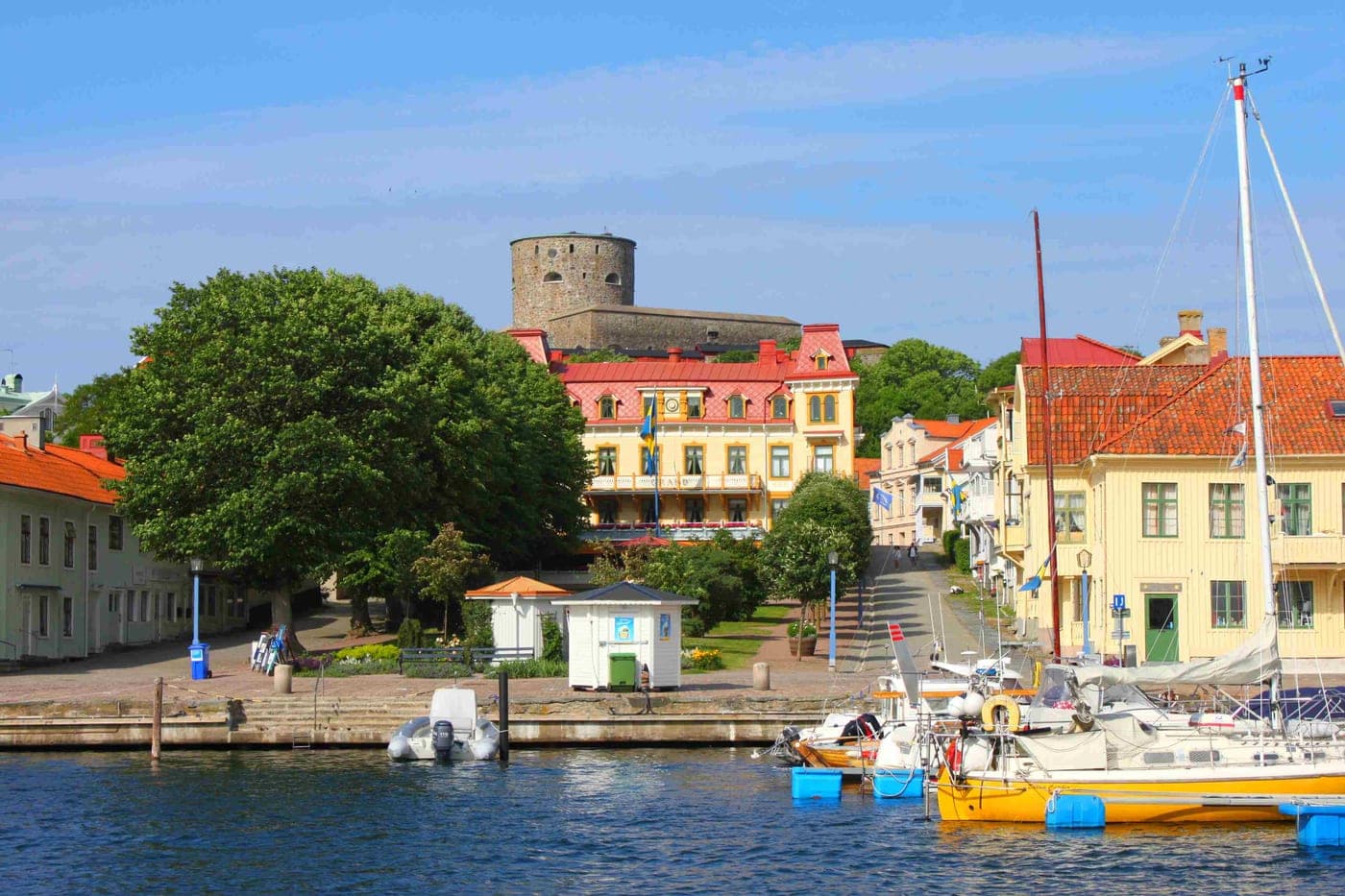 Boat Rentals
Marstrand
Historic island town famous for sailing, with boat rentals and prestigious regattas.
Boat RentalsHiking
1 region
 Boat Rentals4 destinations
Västra Götaland
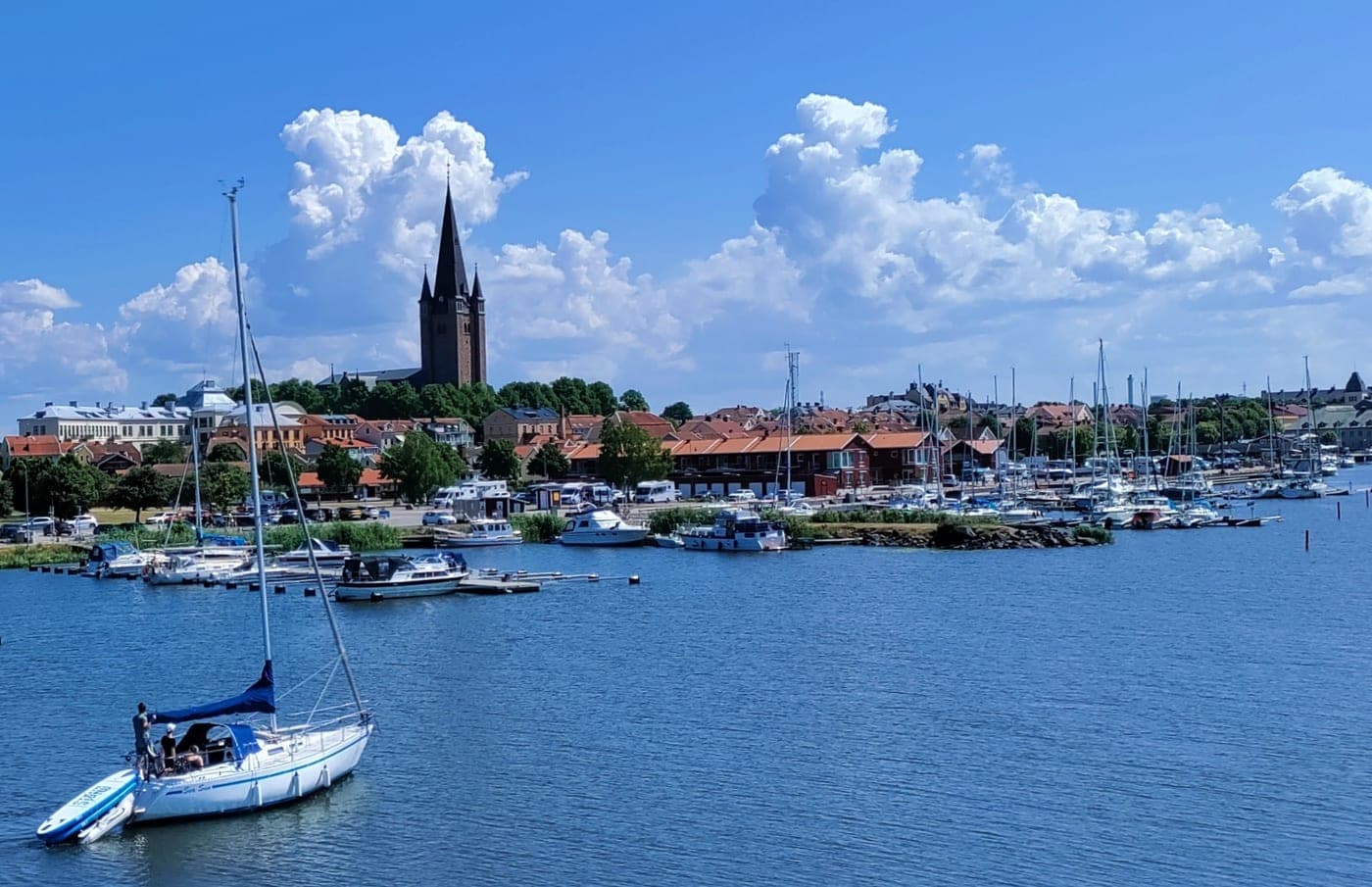
Västra Götaland is Sweden's largest region, known for its diverse landscapes and coastline along the Kattegat Sea. Gothenburg, the region's sole major city, boasts a vibrant cultural scene, notable for its seafood gastronomy and historic canals. The archipelago is a highlight, featuring over 8,000 islands, where visitors can explore fishing villages and enjoy local seafood. The region also hosts several historic towns like Lödöse, steeped in medieval history. Nature lovers can hike in Dalsland's forests or visit the picturesque Lake Vänern, the largest lake in Sweden. Västra Götaland is recognized for its craft traditions, including glassblowing and ceramics, providing a rich cultural tapestry for exploration.
Boat RentalsHikingCamper Van Rentals