Kanelbulle
A cardamom-scented cinnamon bun topped with pearl sugar
- Vegetarian
- Local name
- Kanelbulle
- Served with
- Coffee
- Best eaten at
- A Swedish fika café
- Pairs with
- Coffee
What it is
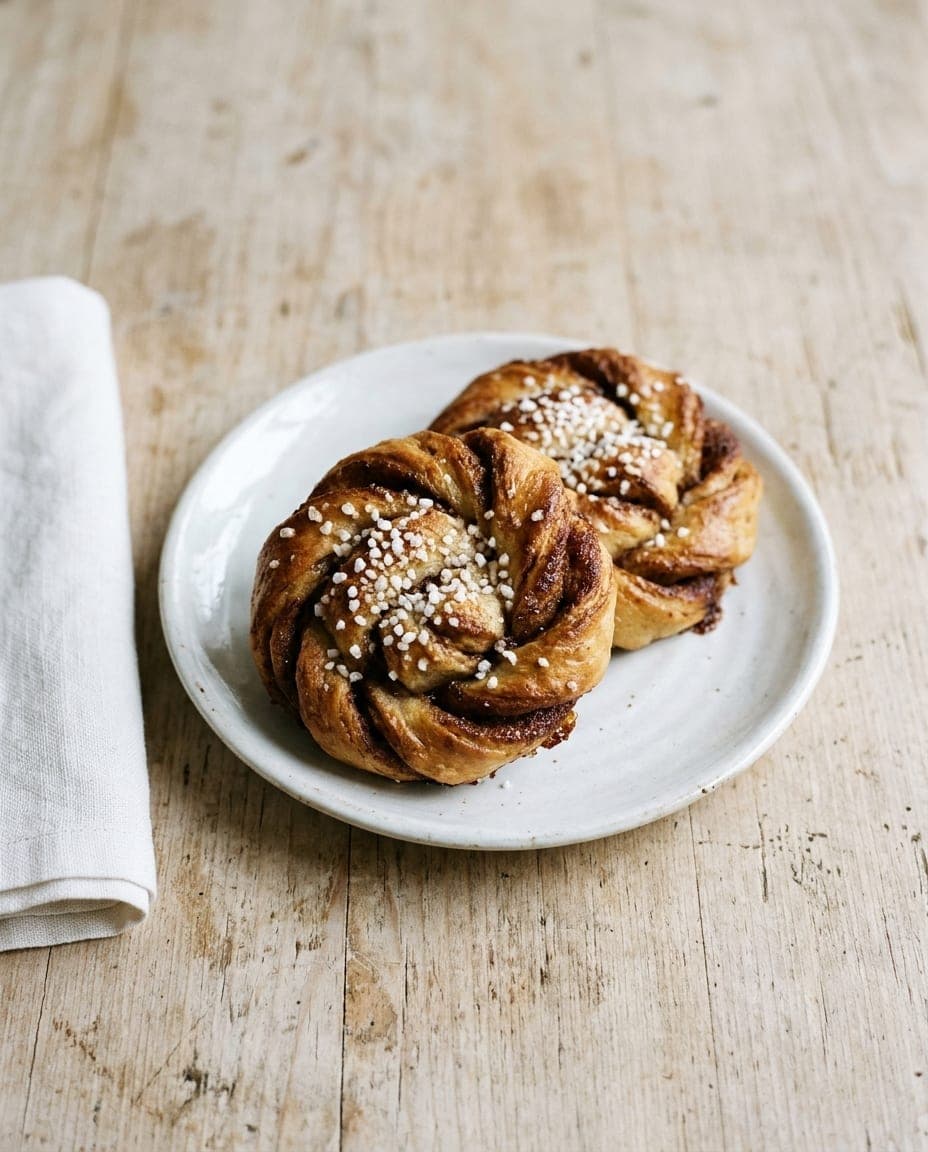
The kanelbulle is a yeasted wheat pastry, usually scented with ground cardamom, rolled with butter, sugar and cinnamon, then baked until golden. It appears in two main forms across Sweden: the flat spiral, cut from a roll of filled dough, and the knot, twisted from a strip of it. The defining feature is not an icing or glaze, as found on many North American or European cinnamon buns, but a scattering of coarse pearl sugar that keeps its shape in the oven and gives a sweet, crackling crust.
This pastry is the centre of fika, the Swedish coffee break that functions as a social institution rather than a quick snack. A fika involves sitting down with coffee and at least one kanelbulle, often shared with colleagues or family. The bun is not merely a dessert but a pause in the day, a moment dedicated to conversation and rest. While variations exist, the cardamom scent is the signature most Swedes expect, and the clearest thing that separates the Swedish version from cinnamon rolls found elsewhere.
The origins of the cardamom bun
The kanelbulle as known today emerged in the early twentieth century, becoming a staple in Swedish homes during the 1920s. This shift coincided with a period when wheat flour and refined sugar became more affordable for the average household, moving sweet baked goods from special occasions to everyday fare. The recipe relied on basic ingredients that were readily available: wheat flour, yeast, milk, butter, sugar, cinnamon and ground cardamom.
The use of cardamom in Swedish baking has deep roots, introduced to the country through trade routes long before the bun itself was standardised. By the time the kanelbulle became a household name, the spice had become so associated with Swedish sweetness that its absence would feel strange. The specific method of rolling the dough with butter and sugar, then cutting it into shapes, reflects broader European baking traditions but was adapted to local tastes and available ingredients.
No town claims it and no baker is named. It appeared in home kitchens across the country at roughly the same time and for the same reason, which is why it belongs to everywhere in Sweden equally.
The ritual of fika
Fika is more than a coffee break; it is a scheduled pause that happens at least once a day in many Swedish homes and workplaces. The word is usually explained as back-slang: the syllables of kaffi, an old form of kaffe, reversed. During fika, people sit down, often with a companion, to drink coffee and eat something sweet. The kanelbulle is the most common accompaniment, though other pastries like semlor or kladdkaka may also appear.
The rule is that it is sat down for. A chair is pulled up and a cup set down; it is not done walking. Swedish workplaces schedule it, often twice a day, and cafés fill accordingly in the morning and the middle of the afternoon.
What goes into it
The ingredients for a traditional kanelbulle are few but specific. The dough is made from wheat flour, yeast, milk, sugar and salt, kneaded until smooth and elastic. The filling is softened butter beaten with sugar and ground cinnamon, spread over the rolled-out dough before it is cut.
The element that most distinguishes the kanelbulle is the ground cardamom that most bakers add to the dough itself. This spice provides a warm, floral note that cuts through the sweetness of the sugar and the fat of the butter. Without cardamom, the pastry is much closer to a generic cinnamon roll. The pearl sugar on top is made of hard, compressed sugar grains that survive baking, giving a crunchy finish rather than dissolving.
The shape varies by baker and region. Some bakers twist the dough into a loop or knot, creating a braided appearance. Others cut the dough into simple rounds or spirals. The bun is often baked in individual paper cases, which help maintain its shape and make it easy to handle. The result is a soft, fluffy interior with a sweet, spiced crust that holds together well.
How it is eaten
The kanelbulle is best eaten warm, fresh from the oven or gently reheated. It is typically held in the hand while coffee is sipped from a cup. The texture is soft and yielding, with the pearl sugar providing a slight crunch on the surface. The cardamom aroma rises as the bun warms, filling the air of the café or kitchen.
It arrives on a small plate and is eaten whole or broken in half, with black coffee beside it. The bitterness of the roast against the cardamom is much of the reason the two are so often ordered together.
Kanelbullens dag
Every year on 4 October, Sweden celebrates Kanelbullens dag, or Cinnamon Bun Day. This date was established in 1999 by the Swedish Home Baking Council as a marketing initiative to promote home baking and coffee culture. Despite its commercial origins, the day has become widely embraced across the country. Bakeries offer special promotions, schools hold baking activities, and people share photos of their buns on social media.
It was invented to sell home baking and it worked completely: bakery windows are given over to it, offices put on trays of buns, and nobody treats the date as a marketing exercise any more.
Curious facts
- The cardamom habit. Most Swedish recipes put ground cardamom in the dough, and many Swedes consider a bun without it a lesser thing.
- Pearl sugar texture. The coarse pearl sugar on top does not melt in the oven, leaving a crunchy finish.
- The knot tradition. Many bakers twist the dough into a loop or knot before baking, creating a shape that is distinct from the round buns found in other countries.
- Fika is in the timetable. Many Swedish workplaces schedule the break into the day, sometimes twice, and it is taken sitting down.
- No icing required. Unlike many Western cinnamon buns, the kanelbulle relies on pearl sugar for sweetness rather than a glaze or cream cheese frosting.
Where to try it
The best place to experience a kanelbulle is in a traditional Swedish café, particularly one that specialises in fika. In Stockholm, neighbourhood cafés often pride themselves on their cardamom buns, with recipes passed down through generations. The city's café culture offers a wide range of options, from small bakeries to larger chains, all serving the essential pastry.
Bakeries across the country have their own long-standing versions. The thing that separates a good counter from a poor one is turnover: buns baked that morning rather than delivered in a box.
Where to try it
1 destination
 Boat Rentals
Nacka
Scenic coastal town known for its archipelago, modern art, and nature trails.
Boat Rentals
1 region
 Boat Rentals1 destination
Östergötland
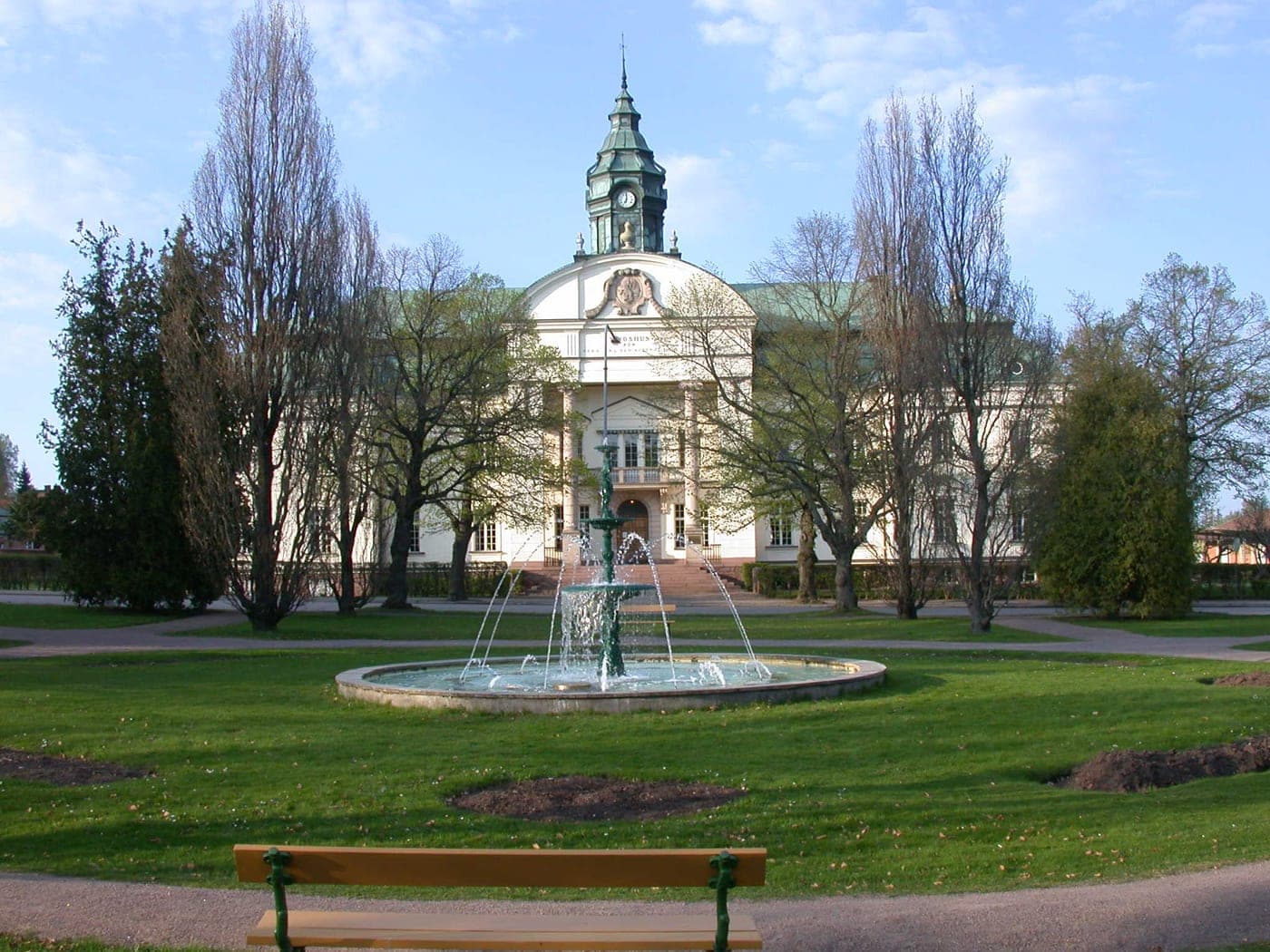
Östergötland, a historically rich region in Sweden, is famous for its diverse landscapes, from lush forests to the picturesque archipelago. Linköping, the largest city, features a stunning cathedral and a vibrant cultural scene. Norrköping, known for its industrial heritage, offers unique architecture and museums. This region boasts the only section of the Göta Canal that is accessible from the coast, providing opportunities for scenic boat trips. Östergötland is also known for its local cuisine, including renowned cheese and fish dishes. The area is dotted with charming small towns like Vadstena, home to a medieval castle and monastery, making it ideal for exploring history and nature at a leisurely pace.
Boat RentalsHiking