Kivik apples and cider
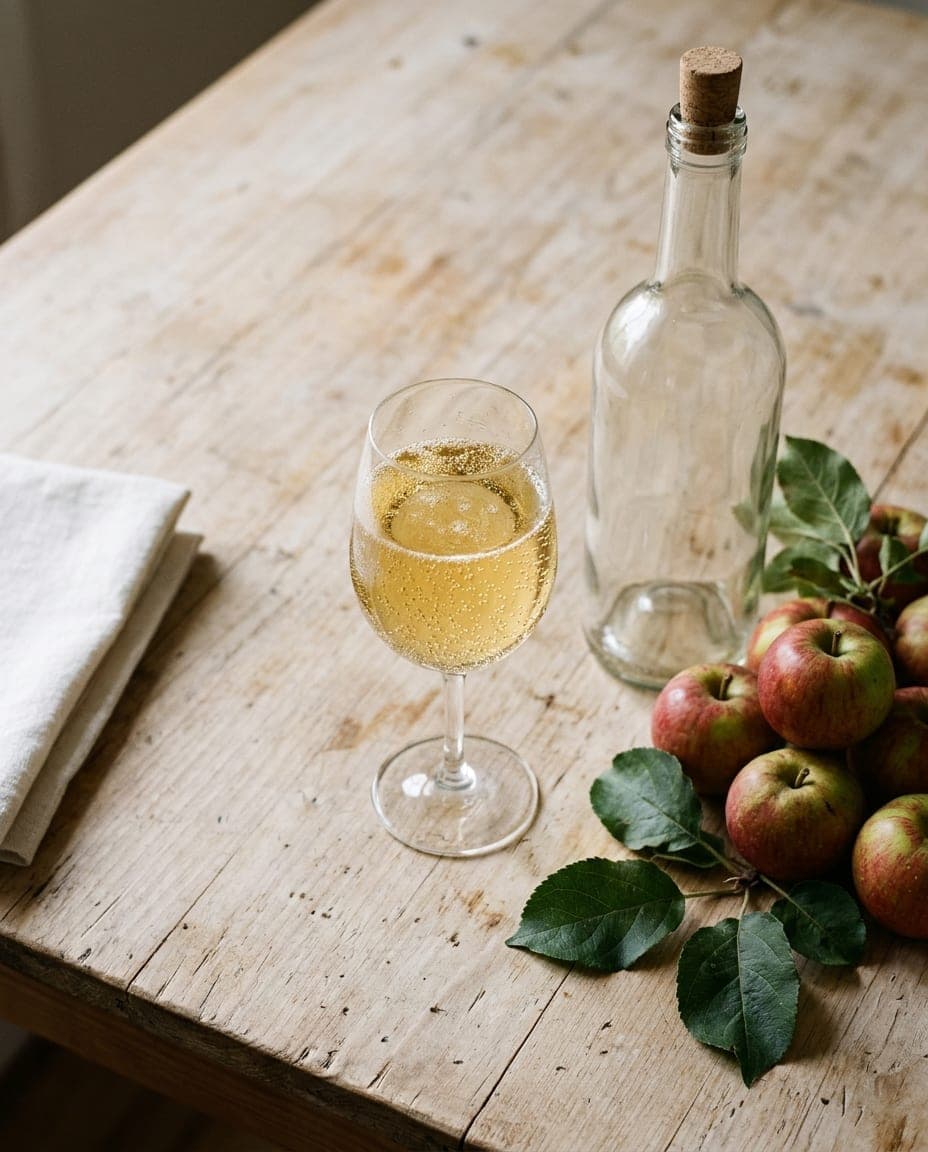
Chilled cider from Kivik's Österlen orchards
- Alcoholic
- Local name
- Kiviks äpplen och cider
- Served
- Chilled
- Best eaten at
- Kivik orchard farm shop
- Pairs with
- Cheese, apple desserts
What it is
Kiviks äpplen och cider are the defining produce of Kivik, a small town on Österlen, the south-eastern corner of Sweden's Skåne region. Here, apple orchards stretch from the inland fields down to the Baltic coast, creating a landscape where the trees are as prominent as the sea. The fruit harvested here is pressed into two main forms: a fresh, cloudy juice and a fermented cider that ranges from soft, low-alcohol versions to dry, crisp table ciders.
This is not a nationwide staple but a regional speciality tied strictly to the microclimate of Österlen. Growers put the character of the fruit down to the soil and to the sea air; what is beyond argument is that Skåne grows the great majority of Sweden's apples, much of them on Österlen. While apple growing exists throughout Skåne, Kivik remains the heart of the industry, where the harvest from September flows directly into the local presses. The result is a drink that tastes deeply of the place it comes from, offering a sharp, clean flavour that reflects the cool coastal air and the long summer days.
The rhythm of the orchards
The story of Kivik apples begins in May when the trees burst into white blossom, a sight that draws visitors to the district even before the fruit is ready. By September, the orchards are heavy with ripe fruit, and the harvest becomes the central activity of the local community. Unlike large industrial operations, many of these orchards remain family-run, where the same families have tended the land for generations.
In late September, Kivik holds its apple market (Äppelmarknaden) in the harbour, a harvest festival that draws tens of thousands of visitors. It is here that the connection between the land and the drink becomes clear. Much of the fruit is pressed close to where it grows, at the farms or at the long-established cider house in Kivik itself. This short journey from tree to bottle ensures that the juice retains its natural cloudiness and the cider keeps its fresh, varietal notes.
What goes into it
The production of Kiviks äpplen och cider relies on a specific set of apples grown in Österlen, though the exact varieties shift depending on the orchard owner's preference and the weather conditions of that year. The pressing process is straightforward but demands care to preserve the fruit's integrity.
- Fresh apple juice: Cloudy and unfiltered, this is often made from a blend of sweet and tart apples. It is usually sold in large bottles or jugs at the farm shops and contains no added sugar or preservatives.
- Fermented cider: The same apple must is fermented to create alcohol. Cider has been made commercially in Kivik since 1969, and alongside the sweeter styles producers now make dry versions that are crisp and aromatic.
- Lighter cider: Sweeter, lower-alcohol and alcohol-free versions are also widely made, with a light fizz.
The drink is served chilled, which sharpens its acidity and makes it particularly refreshing on a warm day. It is not a dessert wine but a table beverage meant to accompany food or be enjoyed on its own. Where no sugar is added, the taste depends entirely on the quality of the apples used that year.
How to drink it
The juice and the cider are sold at the farm shops along the orchard roads, straight from the press, with crates of fruit stacked beside the counter.
The sharpness of the cider cuts the fat of aged cheeses, while the sweet juice complements baked apples or tarts made from the same fruit. A glass of the dry version works well as an aperitif before a meal, while the soft cider suits a casual afternoon snack.
The juice is at its best within days of pressing and is sold that way through the autumn.
Curious facts
- A coastal climate. The proximity to the Baltic Sea moderates the temperature in Skåne, protecting the trees from early frosts and allowing the apples to ripen slowly on the coast.
- Local and national. Kivik's largest cider maker sells across Sweden, but the small farm-gate pressings rarely leave the district.
- No added sugar. Farm-pressed juice relies solely on the natural sugars in the fruit, meaning the sweetness varies with the harvest each year.
- The market tradition. The apple market in Kivik's harbour is a long-standing harvest festival where growers sell their crop directly to neighbours and visitors.
Where to try it
The farm shops along the orchard roads in and around Kivik, where the fruit is pressed on the premises and the signs at the gate say what is being picked that week.
The season runs from the blossom in May, which brings people out to look at the trees, to the apple market at the end of September, when the whole district turns out. Cider and juice are sold all year; the point of going in autumn is that the press is working while the buying happens.
Where to try it
1 region
 Boat Rentals3 destinations
Skåne
Skåne, Sweden's southernmost region, is known for its diverse landscapes, from sandy beaches to rolling farmland. Malmö is the largest city, famous for its modern architecture and vibrant cultural scene, while Lund boasts a historic university and medieval charm. The region features a unique blend of Danish influence and Swedish traditions, evident in its cuisine, particularly in the use of locally sourced ingredients and seafood. Skåne is also home to the scenic Öresund Strait and picturesque coastal towns like Ystad, known for its medieval streets. The area hosts several local craft markets and food festivals, providing authentic experiences beyond typical tourist attractions. The Skåne Trail offers stunning hiking routes through its varied terrains, allowing for deeper exploration of this culturally rich region.
Boat RentalsHikingCamper Van Rentals