Tortillitas de camarones
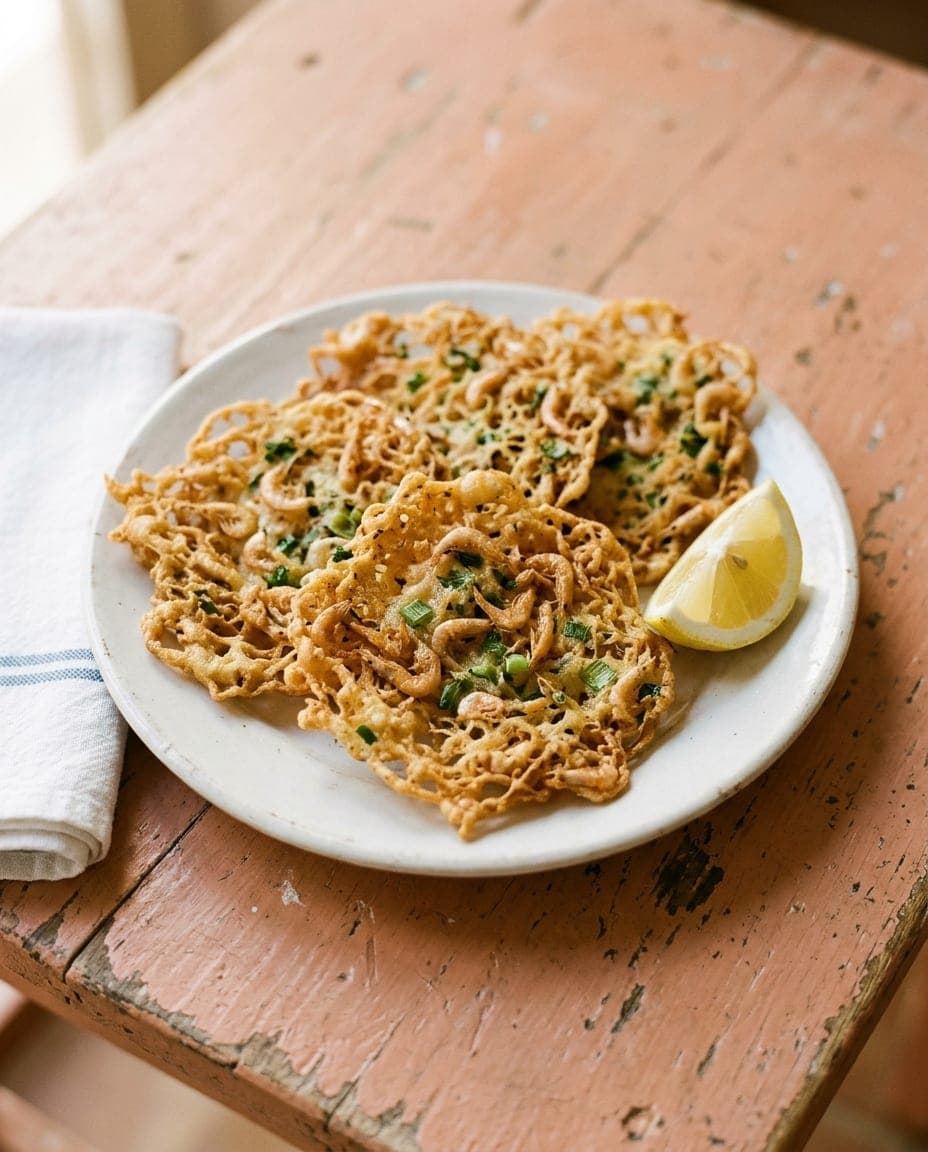
Crisp lacy fritters of tiny shrimp, chickpea flour and onion from Cádiz
- Local name
- Tortillitas de camarones
- Served with
- Lemon
- Best eaten at
- A Cádiz or Sanlúcar tapas bar
- Pairs with
- Manzanilla sherry
What it is
Tortillitas de camarones are small, delicate fritters from the coast of the province of Cádiz in Andalusia, with Cádiz and San Fernando both claiming them. They are not a national dish found everywhere in Spain, but a local speciality tied closely to the Bay of Cádiz and to Sanlúcar de Barrameda. The name translates literally as "little tortillas of shrimp", though they look nothing like the thick corn cakes of Mexico. Instead, they are thin, lacy discs that shatter at the touch, resembling golden lace doilies made from edible ingredients.
The dish is defined by its texture and the specific size of its main ingredient. The batter is loose and runny, designed to spread thinly when dropped into hot oil. Once cooked, the result is a crisp, airy fritter that dissolves in the mouth. The key to this texture lies in the mix of chickpea flour with wheat flour, which gives the dish its characteristic nutty flavour and shattering snap, rather than the soft chewiness of wheat flour alone.
The defining element is the camarones themselves. These are not the large prawns often found on menus elsewhere. They are tiny shrimp, usually the local Palaemon species known simply as camarón, fished in the estuaries, salt marshes (esteros) and tidal channels around the Guadalquivir mouth and the Bay of Cádiz. The entire creature is used, including the head and shell, which provides a concentrated briny taste that permeates the whole fritter.
The making of the lace
The preparation relies on technique rather than complex equipment. A loose batter is created using chickpea flour, a small amount of wheat flour for structure, water, finely chopped spring onion and fresh parsley. The fresh shrimp are folded in just before cooking. The mixture is spooned into plenty of very hot olive oil, where it spreads instantly into a flat, wide disc, and is turned once to crisp both sides.
The heat of the oil is critical to the outcome. If the oil is not hot enough, the batter absorbs too much fat and becomes thick and greasy rather than thin and crisp. When done correctly, the fritter cooks in moments and turns golden. The shrimp remain whole within the lacy batter.
The dish is a product of the local geography and history. The esteros and estuaries supply the tiny shrimp, which are hard to find outside Andalusia. Some food historians link the fritter to the Genoese merchants who settled in Cádiz and their chickpea-flour farinata; it became well known in the 19th century, though it may be older, and early versions may have used vegetables or fish instead of shrimp.
How to eat it
Tortillitas de camarones are almost always eaten as a tapa, served straight from the frying pan while still hot. They are fragile and do not travel well on a plate, so they are often presented in a small basket or directly on a napkin. The traditional way to eat them is with the fingers, breaking off a piece of the lacy crust and letting it dissolve on the tongue.
The flavour is intense and salty, balanced by the sweetness of the tiny shrimp and the freshness of the onion and parsley. A wedge of lemon is always served alongside, allowing the diner to squeeze a little juice over the hot fritter before eating. This adds a bright acidity that cuts the fat of the oil and highlights the briny notes of the seafood.
The classic pairing is with a glass of cold Manzanilla sherry from Sanlúcar de Barrameda. This light, dry white wine, aged in oak barrels near the sea, complements the saltiness of the fritters perfectly. The combination of hot, crispy shrimp and cool, floral sherry is a staple of the local tapas culture.
Curious facts
- The shrimp are tiny. The camarones used are so small that peeling them is impractical, so they go into the batter whole.
- Chickpea flour is key. The nutty taste and shattering texture come from the use of chickpea flour, which distinguishes these fritters from other Spanish pescaíto frito.
- Served immediately. The dish loses its crispness within minutes, so it is traditionally eaten straight from the pan or a basket.
- Local to the coast. The local camarón is hard to find outside Andalusia, so versions made elsewhere with other shrimp taste different.
- A Genoese connection? Some historians trace the fritter to the Genoese community of Cádiz and its chickpea-flour farinata.
Where to try it
The best place to find authentic tortillitas de camarones is in a traditional tapas bar in Cádiz, San Fernando or Sanlúcar de Barrameda. These are not usually found in tourist-focused restaurants but in small neighbourhood bars where locals gather for a drink and a bite.
The experience is casual and unpretentious. One might stand at the counter or sit at a small table, eating the fritters quickly before they lose their crispness.
Where to try it
1 destination
 Wine Tasting
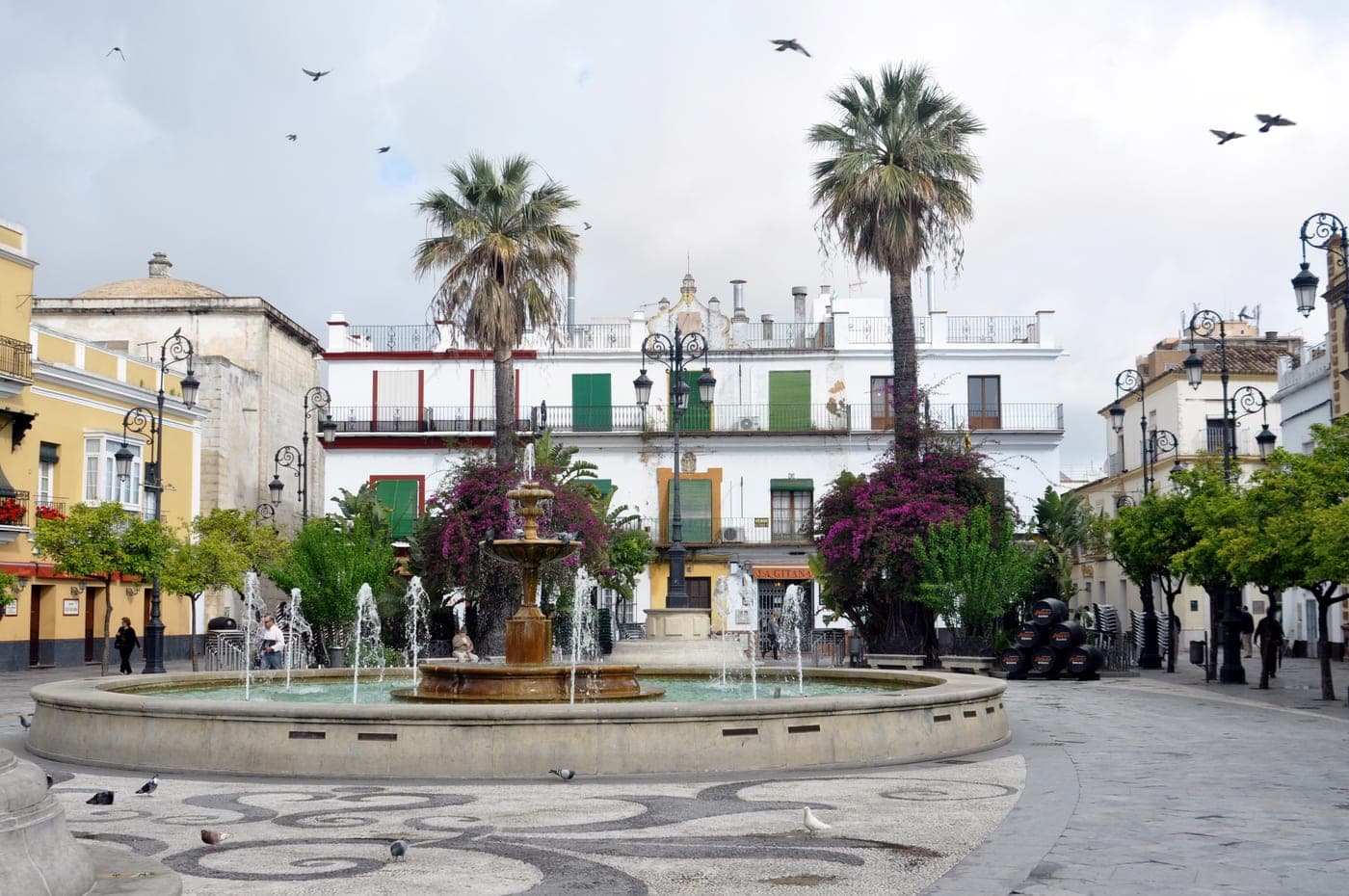
Sanlúcar de Barrameda
Coastal sherry town famous for Manzanilla wine and seafood gastronomy.
Wine TastingHiking
1 region
 Wine Tasting12 destinations
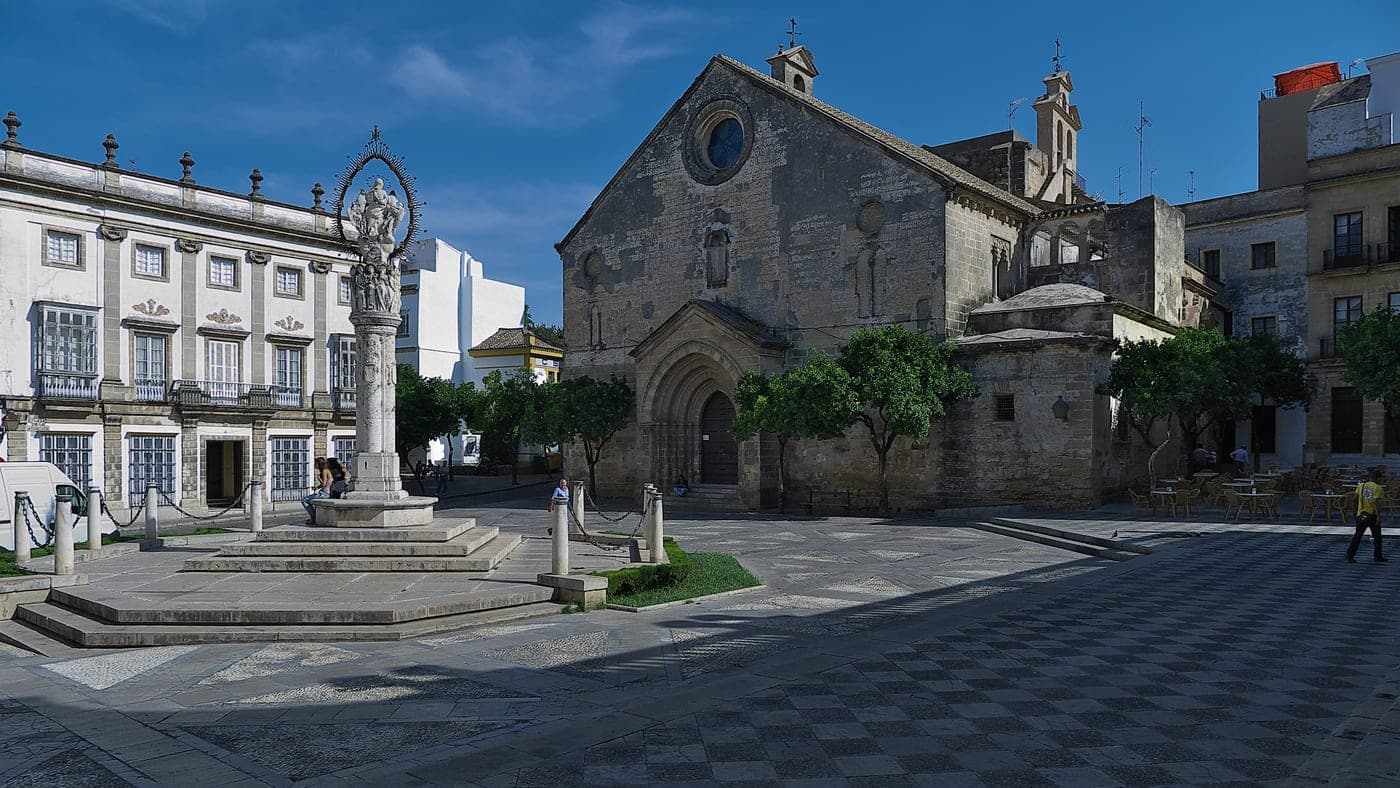
Andalusia
Andalusia stands as Spain's largest autonomous community, renowned for its diverse landscapes, from sun-soaked beaches to rugged mountains. The region is famed for its rich Moorish heritage, best exemplified in cities like Granada, home to the Alhambra, and Seville, known for its cathedral and flamenco culture. Cordoba boasts the stunning Mezquita, while Ronda captivates with its dramatic gorge. Unique local festivals such as Feria de Abril and Semana Santa highlight Andalusian culture. The region produces excellent wines, particularly from Jerez, and is the birthplace of tapas. Off the main tourist paths, towns like Grazalema and Mijas offer authentic experiences amid beautiful natural settings.
Wine TastingHikingLocal CuisineBoat Rentals





