Tortilla de Betanzos
The runny potato omelette from Betanzos that collapses on the plate
- Vegetarian
- Local name
- Tortilla de Betanzos
- Served with
- Bread
- Best eaten at
- A Betanzos bar
- Pairs with
- Galician white
What it is
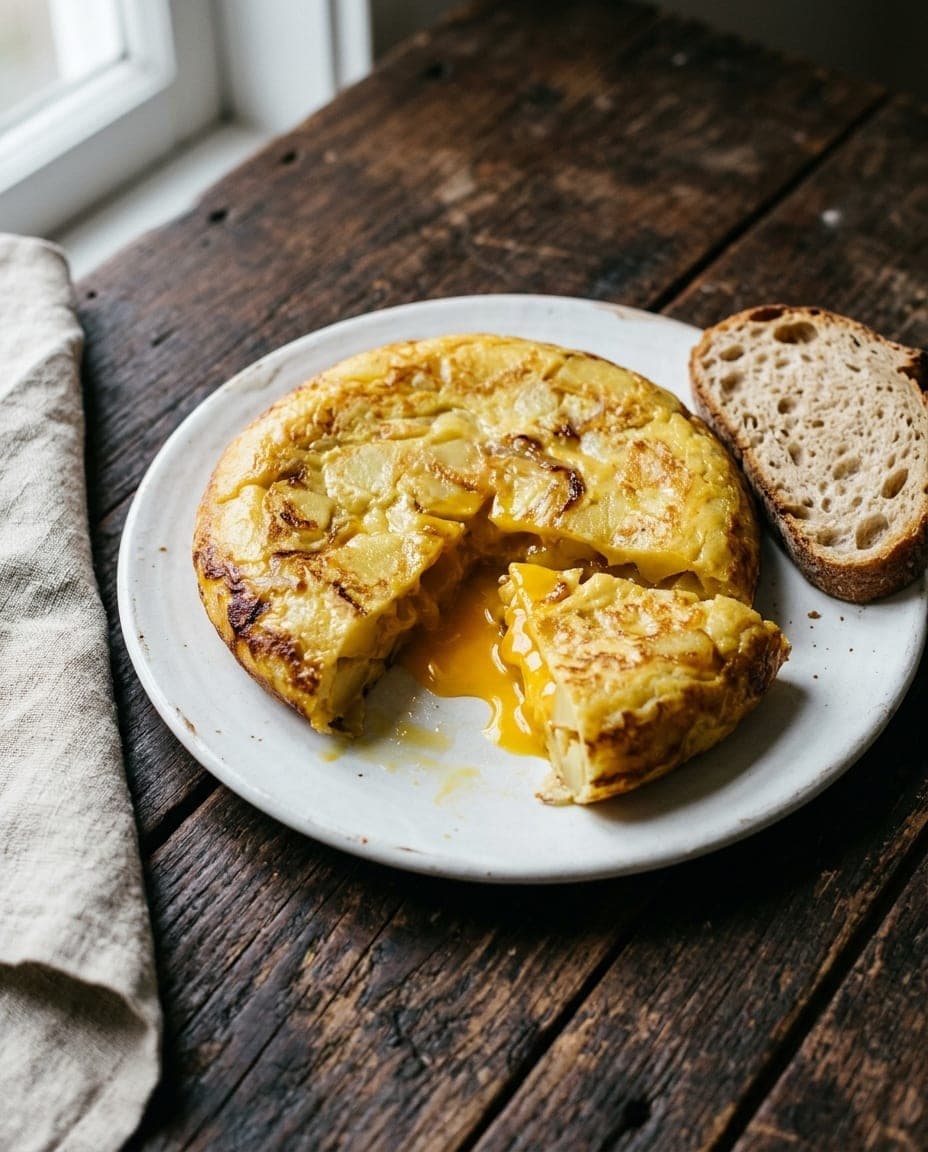
The tortilla de Betanzos is a specific variation of the Spanish potato omelette that hails from the town of Betanzos in the province of A Coruña, Galicia. While the standard version found across Spain is fully cooked with a firm, solid centre, this dish is defined by its opposite: it is barely set. The exterior holds together just enough to be cut, but the interior remains almost liquid, often running onto the plate at the first cut.
This is not a failure of cooking, but a deliberate style that Betanzos has claimed as its own. In the wider world of Spanish tortillas, the degree of doneness is a subject of endless debate. Some prefer it hard and dry; others seek a soft centre. Betanzos has settled the argument in favour of the runny. The dish arrives at the table with a glossy, golden surface that gives way to a pool of warm egg and potato when cut. It is deeply savoury and flavoured by the olive oil used to fry the potatoes slowly until they are soft.
The texture dictates how it is eaten, with bread on hand to catch the liquid centre as it escapes. The result feels closer to a warm custard than a firm omelette, yet it remains distinct from a French omelette thanks to its base of slowly fried potato.
The history of the runny style
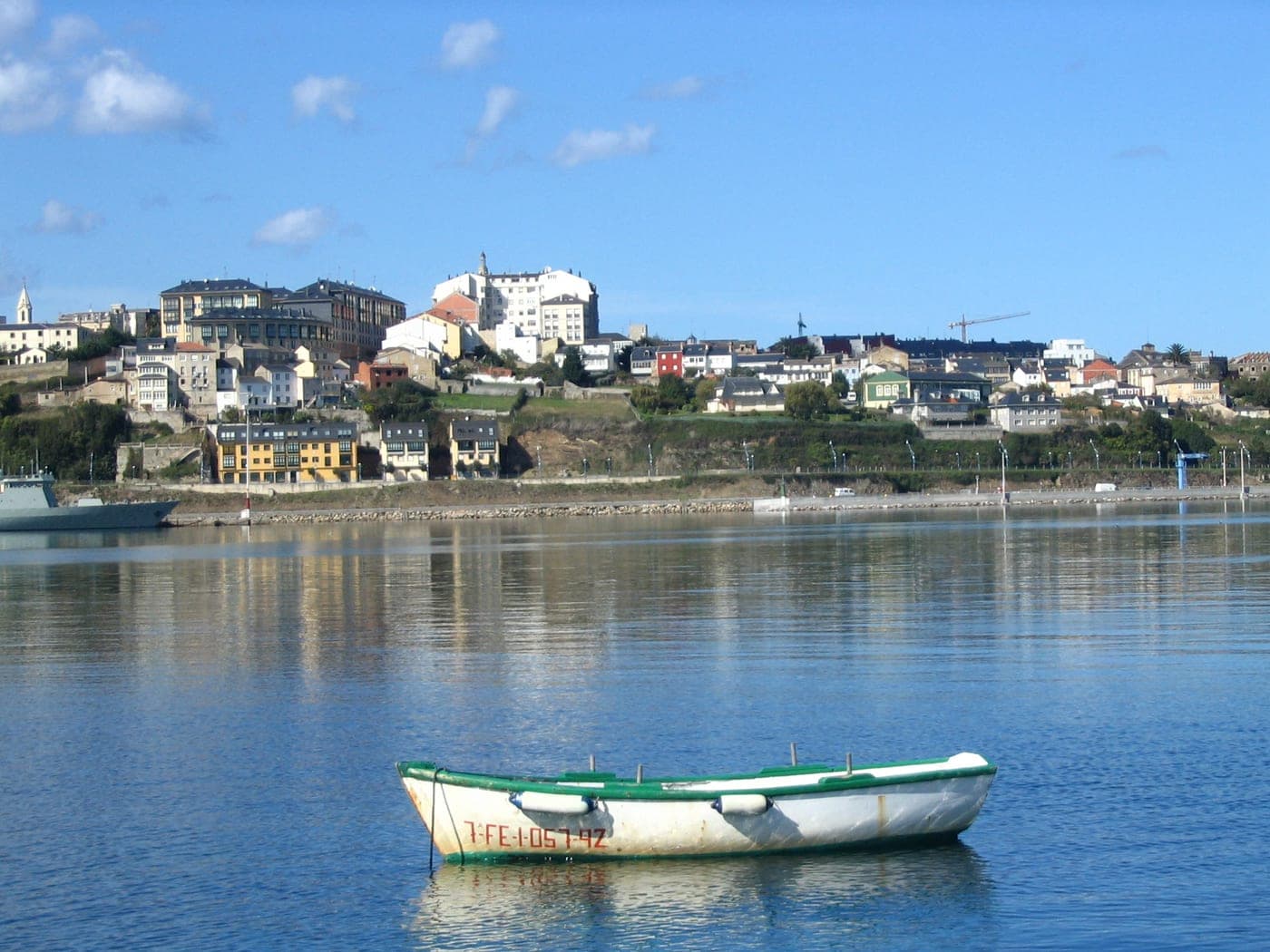
The story of the tortilla de Betanzos is less about a single inventor and more about a local preference that hardened into tradition. The town of Betanzos, set where the rivers Mandeo and Mendo meet at the head of its estuary in the province of A Coruña, has long been a place where food reflects the rhythm of daily life rather than grand culinary theory.
In the early days of the Spanish potato omelette, first documented in the late 18th century, there was no fixed rule for cooking time. The method depended on the heat of the stove and the patience of the cook. In Betanzos, however, a specific approach took hold: frying thinly cut potatoes in plenty of oil until they were meltingly soft, then combining them with beaten egg and cooking the mixture only briefly, with a single turn of the pan, so the centre stays loose.
This style became so associated with the town that it now carries its name. While other regions might serve a tortilla that holds its shape when lifted, the Betanzos version runs across the plate. The town celebrates it with an annual Semana da Tortilla, a tortilla week with a route of participating bars and a contest for the best tortilla of the year.
What goes into it
The ingredients are simple, but the technique requires attention to detail. There is no room for shortcuts when aiming for the perfect runny centre.
- Potatoes: Good local potatoes, sliced very thinly, then fried slowly in olive oil until they are soft rather than browned.
- Eggs: Fresh eggs are beaten with a pinch of salt and mixed with the cooked potatoes. Plenty of egg ensures a custard-like texture.
- Olive oil: A generous amount is used to fry the potatoes, which is then mostly drained before the egg is added, though some remains to keep the mixture moist.
- Onion: While many Spanish omelettes include caramelised onion, the Betanzos version is typically made without it. This allows the pure flavour of the potato and egg to dominate.
The lack of onion distinguishes this dish from many tortillas elsewhere in Spain. The focus remains entirely on the interplay between the soft potato and the runny egg, creating a texture that is both creamy and substantial.
How to eat it
The tortilla de Betanzos is almost always served as a main component of a meal or as a substantial tapa in a bar setting. It arrives hot, whole or in wedges that look solid from the outside but yields a river of liquid when cut. It is best eaten straight away, while the centre is still warm and flowing.
Bread is essential for this experience. A slice of crusty Galician bread is used to mop up the egg and potato mixture that escapes the wedge, ensuring nothing is wasted.
The dish pairs naturally with a glass of Galician white wine, such as an Albariño or a Loureiro. The crisp acidity of the wine cuts the fat of the oil and egg. In Betanzos itself, the best place to eat it is in a local bar, where the atmosphere is casual and the focus is on the food rather than the service.
Curious facts
- The collapse test. The defining feature of the dish is its tendency to run. If a wedge stands perfectly upright without any liquid seeping out, it is likely not the true Betanzos style.
- No onion rule. Unlike the majority of Spanish potato omelettes, which often include sweet caramelised onion, the authentic version from Betanzos usually omits it entirely to highlight the potato and egg.
- A regional border. While the dish is named after Betanzos, similar runny styles can be found in neighbouring towns, though few claim the specific title of Tortilla de Betanzos.
- A week of its own. Betanzos holds an annual tortilla week, the Semana da Tortilla, with a route of participating bars and a prize for the best tortilla.
Where to try it
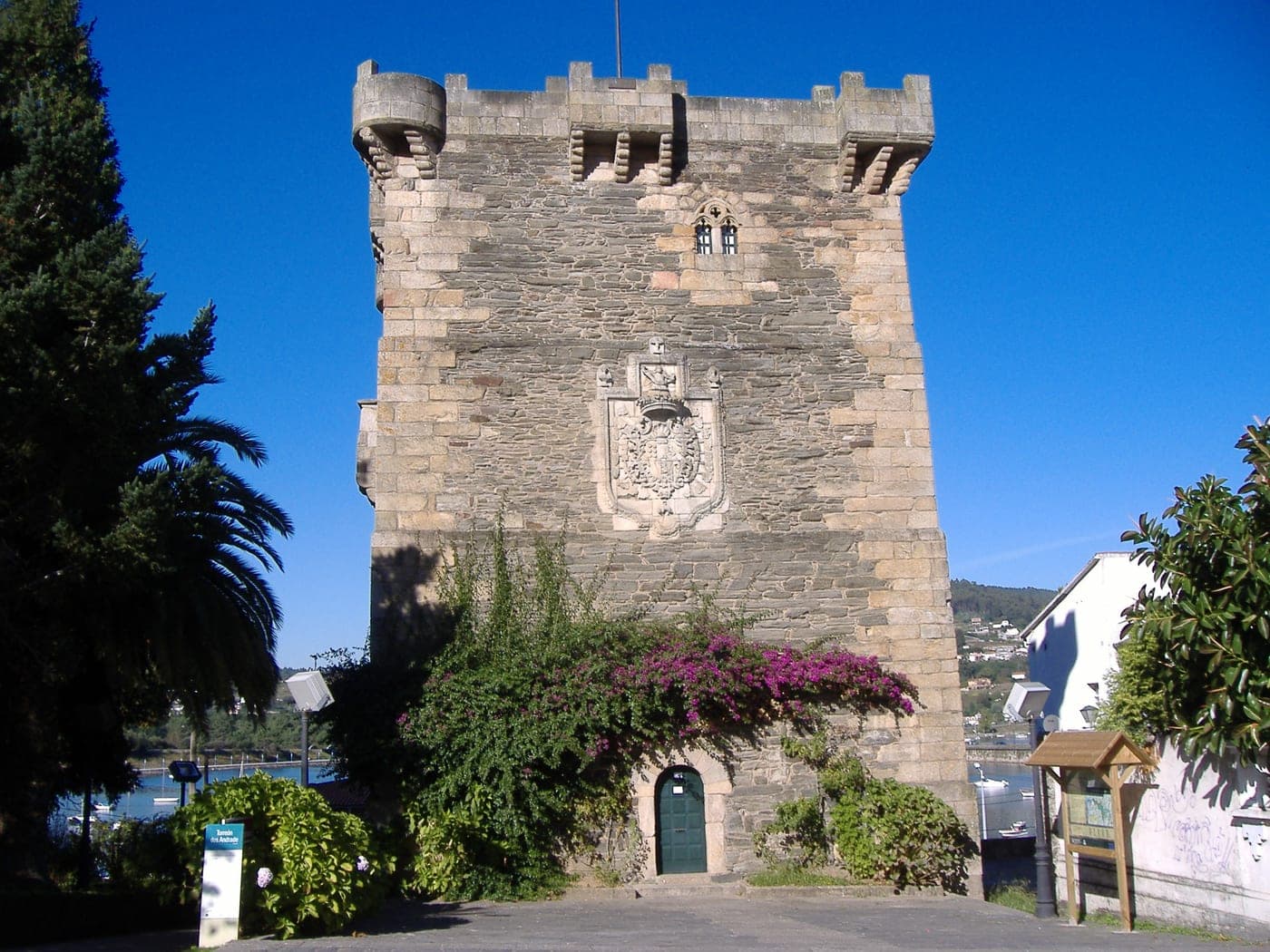
To taste the authentic tortilla de Betanzos, the place to go is the town of Betanzos itself. The small bars and taverns there are where the tradition is kept alive. These are not fancy establishments but local haunts where the kitchen serves the dish as a staple, often alongside other regional tapas. The runny style has spread to bars across Galicia and beyond, but Betanzos remains the primary destination for those seeking the version named after it. It is a dish that rewards patience and an appreciation for the texture of food over its visual presentation.
Where to try it
1 destination
1 region
 Panoramic Trains8 destinations
Galicia
This region is the largest in Spain, featuring a stunning coastline along the Atlantic Ocean. Known for its rich Celtic heritage, Galicia boasts historical towns like Santiago de Compostela, famous for its pilgrimage routes and the impressive cathedral. The Rías Baixas area is celebrated for its Albariño wine, while the rugged shores offer scenic beauty, including the dramatic cliffs of the Costa da Morte. Traditional crafts, such as pottery and weaving, reflect the local culture. Visitors can explore lesser-known villages like Combarro and O Cebreiro, which showcase ancient architecture and regional gastronomy. Unique festivals, such as the Romería de San Juan, highlight local traditions and community spirit, making this region a treasure trove for those seeking depth in their travels.
Panoramic TrainsHikingWine TastingLocal Cuisine