Salmorejo
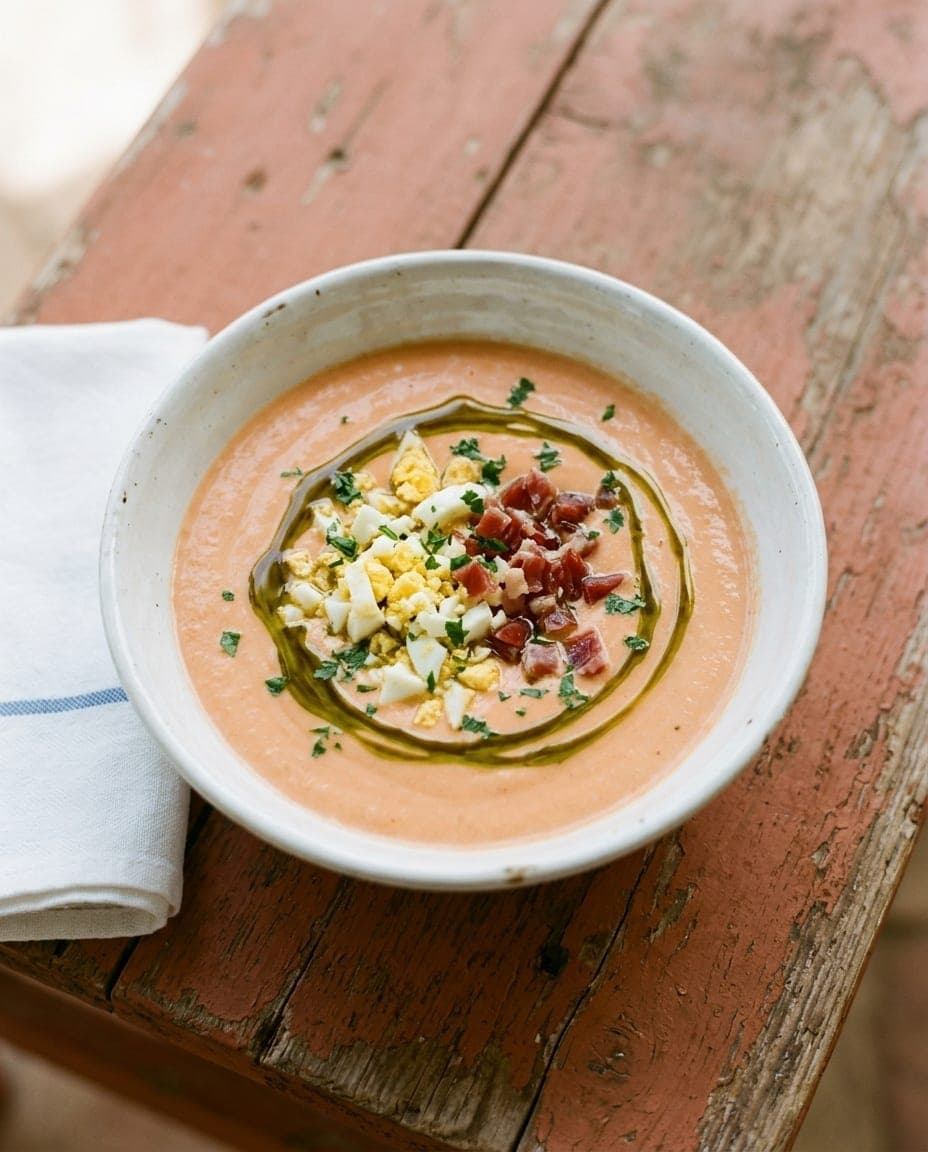
Thick cold tomato soup from Córdoba, topped with egg, ham and oil
- Local name
- Salmorejo
- Served with
- Chopped egg, jamón, olive oil
- Best eaten at
- A Córdoba tavern
- Pairs with
- Fino sherry or Montilla-Moriles
What it is
Salmorejo is a thick, cold soup from the city of Córdoba in Andalusia, southern Spain. It is not simply a variation of the more widely known gazpacho, though they share a lineage. The distinction lies in the ingredients and the texture. While gazpacho often includes cucumber, green pepper, onion and water to thin it out, salmorejo relies on fewer components: ripe tomatoes, stale bread, garlic, olive oil and salt. These are blended until they emulsify into a smooth, velvety cream that is significantly thicker than other Spanish cold soups. The colour is a deep orange-pink, and the consistency is dense enough to coat the back of a spoon without running off it.
The dish is a staple of Andalusian summer dining, yet it appears on menus year-round in Córdoba. It is served well chilled, traditionally topped with a scattering of finely chopped hard-boiled egg and diced jamón, usually serrano or ibérico. A final drizzle of extra virgin olive oil completes the presentation. The result balances the acidity of the tomato with the richness of the oil and the body of the bread, creating a texture that feels substantial rather than watery.
The history of a bread-based soup
The origins of salmorejo are rooted in the agricultural traditions of Andalusia, where bread was historically a vital source of sustenance. Pounding stale bread with garlic, oil and vinegar allowed households to stretch ingredients and create a filling meal. The word itself is old: in 1611 the lexicographer Sebastián de Covarrubias described salmorejo as a sauce for seasoning rabbit, and a cookery dictionary of 1892 still defined it as a sauce of water, vinegar, oil, salt and pepper, with no tomato at all.
Tomato, brought from the Americas, entered these cold preparations relatively late: it became part of gazpacho in the 19th century, and probably of salmorejo even later. It was the tomato that turned the old bread-and-oil emulsion into the Córdoba dish known today. There is no single document that records the invention of the modern recipe, nor a famous individual credited with its creation. It emerged as a practical way to stay cool on hot days while providing enough calories for work in the fields.
The city has long claimed salmorejo as its own, distinguishing it clearly from the gazpacho of Seville and from the many other dishes across Spain that share the name, such as the Canary Islands' rabbit en salmorejo. Today it remains a daily offering in the city's taverns whatever the season.
What goes into it
The ingredients of salmorejo are simple and few, which is precisely what gives the dish its character. There is no cucumber, no green pepper, no onion and no added water. The body of the soup comes from the bread, which should be dense and a day old so it absorbs the tomato juice.
- Tomatoes: Ripe, red tomatoes form the base. They are blended and usually sieved to remove skins and seeds, ensuring a smooth texture.
- Bread: Stale white bread, traditionally the dense loaf of the region, provides the thickness. The ratio of bread to tomato is high, giving a consistency closer to a thick sauce than a broth.
- Olive oil: Extra virgin olive oil is essential. It is added slowly while blending to create an emulsion that gives the soup its creamy texture and glossy finish.
- Garlic: A small amount of raw garlic adds a sharp, pungent note.
- Salt: Enhances the natural sweetness of the tomatoes. Some cooks also add a dash of vinegar.
The result is substantial enough to be eaten as a light main course, particularly when generously topped.
How it is eaten
Salmorejo is traditionally served in a shallow bowl or earthenware dish, with the toppings arranged on the surface: finely chopped hard-boiled egg, diced jamón and a thread of extra virgin olive oil poured over just before serving.
In Córdoba, the dish is often eaten as a starter or a light lunch, particularly in taverns where it accompanies a glass of fino, either sherry or the local Montilla-Moriles wine, produced around the towns of Montilla and Moriles in the south of Córdoba province. The dry, nutty notes of these wines help cleanse the palate between bites.
The cream is also used as a dip or a sauce. In some bars, it is served alongside fried dishes, such as aubergine or fish, where the cool tomato base contrasts with the hot, crispy coating.
Where it belongs
Salmorejo is the defining cold soup of Córdoba. While variations exist in other parts of Andalusia, the Córdoba version is considered the standard by which others are judged. It is found on the menu of almost every traditional tavern (taberna) in the city, often listed alongside gazpacho but distinguished by its thickness and short list of ingredients.
The city's historic centre, with its narrow streets and Moorish architecture, provides a fitting backdrop for a meal with roots in the region's agricultural past. Many taverns near the Mezquita-Catedral serve good versions, though some of the best are found in smaller neighbourhood spots away from the main tourist routes.
Curious facts
- A thick emulsion. Unlike gazpacho, which relies on water and vegetables for its liquid base, salmorejo achieves its creaminess through the emulsification of bread and olive oil with tomatoes, creating a texture closer to a sauce than a soup.
- Older than its tomato. The name was in use for centuries before tomato became its main ingredient, when salmorejo meant a sauce of bread, oil and vinegar.
- A regional pride. Córdoba residents often view their version as superior to those found elsewhere in Andalusia, and the dish is a point of local identity rather than just a seasonal treat.
Where to try it
Salmorejo is best eaten in a traditional tavern in Córdoba. These are often small, unpretentious spaces where the focus is entirely on the food, and the best versions tend to be found in neighbourhood taverns rather than tourist-focused restaurants. Ordered as a starter or a light lunch, it is substantial enough to satisfy hunger but light enough to leave room for other dishes, offering a taste of Andalusian summer even on a cooler day.
Where to try it
1 region
 Wine Tasting12 destinations
Andalusia
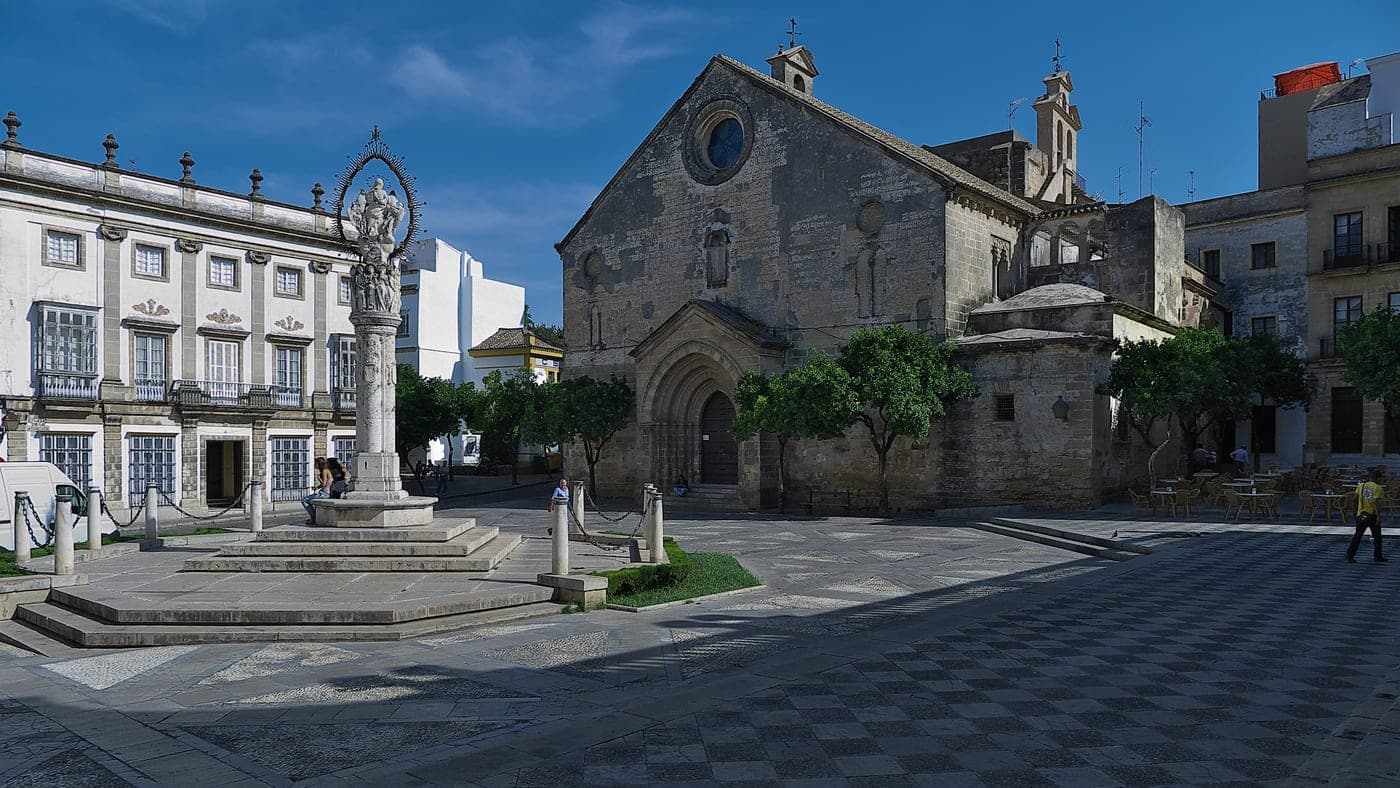
Andalusia stands as Spain's largest autonomous community, renowned for its diverse landscapes, from sun-soaked beaches to rugged mountains. The region is famed for its rich Moorish heritage, best exemplified in cities like Granada, home to the Alhambra, and Seville, known for its cathedral and flamenco culture. Cordoba boasts the stunning Mezquita, while Ronda captivates with its dramatic gorge. Unique local festivals such as Feria de Abril and Semana Santa highlight Andalusian culture. The region produces excellent wines, particularly from Jerez, and is the birthplace of tapas. Off the main tourist paths, towns like Grazalema and Mijas offer authentic experiences amid beautiful natural settings.
Wine TastingHikingLocal CuisineBoat Rentals





