Rabo de toro
Slow-braised oxtail stew in wine from Córdoba's taverns
- Local name
- Rabo de toro
- Served with
- Fried potatoes
- Best eaten at
- A Córdoba taberna
- Pairs with
- Montilla-Moriles or Andalusian red
What it is
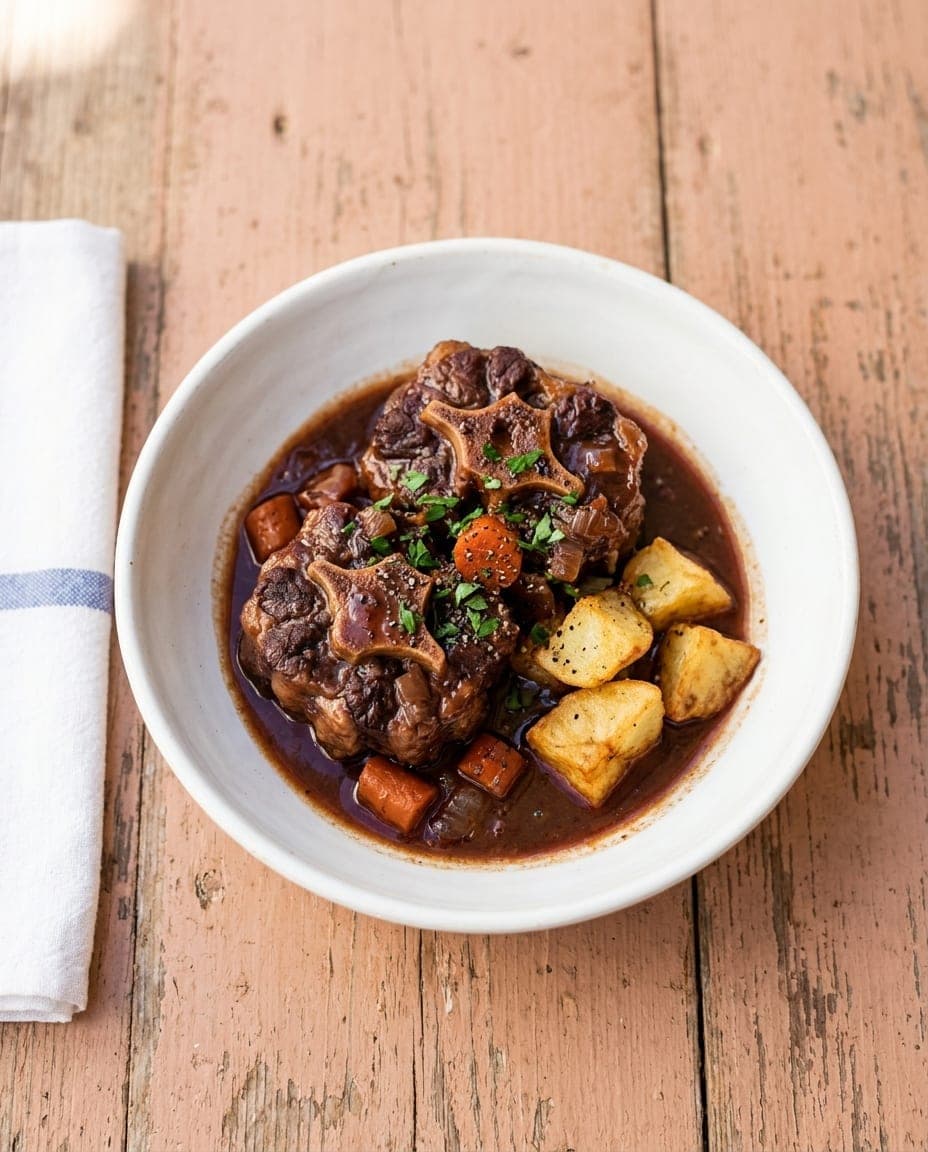
Rabo de toro is a deep, dark stew of oxtail cooked slowly in wine until the meat falls away from the bone. It is a signature dish of Andalusia, above all the city of Córdoba, where it is considered a classic of the local kitchen. The texture is its defining feature: the collagen-rich tail melts into a thick, glossy sauce that clings to the plate, while the meat itself becomes tender enough to eat with a spoon.
The dish is closely bound up with the city's relationship with the bullring. According to the traditional story, the tails of bulls killed in the ring were sold cheaply to local taverns, and these tough cuts became the foundation of a meal that was both affordable and deeply satisfying for workers and locals alike. Today the meat is usually ordinary beef oxtail rather than from a fighting bull, but the name remains unchanged, preserving the link to the arena.
A bowl of rabo de toro is substantial enough to serve as a main course at lunch or dinner. The flavour is savoury and complex, built on the wine reduction and the earthy notes of the slow-cooked vegetables, yet it never feels heavy in a greasy way. Instead, the gelatine gives it a velvety mouthfeel that coats the palate.
The history of the bullring and the tavern
The origins of rabo de toro are usually traced to the practical economy of Spanish bullfighting towns. Tail was a humble cut, but the cooks of the local tabernas, small neighbourhood taverns that served the working class, knew how to transform it into a rich meal using whatever ingredients they had on hand.
While other regions in Spain have their own versions of oxtail stew, Córdoba claims the dish as its own, and from there it spread across Andalusia. The name itself, rabo de toro, literally translates to "bull's tail", keeping the memory of the arena alive in every bowl.
Over time, the dish moved from the humble taverns to the menus of more formal restaurants, yet it never lost its identity as a food of the people. Once considered a by-product, oxtail is now a prized cut. The story is not one of invention but of necessity, where waste became wealth through patience and skill.
What goes into it
The ingredients are straightforward, relying on the quality of the oxtail and the character of the wine rather than a long list of spices. The base typically includes onions, carrots, tomatoes, green pepper and garlic, which are softened before the meat is added. Bay leaf, cloves, black pepper and sometimes saffron or paprika provide aromatic depth without overwhelming the natural flavour of the meat.
- Oxtail, cut into sections at the joints.
- Wine, either a robust red or, in many Córdoba recipes, a dry Montilla-Moriles wine, which provides the braising liquid and depth of the sauce.
- Onion, carrot, tomato and pepper, forming the aromatic foundation.
- Garlic for a sharp, pungent note that cuts the fat.
- Bay leaf and cloves, used sparingly to add warmth.
Some cooks add a splash of brandy to deepen the flavour. The sauce is often passed through a sieve or blended after cooking for a smooth, glossy texture, then reduced further to thicken it.
How it is cooked
The defining characteristic of rabo de toro is the time required to cook it properly. It is slow food in the literal sense, needing three to four hours of gentle simmering to break down the connective tissue and release the gelatine. The meat must be cooked until it slides off the vertebrae with little resistance, a state that cannot be rushed by high heat.
This long cooking is also why the dish is often better the next day. Many cooks in Córdoba make it a day ahead, as the flavours deepen and the sauce thickens after resting overnight. The gelatine sets as it cools, and when reheated gently, the stew becomes even more cohesive and rich.
How to eat it
Rabo de toro is traditionally served in a deep plate or earthenware dish, usually with fried potatoes. The potatoes provide a textural contrast to the soft, melting meat and the smooth sauce, and diners use them to scoop up the sauce or simply eat them alongside the stew. White rice or mashed potato are occasional alternatives.
A glass of Montilla-Moriles, the fino-style wine produced south of Córdoba in the city's own province, is a classic pairing. Its dry, nutty profile complements the savoury depth of the oxtail without overpowering it. Alternatively, a local Andalusian red wine works well, offering a fruity counterpoint to the rich sauce.
Curious facts
- A tale of two tails. While the name refers to bulls, most versions today use ordinary beef oxtail, as genuine fighting-bull tail is hard to find.
- The sieve trick. Many traditional recipes pass the sauce through a sieve after cooking to remove the vegetables, ensuring a smooth, silky texture that coats the meat evenly.
- Better the next day. Cooks in Córdoba often make the stew in advance, as the flavours meld and the gelatine sets overnight.
- The potato side. Fried potatoes are the expected companion, providing a welcome crunch to balance the softness of the oxtail.
- A second life. Leftover meat is often stripped from the bone and reused in croquettes or rice dishes.
Where to try it
The best place to find rabo de toro is a traditional taberna in Córdoba, particularly in the historic centre. These small taverns are where the dish's tradition remains most alive. It is not on every menu across Spain, but in Córdoba it appears regularly, often as the star of the day's offering.
The tabernas of Córdoba are known for their warmth and their focus on local ingredients, and a taberna in the old quarter offers an atmosphere that matches the history of the dish.
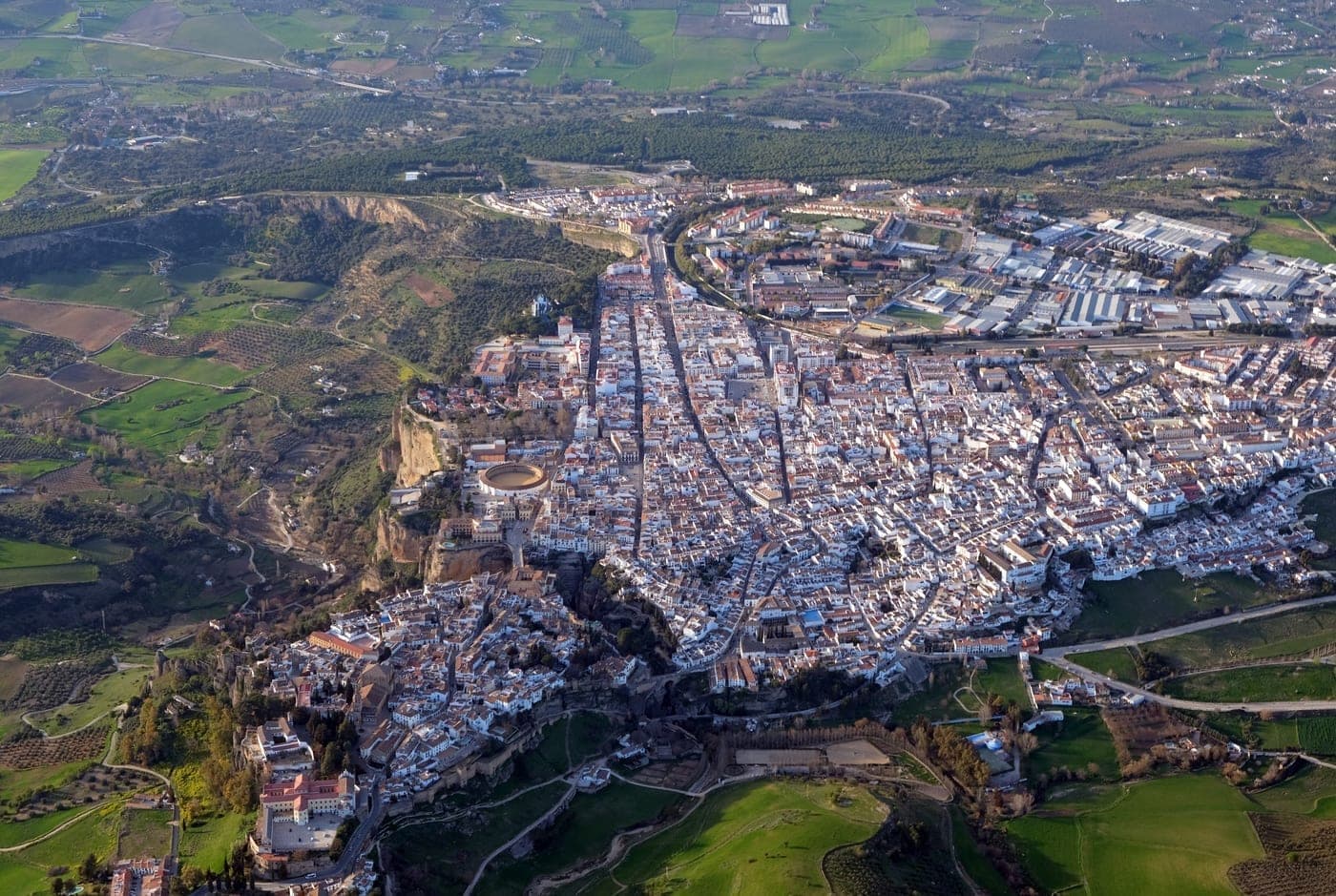
In Ronda, another Andalusian town with a famous bullring, the stew is also a local favourite. Whether in Córdoba or Ronda, the key is to choose a place that takes pride in its traditional cooking methods.
Where to try it
1 destination
 Wine Tasting
Ronda
Dramatic mountain town split by El Tajo gorge and famous bridge.
Wine TastingHikingLocal Cuisine





