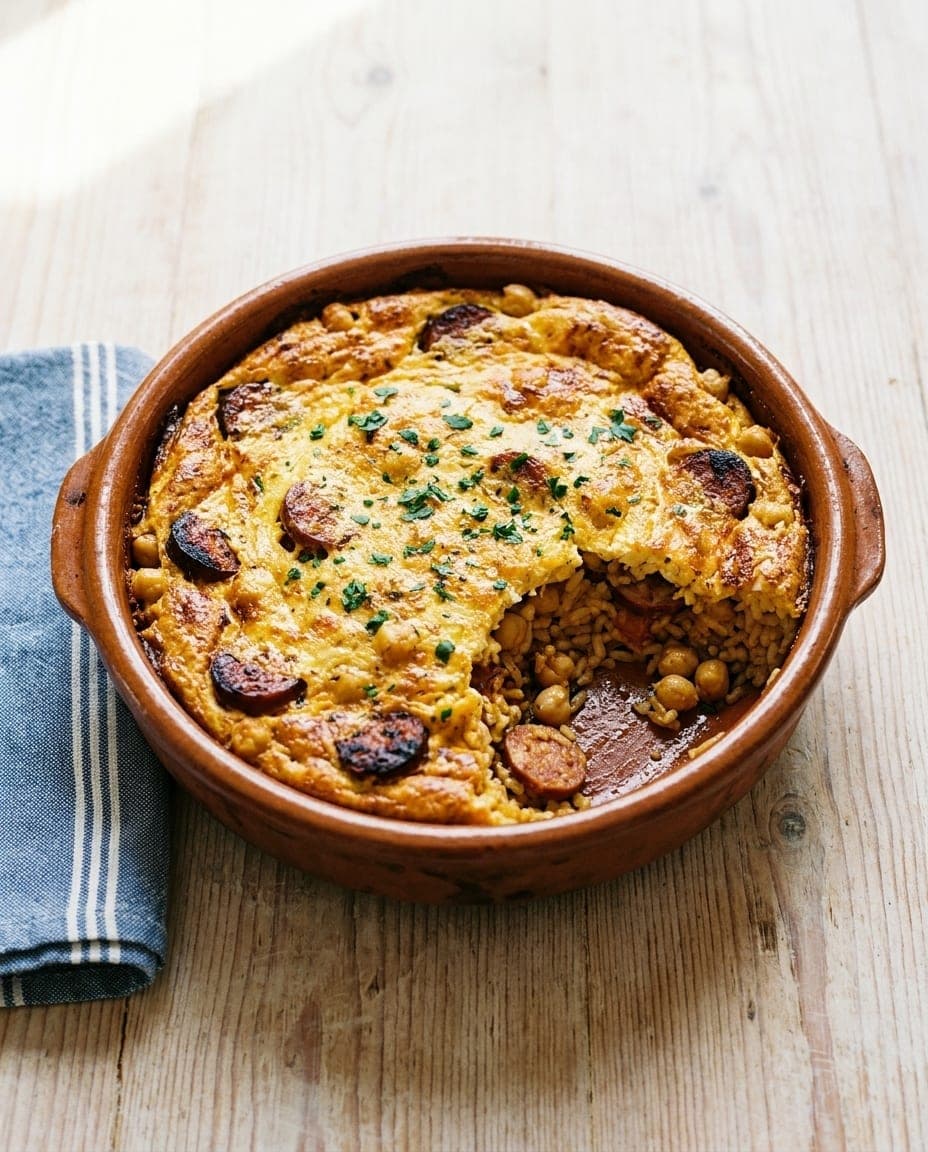
Queso zamorano
Aged sheep's milk cheese from Zamora province with a zigzag rind
- Vegetarian
- Local name
- Queso zamorano
- Served with
- Bread
- Pairs with
- Toro red
What it is
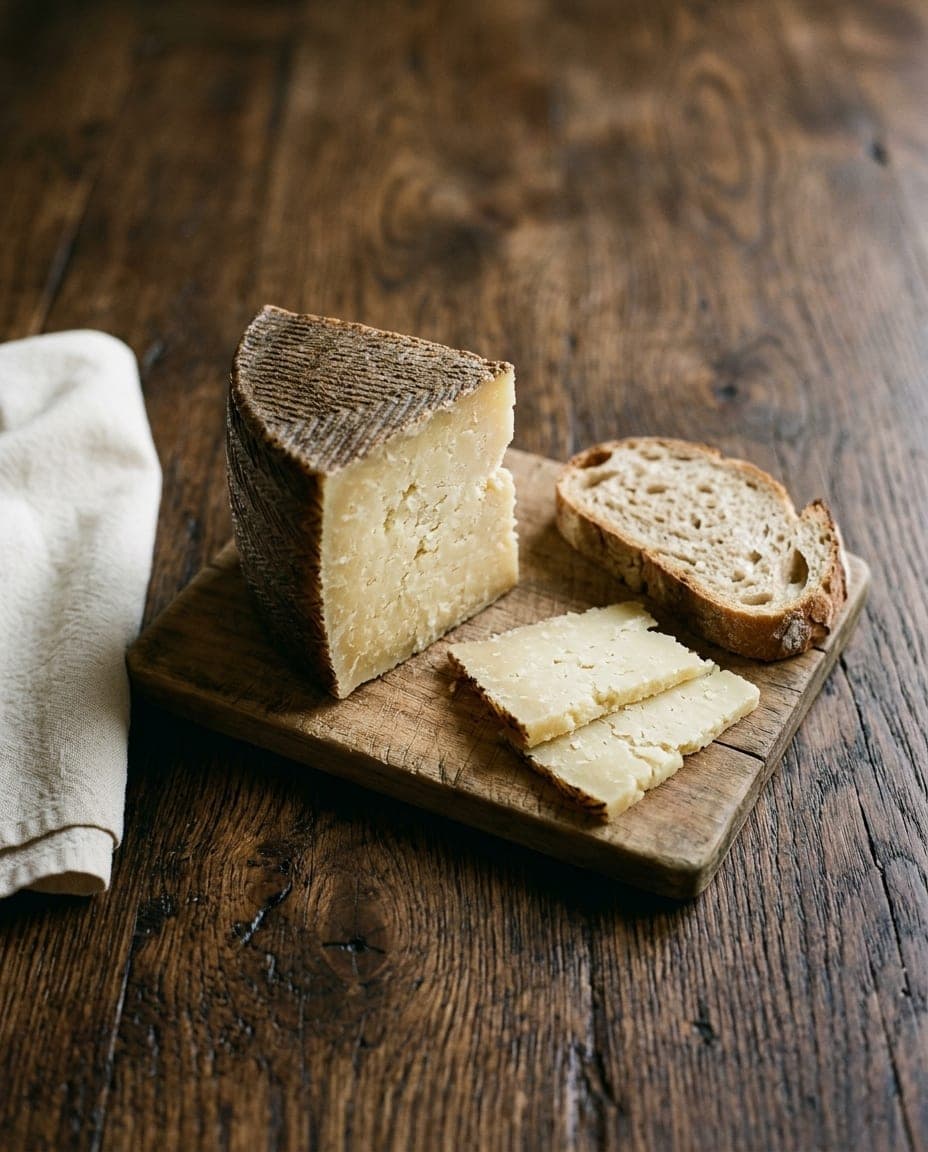
Queso zamorano is a hard, aged cheese made from the milk of sheep in the province of Zamora, part of the Castile and León region in northern Spain. It holds Protected Designation of Origin (PDO) status, meaning only cheese made in the province from local sheep's milk, following the designation's rules, can bear its name. The cheese is firm and pale ivory, with a texture that becomes crumbly and crystalline as it matures. Its flavour is distinctively sharp and savoury, often described as more intense and drier than its better-known cousin, Manchego, from Castilla-La Mancha.
While it shares a lineage with other Spanish sheep cheeses, queso zamorano stands apart due to the specific breeds of sheep used and the harsh environment where they graze. The milk comes from Churra and Castellana sheep, which graze the dry, open plateau of Zamora. Local producers credit this landscape with giving the cheese a character that is difficult to replicate elsewhere.
Where it comes from
The history of queso zamorano is rooted in the pastoral traditions of Castile and León. For centuries, sheep have been the backbone of agriculture in this arid region, moving between high pastures and lower valleys with the seasons. The cheese was originally a practical way for farmers to preserve surplus milk.
While the exact date of its first production is not recorded, references to cheese appear in Zamora's medieval charters from the 11th century, and the Catastro del Marqués de la Ensenada of 1752 records cheese making in the province. Small family and artisan dairies emerged in the late 19th century. The cheese is named after the province of Zamora, which lies to the north-west of Madrid and borders Portugal. Although it is sold across Spain, it remains a true taste of the Castilian hinterland.
What goes into it
The ingredients are simple, reflecting the philosophy of traditional Spanish cheesemaking where the quality of the milk determines the final result.
- Sheep's milk: Whole milk from Churra and Castellana ewes (or permitted first crosses of these breeds) raised within the designated zone.
- Salt: Added to draw out moisture and preserve the cheese during the long ageing process.
- Rennet: Used to coagulate the milk.
- Zigzag rind: The hard rind, pale yellow to dark grey, carries a zigzag pattern on the sides and a herringbone-like pattern on the faces, imprinted by the moulds.
The cheeses mature for at least 100 days (60 days for small pieces under 1.5 kg). The paste is firm and compact, white to yellowish ivory, with a few small eyes. Well-aged wheels can develop tiny white crystals, giving a pleasant crunch that contrasts with the sharp, savoury flavour, and the texture turns from smooth to granular the longer it matures.
How to eat it
Queso zamorano is typically served as part of a cheese board or as an accompaniment to a meal rather than as a standalone dish. It is cut into thin wedges and placed on a wooden board alongside crusty bread, often a rustic loaf from the local bakeries in Zamora or Toro. The bread serves to balance the intense saltiness and sharpness of the cheese.
A glass of red wine from the nearby Toro region pairs exceptionally well with it. The bold, tannic notes of a Toro red cut the fat of the aged sheep's milk, cleansing the palate between bites. In local taverns or tabernas, the cheese is sometimes served with a side of honey or quince paste to soften its edge, though purists often prefer it plain with just bread and wine.
Curious facts
- A visual signature. The zigzag pattern on the rind is the cheese's calling card, imprinted by the moulds during pressing.
- Not Manchego. While similar in style to Manchego, queso zamorano is generally drier and more intensely flavoured due to the different sheep breeds and the harsher grazing conditions of Zamora.
- A long wait. Large wheels must age for at least 100 days before they can be sold under the designation.
- Numbered cheeses. Each wheel carries a numbered casein plate on one face, applied during moulding, which identifies it as a genuine designation cheese.
- Local loyalty. In Zamora province, the cheese is considered a point of pride, with many families tracing their cheesemaking heritage back several generations.
Where to try it
The most authentic experience of queso zamorano is found in the towns of Zamora and Toro, where the cheese is produced and consumed daily. In these places, the cheese appears alongside other regional products like cured meats and local wines.
Where to try it
2 destinations
 Wine Tasting
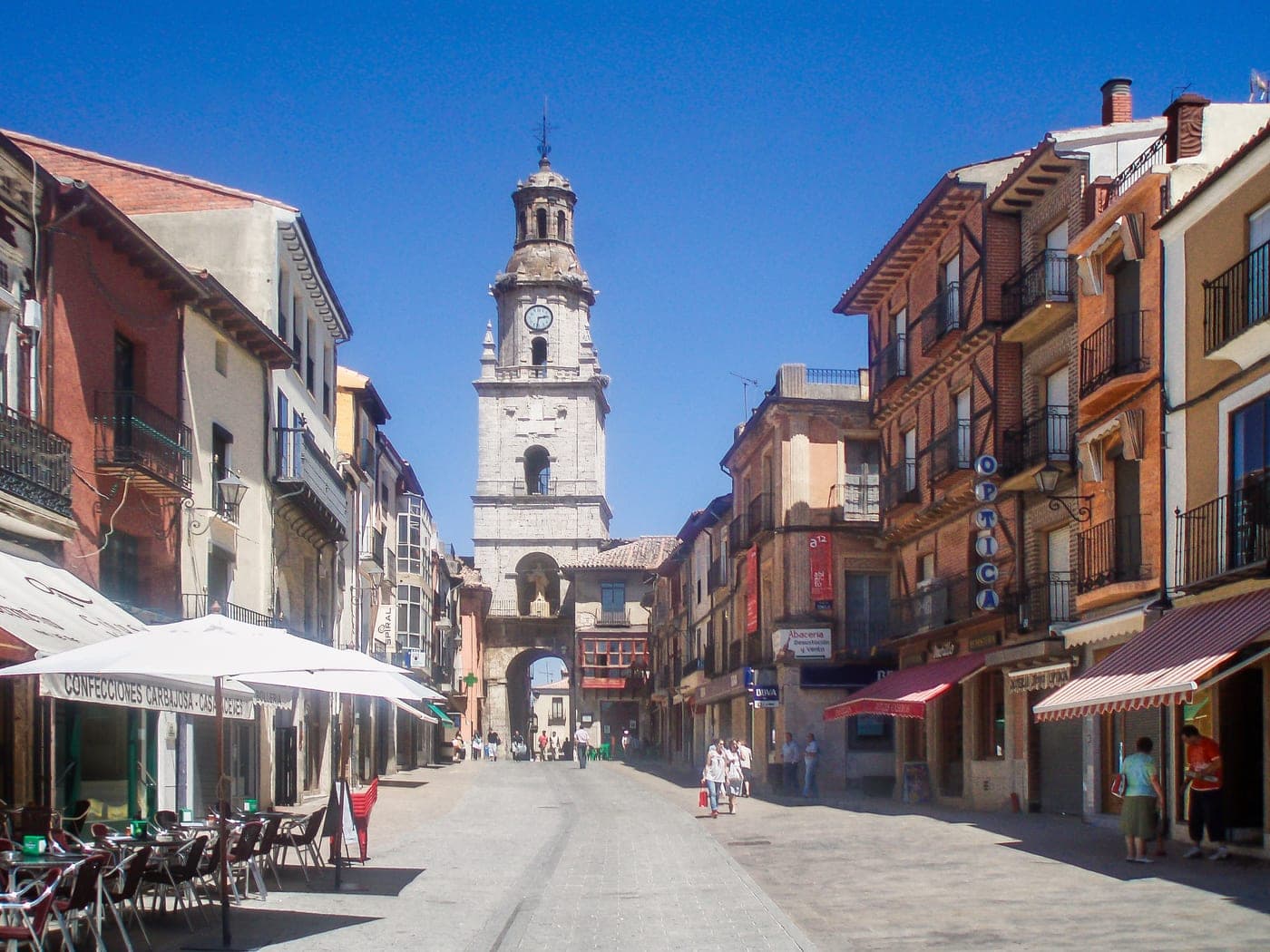
Toro
Historic wine town in Zamora known for powerful red wines and medieval architecture.
Wine TastingHiking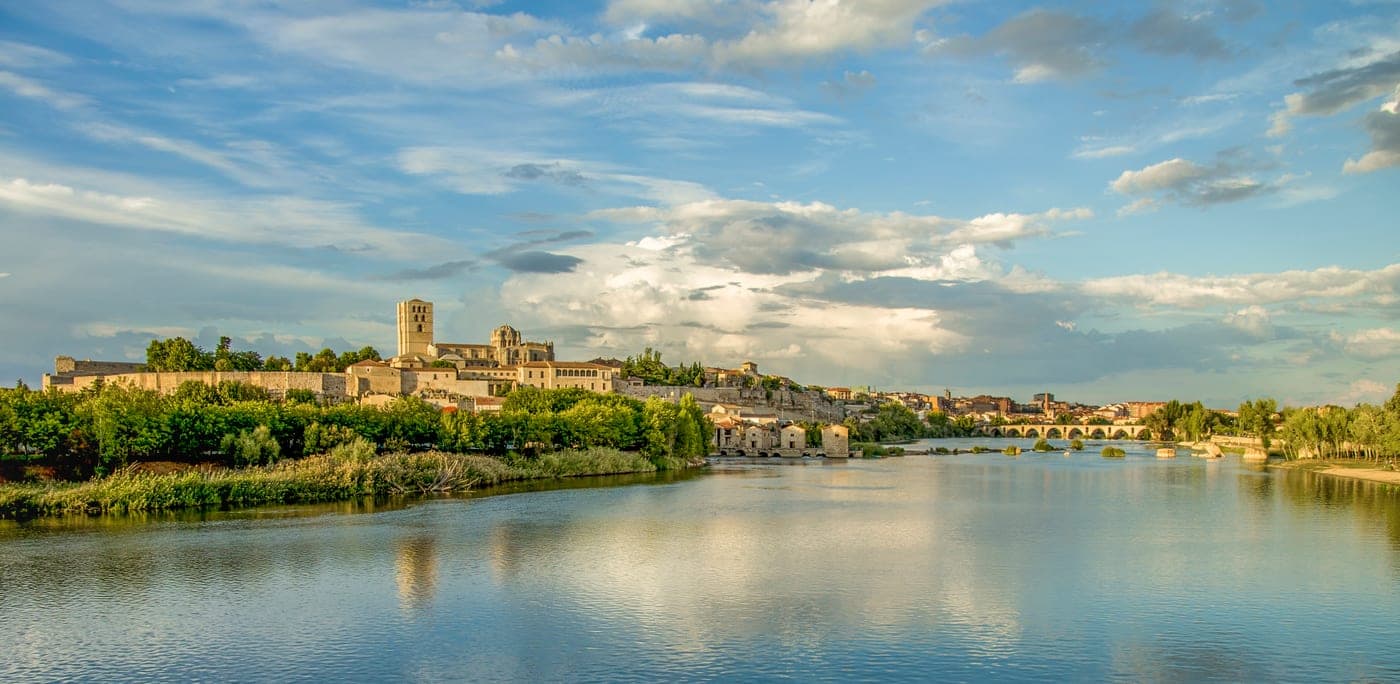 Wine Tasting
Zamora
Historic city near Toro wine region with Romanesque architecture and wine tourism.
Wine TastingHiking
1 region
 Panoramic Trains22 destinations
Castile and León
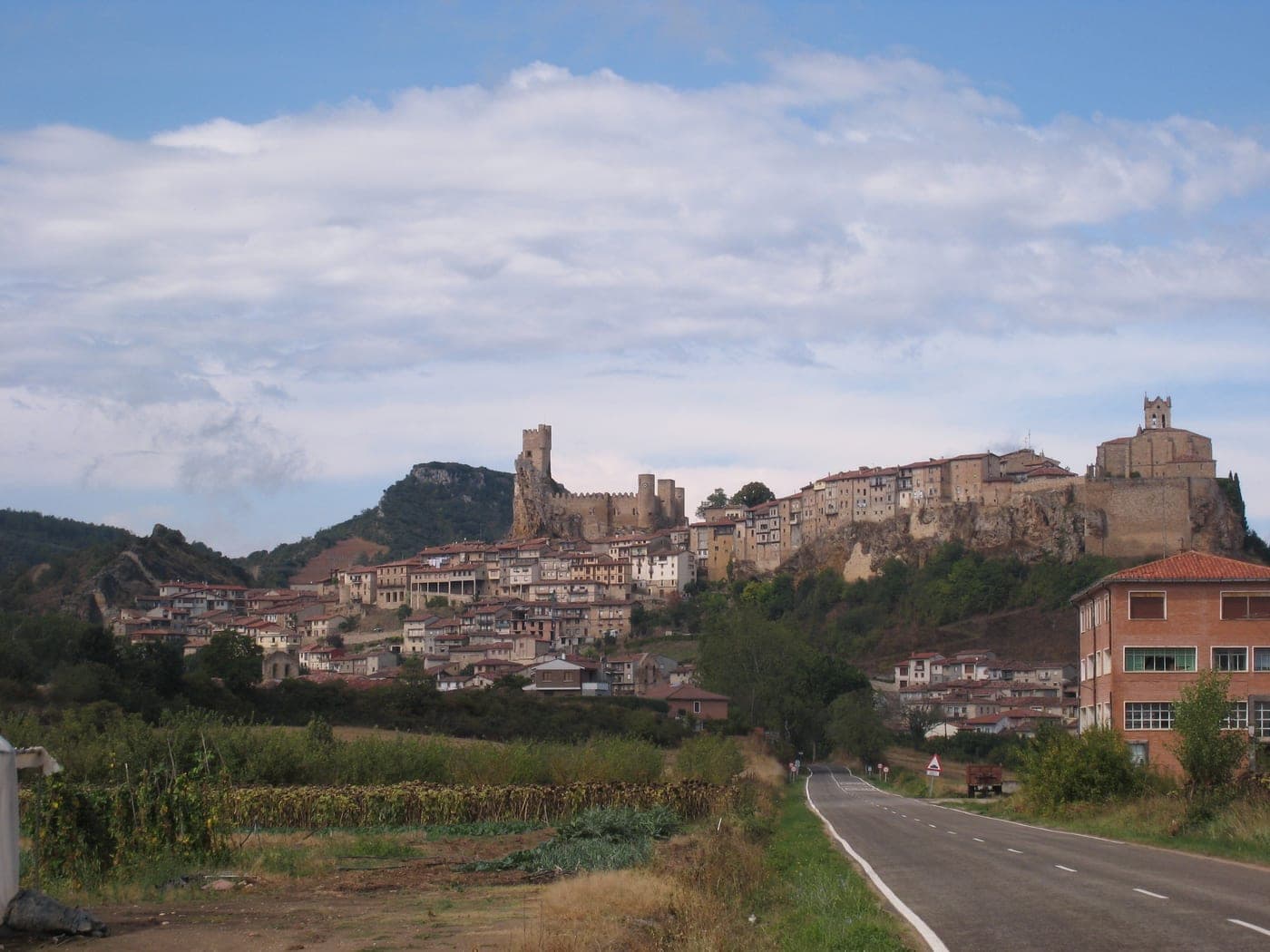
Covering over a quarter of Spain's land, this region is known for its historical richness and diverse landscapes. It features the ancient city of Salamanca, home to one of the oldest universities in the world, and Ávila, famous for its well-preserved medieval walls. The region also boasts stunning natural parks like Sierra de Guadarrama and the Duero Valley, known for its exceptional wine production, particularly Ribera del Duero. Castile and León is the birthplace of Spanish language and literature, with paths like the Camino de Santiago running through it. Visitors can explore lesser-known towns like Pedraza and Sepúlveda, where traditional crafts and gastronomy thrive, offering a genuine taste of local culture.
Panoramic TrainsHikingWine TastingLocal Cuisine