Patatas a la riojana
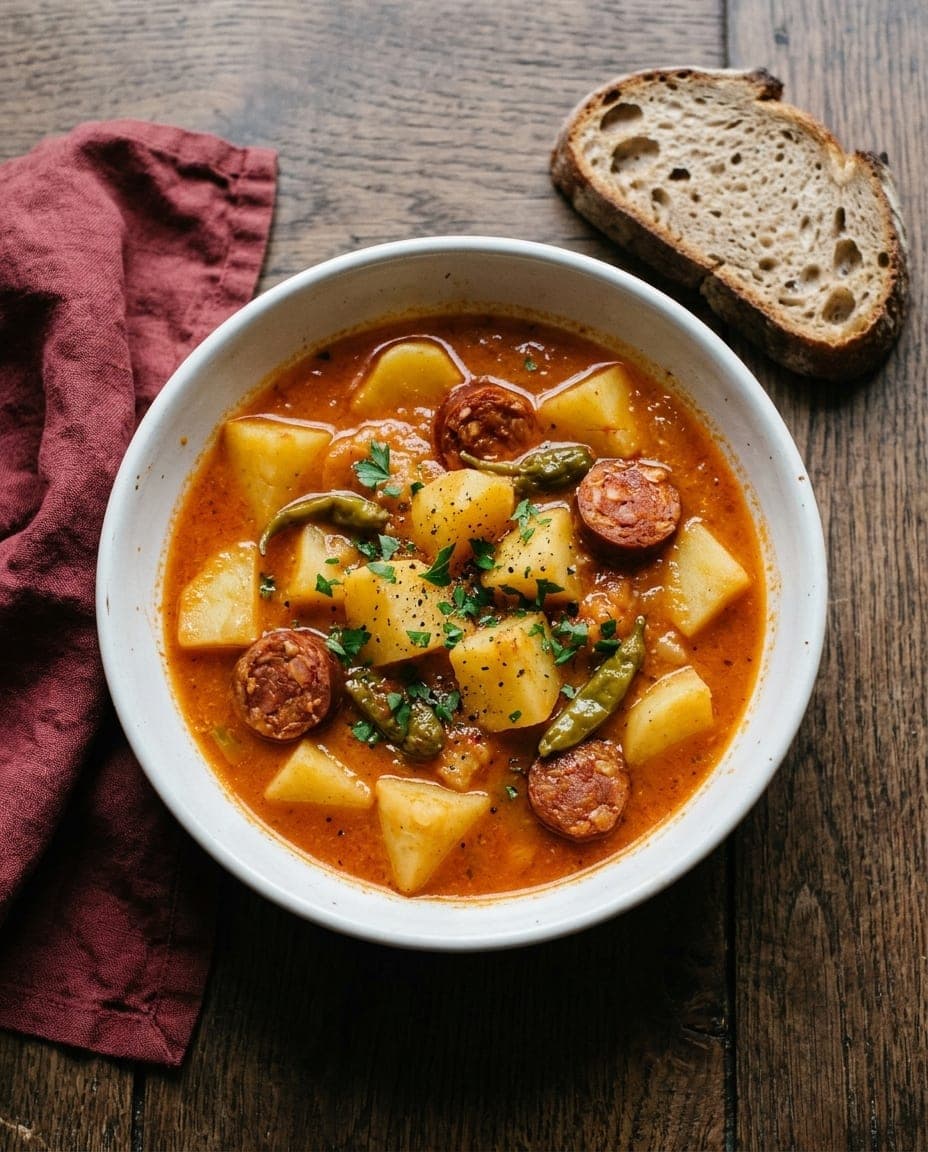
Potato and chorizo stew from La Rioja, thickened with broken potatoes
- Local name
- Patatas a la riojana
- Served with
- Bread, guindilla peppers
- Best eaten at
- A Rioja bodega lunch
- Pairs with
- Rioja red
What it is
Patatas a la riojana is a potato stew that belongs to the wine country of La Rioja and the neighbouring Rioja Alavesa in northern Spain. It is cooked across Spain today, but its home is here, where it is a classic of the grape harvest and a staple in local taverns year-round. The result is a thick, orange-hued stew where potatoes, chorizo, onion, garlic and sweet paprika are simmered together until the liquid reduces to a rich sauce that clings to every piece of potato.
The texture is the defining feature. The potatoes are not simply sliced or diced. They are chascadas: the knife is pushed part-way into the potato and then twisted to snap the piece off. This breaking action releases extra starch from the rough face, which thickens the broth naturally as it cooks. The fat from the chorizo blends with the paprika to give the stew its deep colour. It is a dish built for fuel, hearty enough to sustain a day of work in the fields.
How the potatoes are broken
In many cuisines, potatoes are cut with precision to ensure even cooking. Here the cook presses a knife into a peeled potato and snaps off irregular chunks. The resulting rough, uneven surface is essential. When these pieces are added to the pot with water or stock, they release starch that turns the thin liquid into a thick sauce without flour or cream.
The technique works best with firm potatoes that hold their shape but soften slowly. As the stew simmers, the broken faces dissolve slightly into the broth, while the chorizo and choricero pepper give the liquid its colour and flavour. The final consistency is neither runny nor dry; it is a cohesive mixture bound together by the potato starch and the fat from the sausage.
What goes into it
There is no single official recipe, and every cook in La Rioja has their own variation, but the core ingredients remain consistent:
- Potatoes, chascadas so they release enough starch to thicken the broth.
- Chorizo riojano, a dry-cured sausage seasoned with paprika and garlic, which provides the fat and much of the flavour.
- Dried choricero pepper, rehydrated and its flesh added to the pot, giving colour and a mild sweetness.
- Onion and garlic, fried at the start to build a savoury base.
- Sweet paprika (pimentón), added off the heat so it deepens the colour without burning.
- Bay leaf, in many versions.
The stew is often served with green guindilla peppers, which offer a fresh, sharp contrast to the rich main dish. Bread is essential for mopping up the sauce.
Where it comes from
The exact origins of patatas a la riojana are not recorded, but the dish is strongly associated with the vineyard harvest. Large pots of the stew were made to feed the crews picking grapes, as it could be prepared in quantity and kept warm while the workers were in the rows. It uses ingredients that were always available: potatoes from the fields, chorizo from the household pig and wine from the local vines.
The connection with wine remains strong today. Bodegas in the region often serve it at lunches for visitors, and it is a fixture of autumn menus during the harvest.
How it is eaten
Patatas a la riojana is usually eaten as a main course at lunch, in bodegas or in traditional taverns in Logroño and the surrounding villages. It is often served in an earthenware dish or a deep plate, and eaten slowly with plenty of bread to soak up the sauce.
A glass of red wine from La Rioja is the traditional companion; its acidity and fruit cut through the fat of the chorizo and the thick broth. A green guindilla pepper on the side can be eaten between spoonfuls for a fresh kick.
It is not a dish for those seeking lightness: it is warming, filling food, and in the bodegas the atmosphere around it is usually relaxed and busy.
Curious facts
- The broken potato. Chascar the potatoes is a classic Spanish stew technique, and in this dish it is what turns a simple potato into the thickening agent.
- A harvest meal. The stew is traditionally linked with feeding vineyard workers during the grape harvest.
- The choricero pepper. Unlike the fresh peppers used in many Spanish dishes, this one is dried and rehydrated, adding to the signature orange colour.
- A guest from France. In 1979, at the centenary celebrations of a winery in Haro, the French chef Paul Bocuse is reported to have praised the patatas a la riojana served as a starter as better than the meal he was about to cook himself, and to have gone back for more.
- Bread is mandatory. A crusty loaf is used to mop up the thick sauce left at the bottom of the plate.
Where to try it
Patatas a la riojana is at its best in the bodegas of La Rioja during the harvest season, or in traditional taverns in Logroño and the surrounding villages. It is available year-round, but it feels most fitting with a glass of the local wine after a day spent near the vines.
Where to try it
2 regions
 Wine Tasting11 destinations
La Rioja
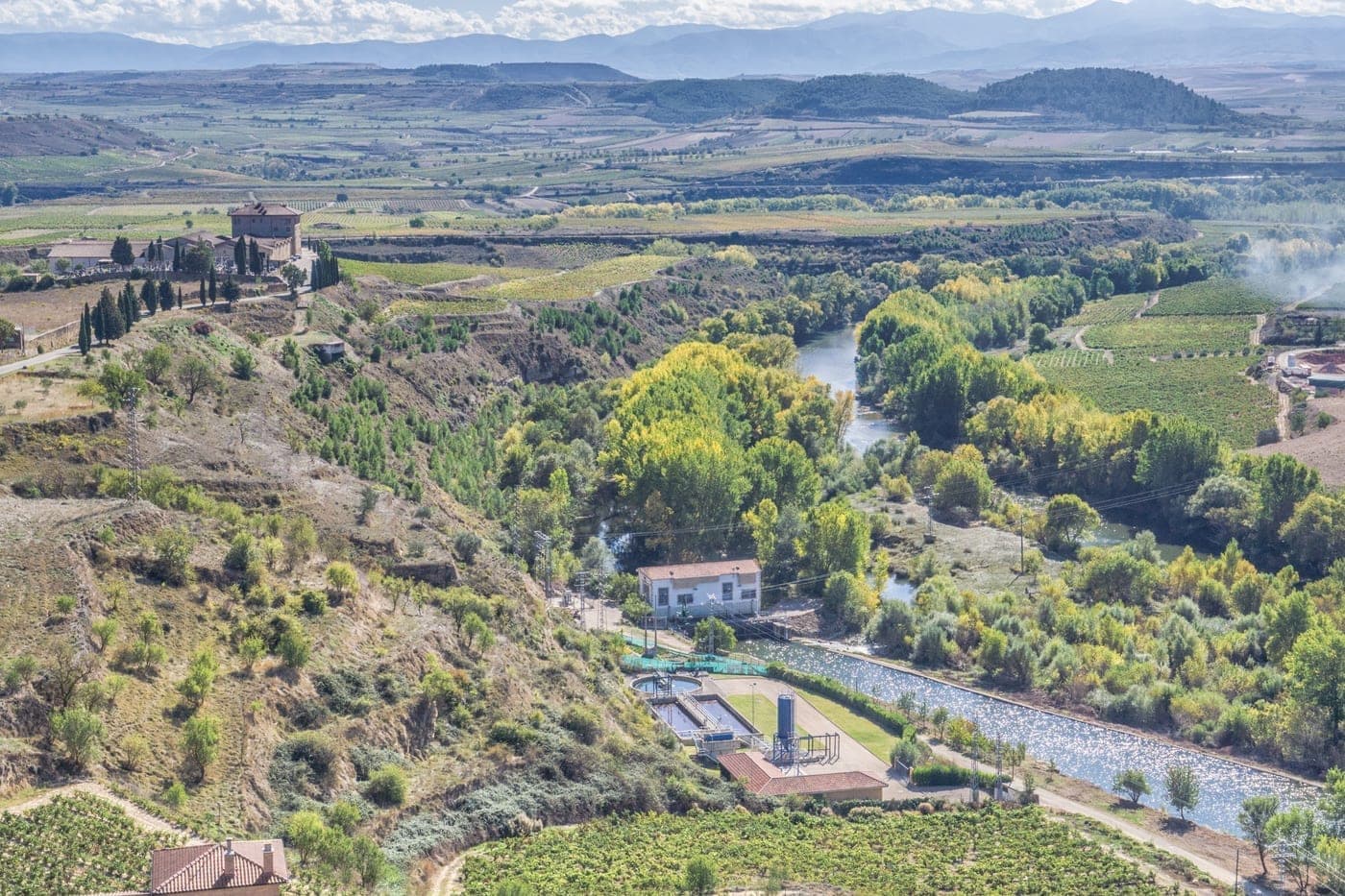
Known for its exceptional wines, this region is home to diverse vineyards producing Tempranillo and Garnacha grapes. The only wine-producing region in Spain with a Denomination of Origin status, La Rioja is characterized by rolling hills and the Ebro River. Historic towns like Haro offer wine cellars and local festivals, while the capital, Logroño, is famous for its vibrant tapas scene along Calle Laurel. The region features ancient monasteries, such as San Millán de la Cogolla, a UNESCO World Heritage site. Hikers can explore the Sierra de la Demanda mountains, and traditional crafts like pottery and leatherwork are still practiced in small villages. La Rioja’s landscapes vary dramatically, providing a rich tapestry of cultural experiences.
Wine TastingHiking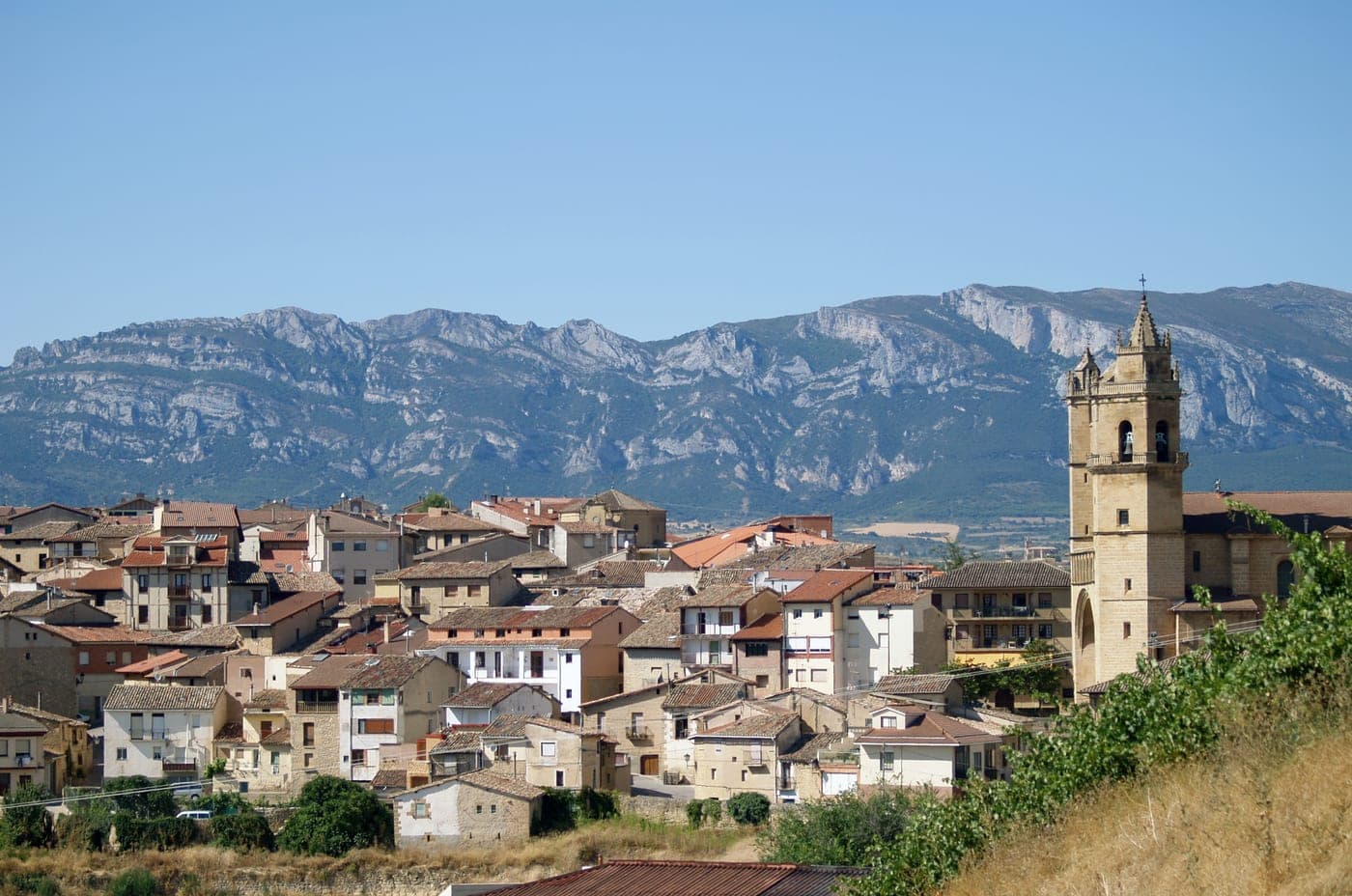 Wine Tasting2 destinations
Rioja Alavesa
Nestled in the northern part of Spain, Rioja Alavesa is renowned for its rich wine culture, primarily producing exceptional red wines from Tempranillo grapes. This region is characterized by its picturesque vineyards, rolling hills, and unique architecture, including traditional stone houses and modern wineries. The landscape is dotted with historical sites like the medieval village of Laguardia, known for its underground wine cellars. Additionally, the region offers scenic hiking trails and opportunities to explore local gastronomy, including artisan cheeses and regional dishes. Rioja Alavesa is not only a wine lover's paradise but also a place where visitors can appreciate the blend of culture, history, and nature in a tranquil setting.
Wine TastingHiking





