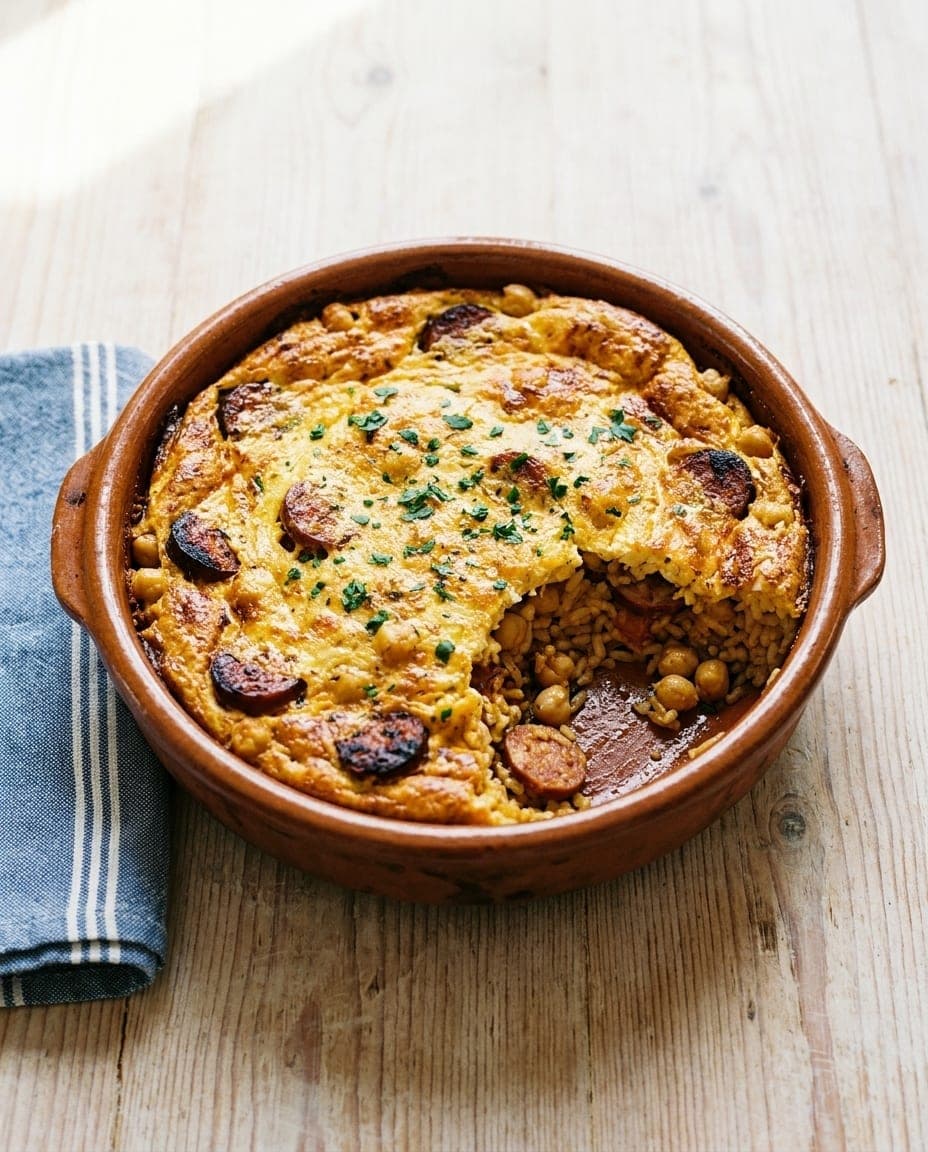
Morcilla
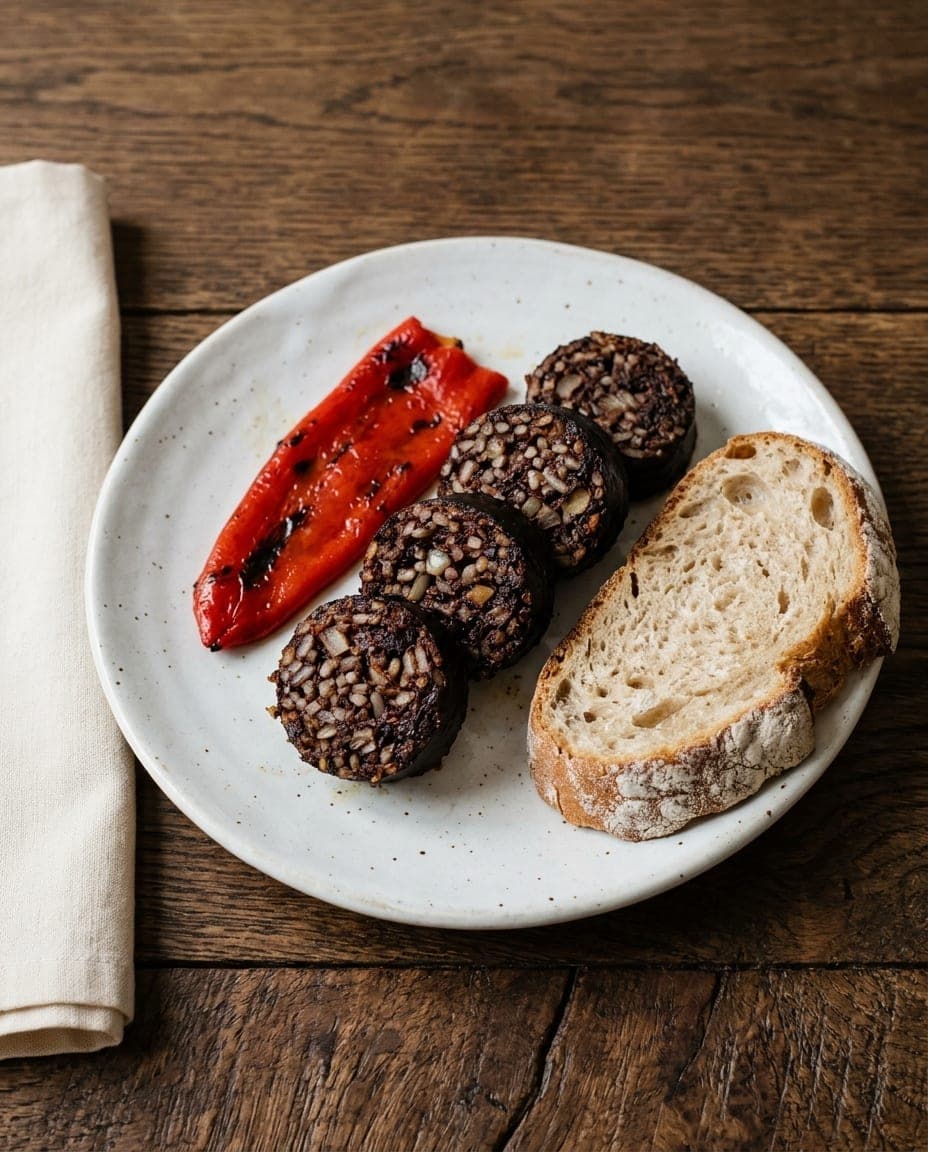
Burgos rice sausage, León onion sausage, served fried on bread with peppers
- Local name
- Morcilla
- Served with
- Roasted peppers, bread
- Best eaten at
- A Burgos or León tapas bar
- Pairs with
- Ribera del Duero or Bierzo red
What it is
Morcilla is the Spanish name for blood sausage, which has been part of the Iberian diet for centuries. In Spain, it is not a single uniform product but a collection of regional variations, each defined by the local fillings and the way the sausage is finished. Two of the most distinct forms come from Castile and León: the rice-filled sausage of Burgos and the onion-based version of León.
While blood sausages exist across Europe, often under names like black pudding or boudin noir, the Spanish versions carry a particular character linked to the local farming traditions and the annual pig slaughter, the matanza. Morcilla is usually sold already cooked and is reheated before serving, typically fried until the outside crisps up, served warm on slices of bread, and often accompanied by roasted red peppers. The dish appears in tapas bars, family kitchens and rural festivals throughout the region, serving as a staple of hearty country cooking rather than a delicate appetiser.
The difference between Burgos and León
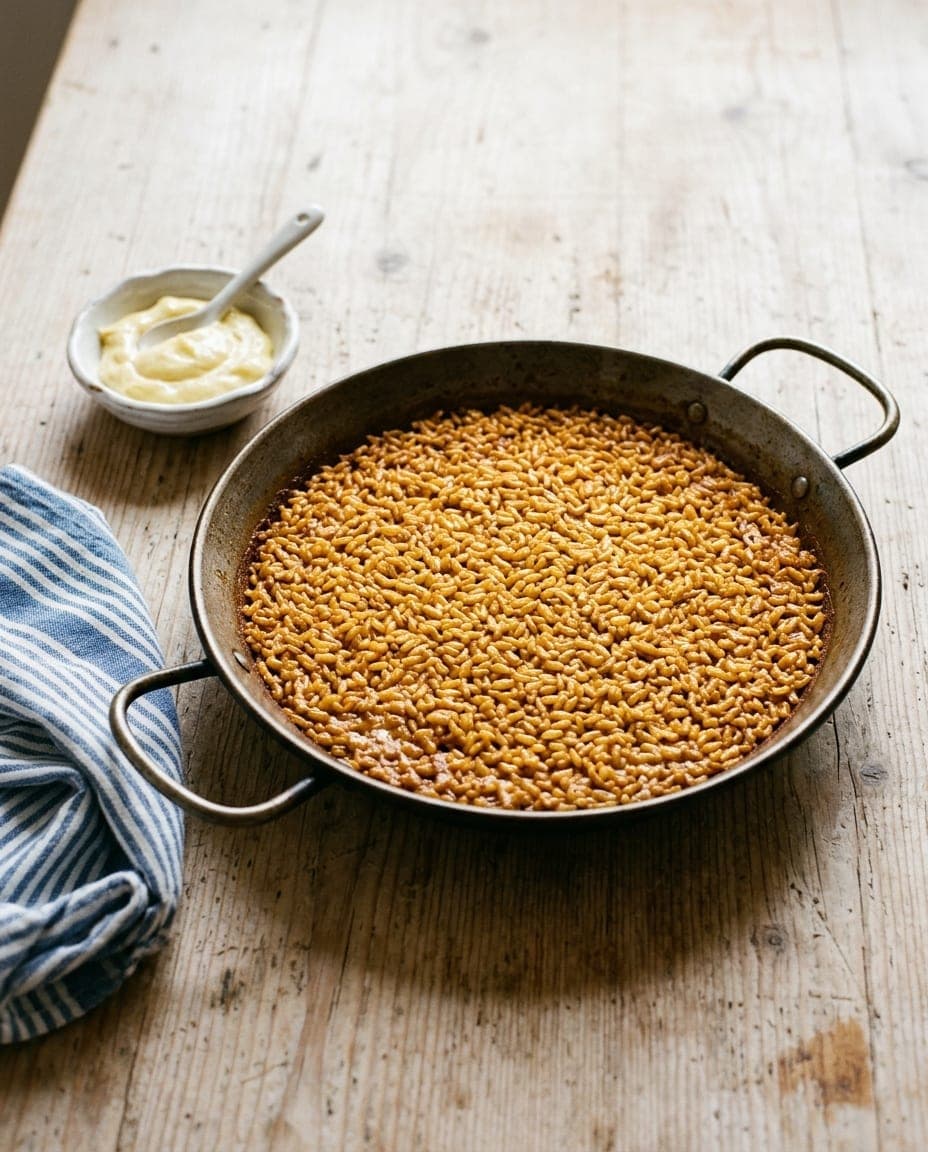
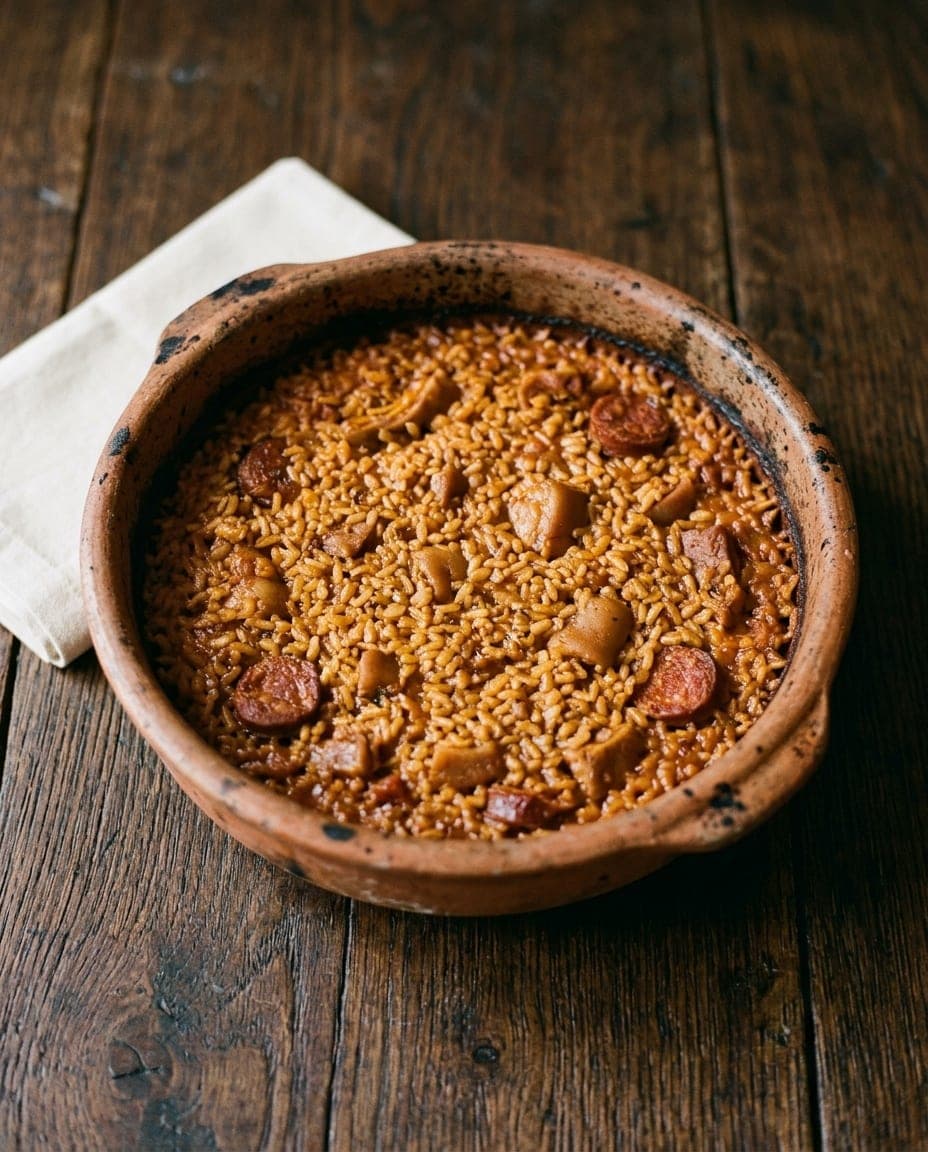
The most significant distinction lies in the filling. Morcilla de Burgos is famous for its texture, which comes from the inclusion of short-grain rice mixed with the blood, onion and pork fat before being stuffed into the casing and cooked. The result is a loose, granular consistency that feels substantial on the tongue. When sliced and fried, the exterior develops a dark, crisp crust while the interior remains soft and moist. Its onion is the local cebolla horcal, also called cebolla matancera, traditionally grown in the province of Burgos.
In contrast, Morcilla de León contains no rice. Instead, it relies heavily on onion, cooked slowly until it melts into the blood mixture. The texture is smoother and softer than the Burgos version. In some variations from this area, the sausage is smoked, adding a subtle smokiness to the earthy flavour of the blood and onion. The Asturian morcilla is also smoked, but it is firmer and intended primarily for bean stews like fabada rather than being served as a standalone tapa.
The ingredients that define it
The core components of morcilla are simple, yet the balance between them varies by region. The defining ingredient is pig's blood, which provides a deep, metallic richness. This is mixed with pork fat for moisture and a silky mouthfeel, then combined with the regional filler. In Burgos, onion actually makes up the largest share of the mix, and the rice absorbs the flavours of the blood and fat, creating a dense but crumbly texture. In León, the onions break down to create a creamy, almost spreadable consistency within the casing.
Spices are used sparingly to enhance rather than overpower the main ingredients. Black pepper is the base, often joined by paprika, oregano or cumin depending on the maker. Once the mixture is stuffed into the casing, the sausage is cooked in hot water to set the filling and, in some local styles, smoked. The final product is a dark, almost black cylinder that contrasts sharply with the pale bread it often accompanies.
How it is eaten
Morcilla is rarely served as a main course in its own right but functions as a substantial tapa or a component of a larger meal. The most traditional way to enjoy it is fried at a tapas bar, where the sausage is sliced into thick rounds and pan-fried until the outside is golden and crisp. It is then placed on a slice of rustic bread, often topped with a roasted red pepper that has been peeled and cut into strips. The sweetness of the pepper balances the savoury depth of the blood sausage. In León it is also spread on bread or stirred into scrambled eggs.
Elsewhere, morcilla goes into stews such as cocido and fabada, where it adds body to the broth. However, the fried tapa remains the most popular way to eat it for visitors. It pairs well with the red wines of the region, such as those from Ribera del Duero or Bierzo, which have enough tannin structure to cut through the richness of the fat and blood. A cold beer is also a common companion, particularly in casual settings.
Curious facts
- A protected origin. Morcilla de Burgos has been an EU Protected Geographical Indication since 2018. The specification requires horcal onion and short-grain rice, and the sausage must be made in the province of Burgos.
- Not just blood. In the Burgos version, onion and rice make up most of the final weight, altering the texture entirely compared to other European blood sausages.
- A regional divide. The Asturian version is smoked and designed to be cooked into bean stews rather than eaten as a fried tapa, highlighting how local cuisine adapts the same base ingredient.
- The pepper pairing. Fried morcilla with roasted red peppers on bread is one of the classic tapas of Castile and León.
- A year-round staple. Although tied historically to the winter matanza, morcilla is now produced and eaten throughout the year in Spain.
Where to try it
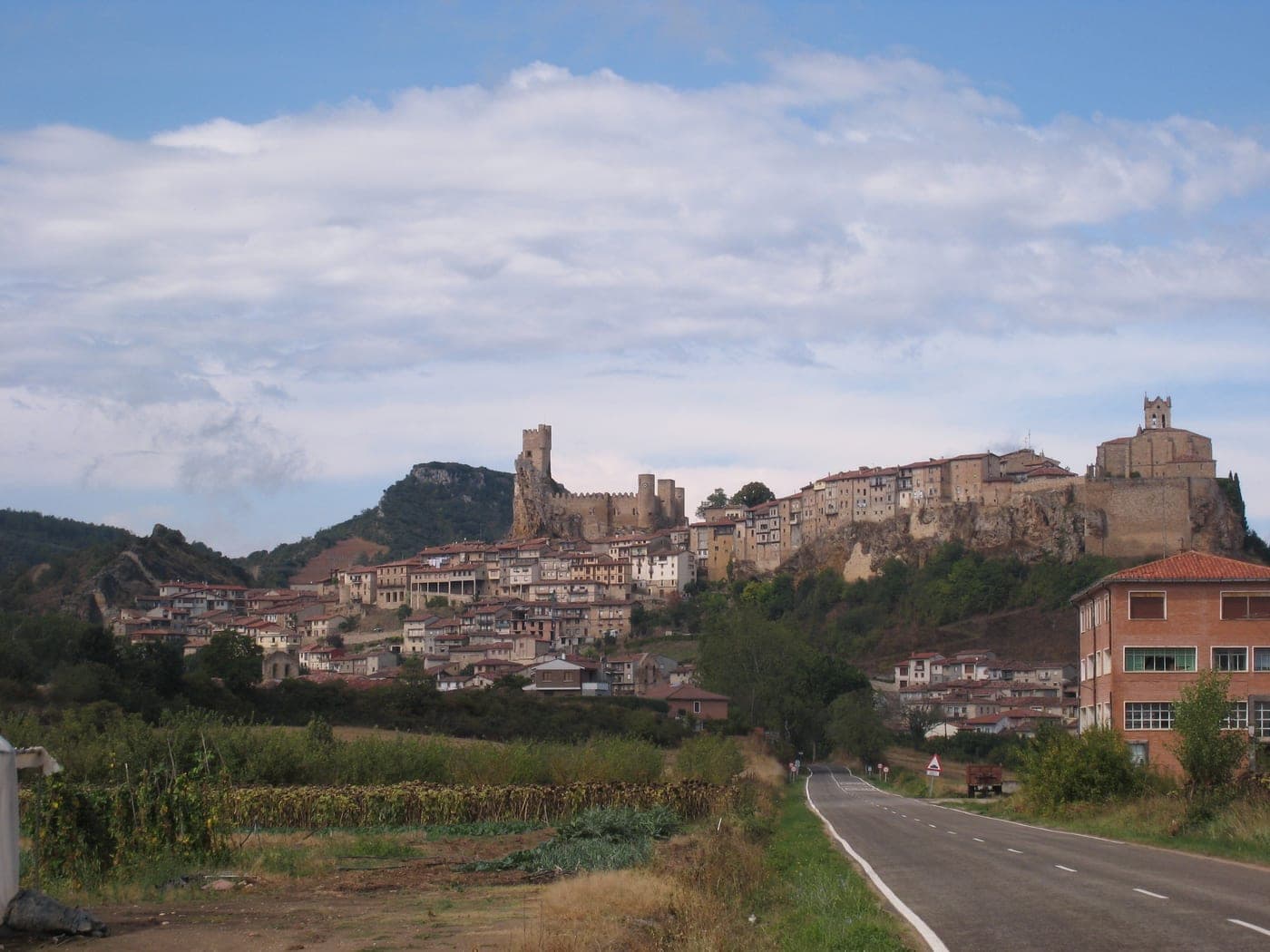
The best places to find morcilla are the cities and towns of Burgos and León, where the tradition remains strong. In Frías, a small medieval town in the province of Burgos known for its fortified bridge and narrow streets, local bars serve the Burgos style. The surrounding countryside of Castile and León offers numerous establishments where the sausage is fried to order, hot and crisp.
The dish is available year-round, though it is particularly popular during the colder months when hearty foods are in demand.
Where to try it
2 destinations
 Panoramic Trains
Frías
Medieval hilltop town featuring a castle, stunning views, and ancient streets.
Panoramic TrainsHiking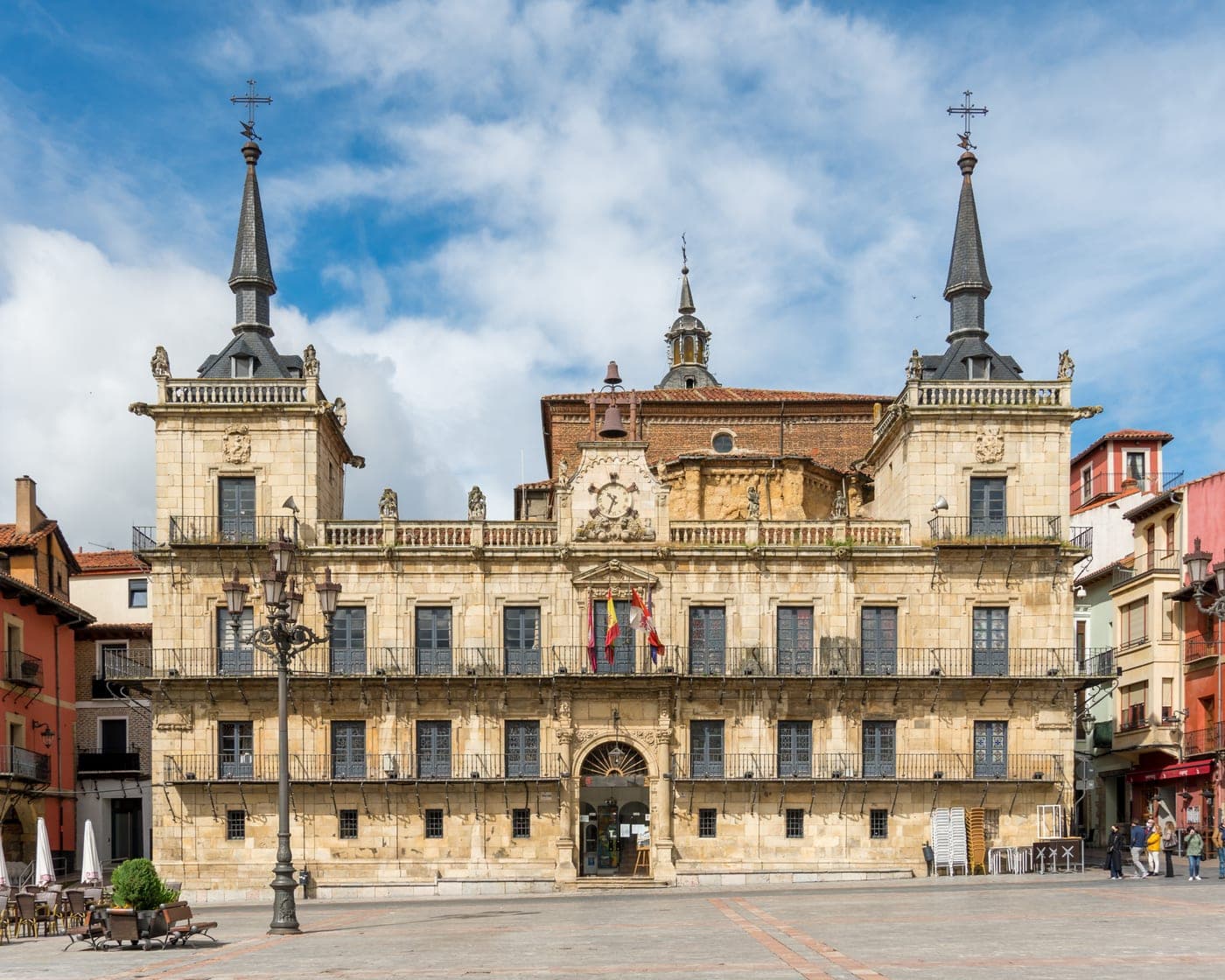 Panoramic Trains
León
Historic city on the Camino with stunning Gothic cathedral.
Panoramic TrainsHiking
1 region
- Panoramic Trains22 destinations
Castile and León
Covering over a quarter of Spain's land, this region is known for its historical richness and diverse landscapes. It features the ancient city of Salamanca, home to one of the oldest universities in the world, and Ávila, famous for its well-preserved medieval walls. The region also boasts stunning natural parks like Sierra de Guadarrama and the Duero Valley, known for its exceptional wine production, particularly Ribera del Duero. Castile and León is the birthplace of Spanish language and literature, with paths like the Camino de Santiago running through it. Visitors can explore lesser-known towns like Pedraza and Sepúlveda, where traditional crafts and gastronomy thrive, offering a genuine taste of local culture.
Panoramic TrainsHikingWine TastingLocal Cuisine