Lechazo asado
Milk-fed lamb roasted in wood-fired ovens across Castile and León
- Local name
- Lechazo asado
- Served with
- Lettuce salad, bread
- Best eaten at
- A Castilian asador
- Pairs with
- Ribera del Duero
What it is
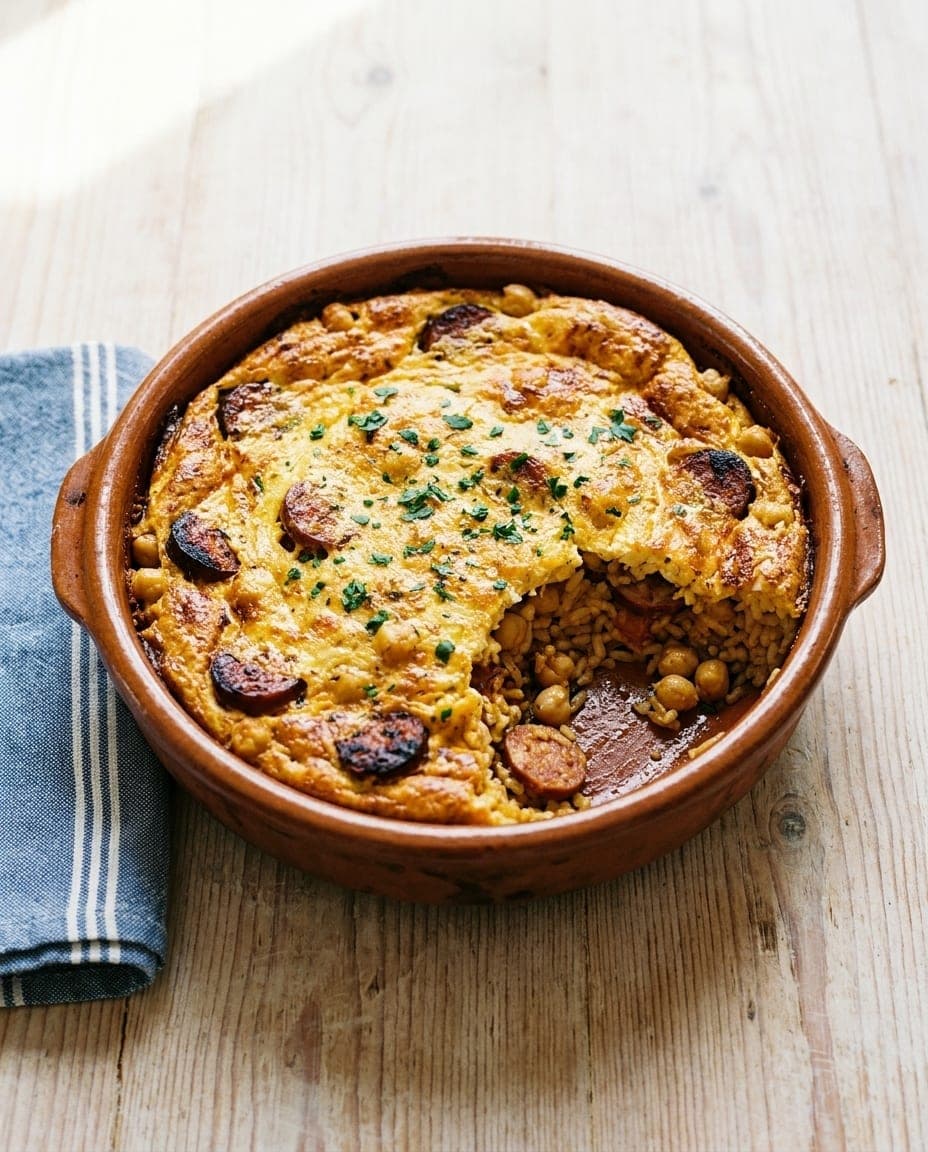
Lechazo asado, roast milk-fed lamb, is the defining dish of Spain's Castile and León region. The meat itself carries a protected geographical indication, Lechazo de Castilla y León, which guarantees lambs of the local Churra, Castellana and Ojalada breeds, fed exclusively on their mothers' milk. The term lechazo refers to a lamb slaughtered while still nursing, and under the PGI that means no more than 35 days old.
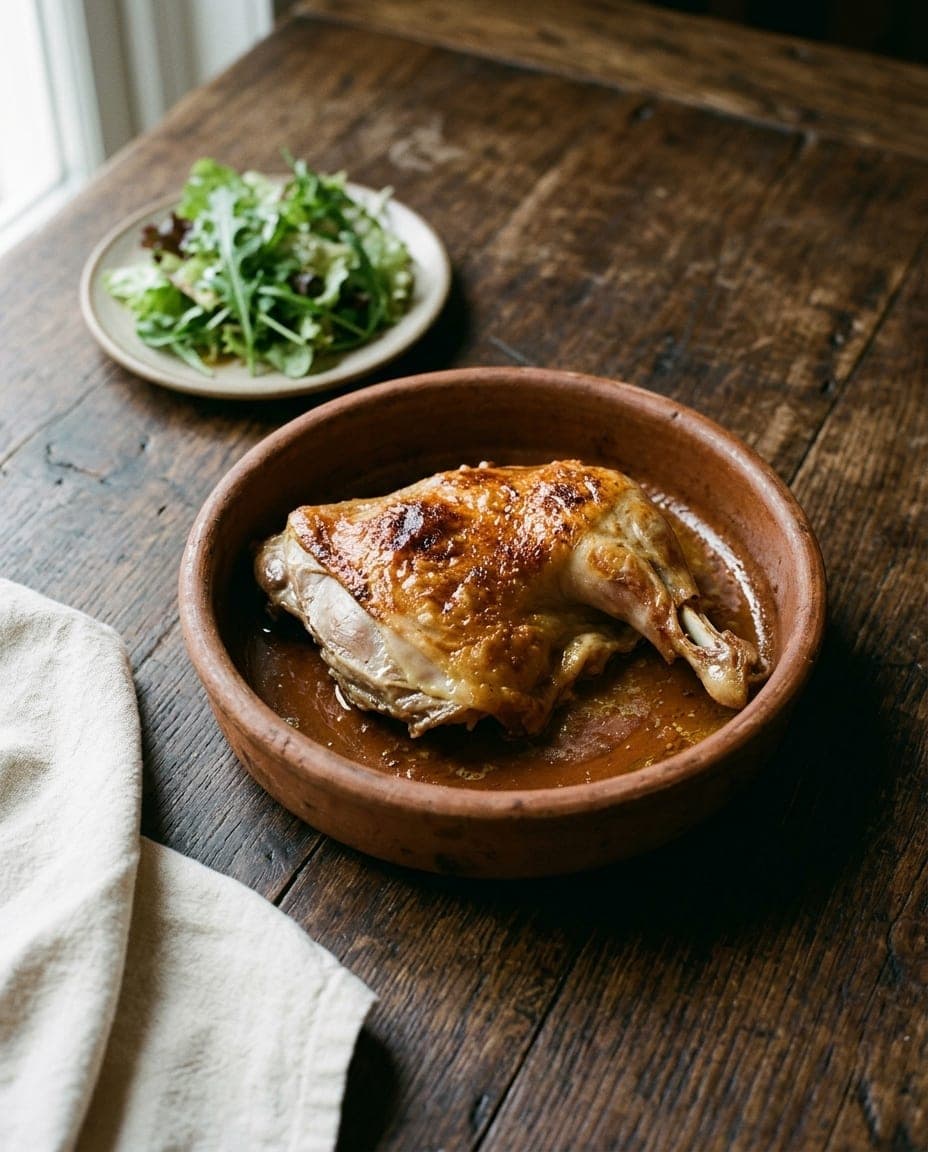
The dish is not a heavy stew or a spiced roast. It is an exercise in restraint. A quarter of the lamb, either a front or a hind quarter, is placed in a shallow earthenware dish with only a splash of water and salt. There is no marinade and usually no herbs; some cooks add a little lard. The flavour comes from the slow roasting in a wood-fired oven. The result is meat that falls easily off the bone, pale and tender inside, while the skin turns crisp and golden. It is often mentioned in the same breath as Segovia's roast suckling pig, yet it stands on its own merits through its delicate texture.
The land that makes the lamb
The story of lechazo begins on the cereal plains of the northern Meseta, the high plateau crossed by the Duero, where the Churra, Castellana and Ojalada breeds of sheep have grazed for centuries. These are hardy animals adapted to the harsh climate, and the region's flocks are kept mainly for milk and cheese, which makes young lambs a natural by-product. It is a landscape of dry grasses, wheat fields and vineyards stretching toward the horizon under a wide sky.
Because the lamb has known nothing but milk, the flesh is pale, mild and tender, free of the stronger flavour of older grazing sheep. This is why it can be roasted simply with salt and water, relying on the heat of the oven to develop its character rather than heavy seasoning.
How it is cooked
The method of cooking lechazo asado is as important as the ingredients. The lamb quarter is placed skin-side down in a shallow earthenware dish, a cazuela de barro, with just enough water to keep the meat from drying out. The dish then goes into a wood-fired oven, traditionally a domed brick oven heated with holm oak or vine prunings, where it roasts slowly for a couple of hours.
The heat of the oven is crucial. It must be high enough to crisp the skin but controlled enough to keep the meat tender. The cook turns the lamb once during roasting, skin-side up for the final stretch, and bastes it with the juices. The result is a contrast between the crisp, golden exterior and the pale, melting interior, with the earthenware dish holding the heat evenly.
This approach requires patience and experience: an overcooked lechazo loses its delicate texture, while an undercooked one leaves the skin chewy rather than crisp.
What goes into it
The simplicity of lechazo asado means there are very few components:
- Milk-fed lamb: A young lamb of the Churra, Castellana or Ojalada breeds, slaughtered while still on its mother's milk.
- Earthenware dish: A shallow clay dish that holds the meat and allows it to roast evenly.
- Water: A small amount added to the dish to prevent drying and create the juices.
- Salt: The only seasoning, applied sparingly to enhance the natural flavour of the meat.
- Wood fire: The heat source that gives the oven its intense, even heat.
The lamb is served with a plain lettuce salad, often with onion, and crusty bread. The salad's freshness contrasts with the richness of the roasted meat, and the bread is essential for mopping up the juices left in the dish.
How to eat it
Lechazo asado is best experienced at an asador, a restaurant dedicated to roasting in a wood-fired oven. These are common in towns across Castile and León, particularly in Aranda de Duero, Sepúlveda and Peñafiel, and many keep the oven in view of the dining room.
The dish arrives in the earthenware dish in which it was cooked, often already cut into pieces. The salad is eaten alongside, its freshness balancing the lamb.
The traditional pairing is a red wine from the Ribera del Duero, made mainly from Tempranillo, whose structure and dark fruit complement the mild lamb without overpowering it. A red from Toro or Cigales is also a local choice.
The experience is communal. A quarter lamb typically serves two to three people, and the meal is meant to be savoured slowly.
Why it matters
Lechazo asado reflects the Castilian way of life, built on the land, its flocks and cooking methods passed down through generations.
The Lechazo de Castilla y León PGI protects the meat itself: it rules out older lambs, other breeds and lambs that have been given feed. The roasting tradition is kept alive by the asadores, and in towns such as Aranda de Duero many visitors come specifically to eat roast lamb, supporting local farms and restaurants alike.
Curious facts
- The wood-fired oven is the heart of it. Asadores swear by their wood-fired ovens, and the dish is closely tied to them.
- Little or nothing is added. Water and salt are traditionally all the lamb needs, so the delicate taste of the milk-fed meat comes through.
- The salad is part of the ritual. The plain lettuce salad is not an afterthought but the standard companion, balancing the richness of the lamb.
- The meat falls off the bone. A properly cooked lechazo is so tender that it separates easily, needing little more than a fork.
Where to try it
The best-known places to eat lechazo asado are the asadores of Aranda de Duero, Sepúlveda and Peñafiel, where wood-fired ovens are still in daily use. In Aranda de Duero, many restaurants specialise almost entirely in this dish.
Smaller towns and villages along the Duero valley also have family-run asadores that have been operating for decades. Booking ahead is advisable, especially at weekends and in summer, and the portions are generous, so the meal is best enjoyed slowly and with an appetite.
Where to try it
3 destinations
 Wine Tasting
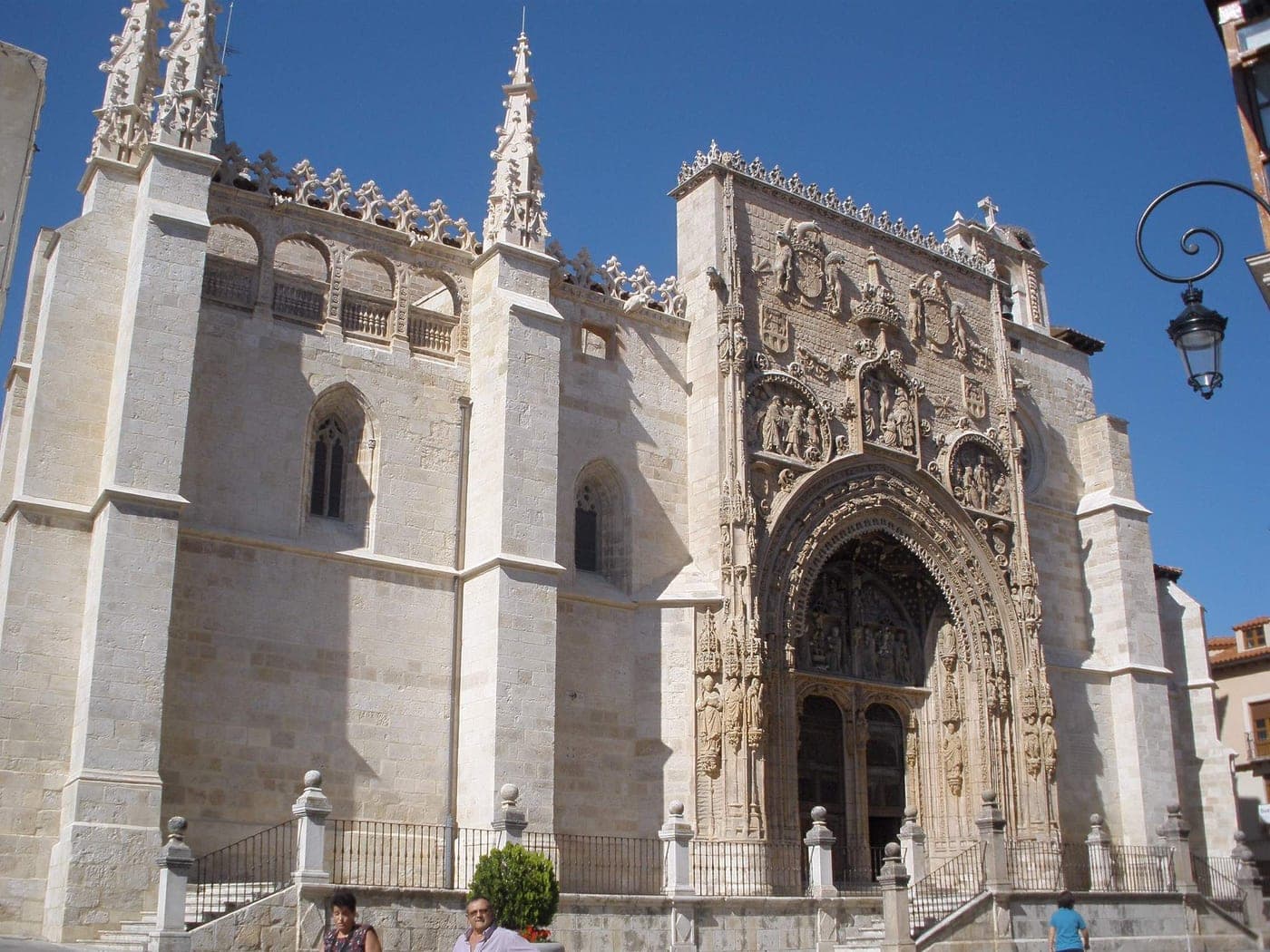
Aranda de Duero
Heart of Ribera del Duero with renowned wineries and historic cellars.
Wine TastingHikingLocal Cuisine Panoramic Trains
La Olmeda
Roman archaeological site featuring well-preserved mosaics and ruins.
Panoramic Trains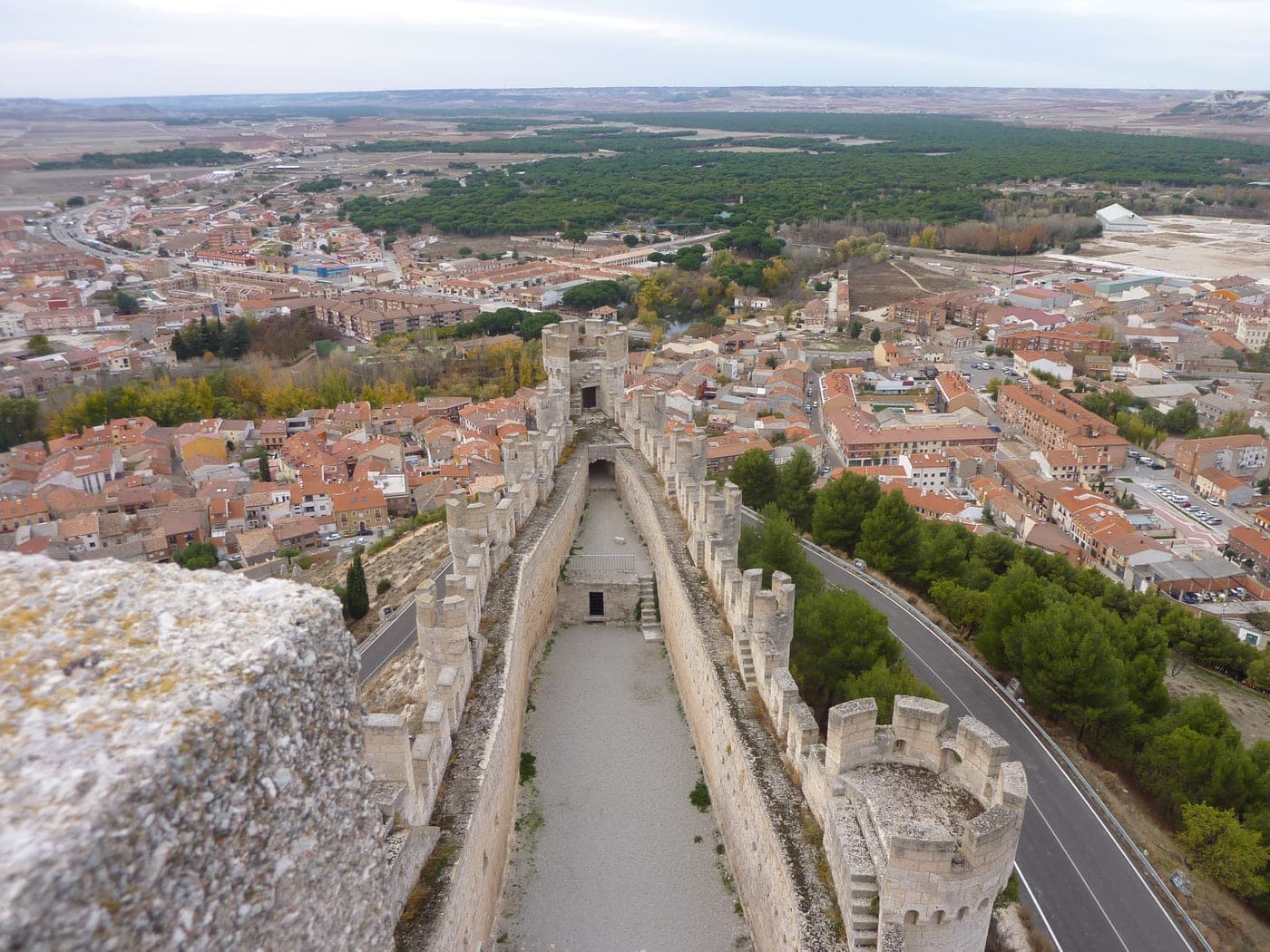 Wine Tasting
Peñafiel
Medieval castle town in Ribera del Duero with renowned wineries and wine museum.
Wine TastingHiking
1 region
 Panoramic Trains22 destinations
Castile and León
Covering over a quarter of Spain's land, this region is known for its historical richness and diverse landscapes. It features the ancient city of Salamanca, home to one of the oldest universities in the world, and Ávila, famous for its well-preserved medieval walls. The region also boasts stunning natural parks like Sierra de Guadarrama and the Duero Valley, known for its exceptional wine production, particularly Ribera del Duero. Castile and León is the birthplace of Spanish language and literature, with paths like the Camino de Santiago running through it. Visitors can explore lesser-known towns like Pedraza and Sepúlveda, where traditional crafts and gastronomy thrive, offering a genuine taste of local culture.
Panoramic TrainsHikingWine TastingLocal Cuisine