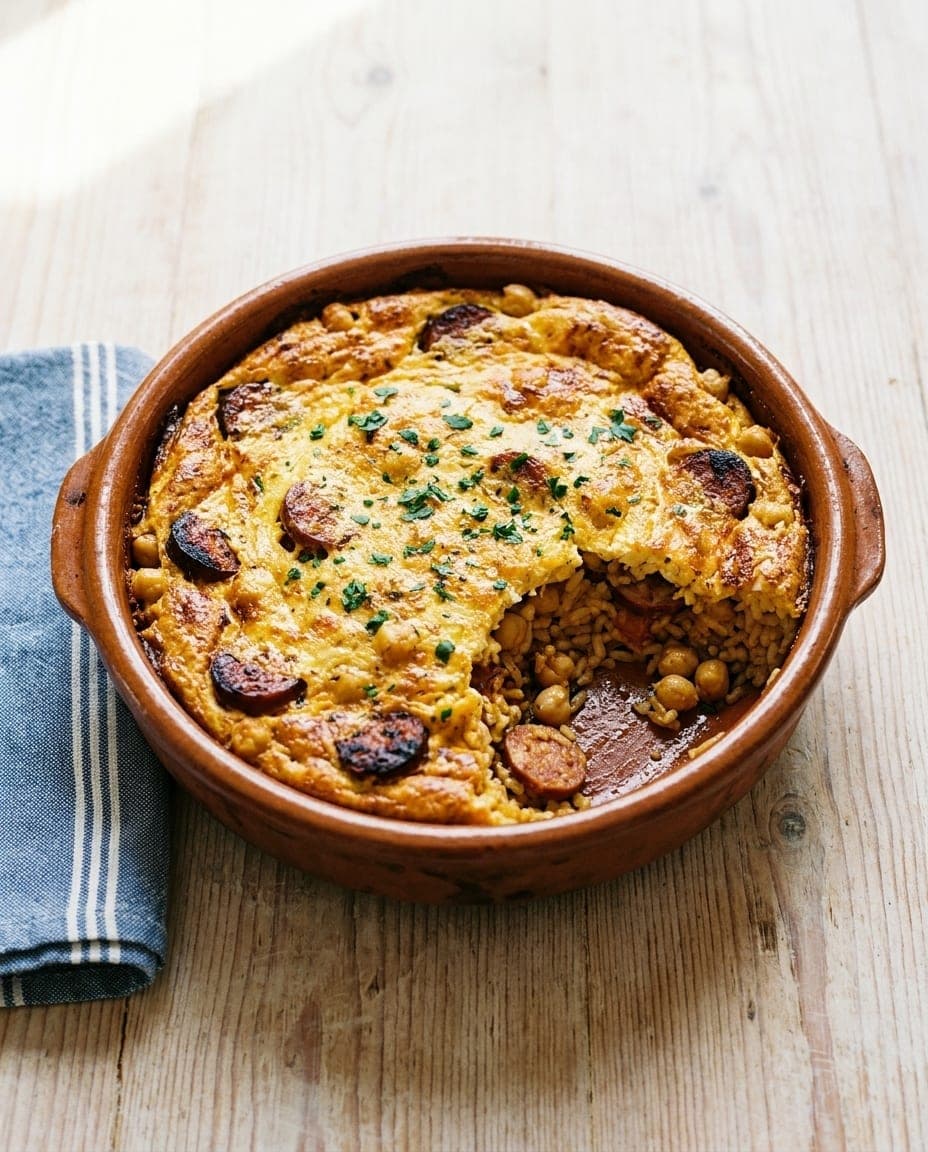
Gamba blanca de Huelva
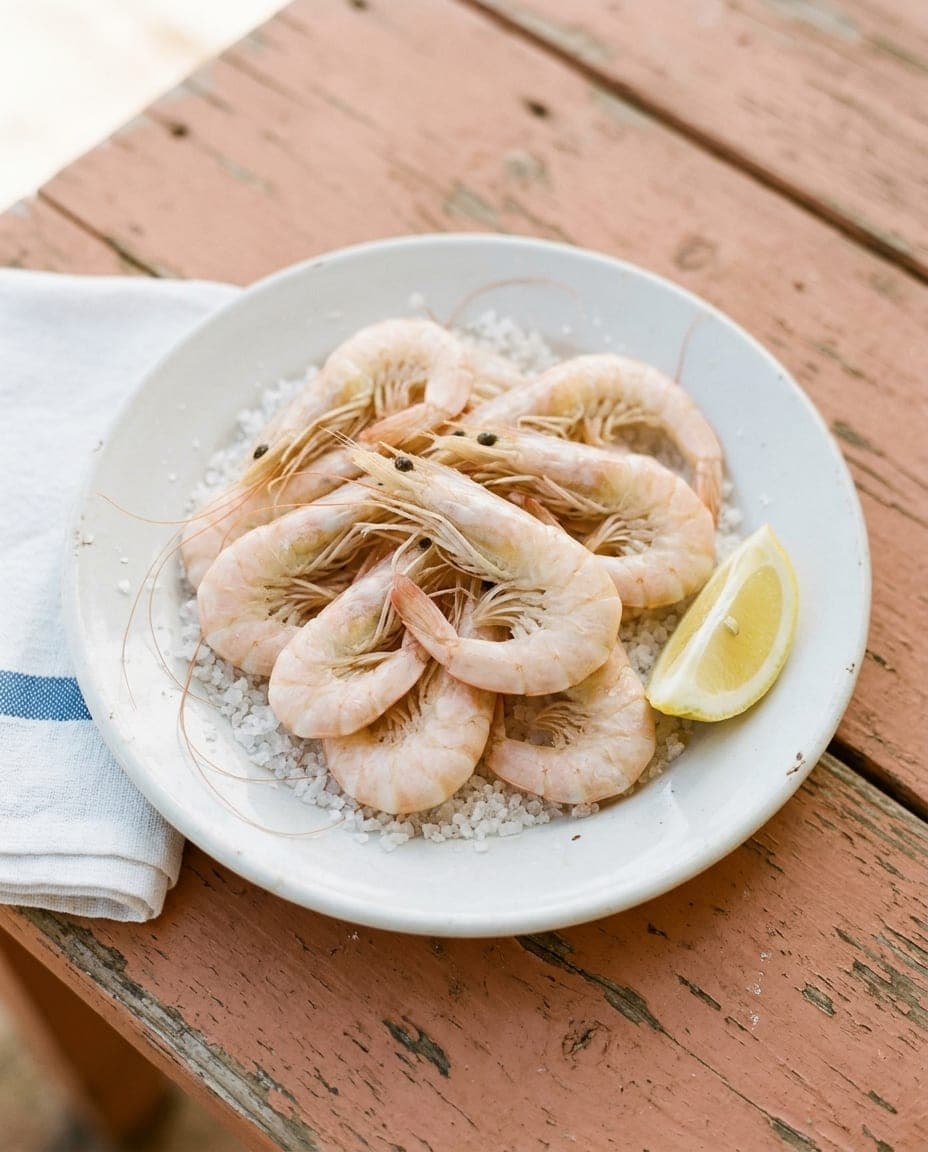
Sweet white prawns of Huelva, boiled in salted water and served with coarse salt
- Local name
- Gamba blanca de Huelva
- Served with
- Coarse salt
- Best eaten at
- A Huelva seafood bar
- Pairs with
- Manzanilla or Condado white
What it is
The gamba blanca de Huelva is the deep-water rose shrimp (Parapenaeus longirostris) as it is landed on the Atlantic coast of the province of Huelva, in the Gulf of Cádiz, at ports such as Huelva, Punta Umbría and Isla Cristina. It is distinct from the red prawns prized on the Mediterranean coast, possessing a pale, pinkish shell and a flesh that remains firm yet delicate. Many in Huelva argue that this white prawn offers a sweeter, more refined flavour than its red cousin.
The dish itself is an exercise in restraint. The prawns are boiled in sea water or heavily salted water for a very short time, just long enough to cook the flesh. They are then cooled immediately, usually in iced water, and served cold. There is no sauce, no butter and no garlic oil. The only accompaniment is a little coarse salt. In some bars the prawns are also cooked briefly on a hot griddle (plancha), but even then the focus remains on the natural sweetness of the catch.
The name and its reputation
The same species is fished elsewhere in the Atlantic and the Mediterranean, but the prawns landed in Huelva enjoy a particular reputation across Spain, and the province's fish markets and bars trade heavily on it.
The prawns are wild-caught on the muddy and sandy seabed of the continental shelf and slope, where they feed on small crustaceans and organic matter. Locals credit these fishing grounds with the sweetness of the catch. Lepe, just west of Huelva city, and the fishing towns along the coast towards Portugal are particularly associated with it.
How it is caught and prepared
The prawns are harvested by bottom trawlers that work the grounds where they live. The fishery is regulated, with minimum landing sizes set at EU level, and the catch is brought ashore quickly to preserve freshness and sold at the fish auctions of the province's ports.
Once the prawns reach the kitchen, the preparation is minimal. They are dropped into boiling water salted to mimic the sea. The cooking time is brief, measured in a minute or two rather than longer, so that the meat does not become tough or rubbery. After boiling, they are cooled rapidly to stop the cooking and lock in the texture. This cold serving is essential to the local style: the prawns are eaten chilled, allowing the delicate sweetness of the flesh to show.
The ritual of eating
Eating a plate of gamba blanca de Huelva is a tactile experience. The prawns are served with the shells on and peeled by hand, which is seen as part of the tradition rather than a hindrance. A pinch of the coarse salt is added to each prawn as it is eaten.
The head is particularly prized. Many diners suck the head to extract the rich, concentrated juices inside, a step locals consider essential to the full flavour. The body is then peeled and eaten, often with a glass of manzanilla or a dry fino sherry, or a white wine from the local Condado de Huelva. These light, dry wines act as a counterpoint to the sweetness of the prawns.
A cold beer is also a common companion, particularly on hot days along the coast. The simplicity of the dish means that the quality of the prawn is the only thing that matters; any flaw in freshness or overcooking becomes immediately apparent.
Curious facts
- A battle of sweetness. Spanish diners often debate whether the white prawn of Huelva or the red prawn of the Mediterranean is the finer, with many in Huelva insisting the white variety has the more refined taste.
- The head matters. Sucking the head of the gamba blanca is a traditional practice in Huelva to extract the concentrated juices and flavour.
- A cold affair. The prawns are almost always served cold after boiling, a method that preserves their delicate texture.
- A local wine match. Manzanilla from Sanlúcar de Barrameda and the whites of the Condado de Huelva are the classic regional pairings.
Where to try it
The most authentic experience of this dish is found in the province of Huelva, particularly in coastal towns like Isla Cristina, Punta Umbría and Lepe, where the catch is landed. Here, small seafood bars specialise in fresh shellfish. These are unpretentious places, often with simple tables and a view of the fishing boats returning to port.
Along this coast the local gamba blanca is treated as a regional treasure and is available year-round in seafood bars and markets. Huelva city itself offers excellent options, while the smaller bars near the fishing ports often provide the most direct connection to the source.
The best plates are those where the prawns are piled high on a simple plate, ready to be peeled and savoured with a glass of local wine; complex sauces or heavy garnishes would only mask the character of the catch.
Where to try it
1 destination
 Boat Rentals
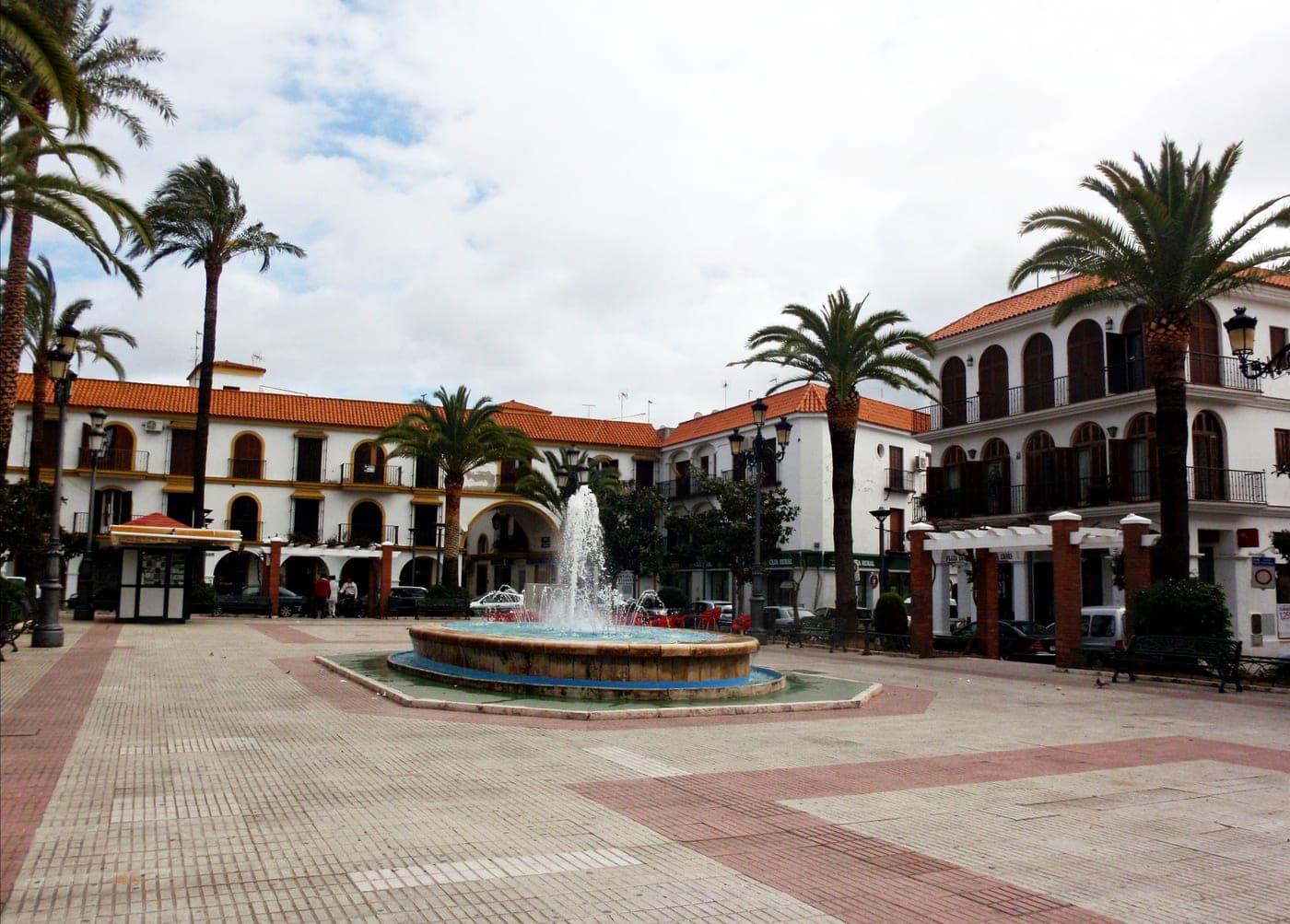
Lepe
Coastal town in Huelva with access to marinas and boat rentals near the Portuguese border.
Boat RentalsHiking