Espetos de sardinas
Sardines skewered on canes, grilled over olive-wood embers on Málaga beaches
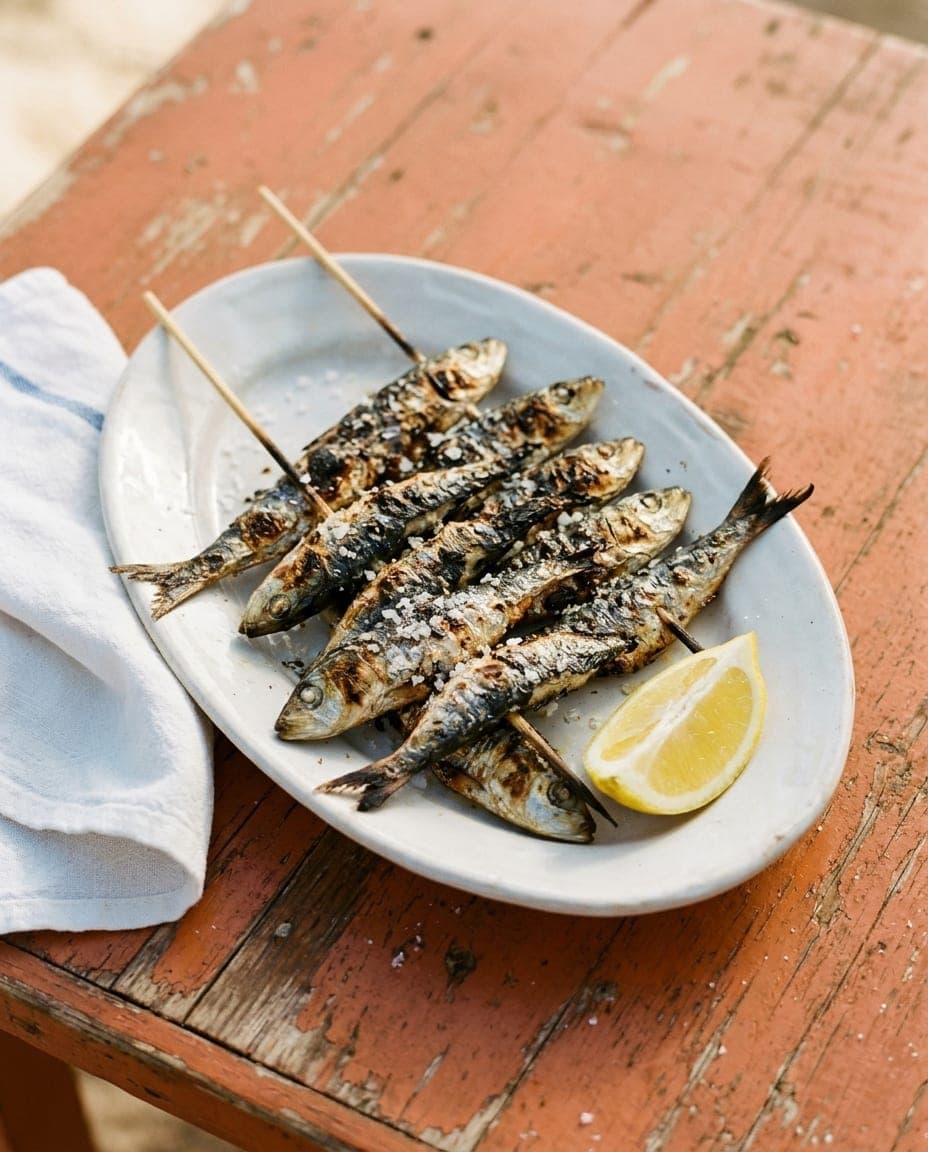
- Local name
- Espetos de sardinas
- Best eaten at
- A Málaga beach chiringuito
- Pairs with
- Cold caña or fino
What it is
Espetos de sardinas are sardines threaded onto a thin cane skewer and grilled beside an open fire on a beach in Andalusia. The scene is specific to the coast around Málaga, where the fish are cooked in an old boat filled with sand. This vessel acts as the stove: the embers are laid in the sand and the skewers are stuck into it alongside, leaning towards the heat. The flames do not touch the fish directly; they cook from the side, turning golden and crisp without burning.
The result is a simple, smoky dish that tastes of the sea and the wood smoke. The sardines are usually left ungutted and sprinkled with coarse salt, which keeps the flesh moist and rich. They are threaded whole, usually five or six to a cane, and turned once as they cook. The meat is tender, salty and warm, eaten immediately with the fingers and a slice of bread. It is a meal defined by its setting rather than complex seasoning, relying on the quality of the fish and the skill of the cook.
The season of the months without an R
Sardines are said to be at their best in the months without an R in Spanish — mayo, junio, julio and agosto — when the fish are at their fattest. Another local saying, de virgen a virgen, stretches the best season from mid-July into early September. Outside summer the fish are leaner and less suited to this style of grilling, though espetos are served on the coast for much of the year.
The rhythm of the season dictates the life of the espetero, the person who threads the skewers and tends the fire. This is a recognised trade on the Málaga coast, passed down through families or learned by those who work the beaches daily. The espetero knows when the embers are at the right heat and how to angle the skewers so the fish cook evenly without drying out. The trade requires patience and a steady hand, as the fire must be kept going for hours.
The boat as a stove
The cooking method is distinct from other forms of grilling in Spain. Instead of a flat grill or a charcoal pit, the espetero uses a small boat filled with sand. The sand holds the skewers upright at an angle and contains the embers safely. The fire is traditionally made with olive wood, which burns long and hot and adds its own smoky flavour to the sardines.
The fish are threaded through the body, avoiding the spine, so they hang securely as they cook. The skewers are turned so that both sides cook evenly while the skin crisps and the flesh stays soft. The smell of burning wood and roasting fish fills the air, drawing people from the promenade to the edge of the water.
A little history
The tradition is usually traced to the 19th century and to El Palo, then a fishing village east of Málaga and now part of the city. In 1882 Miguel Martínez Soler, known as "Migué er de las sardinas", opened a beach merendero there, often described as the forerunner of today's chiringuitos. A well-known anecdote has him teaching King Alfonso XII, on a visit in 1884, that sardines are eaten with the hands rather than with a knife and fork. Local promoters have more recently sought UNESCO recognition for the espeto as intangible cultural heritage.
How it is eaten
The dish is served straight from the boat to the table, often a plastic chair and table set up on the sand nearby. The skewers are hot to the touch, so diners often wait a moment before eating. There is no cutlery involved; the sardines are eaten with the fingers, pulling the flesh away from the bones.
Bread is used to soak up the juices that run from the fish. A cold beer, known locally as a caña, or a glass of fino sherry, is the classic companion. No sauces or side dishes are needed. The simplicity is the point: the taste of the sardine, the smoke and the sea air are enough.
Where the tradition lives
The setting for this dish is the chiringuito, a beach bar found along the Costa del Sol and within the city limits of Málaga. These small, open-air places are built right on the sand, often just steps from the water. They range from rustic shacks to more permanent buildings with tiled floors, but they all share the same purpose: serving food and drink to people who want to eat by the sea.
In Málaga city, chiringuitos stretch along the beaches of La Misericordia, Pedregalejo and El Palo. Elsewhere on the Costa del Sol, in towns such as Nerja, Torremolinos or Estepona, the same tradition continues, and contests are held to choose the coast's best espetero. The chiringuito is not a fancy restaurant; it is a place where people come to relax, watch the sun go down, and eat a meal that connects them to the fishing heritage of the region.
Curious facts
- The skewer is cane, not metal. Traditional espetos use thin canes, which do not conduct heat the way metal would.
- No gutting required. The sardines are usually cooked whole and ungutted, which keeps the oils inside the fish.
- A single turn. Unlike many grilled dishes that require constant flipping, espetos are typically turned only once.
- The boat is a stove. The sand-filled boat holds both the embers and the skewers, cooking the fish with radiant heat.
- A local trade. The espetero is a specific role on the Málaga coast, requiring knowledge of wood, fish and timing.
Where to try it
1 destination
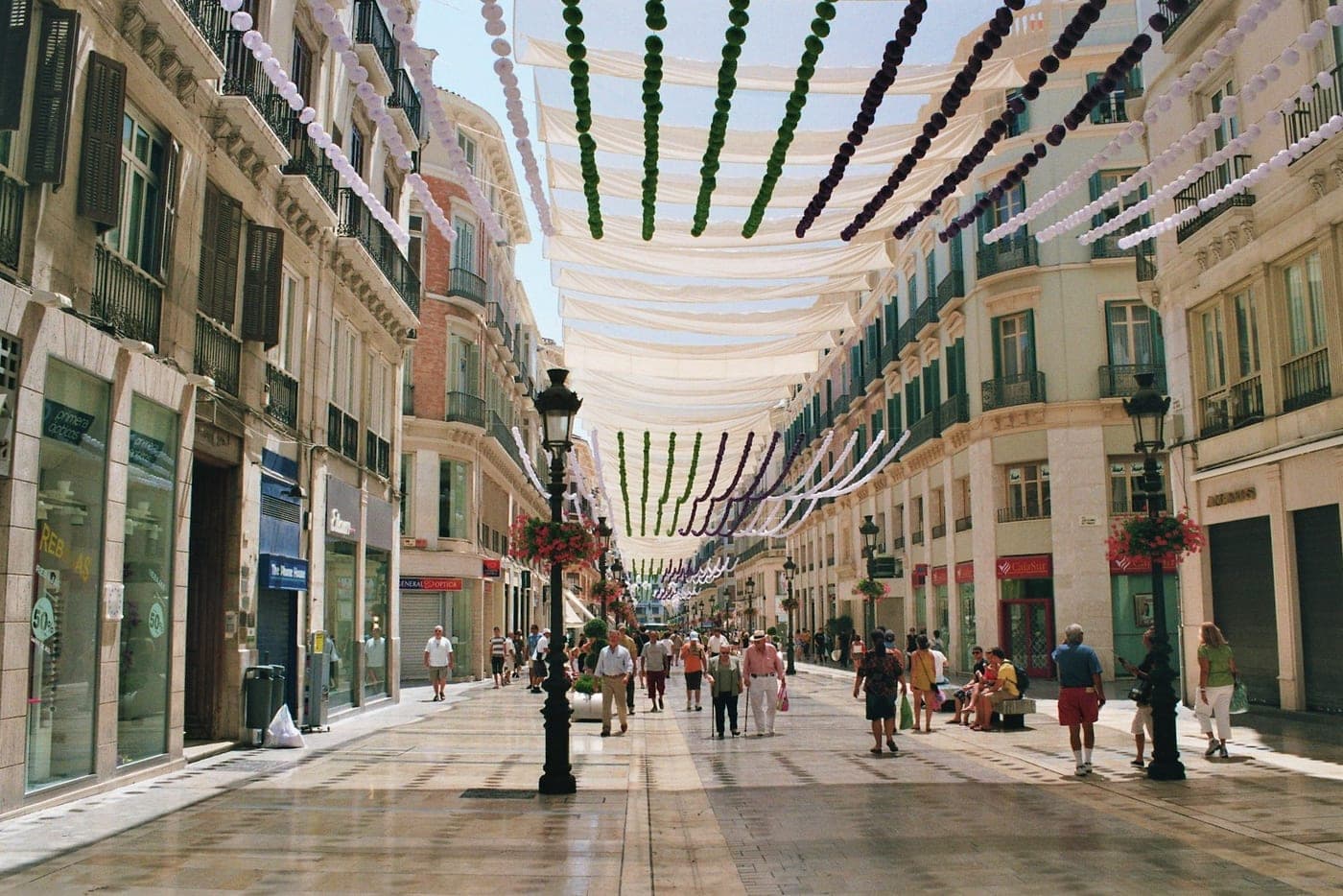 Camper Van Rentals
Malaga
Coastal city with beaches, Picasso museum, and Moorish fortress.
Camper Van RentalsHiking
1 region
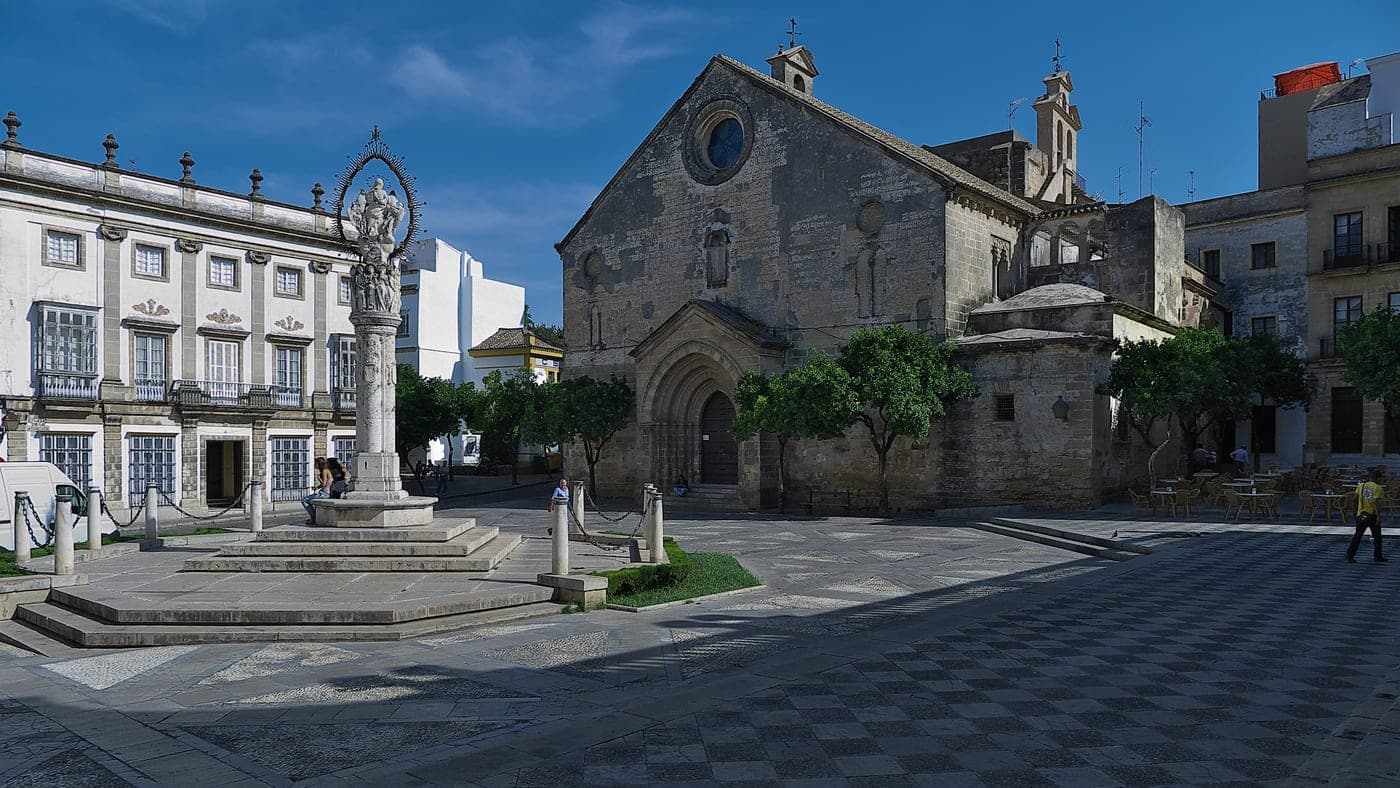 Wine Tasting12 destinations
Andalusia
Andalusia stands as Spain's largest autonomous community, renowned for its diverse landscapes, from sun-soaked beaches to rugged mountains. The region is famed for its rich Moorish heritage, best exemplified in cities like Granada, home to the Alhambra, and Seville, known for its cathedral and flamenco culture. Cordoba boasts the stunning Mezquita, while Ronda captivates with its dramatic gorge. Unique local festivals such as Feria de Abril and Semana Santa highlight Andalusian culture. The region produces excellent wines, particularly from Jerez, and is the birthplace of tapas. Off the main tourist paths, towns like Grazalema and Mijas offer authentic experiences amid beautiful natural settings.
Wine TastingHikingLocal CuisineBoat Rentals





