Crema catalana
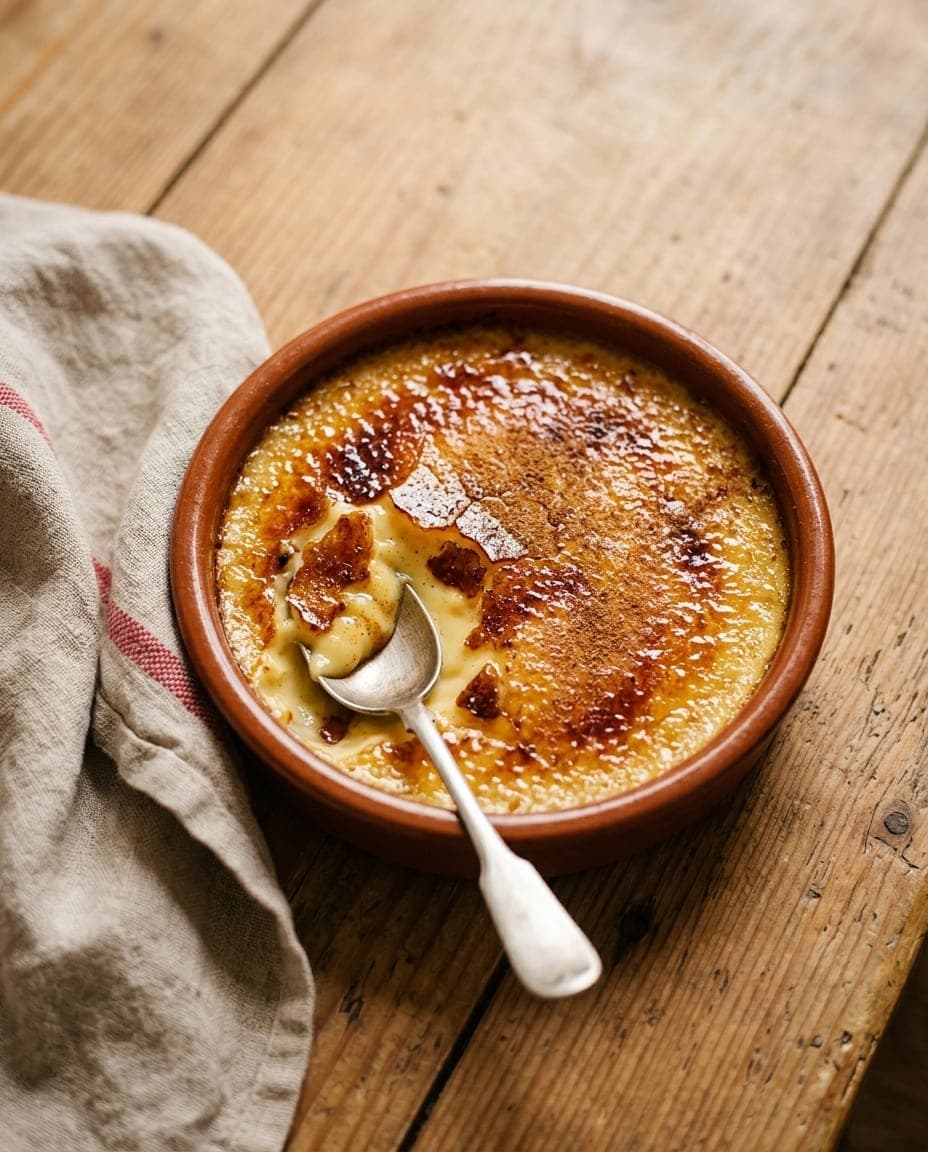
Lemon and cinnamon custard with a burnt sugar crust from Catalonia
- Vegetarian
- Local name
- Crema catalana / Crème catalane
- Pairs with
- Moscatel, Banyuls or Muscat de Rivesaltes
What it is
Crema catalana is the classic custard of the Catalan lands: a thick, pale yellow milk custard flavoured with lemon zest, cinnamon and sometimes orange peel, set in a shallow earthenware dish and finished with a hard sheet of caramelised sugar that cracks under the spoon. In Catalonia, Spain, it is crema catalana. North of the Pyrenees, in the Pyrénées-Orientales, the French department that broadly corresponds to the historical province of Roussillon, or Northern Catalonia, the same dessert is crème catalane. The two are separated only by the mountains and a few kilometres of border.
It is lighter than the French crème brûlée: made with milk rather than cream, and thickened on the stove with egg yolks and cornflour rather than baked in an oven. A proper one is firm enough to hold its shape when the spoon strikes the crust, yet yields smoothly without being gelatinous. It is served well chilled.
A dessert of two nations
The origins are bound up with the culinary history of Catalonia, though they overlap with similar custards found across Europe. Catalan writers often describe it as one of the oldest custard desserts in Europe, and some trace it to the milk-and-egg creams of medieval Catalan cookery books. The exact line from those recipes to today's dessert is hard to document, and the moment the custard acquired its burnt sugar topping is not recorded. There is no authoritative account of who first made it.
The relationship with crème brûlée is a subject of ongoing debate. The earliest printed recipe for crème brûlée is usually dated to François Massialot's cookbook of 1691, and Catalan advocates argue that their cream is older. The question remains unresolved.
The dessert is tied to the calendar of the Catalan people in both France and Spain. It appears on tables all year but holds a special place on 19 March, Saint Joseph's Day, when it is known in Catalan as crema de Sant Josep. Bakeries and pastry shops in Catalonia prepare extra quantities for the day, and in Roussillon it has long been a staple in the households of the Perpignan plain. Family recipes vary from village to village on both sides of the border, usually in the citrus used or the balance of yolks to starch.
How it differs from crème brûlée
The difference lies in ingredients and method. Crema catalana uses milk, infused with strips of lemon or orange peel and a cinnamon stick, and is thickened with egg yolks and a little cornflour, cooked gently on the stovetop and whisked until it coats the back of a spoon. Crème brûlée relies on cream and egg yolks, is usually flavoured with vanilla and is baked slowly in a water bath, giving a denser texture.
The finish differs too. The sugar on crema catalana is traditionally burnt at the last moment with a cremador, a flat iron disc heated until red-hot and pressed onto the sugar, creating a thin, glass-like crust. Crème brûlée is more often caramelised with a blowtorch or under a hot grill, and a blowtorch is now common for the Catalan dessert too.
What goes into it
There is no single official recipe, but the core components are consistent:
- Milk: the base, giving a lighter texture than cream.
- Egg yolks: whisked with sugar; they enrich the custard and share the thickening work.
- Cornflour or starch: gives body and a firm, stable set without baking.
- Lemon or orange peel: infused in the milk; some cooks prefer lemon, others orange or a blend.
- Cinnamon: a whole stick steeped in the warm milk, then removed.
- Sugar: to sweeten the custard and, spread evenly over the cold surface, to make the caramel crust.
The custard is poured into shallow dishes to cool and set. Once cold, it is covered with sugar that is burnt to a deep amber just before serving, so the crust stays crisp.
How to eat it
It is served as a dessert at the end of a meal, cold, with a spoon for cracking the crust. The spoon taps the surface until the caramel shatters, revealing the smooth custard beneath. Each spoonful ideally combines a shard of brittle, slightly bitter sugar with the cool, sweet custard; that contrast is the point of the dish.
On Saint Joseph's Day it often closes a family meal. In Catalonia it pairs with sweet wines such as Moscatel, which complement the citrus and cinnamon. In Roussillon it is often accompanied by a glass of the region's sweet fortified wine, Banyuls or Muscat de Rivesaltes, their honeyed notes echoing the caramel.
Curious facts
- The iron disc. Traditional kitchens still caramelise the sugar with a red-hot iron disc, the cremador, though a blowtorch is now common.
- No oven required. Unlike crème brûlée, the custard is cooked entirely on the stovetop, needing only a pan, a whisk and a way to burn the top.
- A holiday name. On Saint Joseph's Day it becomes crema de Sant Josep.
- Citrus and spice. Lemon or orange peel and cinnamon, rather than vanilla, give the custard its aroma.
- A shared heritage. Whether crema catalana or crème brûlée came first remains unresolved.
Where to try it
In Catalonia, Barcelona and the surrounding countryside are the obvious places. In Barcelona, traditional restaurants, granges (old-style dairy cafés) and pastry shops serve the dessert year-round, with a special focus on 19 March. In rural inns and village restaurants it may come with a slightly different balance of flavours or a thicker crust, and it appears on menus everywhere from high-end restaurants to simple family taverns.
In French Catalonia, Perpignan's restaurants and cafés serving Catalan cooking list it as crème catalane, and it is a familiar dessert in the villages of the surrounding plain, such as Banyuls-dels-Aspres, Corneilla-del-Vercol and Villeneuve-de-la-Raho, often in a shallow terracotta dish. The most rewarding places on either side of the border are those whose menus list local wines and regional specialities with pride.
Where to try it
5 destinations
 Camper Van Rentals
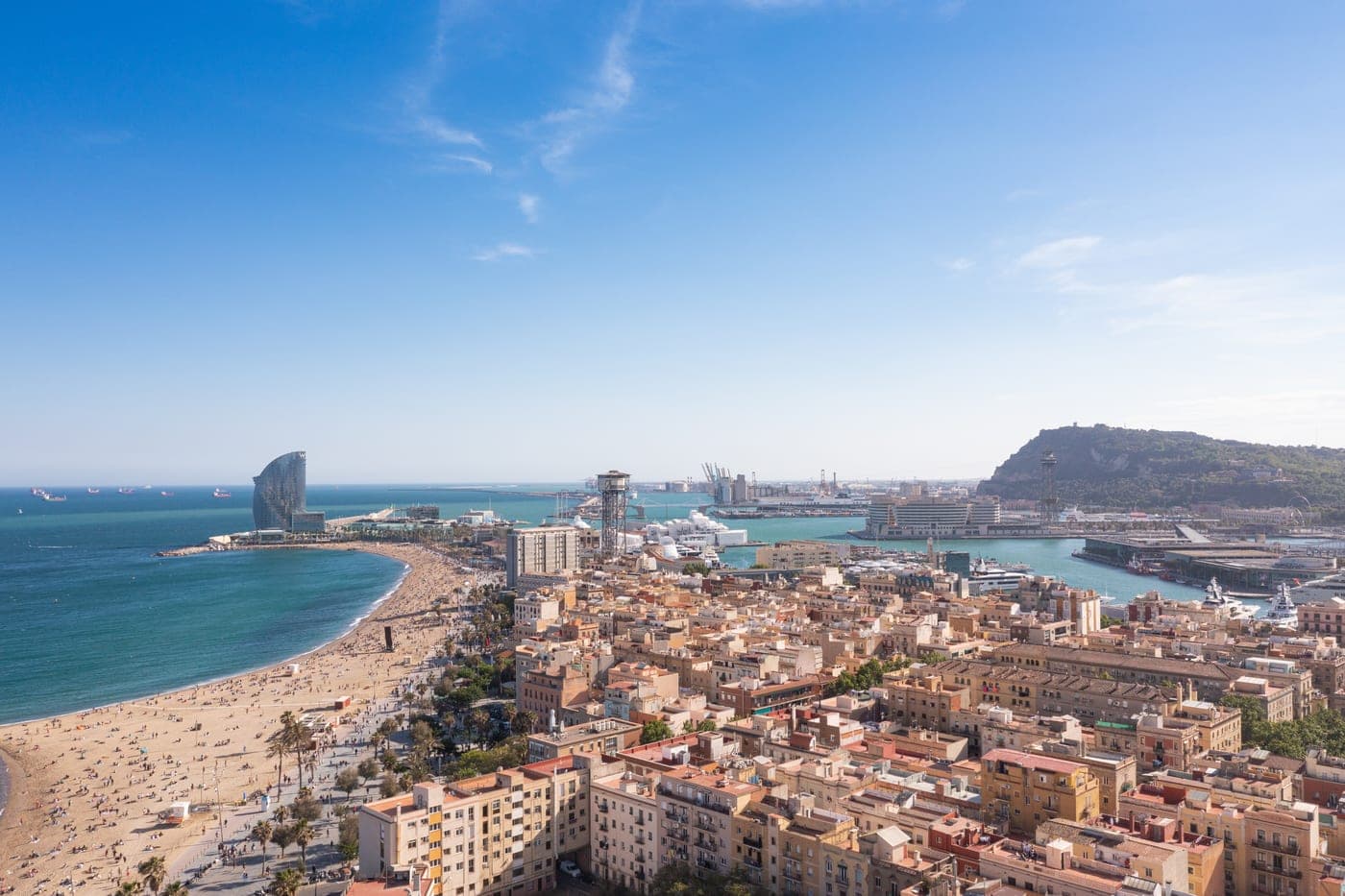
Barcelona
Vibrant city with Gaudí's architecture, lively markets, and Mediterranean beaches.
Camper Van RentalsHiking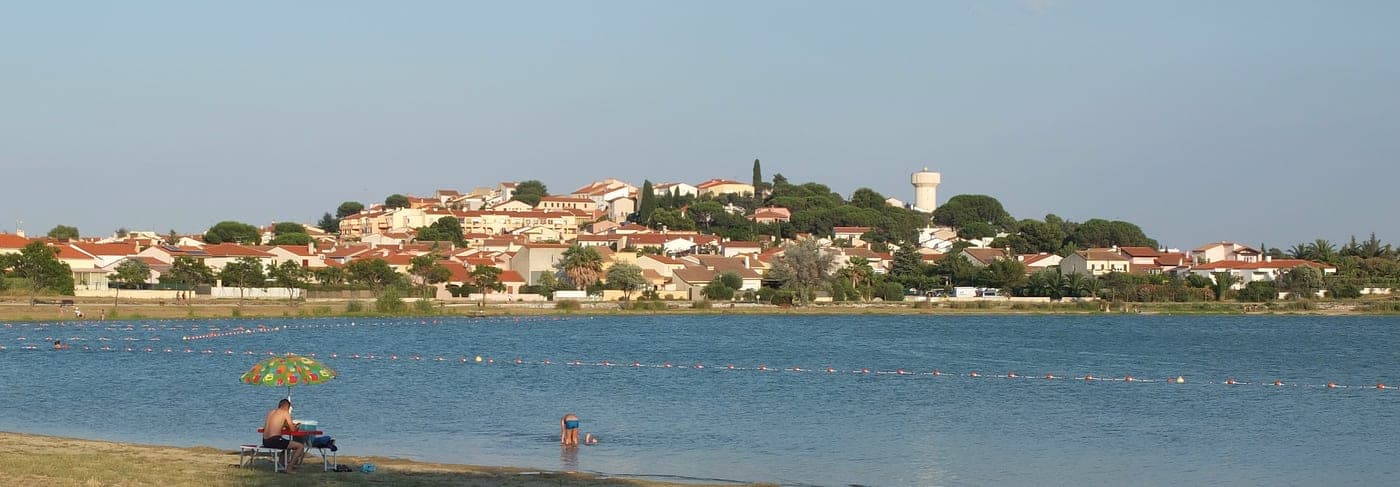 Wine Tasting
Villeneuve-de-la-Raho
Roussillon wine village near Perpignan with lake and vineyards.
Wine TastingHiking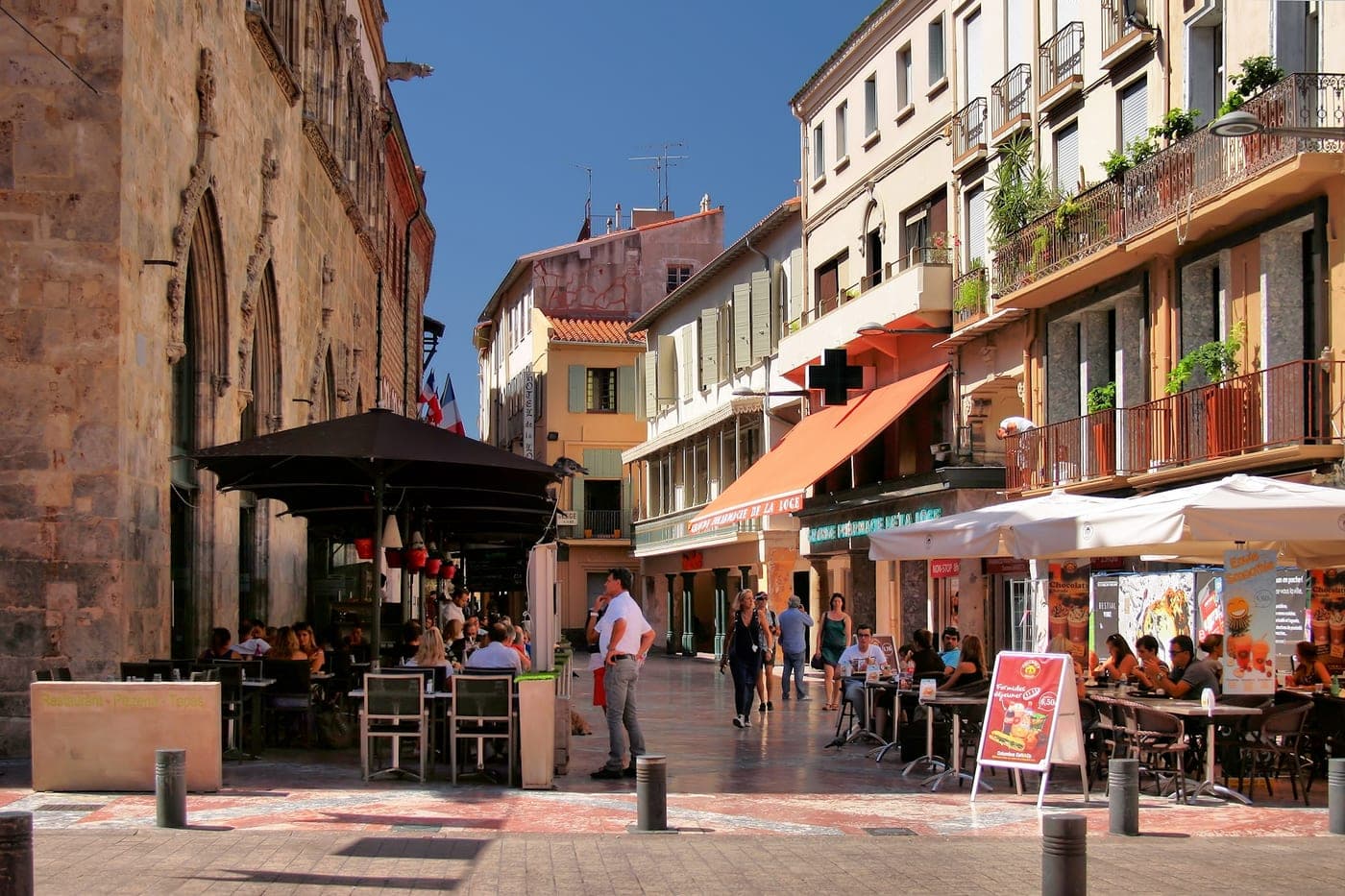 Wine Tasting
Perpignan
Catalan capital surrounded by Roussillon wine regions with vibrant culture.
Wine TastingHiking Wine Tasting
Corneilla-del-Vercol
Roussillon wine village with Côtes du Roussillon production and Catalan character.
Wine Tasting Wine Tasting
Banyuls-dels-Aspres
Roussillon wine village producing Côtes du Roussillon wines near Pyrenees foothills.
Wine Tasting
2 regions
 Wine Tasting56 destinations
Occitanie
This region is the largest in France and boasts a diverse landscape, including the picturesque Pyrenees mountains and a stunning Mediterranean coastline. Historic cities like Toulouse, known for its pink terracotta buildings, and Montpellier, with its vibrant student life, offer rich cultural experiences. The region is also famous for its wine production, particularly in areas like Languedoc, where unique varietals thrive. Beyond the cities, explore the medieval charm of Carcassonne, a fortified town with a remarkable castle. Occitanie hosts vibrant local festivals celebrating its heritage, and its traditional cuisine features dishes like cassoulet and regional cheeses. With beautiful hiking trails and quaint villages, this region invites leisurely exploration.
Wine TastingHikingCastlesLocal Cuisine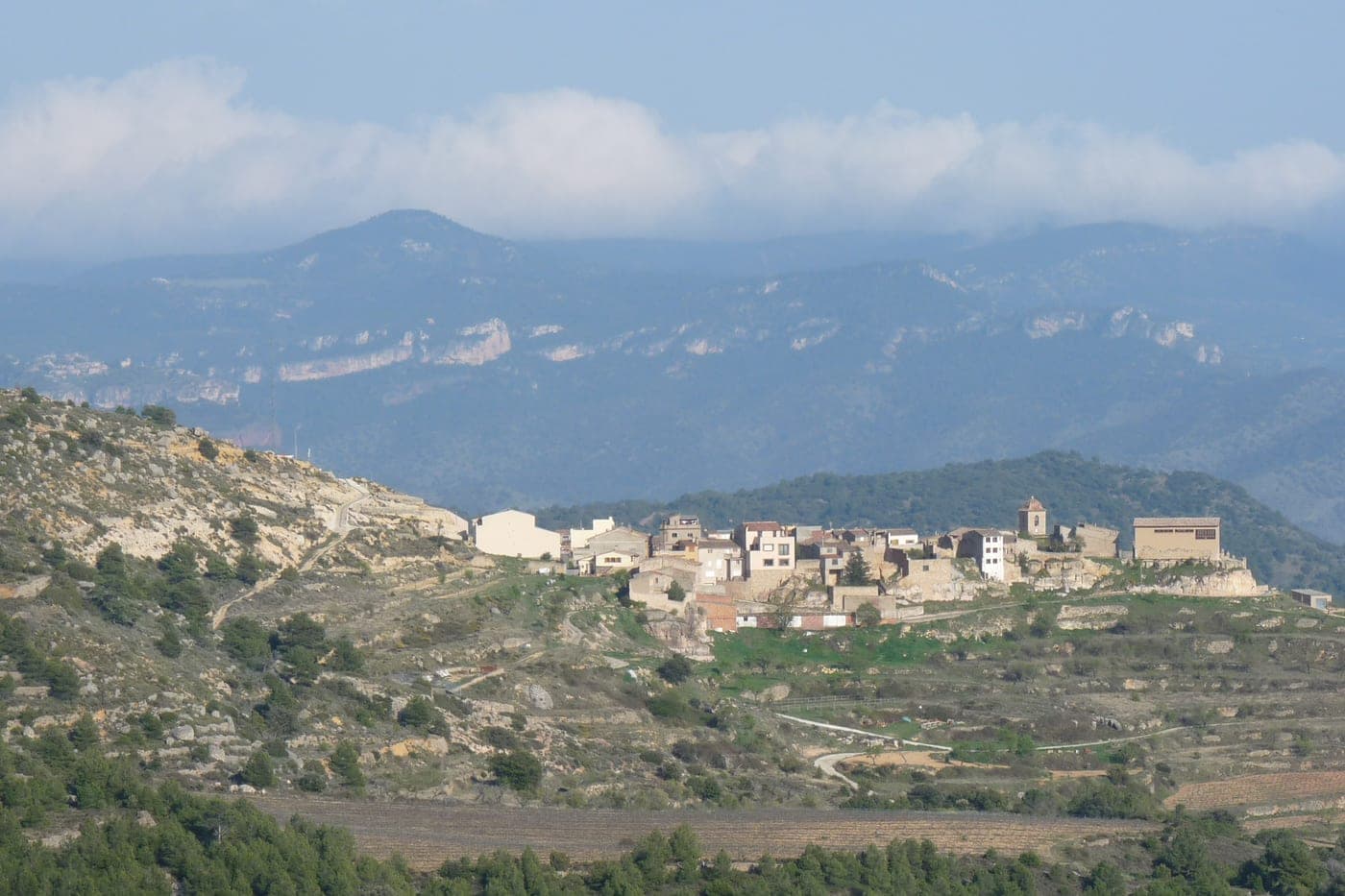 Wine Tasting21 destinations
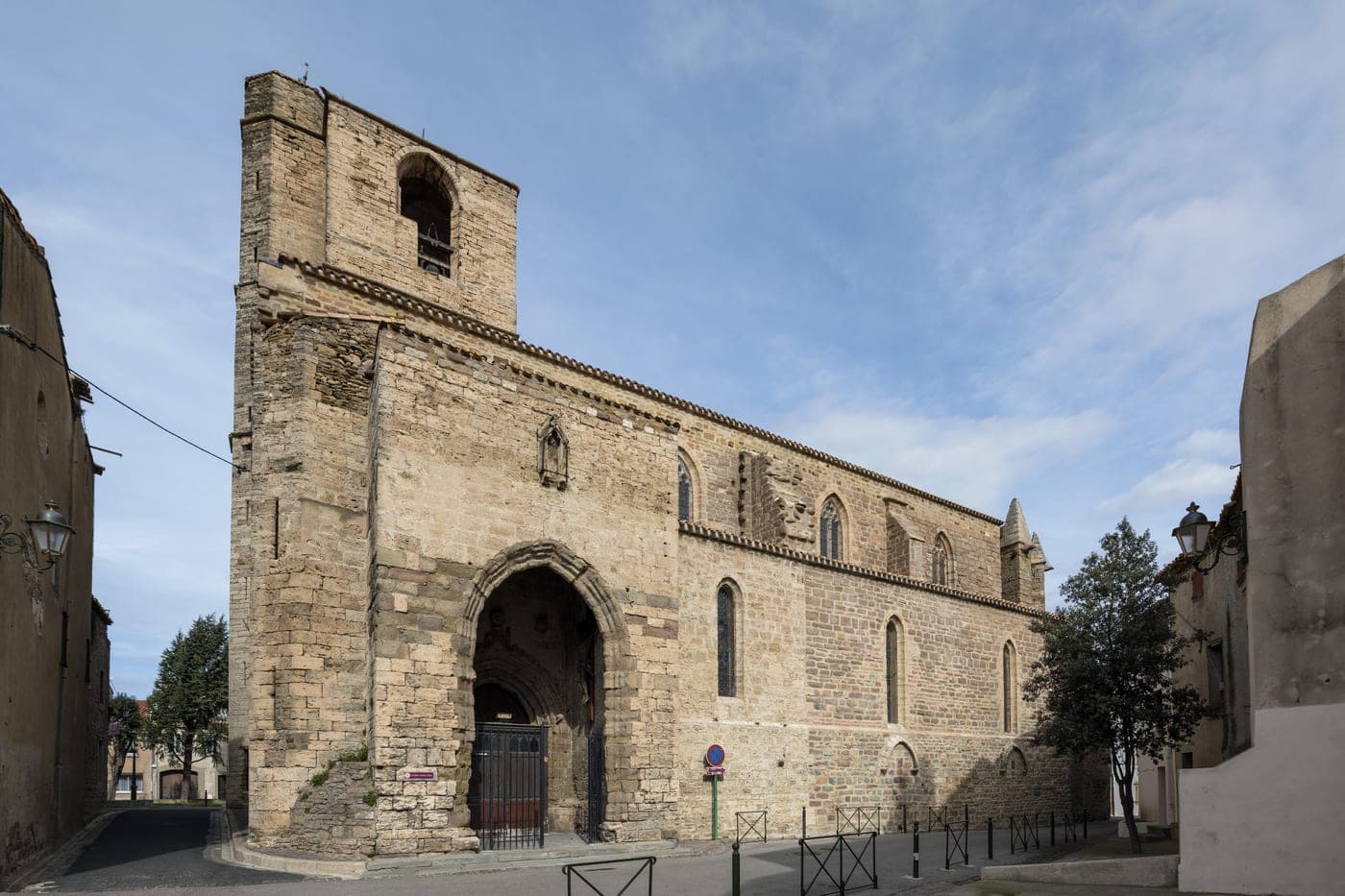
Catalonia
Catalonia stretches from the high Pyrenees down to the Mediterranean, and that range gives it a slow-travel character all its own: stone villages tucked into mountain valleys, a jagged coastline of small harbours, and an inland plain still shaped by farming and pilgrimage. Barcelona sits at one edge of the region, but Catalonia's quieter identity is built elsewhere — in places most visitors reach only if they choose to look beyond the capital. In the north, the Pyrenean valleys hold Romanesque churches and hamlets built from dark local stone, many still working farming communities. Villages like these keep a rhythm set by the seasons and the land, and walking between them reveals bell towers and hay meadows. Further south and inland, the Camí de Sant Jaume, a Catalan branch of the Camino de Santiago, crosses rolling wheat country and passes through small towns built around a church square. The coast has its own version of slowness. Cadaqués, with its whitewashed harbour houses and steep lanes, once drew Dalí and other artists. The Costa Brava's smaller coves still keep this feel in the off-season: fishing boats pulled up on shingle, a handful of restaurants serving the day's catch, cliff paths connecting one cove to the next. Inland from the coast, medieval towns like Besalú preserve their fortified bridges and Jewish quarters largely intact. Catalonia's regional cuisine reflects this pace. Cava is made using the same traditional method as Champagne, and small family cellars around Sant Sadurní d'Anoia still open their doors for tastings. Calçotada season, when charred spring onions are dipped in romesco sauce and eaten by hand, is a communal meal built around fire and patience. Elsewhere, pa amb tomàquet, botifarra sausage, and mountain cheeses reflect a cuisine shaped by both the sea and the high pastures. History runs close to the surface here. Poblet Monastery, one of Catalonia's Cistercian foundations, still follows a monastic routine largely unchanged for centuries, and some of Gaudí's early works outside Barcelona show the same architectural language in quieter settings. A handful of Catalan paradors occupy restored castles and monasteries — the one at Cardona, built into a medieval fortress on a hilltop, is among the most striking examples of this in Spain. Mountain villages, pilgrim paths, whitewashed coves, cava cellars, and monastery towns give Catalonia a landscape suited to slow travel: a dialect (Catalan) still spoken in daily life, a cuisine tied closely to what grows and grazes nearby, and villages that have kept their own pace as the region around them has modernised.
Wine TastingBoat RentalsHikingCamper Van Rentals