Cocido montañés
Cantabrian mountain stew of white beans, cabbage and cured meats
- Local name
- Cocido montañés
- Served with
- Bread
- Best eaten at
- A Cantabrian mountain inn
- Pairs with
- Red wine
What it is
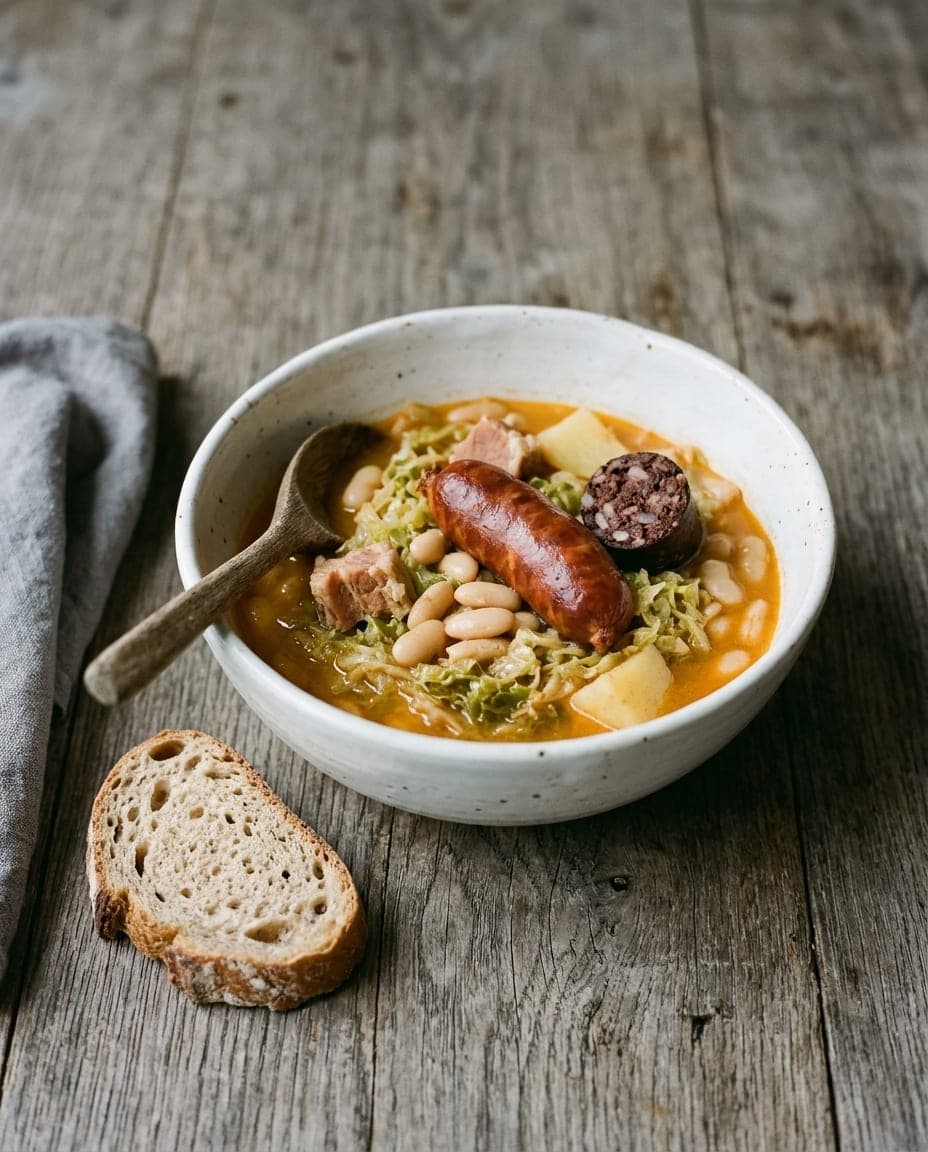
Cocido montañés is the definitive winter dish of Cantabria, a small autonomous community on Spain's northern coast where the mountains meet the sea. Its name reflects montañés, the traditional word for Cantabrians and their cooking. It is a hearty stew built around white beans and berza, a dark, leafy cabbage that thrives in the region's wet, cool climate. Unlike the cocido of Madrid, served in a sequence of courses, or the chickpea-based stews of central Spain, this version is essentially a bean and cabbage stew, ladled into a deep plate, with the cured meats eaten alongside.
The result is a thick, comforting plate of savoury richness that seems designed to withstand the damp cold of the inland valleys. The beans provide a creamy texture while the cabbage offers a slight bitterness that balances the salt of the cured meats. It is not a light starter but a substantial meal meant to fuel long days of work outdoors or simply to warm the body during the winter months.
The dish is at its best between October and March. When the air turns sharp and the rain falls frequently, the kitchens of Cantabria turn to this pot, although many restaurants serve it all year round.
The mountain valley origin
Cocido montañés is rooted in the rural, inland valleys of Cantabria, where the landscape is defined by steep slopes and deep river gorges. The climate here is wetter and cooler than in much of Spain, with long winters that demand high-calorie food. This environment shaped the ingredients used: beans that grow well in the damp soil, and berza, a hardy cabbage that survives the frost.
The dish is a product of the rural mountain lifestyle, where cooking was traditionally done in large pots over wood fires to feed families and farmhands. The slow cooking allowed tough cuts of meat to become tender while infusing the beans with flavour. It remains a staple across the region, from the villages of the interior to the taverns of Santander.
Unlike urban stews that evolved into elaborate multi-course affairs, the mountain version retained its simplicity. It was made for practicality and sustenance rather than display. Beans and cabbage were among the few vegetables available in winter, and the cured meats from the autumn pig slaughter provided a way to preserve pork through the cold months without refrigeration.
What goes into it
The meats that give the stew its character are known collectively as the compango. The base is always white beans and berza, but the meat varies from kitchen to kitchen.
- White beans, which become soft and creamy when cooked slowly.
- Berza, the dark leafy cabbage that adds texture and a slight bitterness to balance the saltiness of the meats.
- Chorizo, a pork sausage cured with paprika and garlic, which releases a deep red oil into the broth.
- Morcilla, a blood sausage that adds an earthy depth.
- Pork belly and rib, often with an ear for extra gelatine and body.
The beans simmer slowly with the compango, while the cabbage is often cooked separately and added towards the end, so that it keeps its texture. The beans absorb the fat and spices from the sausages, and the cabbage softens into the thick liquid. It is a dish where the whole becomes greater than the sum of its parts.
How it is eaten
Cocido montañés is served as a main course, with the beans and cabbage ladled into a deep plate and eaten with a spoon. The meats are either served in the same plate or, as in many restaurants, brought separately on a platter for sharing. Either way, it is a far simpler service than the Madrid style, where the broth, vegetables and meats come in distinct stages.
The dish is almost always accompanied by crusty bread to soak up the remaining broth. A glass of red wine is the usual companion, cutting through the richness of the pork and beans.
It is best eaten in a Cantabrian mountain inn or a rural tavern where the atmosphere matches the food: warm and simple, perhaps with a view of the surrounding hills or a fire nearby. The meal is slow and unhurried.
Curious facts
- A simple service. Unlike the Madrid cocido, this dish is not served in a sequence of courses; the stew and its meats arrive at once.
- Two families of stew. Cantabria's other famous stew, the cocido lebaniego from the Liébana valley, is based on chickpeas rather than beans.
- A winter dish. The stew is most popular between October and March, when the cold weather makes hearty food especially welcome.
- Meat variety. While chorizo and morcilla are standard, many versions include a pig's ear to add gelatine to the broth.
- Cabbage apart. Cooking the berza separately before adding it to the pot is common practice.
Where to try it
Cocido montañés is served across Cantabria, but the most atmospheric versions are found in the mountain villages and valley inns of the interior, where many places offer it daily during the winter months, made in much the same way as it was generations ago.
Where to try it
1 destination
 Panoramic Trains
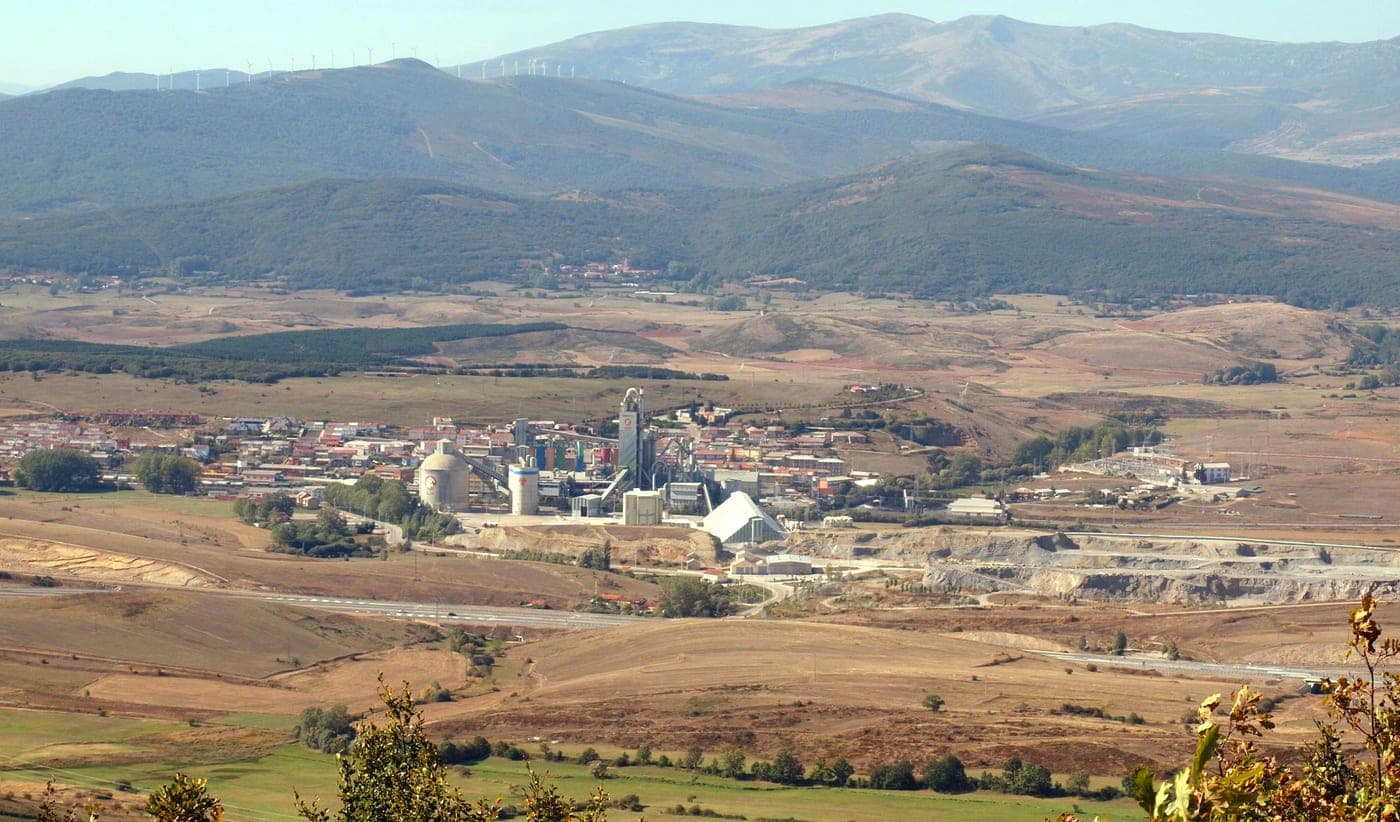
Mataporquera
Picturesque village known for its traditional stone architecture and lush landscapes.
Panoramic Trains
1 region
 Panoramic Trains3 destinations
Cantabria
Cantabria, located on Spain's northern coast, is the only region in the country with a coastline along the Bay of Biscay. Known for its dramatic landscapes, it features the Picos de Europa mountains, offering numerous hiking trails and stunning vistas. The region's capital, Santander, is renowned for its beaches and cultural institutions like the Centro Botín. Explore the prehistoric caves of Altamira, which house some of the world's most important cave paintings. Off the beaten path, towns like Comillas showcase unique architecture, including the Gaudí-designed El Capricho. With a rich maritime history, Cantabria is famous for its seafood and traditional dishes such as sobao pasiego and quesada. The local festivals celebrate both culture and gastronomy, highlighting the region's vibrant traditions.
Panoramic TrainsHikingLocal Cuisine