Chuletillas al sarmiento
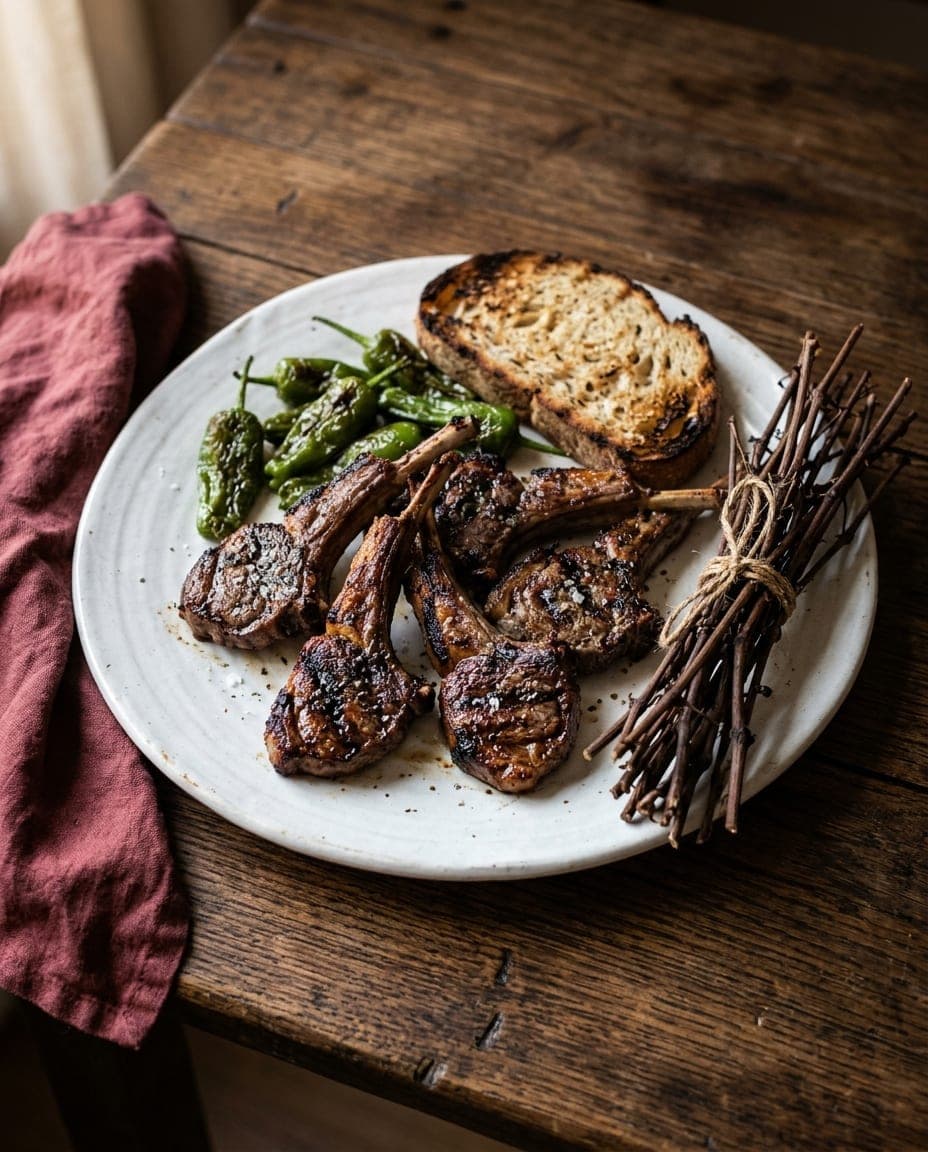
Lamb cutlets grilled over burning vine prunings in La Rioja
- Local name
- Chuletillas al sarmiento
- Served with
- Bread, peppers
- Best eaten at
- A Rioja bodega lunch
- Pairs with
- Rioja red
What it is
Chuletillas al sarmiento are small lamb cutlets grilled over the burning cuttings of the vineyard. The name translates literally to "little chops over vine shoots", where sarmientos refers to the canes cut from the vines during winter pruning. This is not a dish found in every kitchen across Spain, but a speciality of La Rioja and the neighbouring Rioja Alavesa, the wine country of the Basque province of Álava. It is the taste of the vineyard itself, cooked with a fire that comes from the very plants that produce the wine.
The lamb used for this dish is usually young and milk-fed, resulting in cutlets that are small, tender and pale before they touch the fire, though chops from older, grass-fed lamb are also used. They are not slow-roasted or marinated in complex sauces. The method relies on speed and heat: a grill is set over the fire of burning vine shoots, the chops are placed on top for just a few minutes, and then removed while still juicy and pink inside. Many cooks add coarse salt only at the end. The result is meat that carries a distinct, smoky aroma without any heavy seasoning.
In La Rioja, the dish is rarely served as a single portion. It arrives piled on a plate or board, enough for several people to share. The eating style is informal and tactile; diners hold the cutlets by the bone and eat with their hands, often with roasted red peppers and bread alongside.
The fire from the vineyard
The fuel is gathered long before the lamb reaches the grill. In the winter months, vine growers in La Rioja prune the vines to prepare them for the next growing season. They cut away the old canes, the sarmientos, which are bundled and left to dry. Dry vine shoots burn fast and fiercely: they give a short, intense blaze and then a bed of clean, quick embers.
Cooks make the most of this brief heat. The grill is set over the burning vine shoots, and the fire lasts only minutes, so the cook must work quickly. The lamb cutlets go onto the hot grate just long enough to sear the outside while keeping the inside pink. The smoke from the vines gives the meat its characteristic flavour.
This technique turns the waste of the vineyard into the heart of the meal, connecting the grape harvest with the region's long history of sheep farming, which in the Cameros mountains was once built on large wool flocks. Without the vine fire, the chuletillas are simply grilled lamb; with it, they become a specific expression of the La Rioja landscape.
The bodega lunch
Chuletillas al sarmiento are tied closely to the social life of the region's bodegas and wine cellars. They are a classic of lunches at wineries in Haro and elsewhere in La Rioja, of gatherings in family cellars and vineyards, and of summer picnics in the countryside. During Logroño's San Mateo festivities in September, the smell of burning vine shoots fills the streets.
At many gatherings, one person takes charge of the grill and works through a sequence: often pork belly and chorizo first, with the lamb chops last.
The pairing is immediate and logical: a glass of Rioja red wine, often a young one. The fruit and tannins of the wine balance the smoky, salty taste of the meat.
What goes into it
There are no complex sauces or hidden ingredients in this dish. The simplicity is what defines it:
- Small lamb cutlets: Usually from milk-fed lamb, ensuring the meat is tender and mild.
- Vine prunings: The sarmientos provide the heat and the smoke. They burn fast and hot.
- Salt: Coarse salt, which many cooks add only once the chops come off the fire.
- Roasted red peppers: Often served alongside, adding a sweet, smoky contrast to the savoury lamb.
- Bread: Thick slices of local bread for soaking up the juices.
The taste is dominated by the smoke of the vines and the natural flavour of the young lamb, with the roasted peppers providing a soft counterpoint.
How it is eaten
Chuletillas al sarmiento are eaten with the hands. The cutlets are served hot, stacked on a plate or a wooden board, and diners pick them up by the bone. This is not considered messy in this context; it is the traditional way to eat the meat while it is still warm and juicy.
The bread is used to mop up the juices that collect on the plate, and the roasted peppers are eaten alongside the lamb. A few people usually share one large plate of chops, and several plates may be passed around as the group works through the meal, with the wine poured throughout.
Curious facts
- Fuel from the vines. The heat comes from the dried canes cut during winter pruning rather than from wood or charcoal.
- Speed is essential. The lamb spends only a few minutes on the grill, as the vine fire is intense and short-lived.
- Salt at the end. Many cooks season only after cooking, though this is a matter of local debate.
- Eaten by hand. Diners hold the cutlets by the bone, with no formal etiquette.
- A festival smell. During Logroño's San Mateo festivities, the smoke of grilling vine shoots drifts through the city.
- A regional marker. While grilled lamb is common across Spain, grilling over vine shoots is most closely associated with La Rioja and Rioja Alavesa.
Where to try it
The best place to eat chuletillas al sarmiento is at a bodega in Haro or elsewhere in La Rioja and Rioja Alavesa. Some wineries in the region serve this dish as part of a lunch, often alongside other local products such as chorizo or roasted peppers, and many traditional restaurants and grills offer it too.
Visitors looking for this dish can ask for a bodega lunch that includes chuletillas al sarmiento. The meal is best enjoyed with a group, allowing time to share the plates and the wine while watching the fire of the vine cuttings.
Where to try it
1 destination
 Wine Tasting
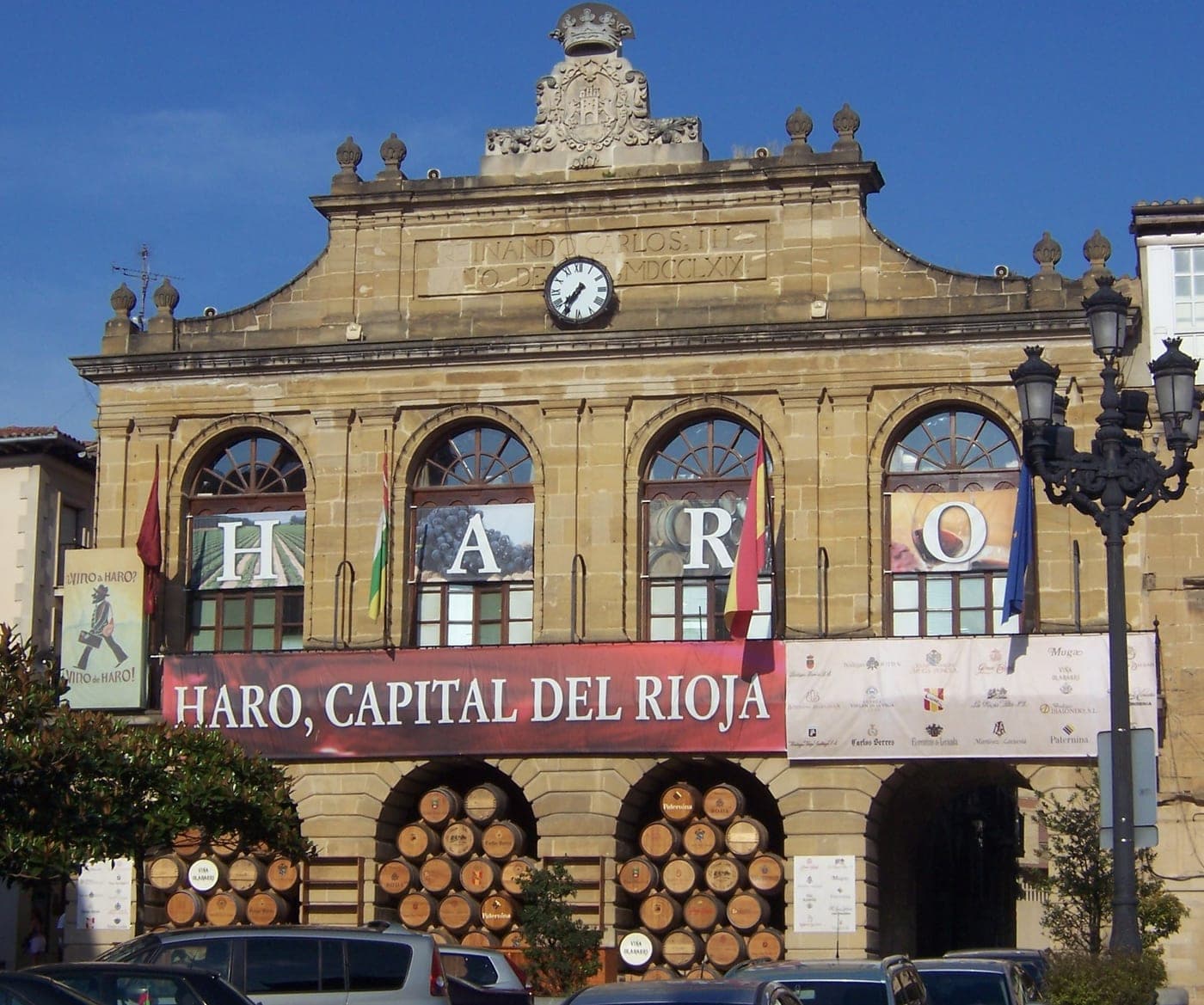
Haro
Capital of Rioja Alta wine region with historic wine quarter and famous bodegas.
Wine TastingHiking
2 regions
 Wine Tasting11 destinations
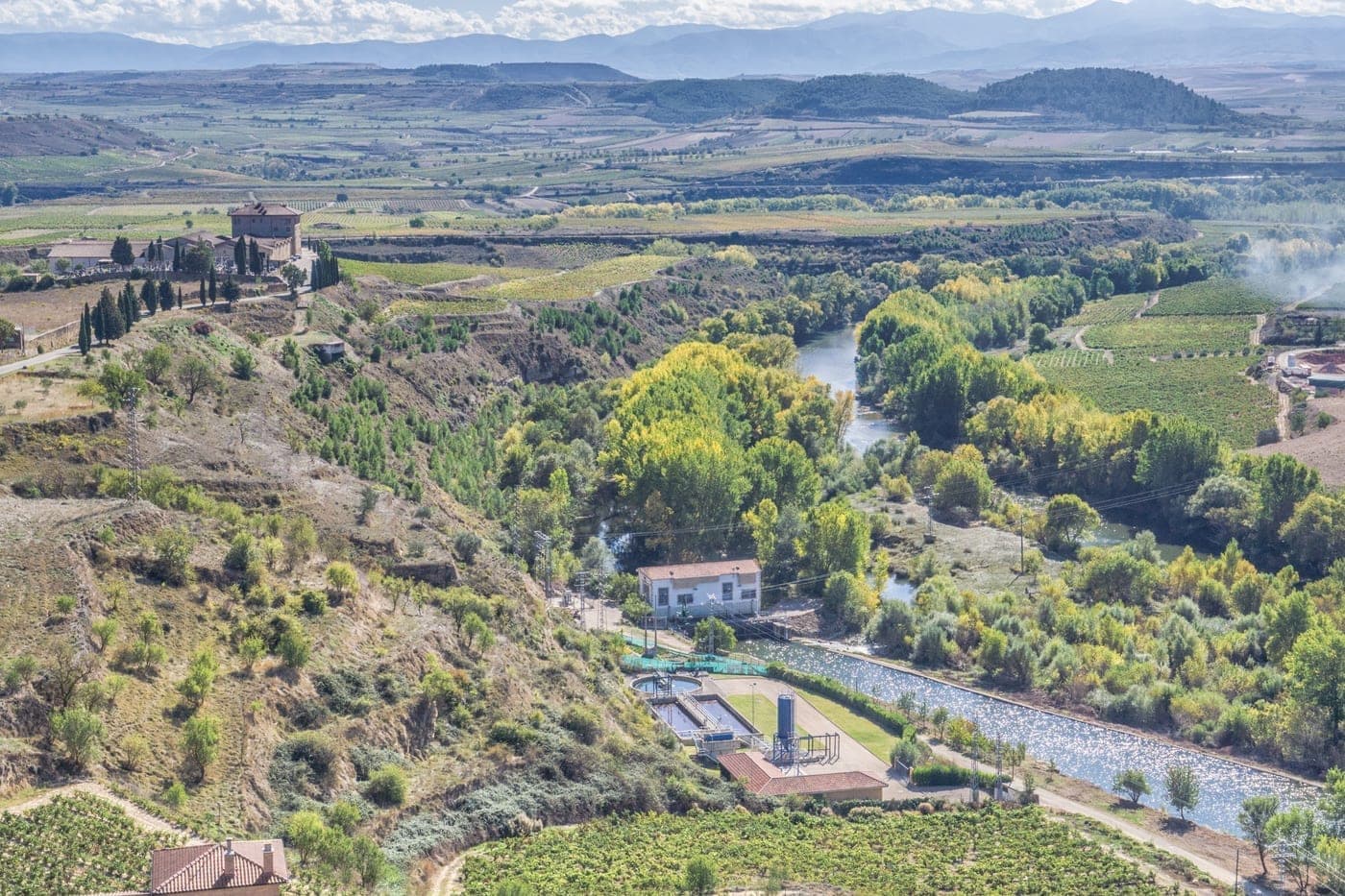
La Rioja
Known for its exceptional wines, this region is home to diverse vineyards producing Tempranillo and Garnacha grapes. The only wine-producing region in Spain with a Denomination of Origin status, La Rioja is characterized by rolling hills and the Ebro River. Historic towns like Haro offer wine cellars and local festivals, while the capital, Logroño, is famous for its vibrant tapas scene along Calle Laurel. The region features ancient monasteries, such as San Millán de la Cogolla, a UNESCO World Heritage site. Hikers can explore the Sierra de la Demanda mountains, and traditional crafts like pottery and leatherwork are still practiced in small villages. La Rioja’s landscapes vary dramatically, providing a rich tapestry of cultural experiences.
Wine TastingHiking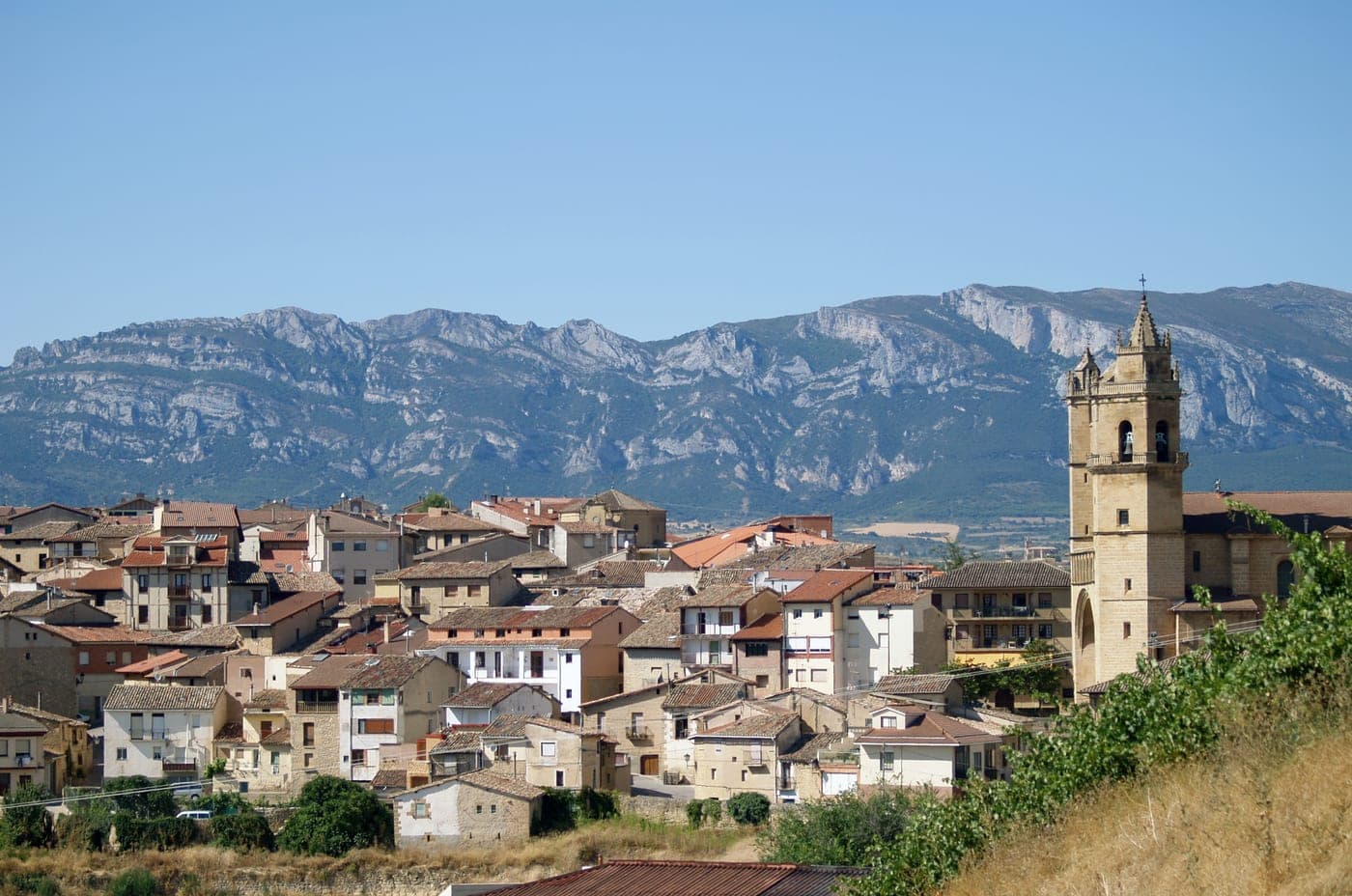 Wine Tasting2 destinations
Rioja Alavesa
Nestled in the northern part of Spain, Rioja Alavesa is renowned for its rich wine culture, primarily producing exceptional red wines from Tempranillo grapes. This region is characterized by its picturesque vineyards, rolling hills, and unique architecture, including traditional stone houses and modern wineries. The landscape is dotted with historical sites like the medieval village of Laguardia, known for its underground wine cellars. Additionally, the region offers scenic hiking trails and opportunities to explore local gastronomy, including artisan cheeses and regional dishes. Rioja Alavesa is not only a wine lover's paradise but also a place where visitors can appreciate the blend of culture, history, and nature in a tranquil setting.
Wine TastingHiking