Chorizo riojano
The horseshoe-shaped paprika sausage from La Rioja
- Local name
- Chorizo riojano
- Served with
- Bread
- Best eaten at
- A Logroño tapas bar on Calle Laurel
- Pairs with
- Rioja red
What it is
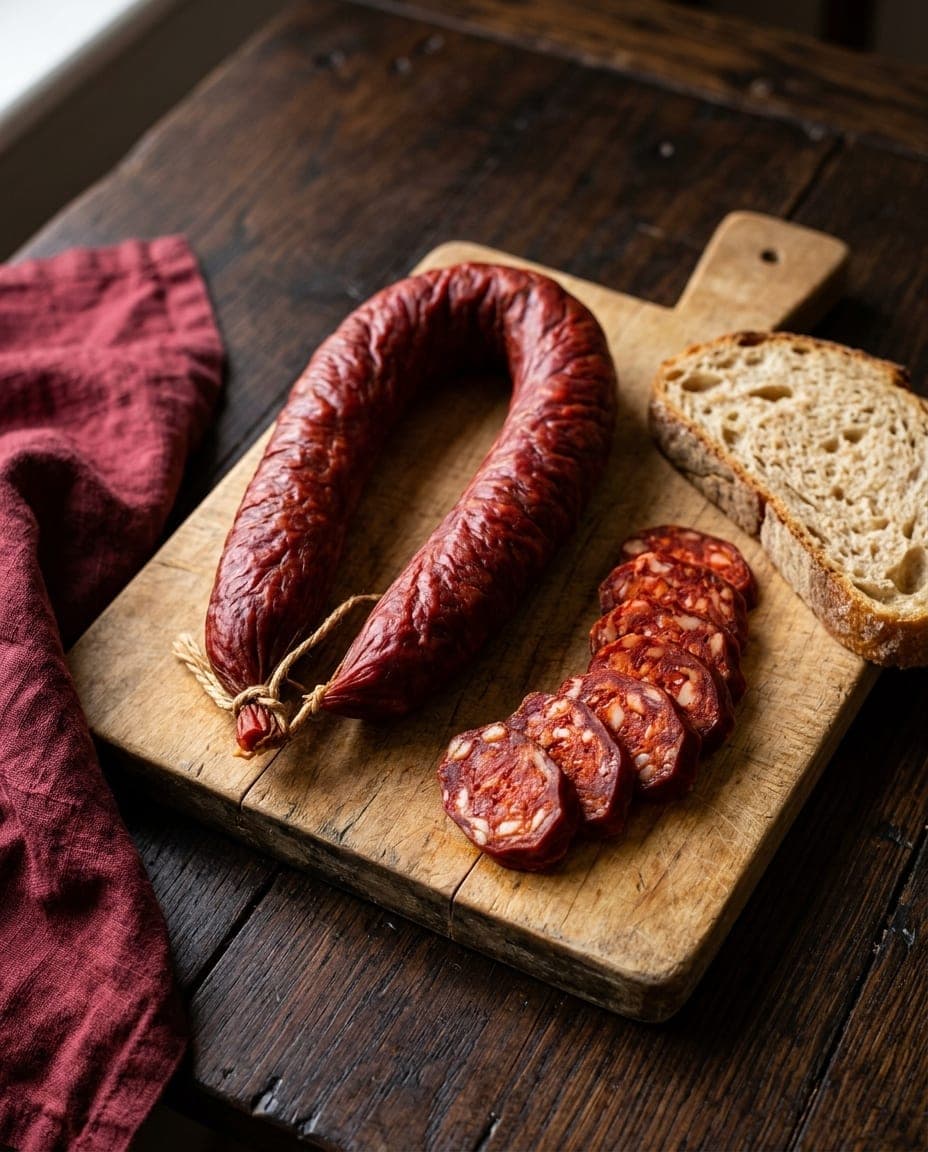
Chorizo riojano is one of the signature flavours of La Rioja, a region in northern Spain best known for its wines but equally proud of this cured meat. It is a pork sausage distinguished by a high proportion of paprika, or pimentón, which gives it a deep red colour and a distinct aroma that ranges from sweet to spicy. Because it is fully cured, it needs no cooking: it is sliced thinly and eaten on bread as a tapa.
The sausage takes its name from the region where it is made, and Chorizo Riojano is an EU Protected Geographical Indication (PGI). This means that only sausages made, matured and labelled in La Rioja, following the rules of the specification, can bear the name. The most striking visual feature is its shape. It is not sold as straight sticks but as a curved length tied at both ends into a horseshoe, known as a sarta or herradura. These horseshoes hang in rows in the shops and bars of the region.
It is a simple product. The core ingredients are pork meat, back fat or belly fat, salt, garlic, and the paprika that defines its character; the PGI rules allow no additives. The quality of the sausage relies on the pimentón used and the skill of the maker in curing it to the right texture. The result is a firm slice with a savoury, paprika-rich flavour that is both intense and balanced.
The horseshoe shape
The horseshoe form is practical as well as distinctive. Each length of filled casing is bent and tied at the ends, so the sausages can be hung over rods to dry with air circulating around their whole surface, ensuring an even cure. La Rioja's dry, cold climate, where several climatic influences meet, has long suited this slow, natural drying.
As the meat loses moisture, the casing tightens around the filling, creating a firm texture that can be sliced thinly without crumbling. In the past, the sausages were hung in farmhouse kitchens, lofts or dedicated drying rooms. Today most are made in modern facilities, but the horseshoe remains a symbol of the La Rioja product.
The shape is so well known that it immediately signals the regional sausage to buyers. For a traveller, a row of red horseshoes hanging in a shop window is a reliable sign of the local product.
What goes into it
The composition of chorizo riojano is strict and minimal, following the rules of its PGI specification. The taste depends on the quality of just a few elements.
- Pork meat and fat: Lean pork combined with firm back or belly fat, which provides moisture and texture and lets the paprika shine without the sausage becoming dry or greasy.
- Paprika (pimentón): This is the heart of the sausage. Only top-grade paprika may be used, giving the characteristic aroma and deep red colour. The sweet version uses sweet paprika alone; the spicy one adds hot paprika or cayenne, which determines whether the final product is mild and fruity or sharp and warming.
- Garlic: Fresh garlic provides a pungent counterpoint to the sweetness of the paprika and the richness of the fat.
- Salt: Essential for preservation and flavour, salt draws out moisture during curing and helps develop the final taste.
The mixture is stuffed into natural pork casings, which are then tied into their horseshoe shape. The ratio of meat to fat and the length of curing vary slightly between producers, but the result is always a sausage that is firm enough to be sliced thin yet soft enough to yield to the bite.
How it is eaten
Cured chorizo riojano is not cooked when it appears as a tapa. The standard way to enjoy it is sliced and laid on a piece of rustic bread, which absorbs the paprika-tinted oils released by the fat. Slices are often arranged on small wooden boards or plates, ready for sharing among friends.
It is best paired with a glass of Rioja red wine. The tannins and fruit of the wine cut through the fat of the pork and complement the sweetness of the paprika. This combination is a backbone of the region's tapas tradition, and in many bars the chorizo sits alongside other local delicacies.
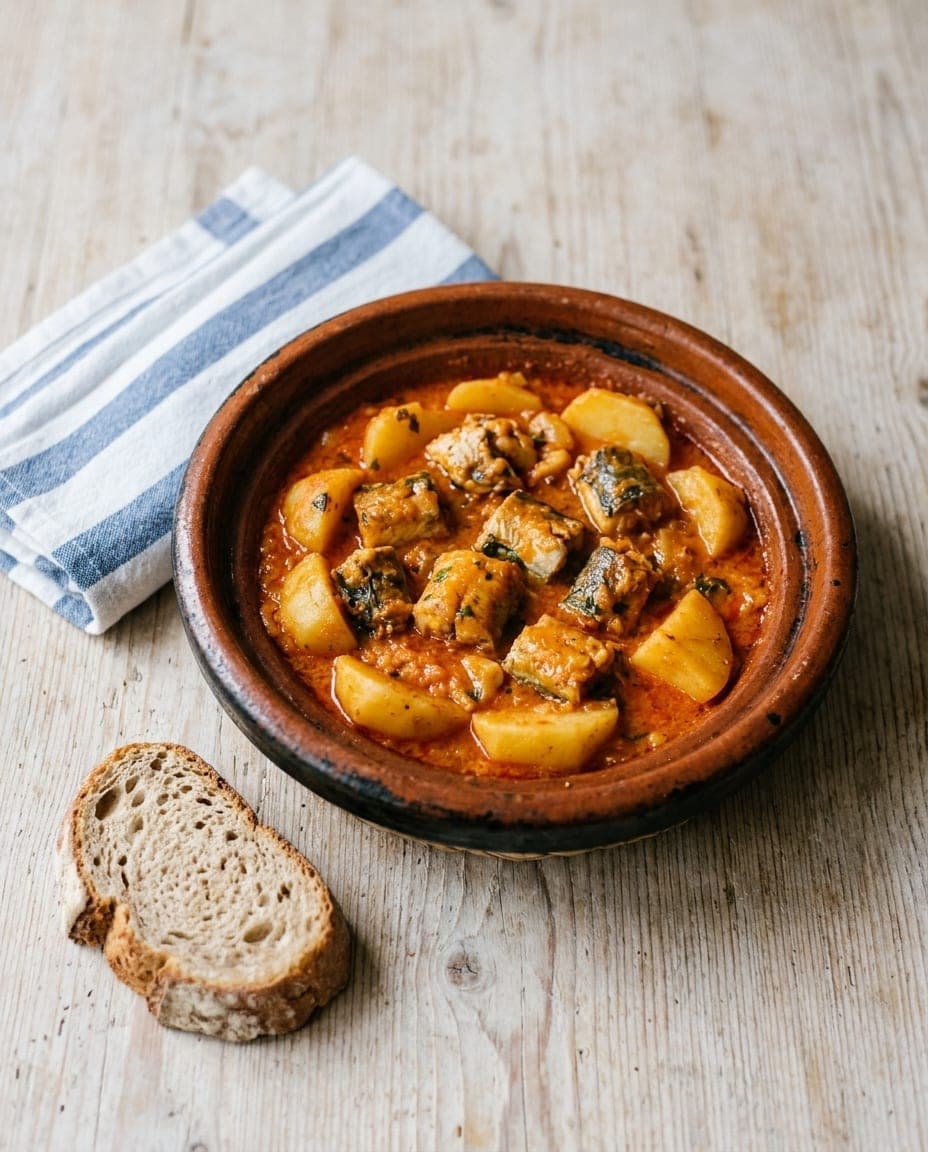
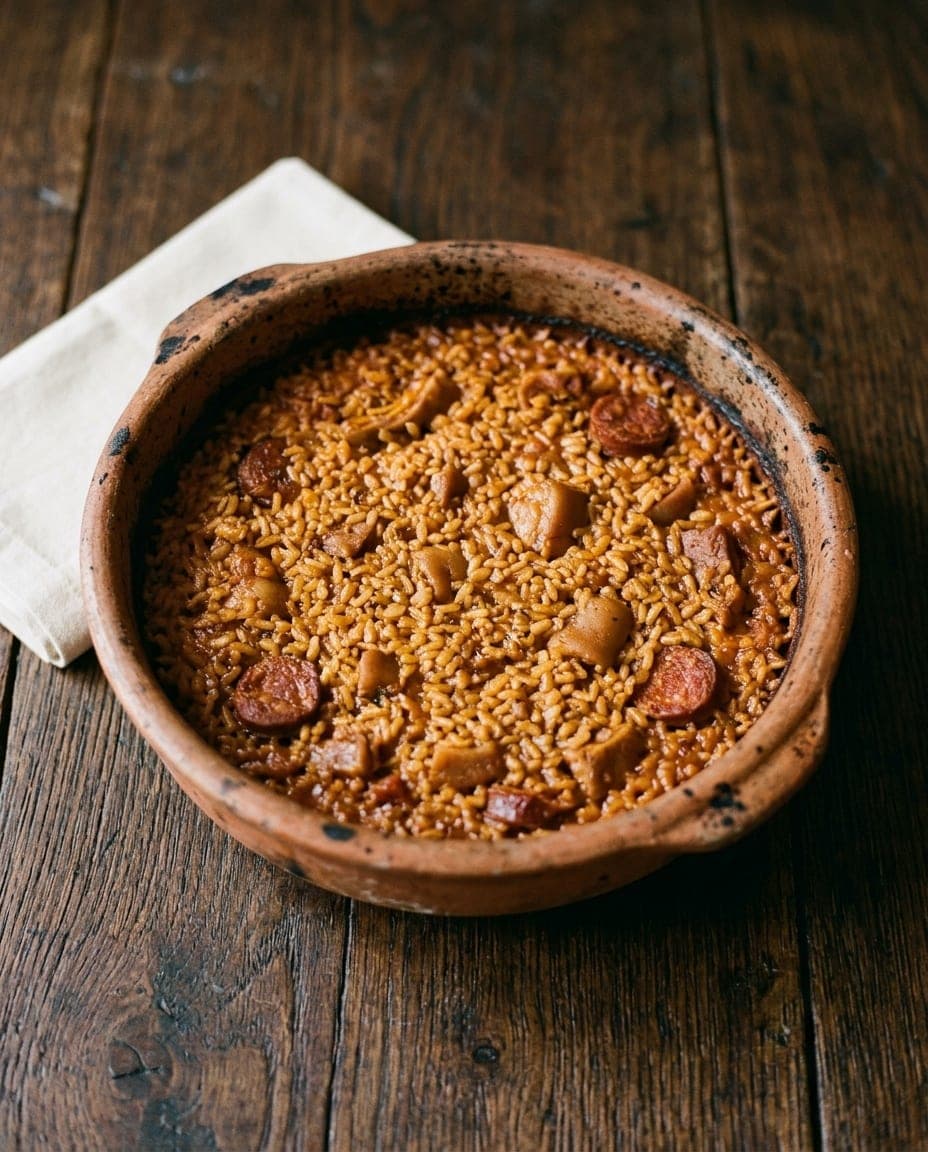
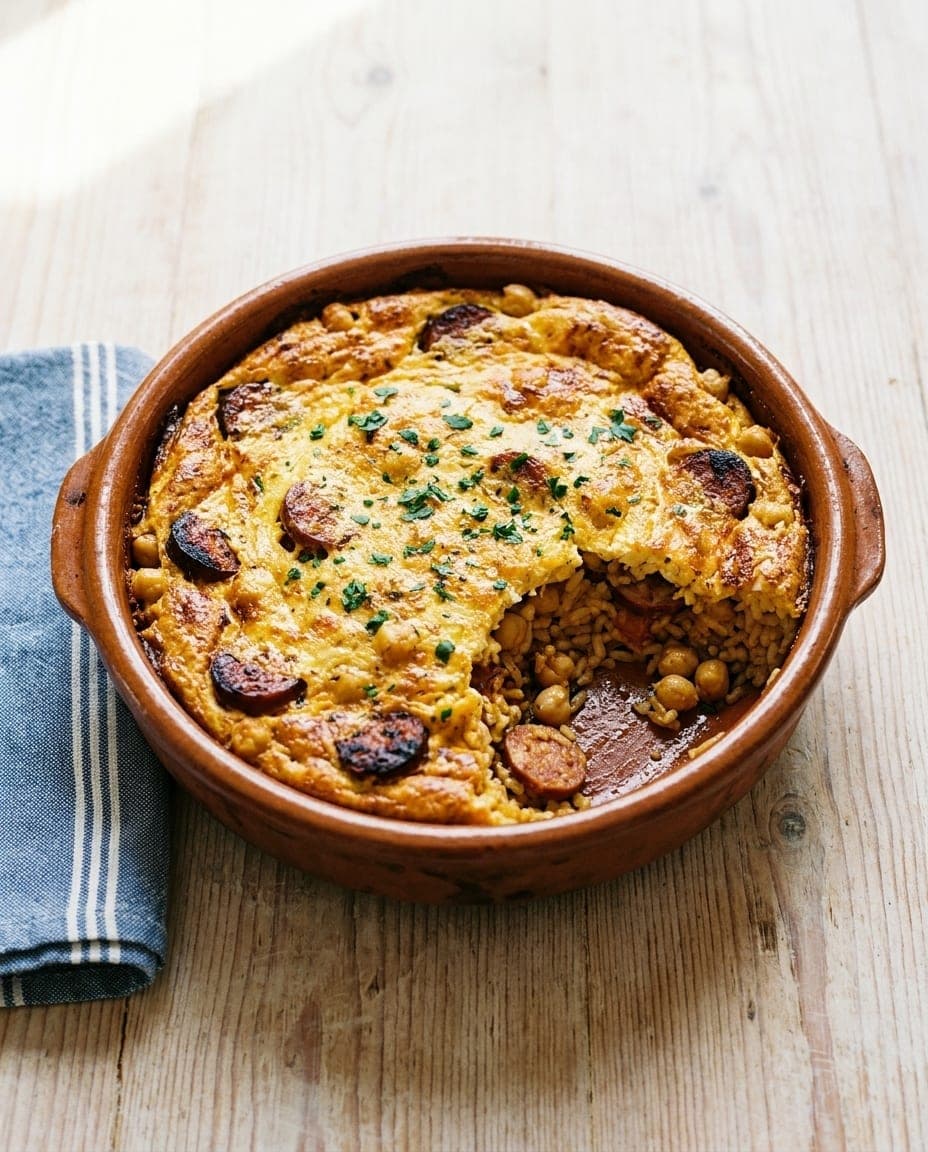
Chorizo also has a central place in the local kitchen. Chorizo also seasons stews and is essential to patatas a la riojana, a hearty dish of potatoes and chorizo that takes its deep colour and flavour from the sausage. In Logroño and the villages, chorizo is also grilled over vine prunings alongside lamb chops.
Curious facts
- A protected name. Chorizo Riojano is protected by the European Union's PGI system, so only sausages made in La Rioja according to its specification can carry the name.
- Two distinct tastes. The sausage comes in a sweet version and a spicy (picante) one, which offers noticeable heat.
- Colour-coded string. Under the PGI rules, the spicy chorizo is tied with red cotton string, while the sweet one uses white.
- The shape matters. Unlike sausages sold in straight sticks, the La Rioja version is tied into horseshoes that hang easily to dry.
- No additives. The specification limits the recipe to pork, fat, paprika, garlic, salt and, for the spicy version, cayenne.
Where to try it
The best place to taste authentic chorizo riojano is in the heart of the region itself. Logroño, the capital of La Rioja, is the primary destination. The city is famous for its pinchos bars, particularly along Calle Laurel, a narrow street lined with small taverns serving traditional food and drink. Here, chorizo is sliced fresh and served on bread with a glass of local red wine.
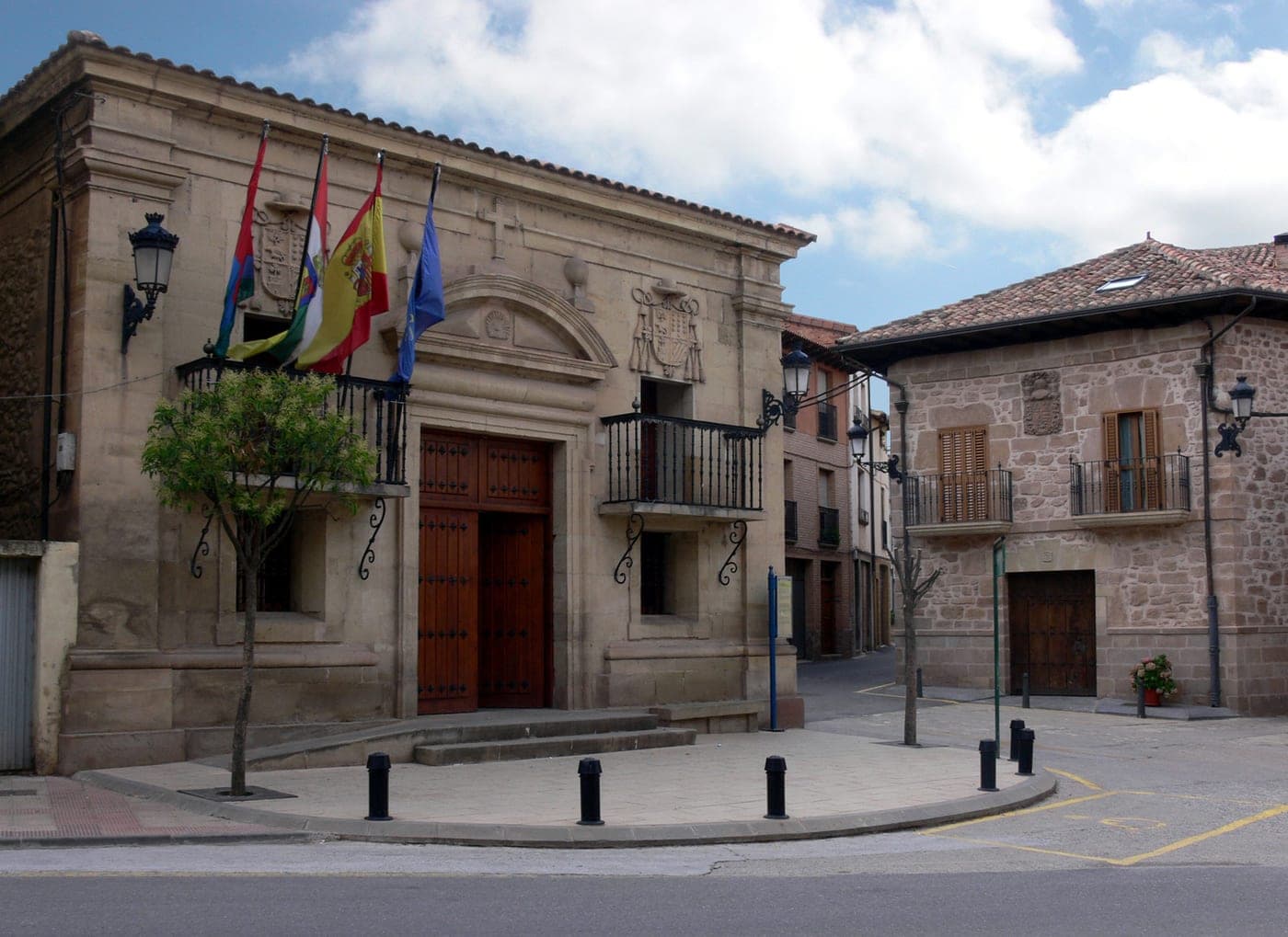
Beyond the capital, Baños de Río Tobía, a small town in the Najerilla valley, has long been the centre of the region's chorizo industry and still has the largest concentration of meat-curing firms, while village butchers across the region sell their own horseshoes.
Whether in a busy bar in Logroño or a quiet village shop in the mountains, the experience remains consistent: a slice of cured pork, a piece of bread and a glass of Rioja. It is a simple combination that has become a symbol of the region's hospitality and its deep connection to the land.
Where to try it
1 destination
 Wine Tasting
Baños de Río Tobía
Mountain village in Upper Rioja with wineries and thermal springs.
Wine Tasting
1 region
 Wine Tasting11 destinations
La Rioja
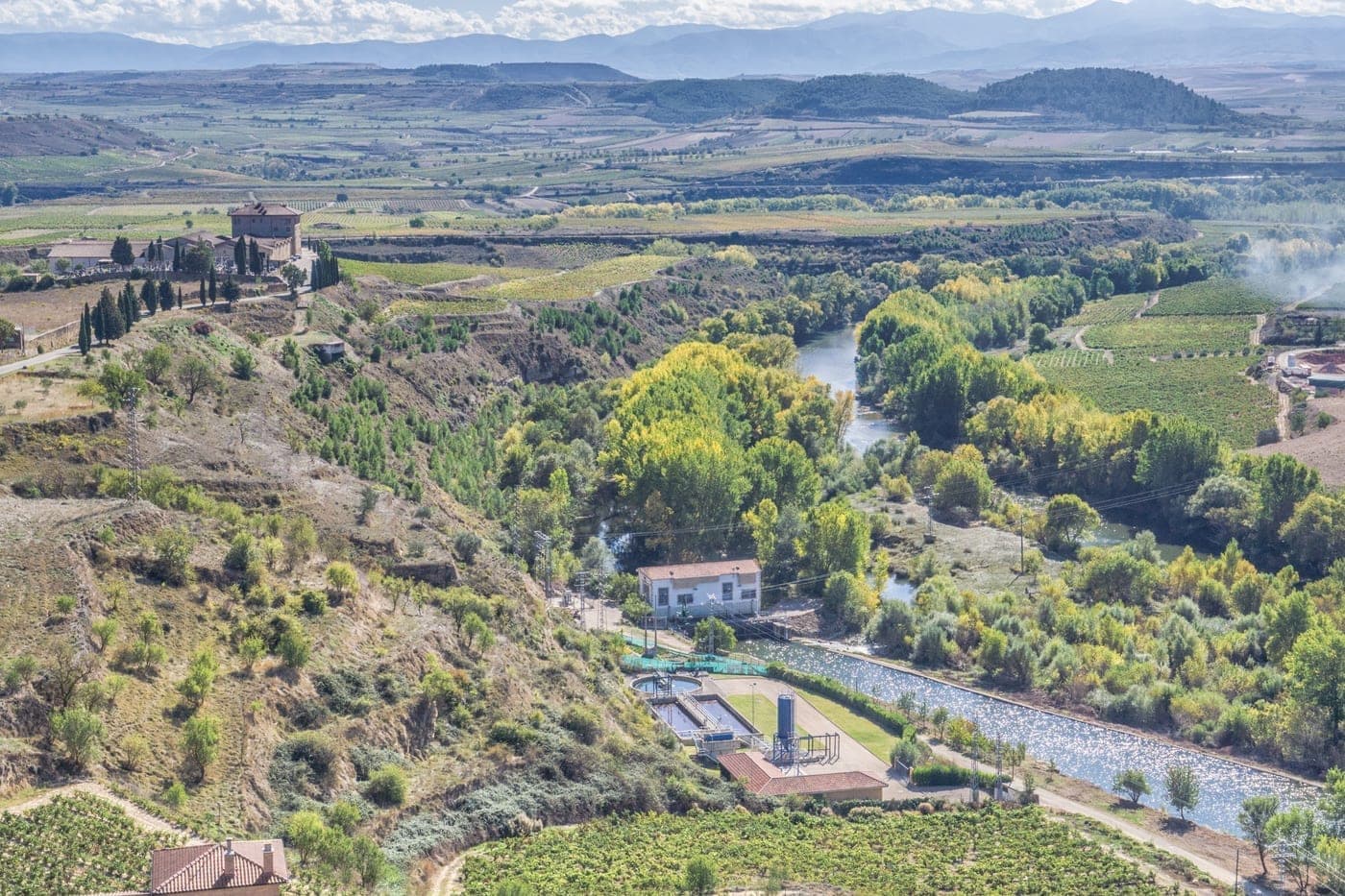
Known for its exceptional wines, this region is home to diverse vineyards producing Tempranillo and Garnacha grapes. The only wine-producing region in Spain with a Denomination of Origin status, La Rioja is characterized by rolling hills and the Ebro River. Historic towns like Haro offer wine cellars and local festivals, while the capital, Logroño, is famous for its vibrant tapas scene along Calle Laurel. The region features ancient monasteries, such as San Millán de la Cogolla, a UNESCO World Heritage site. Hikers can explore the Sierra de la Demanda mountains, and traditional crafts like pottery and leatherwork are still practiced in small villages. La Rioja’s landscapes vary dramatically, providing a rich tapestry of cultural experiences.
Wine TastingHiking