Champiñón a la plancha (Calle Laurel)
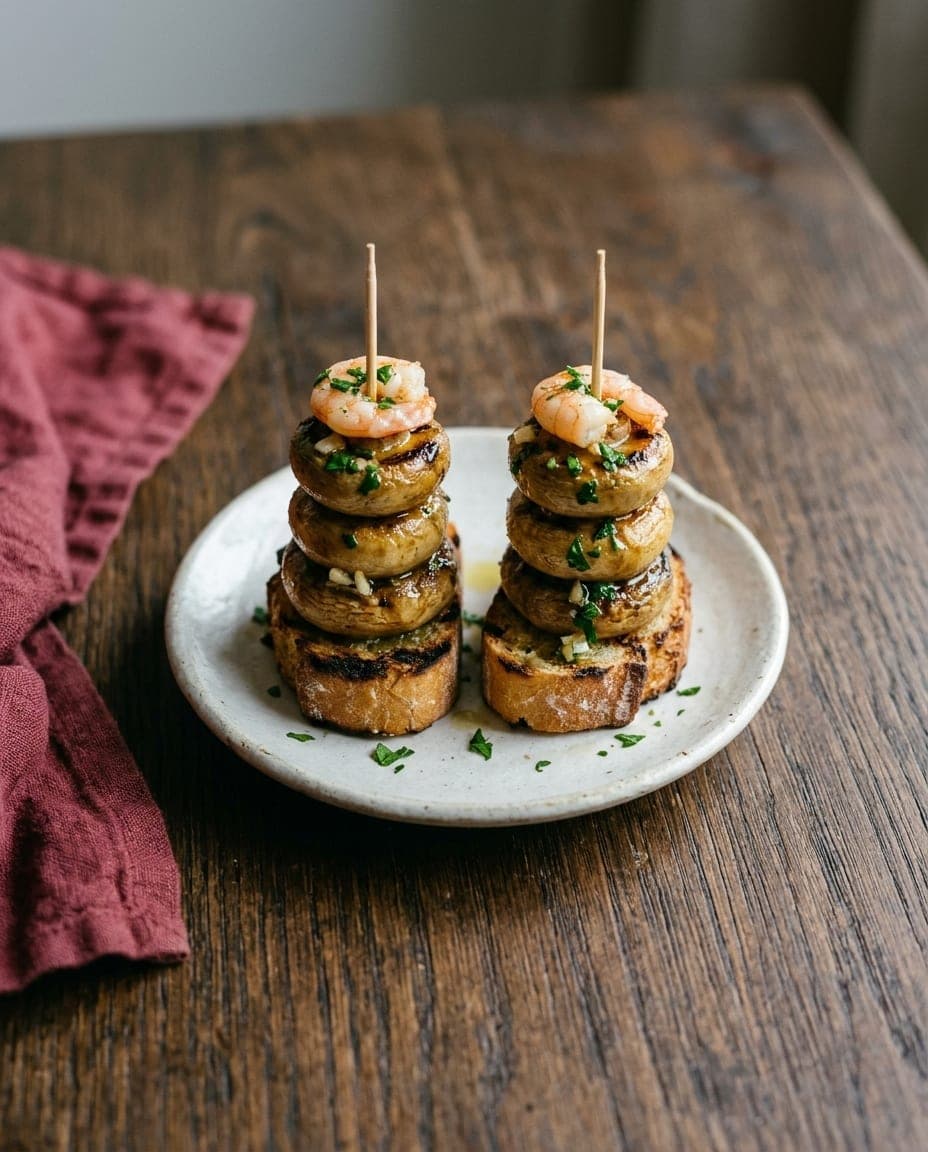
Griddled mushroom stack with garlic oil and prawn on Calle Laurel
- Local name
- Champiñón a la plancha
- Served with
- Skewered on bread
- Best eaten at
- A Calle Laurel tapas bar in Logroño
- Pairs with
- Young Rioja red
What it is
Champiñón a la plancha is one of the best-known pinchos of Calle Laurel in Logroño, the capital of La Rioja. It consists of mushroom caps, grilled on a hot metal plate until they develop a deep brown colour and release their juices. The cooked mushrooms, usually three, are stacked on a slice of bread, crowned with a prawn and held together with a toothpick. A garlic and parsley oil, its exact recipe often a closely guarded secret, is spooned over each serving.
The dish is simple in construction but relies entirely on the quality of its components. The mushroom must be fresh and firm enough to hold its shape on the grill, while the bread needs to absorb the savoury juices without disintegrating. It is not a heavy meal but a concentrated burst of flavour designed for immediate consumption. The combination of earthy mushroom, sweet prawn, and sharp garlic creates a balance that defines the street's reputation.
A street of specialities
Calle Laurel is a short, narrow lane of around 200 metres in the old centre of Logroño, packed with dozens of small bars. Many of them are known for one or two signature pinchos, made over and over again. The grilled mushroom stack is the speciality of a handful of these bars, and it has become the street's most famous bite.
The tradition here follows a specific rhythm. Patrons move from bar to bar, ordering a single tapa at each stop and washing it down with a small glass of young Rioja wine. This style of drinking, known as tapeo, turns the street into a continuous line of movement where the food is eaten standing up or on high stools. The mushroom stack fits this pace perfectly; it is quick to prepare, easy to hold, and delivers a strong flavour in a couple of bites.
The name of the dish describes its method. Plancha refers to the flat metal griddle used to cook the mushrooms over high heat. This technique ensures that the surface of the cap caramelises while the inside remains tender. The juices released during this process are considered essential, soaking into the bread below and creating a savoury base for the prawn and garlic oil.
What goes into it
The ingredients are few, but their preparation determines the result. The mushroom is the central element, usually a large variety of Agaricus or similar field mushroom that offers a broad surface area for grilling. It is cooked until it loses moisture and gains a distinct roasted flavour.
- Mushroom caps, grilled on the hot plate until they turn dark brown and release their liquid.
- Bread, typically a rustic slice cut to fit the mushroom, serving as an edible vessel for the juices.
- Prawns, one perched on top of each stack to add a sweet contrast to the earthy mushroom.
- A toothpick, pushed through the whole stack to hold it together.
- Garlic oil, made from olive oil, garlic and parsley, which is spooned over the top just before serving.
The prawn crowns the stack, while the toothpick keeps the layers from sliding apart when picked up. The oil adds a final layer of richness, cutting through the texture of the bread and mushroom with its sharp, aromatic notes.
How to eat it
Champiñón a la plancha is designed for casual eating on Calle Laurel. It is usually served immediately after leaving the grill, while the mushroom is still warm and the oil is liquid. The toothpick makes it possible to hold the entire stack in one hand, though many diners eat the prawn first before finishing the rest of the tower.
The bread at the bottom becomes soaked with the mushroom juices, making it a favoured part of the dish for some. It is common to finish by mopping up the small pool of oil and juices left on the plate.
A glass of young Rioja red is the usual companion. Its fruit and light tannins complement the earthiness of the mushroom and the fat of the garlic oil. The acidity helps to cleanse the palate between bites, keeping the flavour bright throughout the street-hopping experience.
Where to try it
The best place to eat champiñón a la plancha is on Calle Laurel itself in Logroño. Only a few of the bars along this short stretch specialise in it, and they are easy to spot by the griddles lined with mushrooms; for many visitors the dish is the main reason to come.
Visitors often arrive with an appetite for a series of these stacks, moving from one bar to another to taste slight variations in preparation or oil. It is a year-round offering, though the quality of the mushrooms can vary depending on the season. The experience is about the collective tradition of the street, where the evening is spent moving from one speciality to the next.
Where to try it
1 region
 Wine Tasting11 destinations
La Rioja
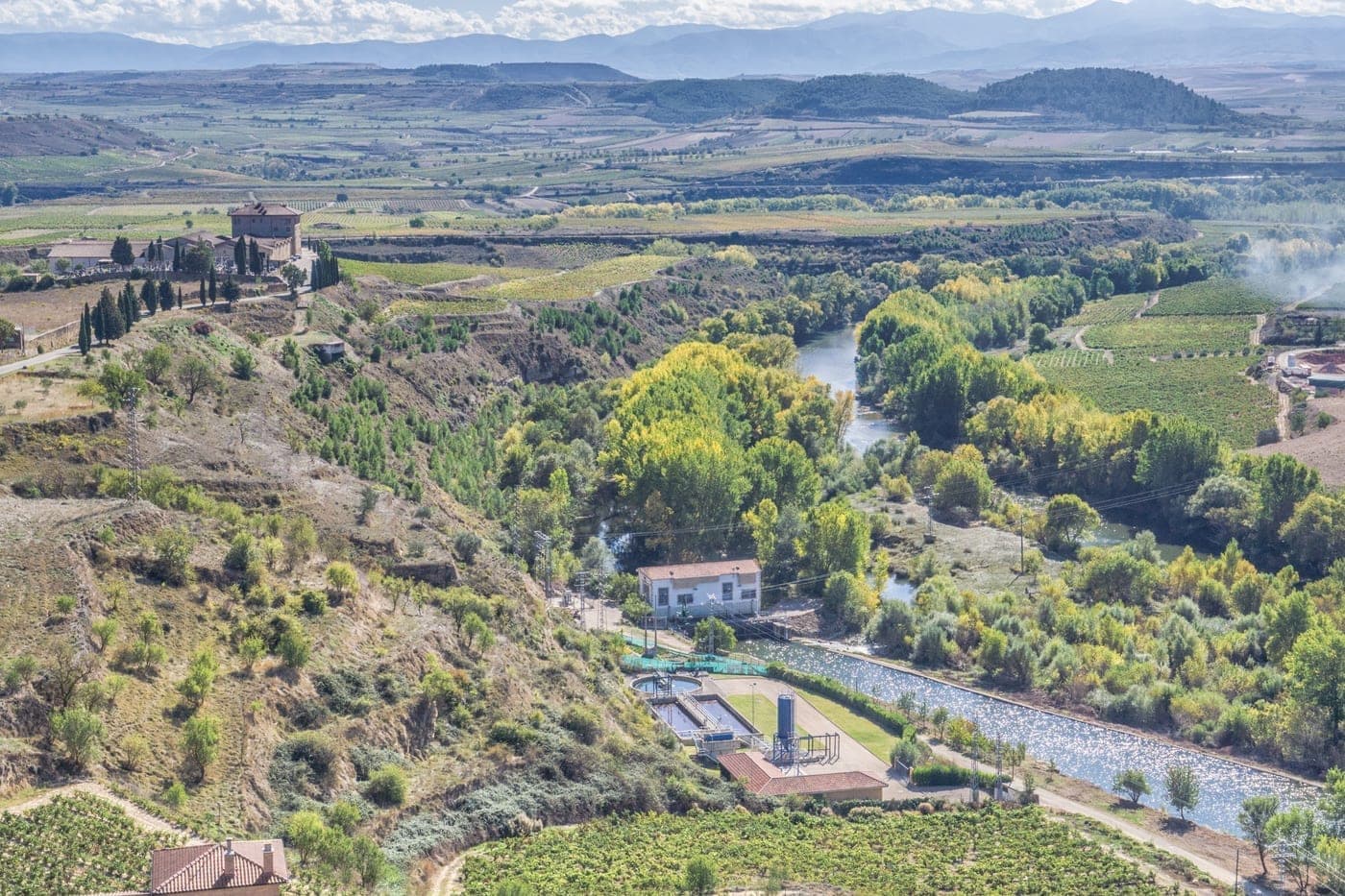
Known for its exceptional wines, this region is home to diverse vineyards producing Tempranillo and Garnacha grapes. The only wine-producing region in Spain with a Denomination of Origin status, La Rioja is characterized by rolling hills and the Ebro River. Historic towns like Haro offer wine cellars and local festivals, while the capital, Logroño, is famous for its vibrant tapas scene along Calle Laurel. The region features ancient monasteries, such as San Millán de la Cogolla, a UNESCO World Heritage site. Hikers can explore the Sierra de la Demanda mountains, and traditional crafts like pottery and leatherwork are still practiced in small villages. La Rioja’s landscapes vary dramatically, providing a rich tapestry of cultural experiences.
Wine TastingHiking