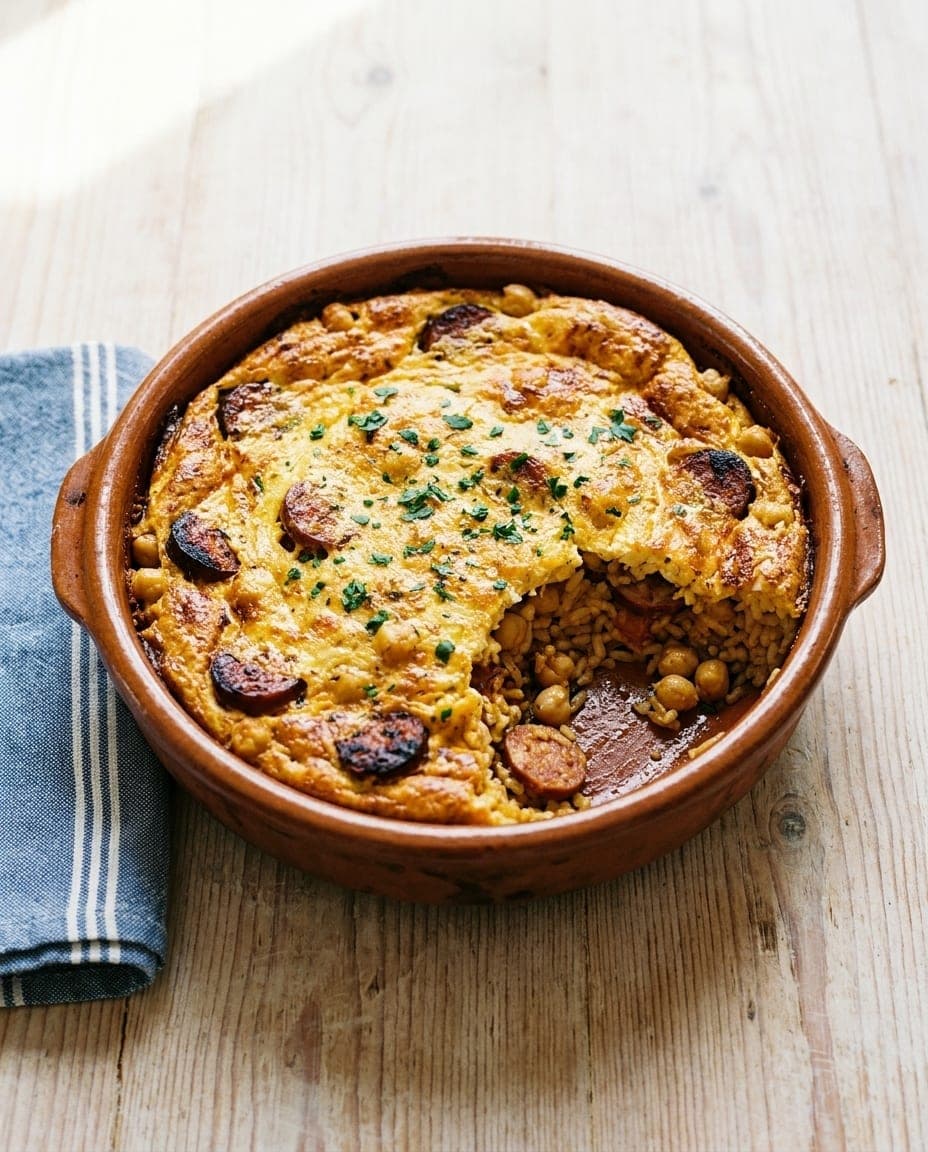
Cachopo
A massive breaded veal dish from Asturias served with cider
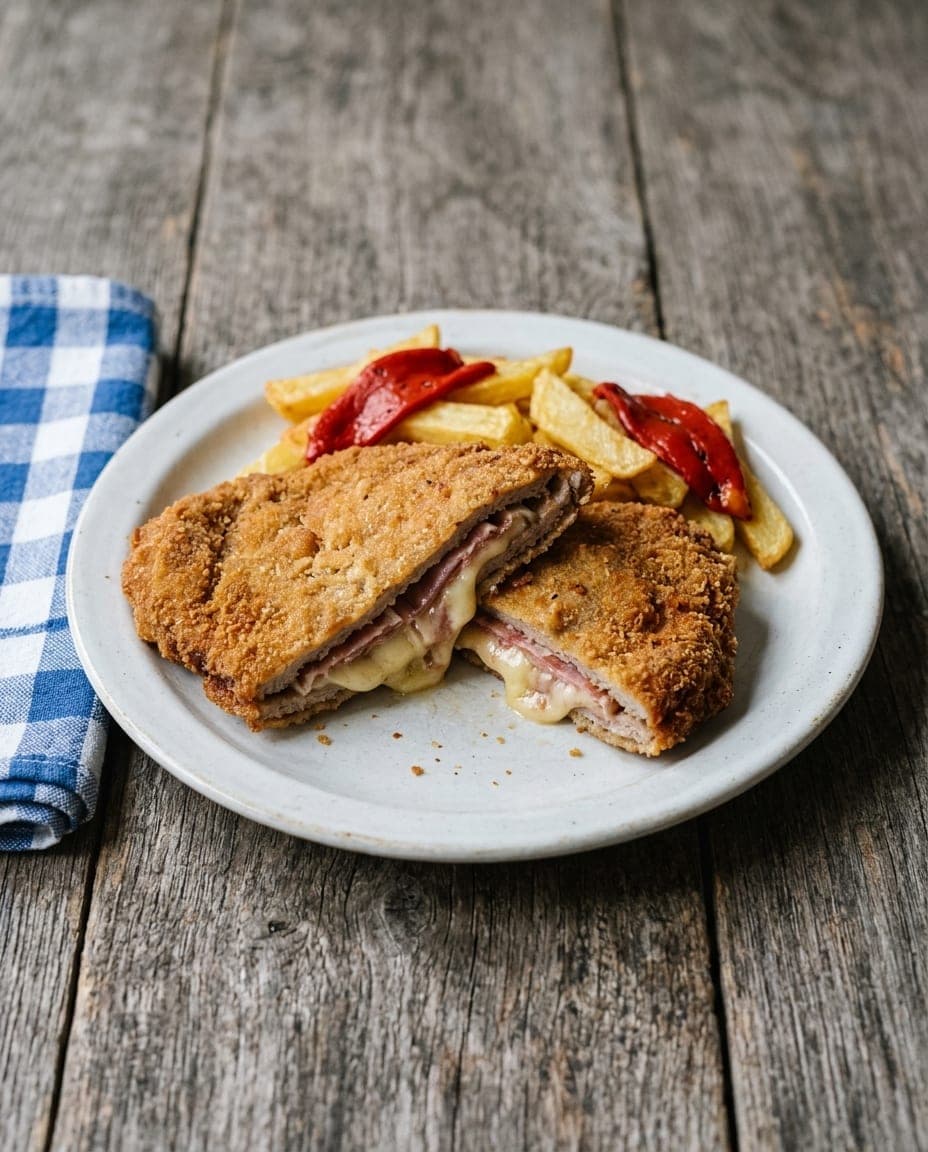
- Local name
- Cachopo
- Served with
- Fried potatoes, roasted peppers
- Best eaten at
- An Asturian sidrería
- Pairs with
- Asturian cider
What it is
Cachopo is one of the most famous dishes of the northern Spanish region of Asturias, a large, heavy plate of breaded veal that has become a symbol of Asturian hospitality. It consists of two thin escalopes of veal, stuffed with a filling of cured ham and melted cheese, sealed at the edges, coated in breadcrumbs and deep-fried until golden. The result is a substantial, crispy parcel that arrives on a wooden board or large plate, often accompanied by fried potatoes and roasted peppers.
The defining feature of cachopo is its size. It is not a starter for a quick lunch; it is a main course usually shared between two or more people. Restaurants in Asturias compete on the heft of their versions, with some serving escalopes so large they hang over the edge of the plate. The dish is modern in origin, dating from the mid-20th century rather than from centuries of farmhouse cooking.
Where it comes from
The dish belongs firmly to Asturias, where the landscape of green hills and mountains supports a culture of hearty, calorie-dense food. Its home is usually given as Oviedo: the Asturian food writer Eduardo Méndez Riestra places its birth in a bar in the city from the mid-1940s, during the lean post-war years of rationing. The origin of the name itself is unknown.
For decades it was a local restaurant dish. It became truly fashionable in the 2010s, especially with younger diners, and an Asturian cachopo championship has been held since 2014. Today it has spread to menus well beyond the region, but Oviedo, Gijón and the cider houses of central Asturias remain its heartland.
What goes into it
There are many variations of the filling, but the core components remain consistent. The veal is usually cut from tender joints and sliced very thin, so the heat penetrates quickly without drying out the meat before the breading browns.
- Cured ham, classically jamón serrano, provides a salty base for the filling.
- Cheese, usually a soft cheese that melts easily; many versions use Asturian cheeses, including the sharp, blue-veined Cabrales.
- Mushrooms or peppers, sometimes added to the stuffing to introduce earthy notes or a mild sweetness.
- Breadcrumbs for the outer coating, creating a crisp shell that holds the filling together during frying.
Chips are the traditional side, while roasted peppers or a salad provide a counterpoint to the richness.
How it is eaten
Cachopo is at home in the sidrerías, the cider houses that serve as social hubs in Oviedo, Gijón and the surrounding towns. These are not quiet dining rooms but lively spaces where groups gather to drink, eat and talk. The dish arrives whole on a board and is cut into pieces at the table. A single cachopo is commonly shared by two or three people, as one portion alone is often enough to fill even a hungry appetite.
The pairing is essential. The dish is almost always accompanied by sidra, the natural cider of Asturias. The cider is poured from a height, a technique known as escanciar, which aerates it and briefly livens its natural sparkle. The sharp, slightly acidic notes of the cider cut through the fat of the fried veal and melted cheese, cleansing the palate between bites.
The breaded exterior should be crispy, while the interior remains soft and hot. The meal is substantial enough that it is rarely followed by another course, though some diners might finish with a simple dessert or coffee.
A modern classic
The cachopo is a relatively recent addition to the Asturian culinary landscape, yet it has achieved a status that rivals older traditions. Its rise was carried by the sidrerías and their generous portions, and the dish became a point of pride for the restaurants that served it, with owners competing to make their cachopo the largest or the most generously filled. This spirit of competition remains today, with menus often listing the size of their portions.
The modern cachopo also reflects the versatility of Asturian cuisine. While veal, ham and cheese remain the classic base, cooks now offer versions with fish, chicken, mushrooms, cured sausages or seafood. This adaptability has kept the dish relevant while its core identity stays intact.
Curious facts
- A battle of size. Restaurants often compete on the weight of their cachopo, and some advertise portions of a kilogram or more.
- The cider ritual. Pouring cider from a height is not just a show; it aerates the cider, which is only lightly sparkling, just before it is drunk.
- A shared meal. It is unusual to order a cachopo for one person alone, as the portion is designed to be shared.
- A post-war invention. The dish is generally traced to Oviedo in the 1940s, making it younger than many of the cider houses that now serve it.
- A championship of its own. Asturias has held a cachopo championship since 2014, a sign of how far the dish has risen in local esteem.
Where to try it
The best place to eat cachopo is in a traditional sidrería in Oviedo, Gijón or elsewhere in central Asturias. These establishments are easy to find in the towns and valleys, often marked by signs advertising their cachopos and cider.
Local sidrerías where families and friends come to celebrate are the best choice. Staff will readily recommend a version that has been on the menu for years, and the portion sizes will reflect the genuine spirit of the region.
Where to try it
1 destination
 Panoramic Trains
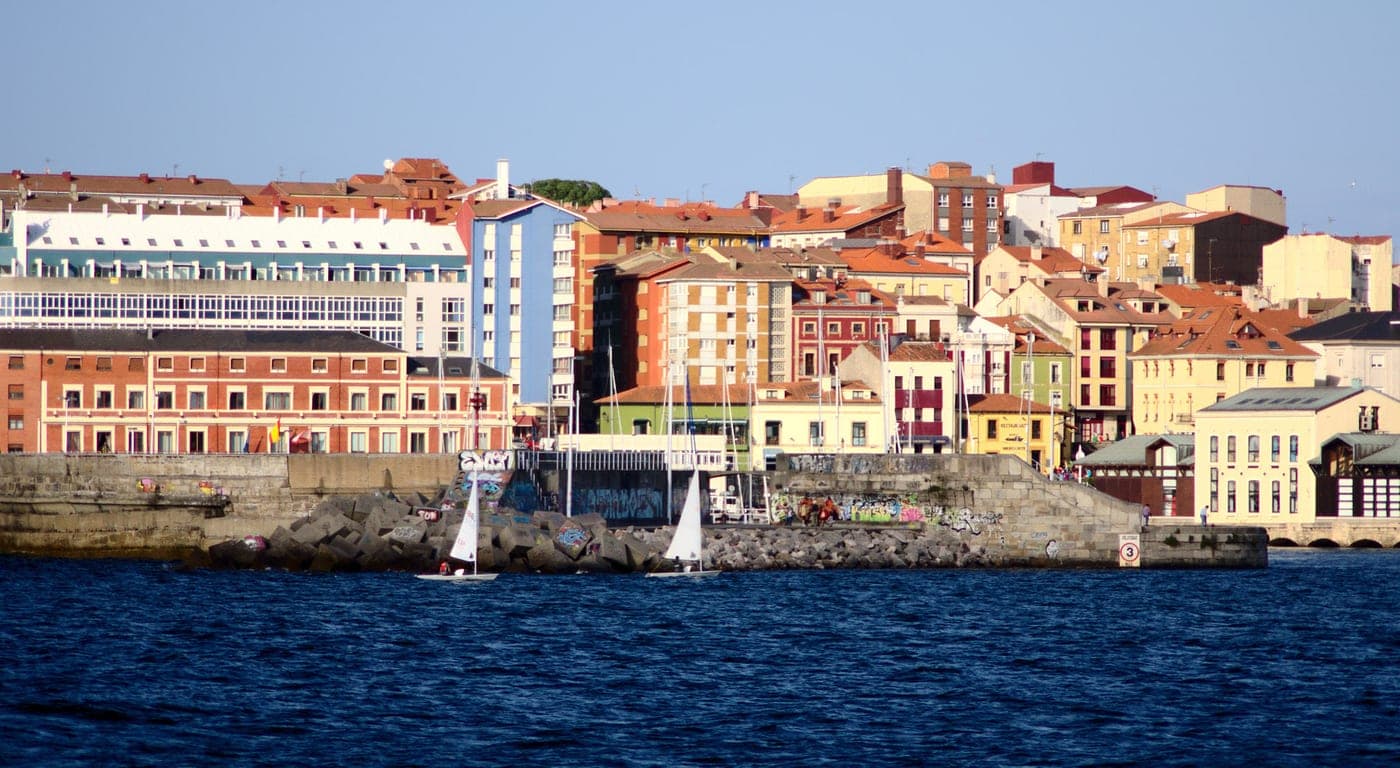
Gijón
Coastal city known for its vibrant seafront, cider culture, and historic architecture.
Panoramic TrainsHiking
1 region
 Panoramic Trains6 destinations
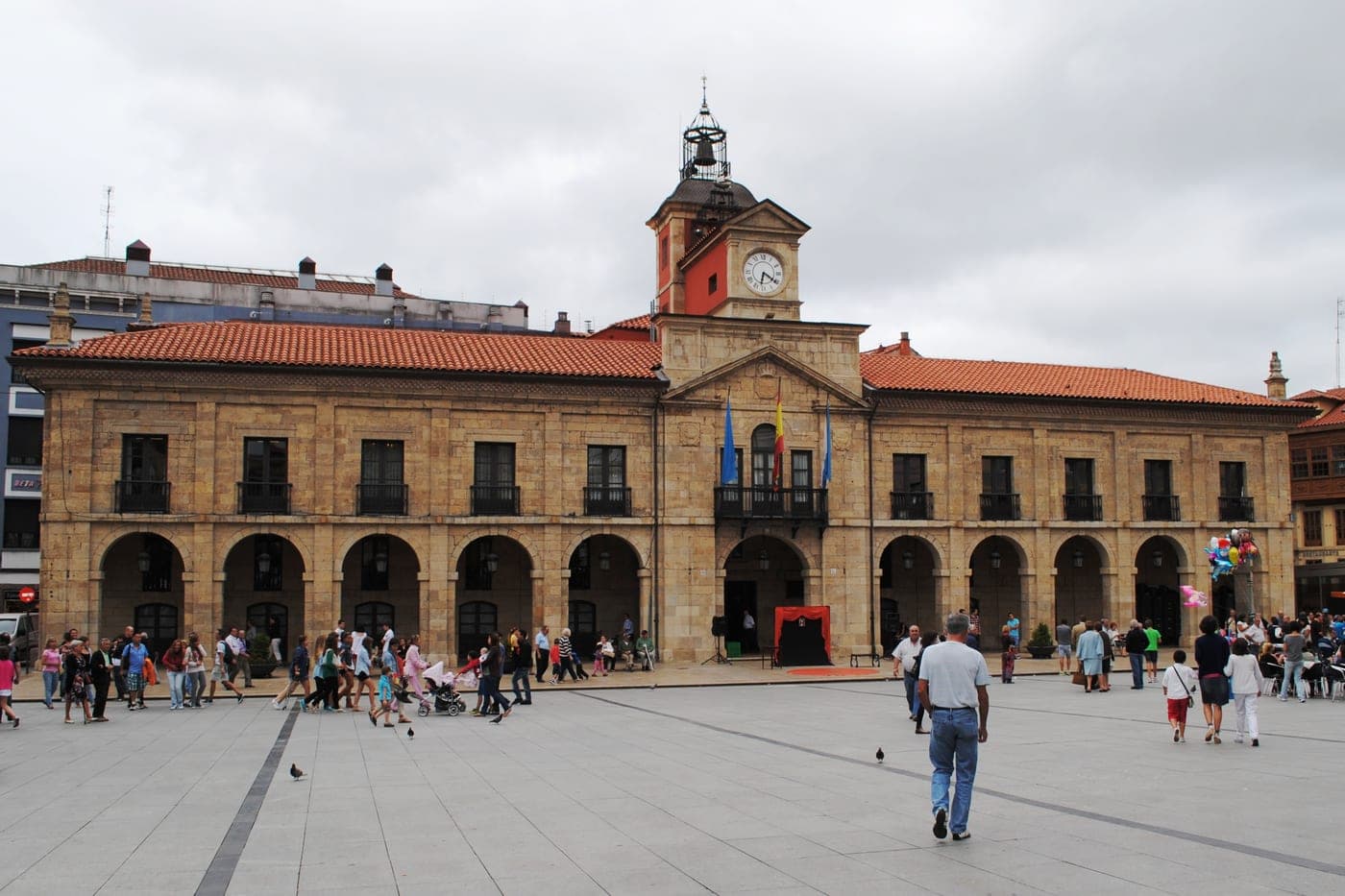
Asturias
Asturias, bordered by the Cantabrian Sea to the north, is known for its rugged coastline and lush green landscapes. This region is the only one in Spain with both mountains and the sea, presenting a unique blend of natural beauty. Oviedo, the capital, is famed for its pre-Romanesque architecture and vibrant cultural scene, while Gijón offers beaches and a lively harbor. The Picos de Europa National Park attracts hikers with its dramatic peaks and diverse wildlife. Asturias is also recognized for its cider production, with traditional sidrerías dotting the landscape. With its rich history, including the medieval kingdom of Asturias, this region offers a deep dive into local culture, making it a fascinating destination for exploration.
Panoramic TrainsHikingLocal Cuisine