Śledź (Baltic herring)
Pickled herring on Poland's Christmas Eve table
- Local name
- Śledź
- Served with
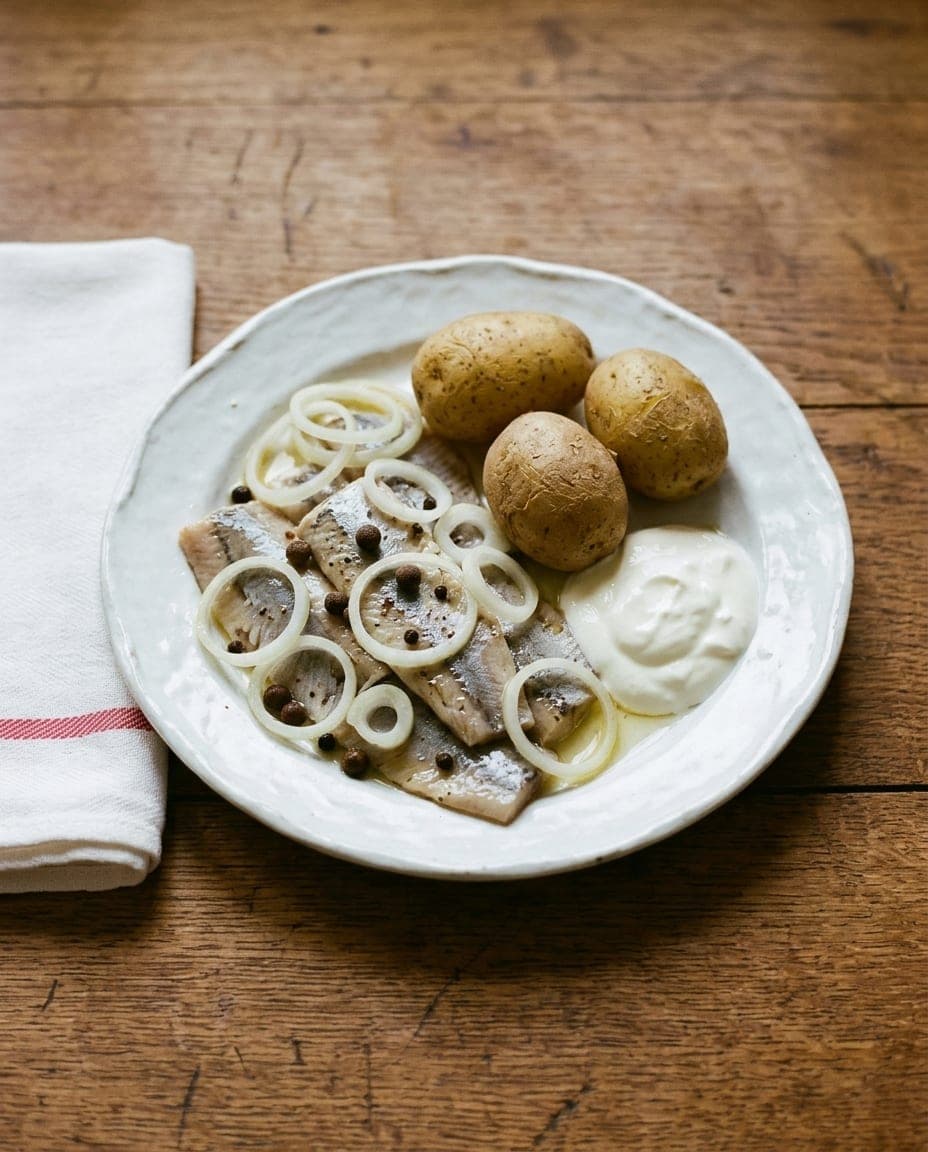
- Onions, potatoes, sour cream
- Best eaten at
- A Polish Christmas Eve Wigilia table
- Pairs with
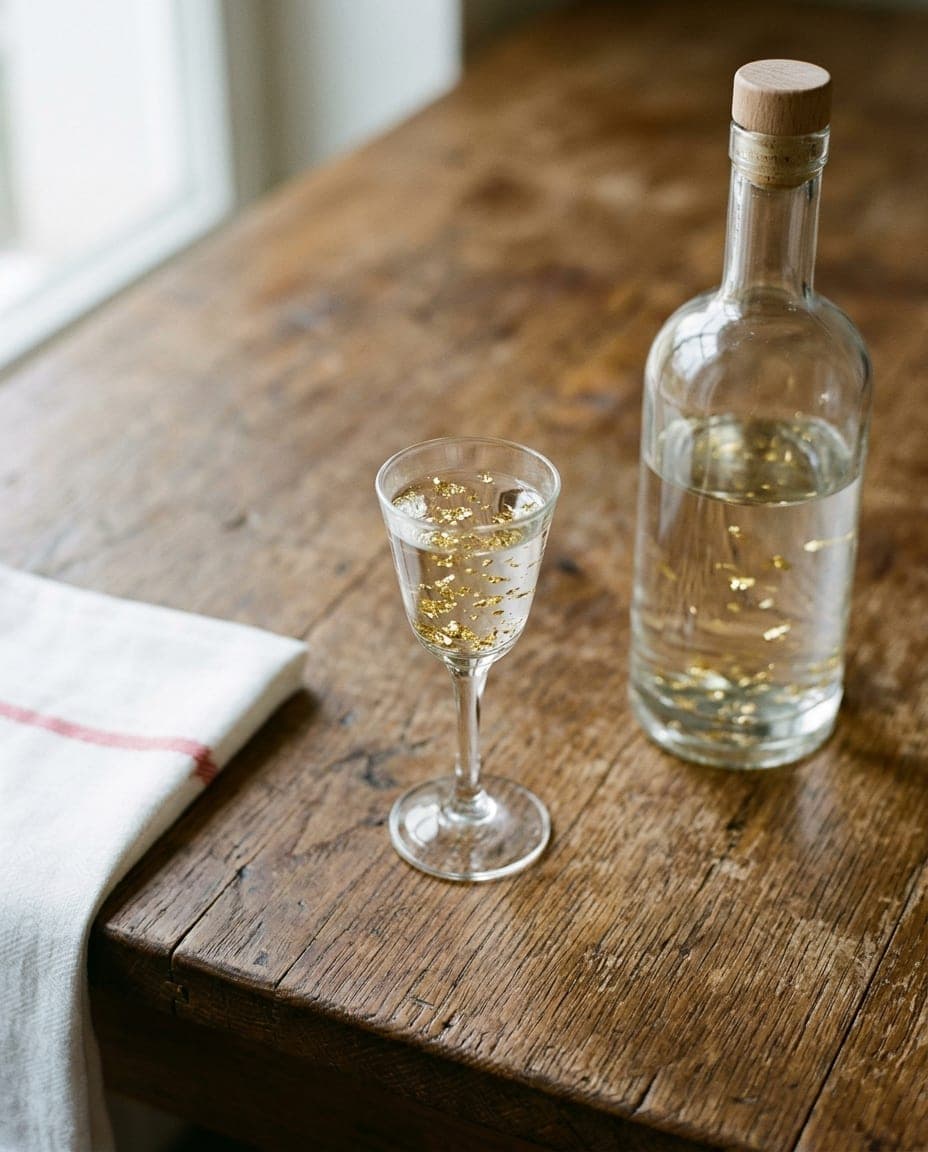
- Chilled Polish vodka
What it is
Śledź, Polish for herring, forms the backbone of the Polish cold table and remains a defining flavour of the country's northern coast. It is not a single dish but a category of preparation that transforms the small, oily fish into something substantial enough to anchor a meal. Herring is still landed and processed along the Polish coast, from the Szczecin Lagoon to the Gulf of Gdańsk, although much of the herring on Polish tables today is Atlantic fish brought in from further north.
The most common forms are śledź w oleju (herring in oil), marinated with raw onions and vinegar to create a sharp, clean taste, and śledź w śmietanie (herring in sour cream), where the fish is dressed in thick dairy with chopped apples and onions for a milder, creamy finish. Another variation involves rolling fillets around pickles to form cylinders known as rollmopsy. These preparations are not merely snacks; they are central to two distinct culinary moments in Polish life. They appear as zakąska throughout the year, small salty bites served with cold vodka, and they hold a sacred place at the heart of the Christmas Eve supper, the Wigilia.
The Christmas Eve tradition
The most significant appearance of herring occurs during the Wigilia, the meatless Christmas Eve supper that takes place after the first star appears in the sky. This meal traditionally consists of twelve dishes, usually said to honour the twelve apostles, and herring is almost always present, often in more than one form. It might appear as śledź w śmietanie with boiled potatoes and onions, or as salted fillets served with a simple dressing. The meal must be meatless on that night, which is why the herring carries it.
The fish is often soaked before serving to reduce its saltiness. Home cooks debate whether milk or water is the better medium for this process, but the result is always a milder, more approachable flavour suitable for the solemnity of the evening. The dish is served alongside other traditional items like carp, barley with poppy seeds, and beetroot soup, creating a table that feels both humble and celebratory. The presence of herring on this night is not optional; it is the thread that connects the coastal fishing traditions to the inland customs of the rest of the country.
How it is eaten throughout the year
Outside of the Christmas season, Śledź serves a different social function. It is a classic zakąska, a small dish designed to be eaten with cold vodka. This pairing is a fixed part of Polish hospitality and can be observed in homes, bars, and restaurants across the country. The saltiness of the herring cuts through the sharpness of the spirit, while the fat content of the fish coats the palate, making the experience smoother.
When served as zakąska, the herring is often accompanied by onions, potatoes, or sour cream, depending on the preparation. A plate might hold slices of boiled potato topped with a creamy dressing and a fillet of herring, creating a textural contrast between the soft vegetable and the firm fish. This combination is meant to be eaten quickly, in small bites, before the next shot of vodka arrives. The rhythm of the meal is steady and social, encouraging conversation rather than lingering over a single dish.
What goes into it
While there are many regional variations across the Baltic coast, the core ingredients remain consistent. The fish itself comes from the Baltic or, very often, the North Atlantic, where cold waters give the herring its firm texture and distinct oil content. The standard preparations rely on a few key elements:
- Herring fillets, usually salted or cured, which form the base of every dish.
- Onions, usually raw, either sliced into rings for śledź w oleju or chopped finely into the cream.
- Sour cream, used to create a deep, white sauce that softens the fish's brine in śledź w śmietanie.
- Apples, often chopped into small pieces to add a touch of sweetness to the creamy preparation.
- Pickles, essential for the rollmopsy style, where they are rolled inside the herring fillet.
- Vinegar and oil, the primary marinades that define the w oleju style.
The final dish is never heavy in a greasy sense; it is balanced by the acidity of the vinegar or the creaminess of the dairy. The goal is to create a flavour that lingers on the tongue without overwhelming the palate, making it suitable for both a quick snack and a ceremonial meal.
Curious facts
- The soaking debate. Many Polish households soak herring in milk rather than water to reduce saltiness, a step that home cooks argue about fiercely but which is rarely written down in official recipes.
- Twelve dishes. The Wigilia table traditionally features twelve dishes, and since fish is the only flesh allowed, herring often appears more than once.
- Coastal to inland. While herring is tied to the Baltic coast, its presence on a Christmas table in Warsaw or Kraków shows how coastal traditions permeate the entire country.
- A vodka companion. The pairing of herring with chilled vodka is so standard that herring is one of the first zakąski to appear on many hosts' tables.
- No meat allowed. The fish's role at Christmas Eve is vital because the meal must be entirely meatless, making the oily herring a necessary source of sustenance and flavour.
Where to try it
The best place to taste authentic Śledź is on the Baltic coast, from Szczecin to the towns around the Gulf of Gdańsk, where herring is still landed and processed. Small family eateries along the coast serve śledź w oleju with potato salad, or the cream version with apple.
During the Christmas season, the experience shifts to a home setting. The Wigilia table is traditionally private, but many Polish households welcome guests, and the herring dishes are central to the hospitality offered. A December menu in the region will often list two preparations of herring. Outside the holidays it is bar food, ordered with a shot of vodka.
Where to try it
1 region
 Boat Rentals2 destinations
West Pomerania
The only region in Poland with a coastline, West Pomerania features a diverse landscape of sandy beaches, forests, and lakes. Szczecin, the capital, is known for its maritime history and Gothic architecture, while the charming fishing town of Łeba offers access to the stunning Słowiński National Park, famous for its shifting sand dunes. The region also houses the historic Pomeranian Dukes' Castle in Szczecin and the picturesque village of Darłowo, known for its medieval castle and vibrant harbor. West Pomerania is rich in local gastronomy, including fresh seafood and regional specialties, making it a great spot for culinary exploration. Additionally, the area celebrates traditional festivals that highlight local culture and crafts, offering authentic experiences away from the typical tourist paths.
Boat RentalsHiking