La Trappe
Trappist ale brewed at Koningshoeven Abbey in Noord-Brabant
- Alcoholic
- Local name
- La Trappe
- Served
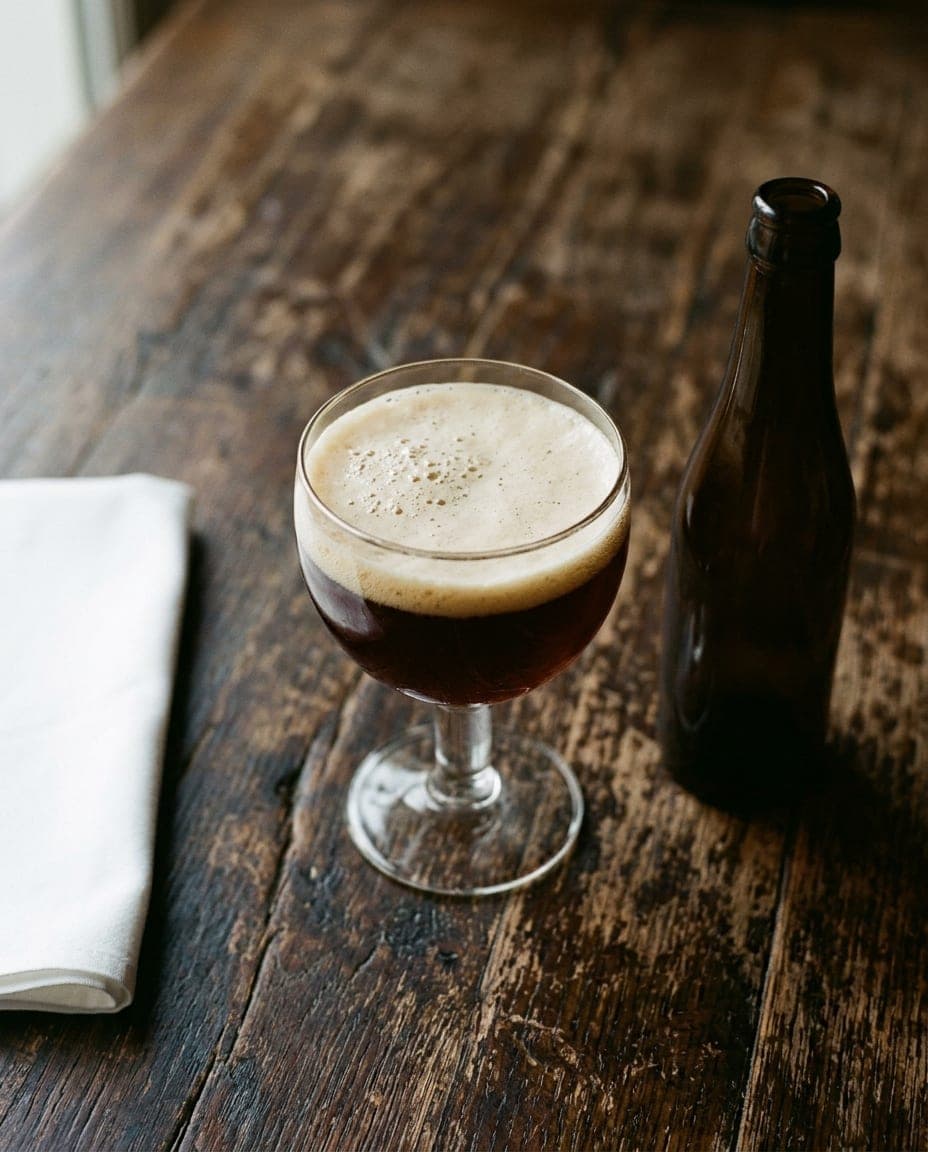
- Cellar-cool, in a chalice
- Best eaten at
- Koningshoeven abbey tasting room
- Pairs with
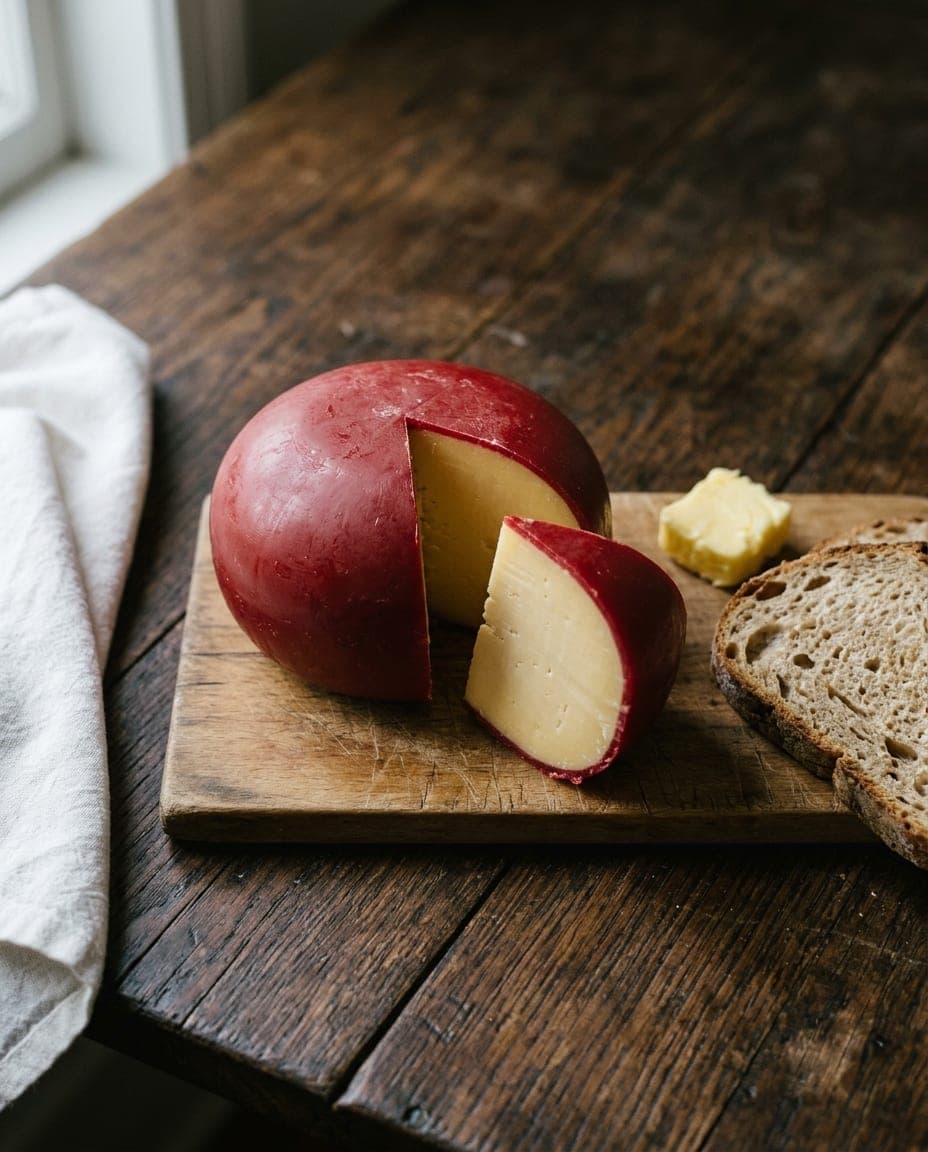
- Abbey cheese
What it is
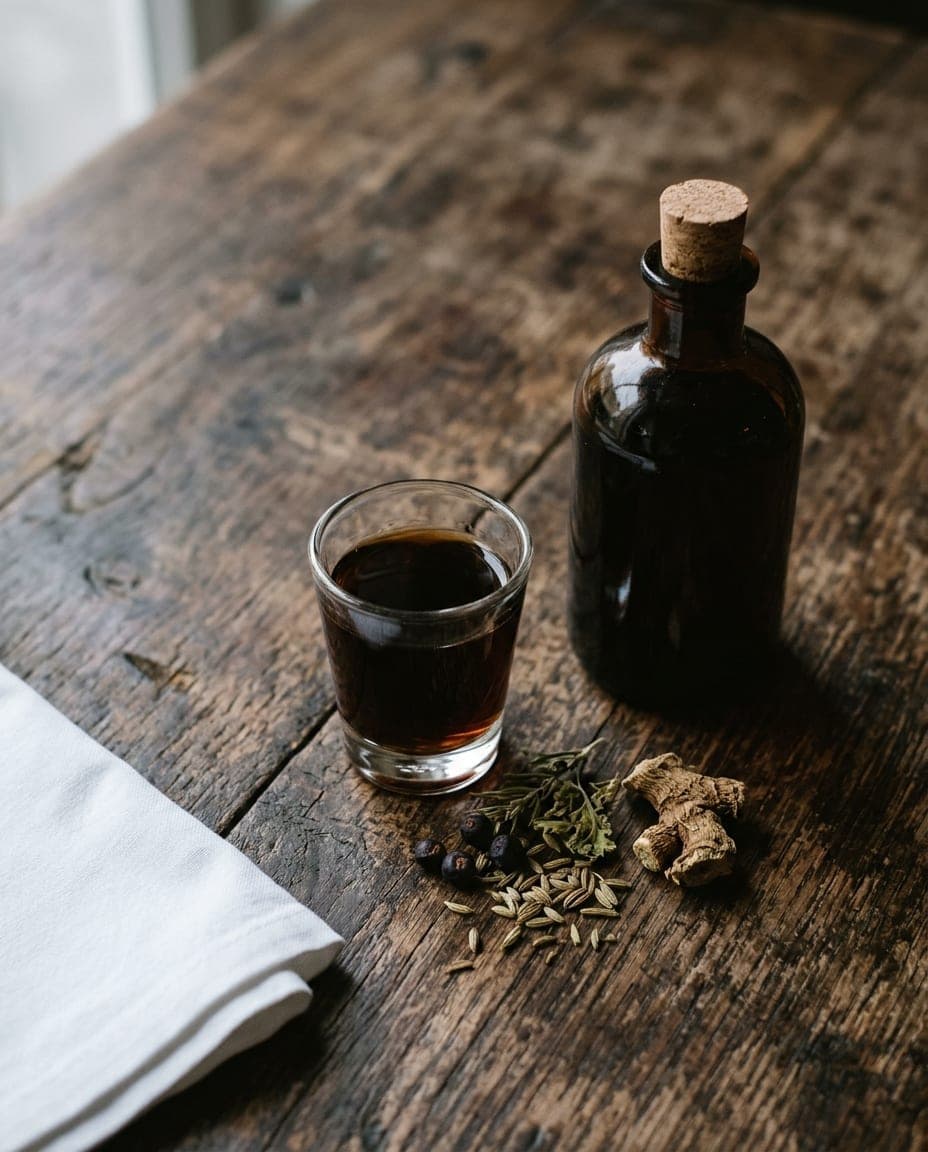
La Trappe is the name given to the range of Trappist beers brewed at the Koningshoeven Abbey, in Berkel-Enschot on the edge of Tilburg, in the province of Noord-Brabant. It stands apart from most Dutch beer, which is typically produced by large commercial breweries or small independent craft makers. La Trappe is brewed under the authority of a monastic community, for whom work is part of their daily life and spiritual discipline.
The term Trappist refers to the order of Cistercians of the Strict Observance, a branch of the Benedictine family known for its strict adherence to the rule of St Benedict. For these beers to bear the label, they must meet specific criteria: the brewing must take place within the walls of the monastery, under the supervision of the monks, and the profits must be directed towards charitable works or the maintenance of the abbey community. La Trappe holds the right to use the Authentic Trappist Product logo, a distinction shared by only a handful of breweries worldwide, most of which are located in Belgium.
The beers themselves follow the traditional Belgian abbey styles. The range extends from a light blond ale through dubbel and tripel varieties to the rich quadrupel, with a witbier, a seasonal bock, an organic pale ale and alcohol-free beers alongside. Each style reflects brewing methods developed in Belgian and Dutch monasteries, adapted to the specific character of Koningshoeven. The result is a set of beers that feel deeply connected to their place of origin, yet carry the weight of a global tradition.
The history of the abbey brewery
The abbey was founded in 1881 by Trappist monks from the abbey of Mont-des-Cats in northern France, who expected to be exiled, on a stretch of heathland outside Tilburg where a sheepfold, De Schaapskooi, stood. Brewing began in 1884, as the community looked for a way to support itself, and the brewery still carries the Schaapskooi name.
For decades, the brewery operated quietly, supplying local markets and the abbey community, before growing into the widely exported brand it is today. In 1999 day-to-day operations were handed to a company set up by the Bavaria brewery group, which rents the buildings and equipment from the abbey. The International Trappist Association objected, and La Trappe stopped using the Trappist logo from December 1999 until an agreement restored it in September 2005.
The brewery's location within the abbey walls remains central to its identity. The monks retain oversight of the brewery, which is what the International Trappist Association's standards require: brewing within the abbey, under the community's responsibility, with the income supporting the community and charity. The abbey itself serves as both the home of the monks and the factory where their labour takes a liquid form.
What goes into it
The ingredients for La Trappe beers are simple, yet the execution requires precision. The base typically consists of malted barley, though some styles may include other grains to achieve specific flavours. Hops provide the necessary bitterness and aroma, while yeast is responsible for fermentation and the development of the beer's character. Water from the local area forms the foundation of every batch.
The brewery uses traditional brewing techniques that have been refined over generations. Some, such as the oak-aged quadrupel, are matured in wooden barrels before packaging, a practice that allows flavours to mature and integrate. This approach contrasts with the rapid production cycles common in commercial brewing.
The range includes several distinct styles:
- Blond: A pale, golden ale with a light body and subtle fruit notes.
- Dubbel: A darker, amber-brown ale with notes of dark fruit, caramel and spice.
- Tripel: A stronger, golden beer with a complex profile of citrus, pepper and honey.
- Quadrupel: A deep, dark ale with deep flavours of dried fruit, chocolate and toffee.
Each style reflects the specific needs of the brewing process and the desired character of the final drink. The brewery describes its beers as made with natural ingredients; the complexity comes from the ingredients and the time allowed for maturation.
How it is served
La Trappe is traditionally served cellar-cool, typically in a chalice or a tulip glass that helps preserve the aroma and foam. The temperature is crucial: too cold and the flavours are muted, too warm and the alcohol becomes overpowering. The chalice shape allows the drinker to hold the glass by the stem, keeping the beer at the correct temperature while appreciating its appearance.
The beer is often enjoyed in the company of others, reflecting the communal nature of monastic life. In the Netherlands, it is common to share a bottle or two with friends over a meal or conversation. The abbey's own organic cheese, sold under the same name, is the natural pairing. The cheese's creamy texture and mild saltiness complement the beer's fruitiness and bitterness without overwhelming either element.
The abbey keeps a tasting room and shop where the full range is poured.
Curious facts
- A global mark. The Authentic Trappist Product logo is a protected trademark, ensuring that only beers brewed under strict monastic supervision can use it. La Trappe is one of very few breweries outside Belgium to hold this right.
- A commercial partner. Since 1999 the brewery has been run day to day by a subsidiary of the Bavaria group, under the abbey's oversight, which briefly cost it the Trappist logo between 1999 and 2005.
- Nothing wasted. The spent grain from the brewery is fed to the abbey's own herd of cows.
- Oak-aged. One version of the quadrupel is matured in oak barrels, and the plain quadrupel is made to age in the bottle.
- Cheese pairing. The abbey also makes its own organic cheese, from cow's and goat's milk, which carries the Authentic Trappist Product label too.
Where to try it
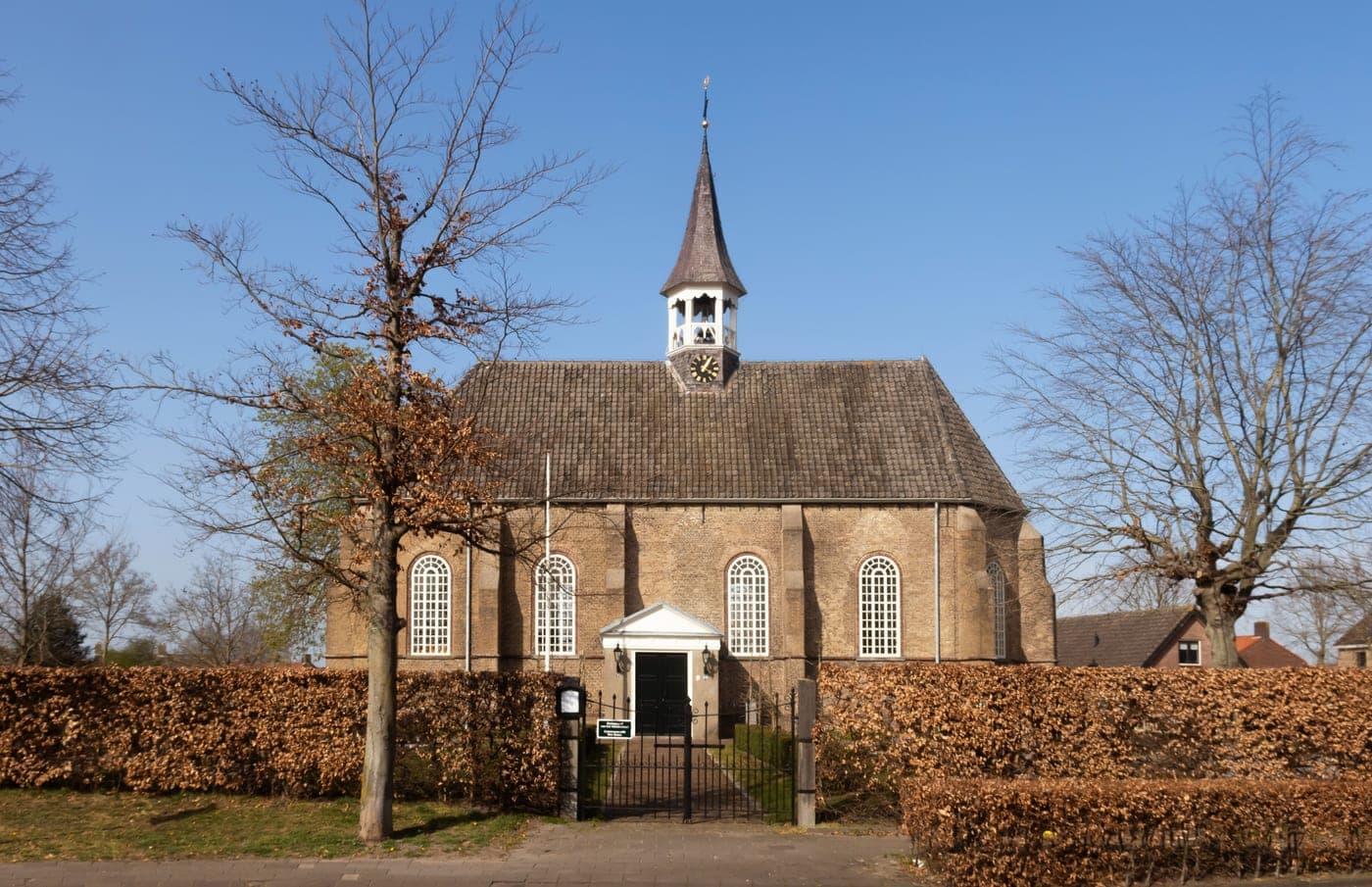
The most authentic experience of La Trappe is found at the Koningshoeven Abbey itself, particularly in the tasting room where the full range is poured. The abbey is located in Berkel-Enschot near Tilburg in Noord-Brabant, a region known for its agricultural heritage and monastic history. While the beer is available in many Dutch bars and restaurants, the atmosphere at the source remains unique.
Elsewhere it is in specialist beer shops and in bars with a Belgian list, and it is exported widely. The bottles travel well; the quadrupel in particular is made to age.
Where to try it
1 region
 Boat Rentals3 destinations
Noord-Brabant
Noord-Brabant is the largest province in the Netherlands, and it wears that size lightly. South of the great rivers, the land flattens into polders and reclaimed marsh, cut through by canals that once moved peat, grain and beer to the cities. Windmills still stand along some of these waterways, and the flat terrain has made the region a natural home for cycling: quiet paths run along dikes, through pastureland, and between villages that rarely announce themselves with more than a church spire above the trees. Water shapes much of the province. In the north, the Biesbosch is one of the last extensive freshwater tidal wetlands in Europe, a maze of creeks, reed beds and willow groves that formed after a catastrophic flood in the fifteenth century reshaped the land. Herons and beavers now share the marsh with slow-moving boats, and the light here changes constantly with the tide. Further south and east, the terrain rises just enough to form the Loonse en Drunense Duinen, an inland dune landscape of bare sand and scattered pine that feels closer to a coastline than to the Dutch interior. The towns of Noord-Brabant carry their history in brick rather than grandeur. 's-Hertogenbosch, the provincial capital, grew up around its cathedral of St John, a Gothic building whose carved details reward slow looking. Its old center is threaded by the Binnendieze, a hidden network of canals that once ran openly through the streets and now pass partly under the houses themselves. Breda, to the west, centers on a fortified castle and a Gothic church whose tower still dominates the skyline; the town's squares fill with market stalls and outdoor cafés that make use of the flat, walkable center. Smaller places across the province, from Bergen op Zoom to the villages around the Biesbosch, keep the same rhythm: a market square, a brick church, canals or a river close by. Noord-Brabant's cultural identity runs deeper than its old town centers. Vincent van Gogh was born in Zundert, in the province's southwest, and spent his early years in the flat farmland and heathland that would later appear, transformed, in his paintings; the landscape around Zundert and Nuenen still carries traces of the fields and cottages he sketched. In sharp contrast, Eindhoven, once a modest textile and industrial town, has become one of Europe's centers for design and technology, its former factories converted into studios, galleries and workspaces. This mix of old agricultural rhythm and forward-looking design culture is part of what makes the province distinct within the Netherlands. Food and drink here lean toward the everyday and the well-made rather than the showy. Regional cheeses, smoked sausage, and local beers from small and long-established breweries fill the market stalls and pub menus alike. Carnival, celebrated with particular intensity across Noord-Brabant in February, turns the usually calm town squares into something loud and colorful for a few days, with brass bands, costumed processions and local nicknames for each town used only during the festival. What ties the region together is its pace and its openness to slow movement through open country. Cyclists cross from village to village on paths that follow old dikes and canal banks, past windmills, grazing cattle and reed-lined water. Boats drift through the Biesbosch at the speed the tide allows. Even the cities keep a manageable scale, their centers built for walking rather than driving, their canals and market squares still doing the quiet work they always have. Noord-Brabant rewards those willing to look closely at ordinary things: a brick façade, a windmill's turning sails, a heron standing still in the reeds.
Boat RentalsHiking