Zuppa di farro della Garfagnana
A mountain soup of farro and beans from the Garfagnana valley in Tuscany
- Local name
- Zuppa di farro della Garfagnana
- Served with
- Olive oil, bread
- Best eaten at
- A Garfagnana trattoria
- Pairs with
- Colline Lucchesi red
What it is
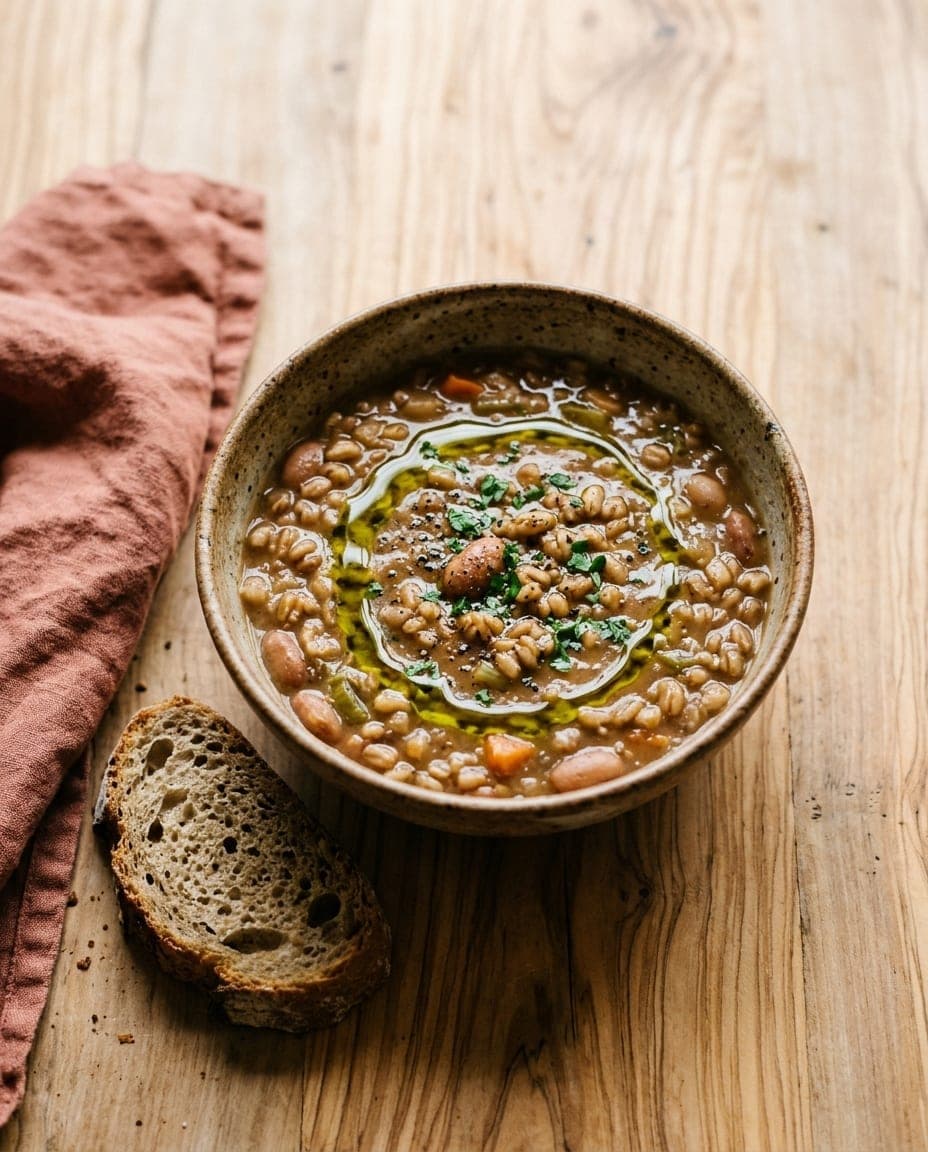
Zuppa di farro della Garfagnana is a thick, rustic soup from the mountain valley of the Garfagnana in northern Tuscany. The valley runs along the Serchio River, just north of Lucca, and the dish remains one of its most defining culinary features. It is not a light starter but a substantial meal built on the slow cooking of farro (emmer wheat) and beans, usually local Garfagnana varieties or borlotti, until they soften into a dense, savoury broth.
The texture is the defining characteristic of the soup. The grains are cooked until tender but retain a distinct chewiness, while the beans soften until creamy and thicken the liquid. This creates a consistency that feels substantial on the plate, often thickening further when left overnight. It is a dish born of necessity in a remote, mountainous area where ingredients were scarce and calories were needed for cold weather and physical work.
The grain of the valley
The story of this soup begins with the grain itself, farro della Garfagnana. This is emmer (Triticum dicoccum), an ancient hulled wheat often mistranslated as spelt, and it has survived in the Garfagnana while it disappeared from much of Italy. As the plains below switched to modern wheat varieties, the hill fields of the valley held on to the hardy emmer. It grows on poor hillside soil, developing a deep nutty flavour that defines the dish.
Since 1996 the grain has carried a protected geographical indication (IGP), a status that recognises its specific link to the territory and traditional methods of cultivation. This recognition validates a history where the crop was a vital staple for a population living in an isolated valley. The survival of this grain is the true narrative behind the soup: a sign of a community adapting to a difficult landscape and turning scarcity into something enduring.
How it is made
The soup relies on a foundation known as soffritto, a base of finely chopped onion, carrot and celery sautéed in oil or fat. To this, pieces of pancetta are added to provide a savoury depth that cuts through the earthiness of the beans. The farro and beans are then introduced along with tomato, which adds acidity and colour to the mixture.
A bay leaf is often added to the base, perfuming the broth as it simmers slowly. There is no single fixed recipe that every cook follows, but the balance of these elements remains constant across the region. The result is a deep, earthy soup where the individual grains remain distinct yet contribute to a cohesive whole.
How to eat it
Zuppa di farro della Garfagnana is traditionally served in a deep bowl, often with a generous pour of extra virgin olive oil from the nearby hills swirled on top just before eating. A slice of crusty local bread is placed alongside or dipped directly into the broth to soak up the liquid. The combination of the nutty farro, creamy beans and rich oil creates a warming finish that suits the cold mountain air.
It is found on menus throughout the Garfagnana and in nearby Lucca. It pairs naturally with a glass of Colline Lucchesi red wine, whose fruit notes complement the earthy tones of the farro and herbs without overwhelming them.
Curious facts
- A protected grain. The farro della Garfagnana holds a protected geographical indication, recognising its cultivation in the hill country of the valley and its historical importance to the local population.
- Winter sustenance. The soup is a staple of autumn and winter, when the weather turns cold and the need for hearty, warming food becomes essential for daily life in the mountains.
- The overnight thickener. The texture of the soup changes as it cools; it often becomes thicker and more cohesive the next day, making it a practical choice for meal preparation in rural households.
- A regional identity. While Tuscany is famous for many dishes, this soup remains specific to the Garfagnana valley and is not found widely outside this northern sector of the region.
Where to try it
2 destinations
 Wine Tasting
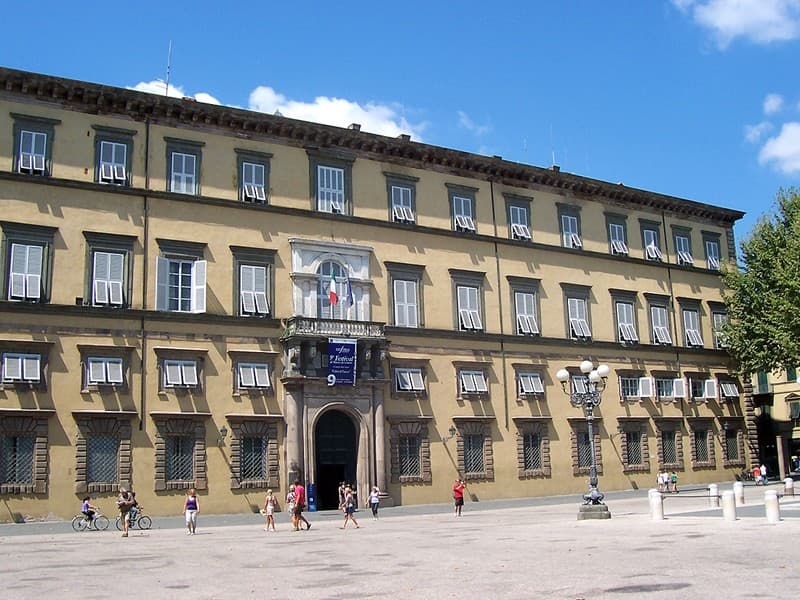
Lucca
Walled Renaissance city in northern Tuscany with nearby wine estates and olive oil production.
Wine TastingHikingLocal Cuisine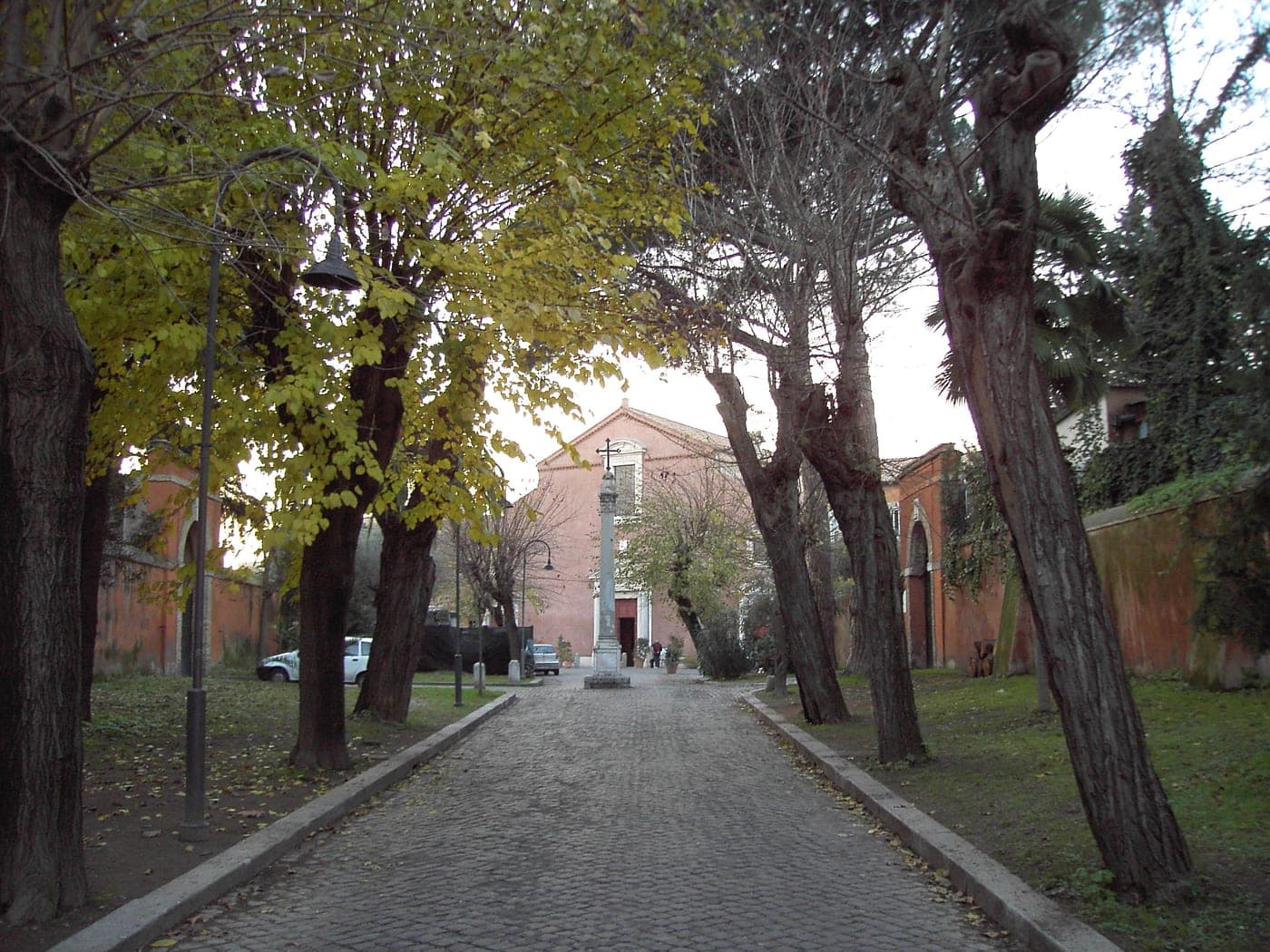 Wine Tasting
San Pancrazio
Village near Lucca with local wine estates and olive oil production.
Wine TastingHikingLocal Cuisine
1 region
 Wine Tasting38 destinations
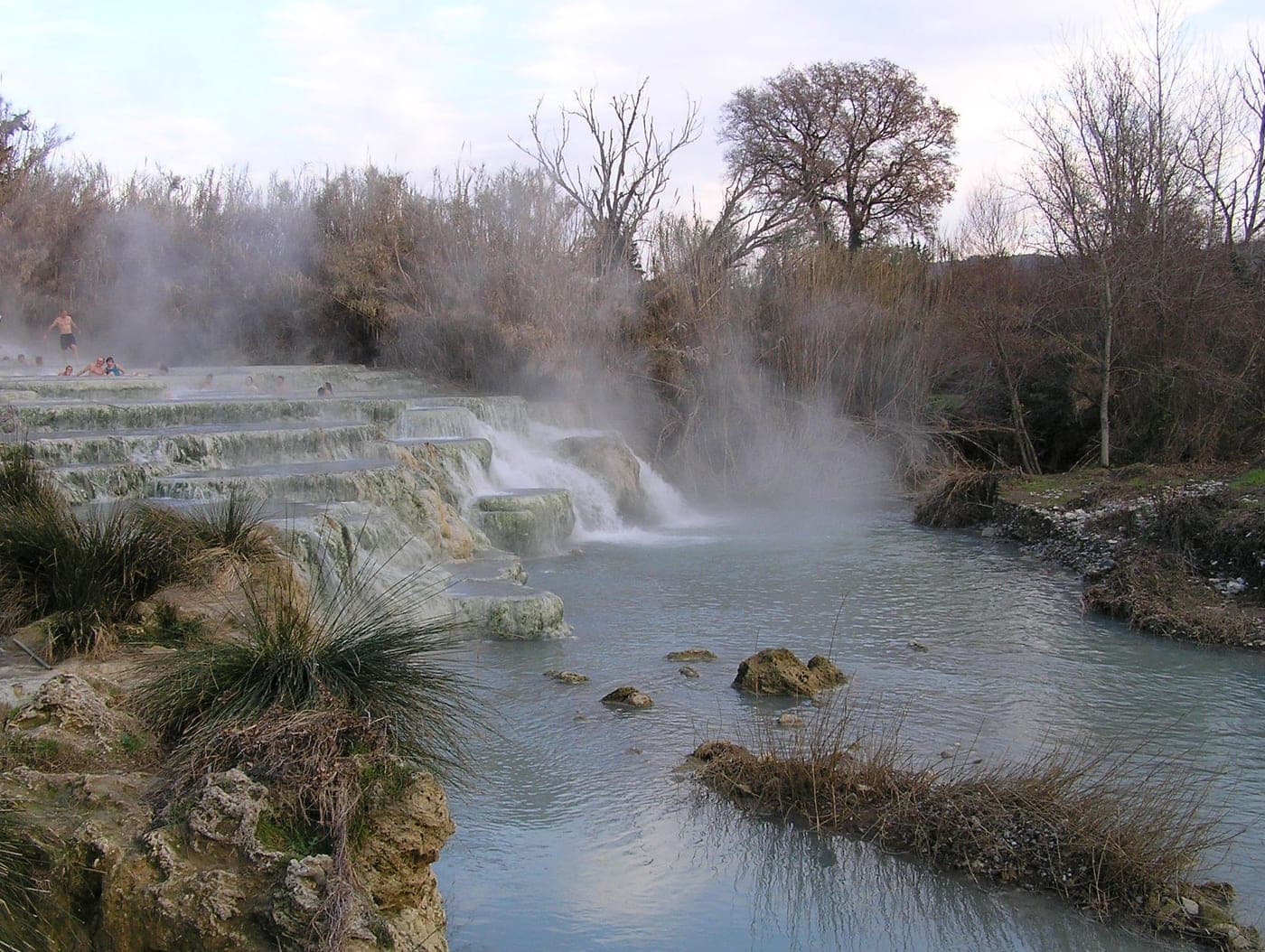
Tuscany
Tuscany, known for its rolling hills and rich history, is the second-largest region in Italy. Florence, its capital, is renowned for Renaissance art and architecture, but also worth exploring are smaller towns like Pienza, famous for pecorino cheese, and San Gimignano, known for its medieval towers. The region boasts diverse landscapes from the Chianti vineyards to the coastal Maremma. Tuscany is also celebrated for its local festivals, such as the Palio di Siena, and its traditional cuisine that emphasizes fresh, local ingredients. This area offers a glimpse into Italy's agrarian past with its rustic farms and olive groves, making it a unique place to slow down and connect with the local culture.
Wine TastingThermal SpasHikingAgritourism





