Vincisgrassi
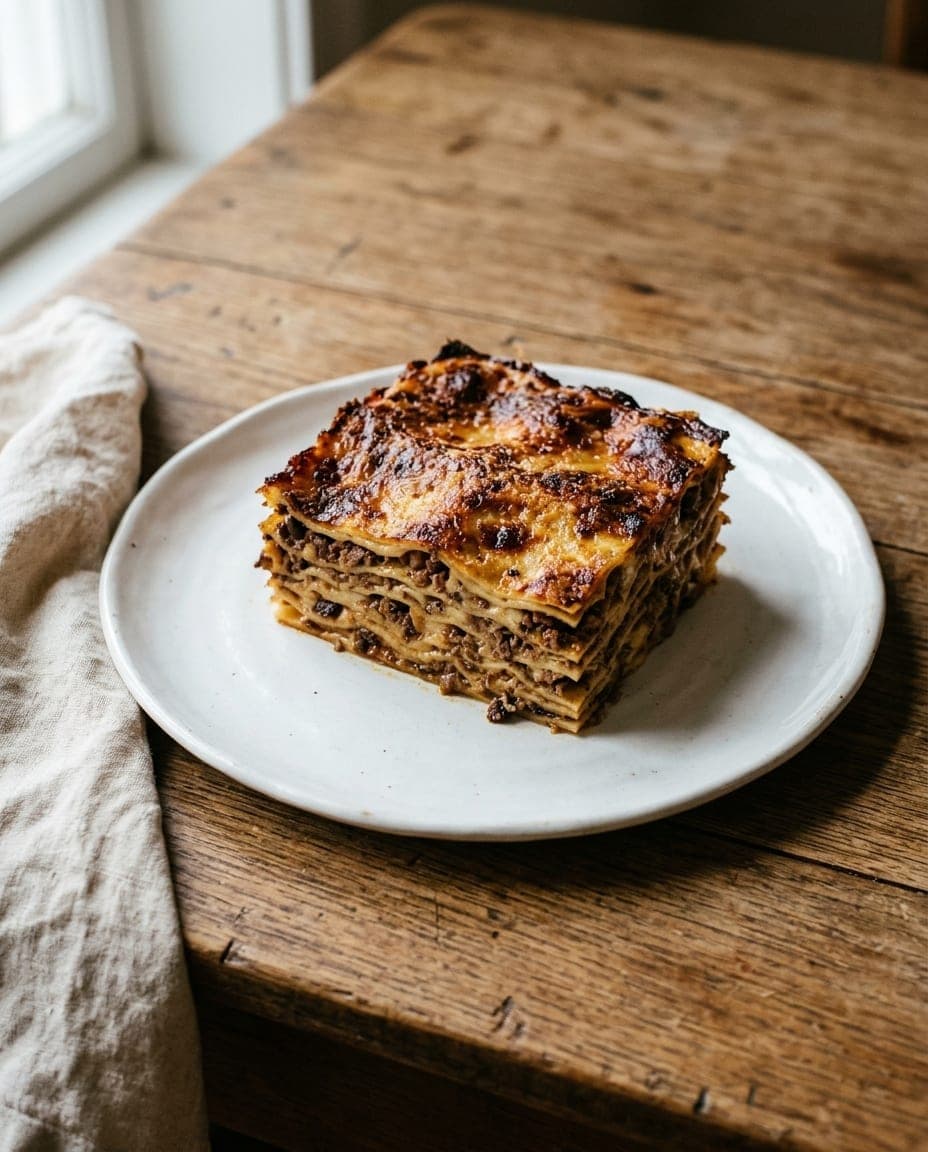
Marche's rich baked lasagne of egg pasta, meat-and-giblet ragù and béchamel
- Local name
- Vincisgrassi
- Best eaten at
- A Marche Sunday family lunch
- Pairs with
- Rosso Conero
What it is
Vincisgrassi is a substantial baked pasta dish from the Marche region, most closely associated with Macerata and its province. It resembles lasagne but carries a heavier, more complex character that sets it apart from the standard Italian staple. The dish consists of layers of egg pasta, often enriched with a splash of Marsala or vino cotto, alternating with a dense ragù of mixed meats and chicken giblets, all bound together with béchamel sauce. In its most elaborate forms, truffle is added to the sauce or between the layers.
The construction differs from the lasagne found in Bologna. The pasta sheets are blanched only briefly in salted water before assembly, so that they finish cooking in the oven, absorbing the moisture of the ragù and béchamel. The result is a texture that is tender yet substantial. It is a dish designed for a leisurely meal, typically served as the centrepiece of a Sunday family lunch or a festive gathering rather than a quick starter.
The name and the story
The origin of the name vincisgrassi is a subject of local debate. The popular explanation is that it is a corruption of the surname Windisch-Graetz, after the Austrian general Alfred von Windisch-Graetz, who fought Napoleonic troops at the siege of Ancona in 1799. Legend says a lady of Ancona prepared the dish in his honour.
However, the timeline does not quite support this tale as fact. Antonio Nebbia's cookbook Il cuoco maceratese, published in 1779, already contains a recipe for a richer lasagne called princisgras, two decades before the general's arrival. This suggests that the name existed before the Windisch-Graetz connection was made, and the attribution may be folk etymology created to give the dish a more aristocratic pedigree. Regardless of whether the Austrian general ever tasted it, the name has stuck firmly to the region's culinary identity.
In 2022 the European Union registered vincisgrassi alla maceratese as a Traditional Speciality Guaranteed (TSG), fixing the essentials of the recipe.
The ingredients that define it
What distinguishes vincisgrassi from other regional pastas is the nature of its ragù. Rather than relying on mince alone, it combines several meats: poultry such as chicken, duck or goose, often with rabbit, alongside veal or beef and pork, usually knife-cut or coarsely ground. Chicken giblets, livers and gizzards, are added for depth and a rich, slightly mineral flavour. Older recipes also used lamb sweetbreads and brains, ingredients that have largely disappeared from the modern version.
The pasta sheets are not plain flour and water. They are made with eggs and may be enriched with a small amount of Marsala or vino cotto, which imparts a subtle sweetness and depth to the dough. Béchamel sauce acts as the structural glue, coating each layer generously to keep the dish moist during baking. Some cooks add truffle in season, turning the rustic ragù into a more luxurious offering.
How it is eaten
Vincisgrassi is a dish that demands patience and a relaxed table setting. It is baked in a deep, wide dish, allowing generous portions that can be shared among a group. Once removed from the oven, it is usually left to rest for a while so that the layers set and the flavours meld. Cutting into it too soon risks the layers collapsing.
The serving style is typically communal. A large square is lifted from the dish onto a plate, often as the main pasta course of a long lunch. The texture should be firm enough to hold its shape on the fork but soft enough to yield easily. It pairs naturally with a glass of Rosso Conero, a red wine from the Adriatic coast near Ancona, whose tannins cut through the richness of the ragù.
Curious facts
- The pasta is barely cooked when it goes in. The sheets are blanched for moments only, finishing their cooking in the oven.
- A name that might be wrong. The princisgras recipe appears in a 1779 cookbook, suggesting the Windisch-Graetz origin story is a later legend rather than historical fact.
- Giblets are essential. Chicken livers and gizzards distinguish the ragù from the beef-based fillings of lasagne elsewhere in Italy.
- A protected recipe. As a TSG, vincisgrassi alla maceratese follows a registered recipe, though it may be made anywhere.
- It needs to rest. The dish is traditionally left to settle after baking so that it cuts cleanly.
Where to try it
The most authentic versions of vincisgrassi are found in the towns of the Marche, particularly in Macerata and its province. Kitchens there often prepare the dish in large batches for Sunday lunches, where the rhythm of the meal is slow and the portions are generous.
The dish is available year-round, though autumn brings an extra dimension when truffles appear on local tables. The region is also known for its wine, making it easy to pair the meal with a local Rosso Conero or Verdicchio.
Where to try it
1 destination
1 region
 Agritourism4 destinations
Marche
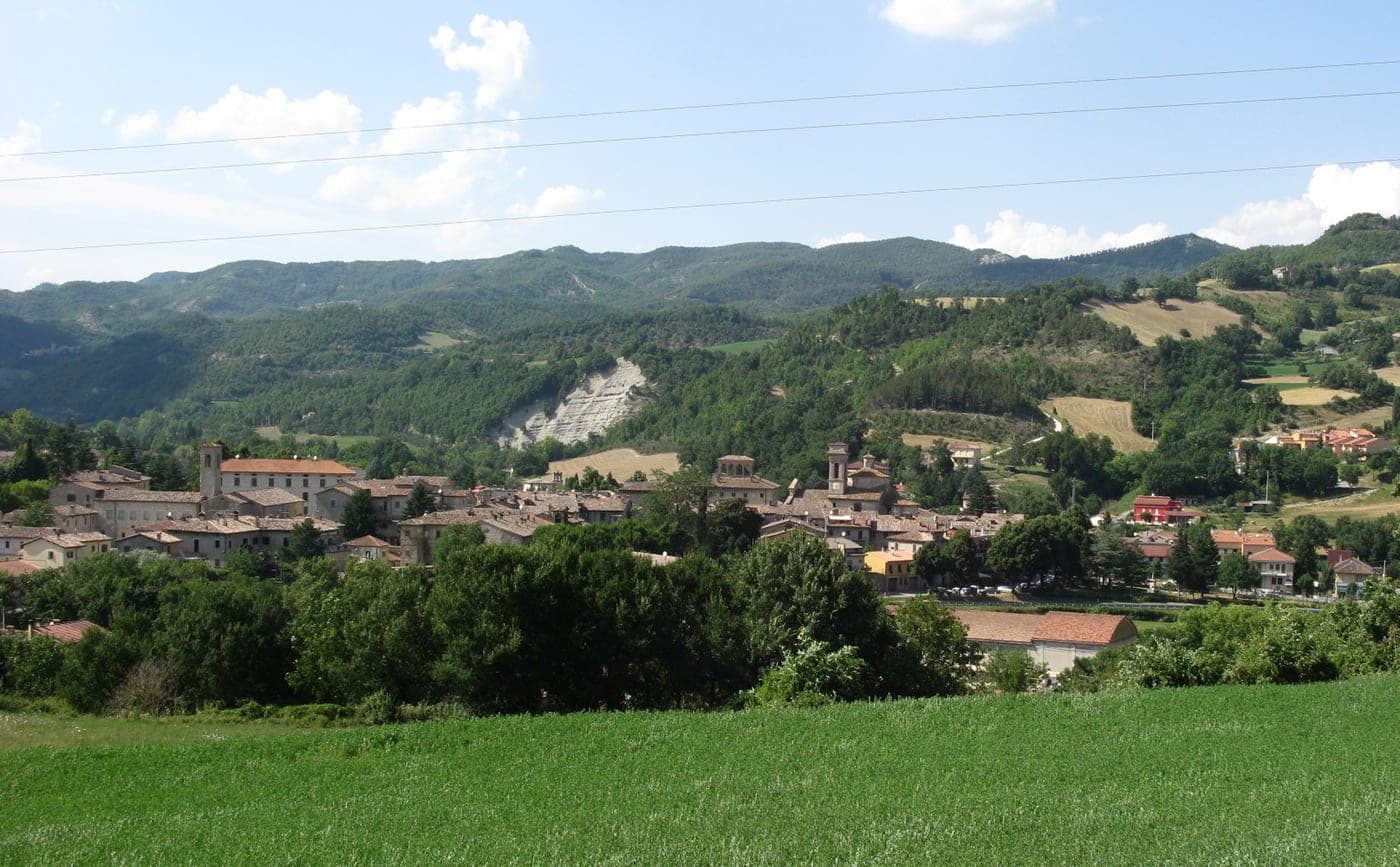
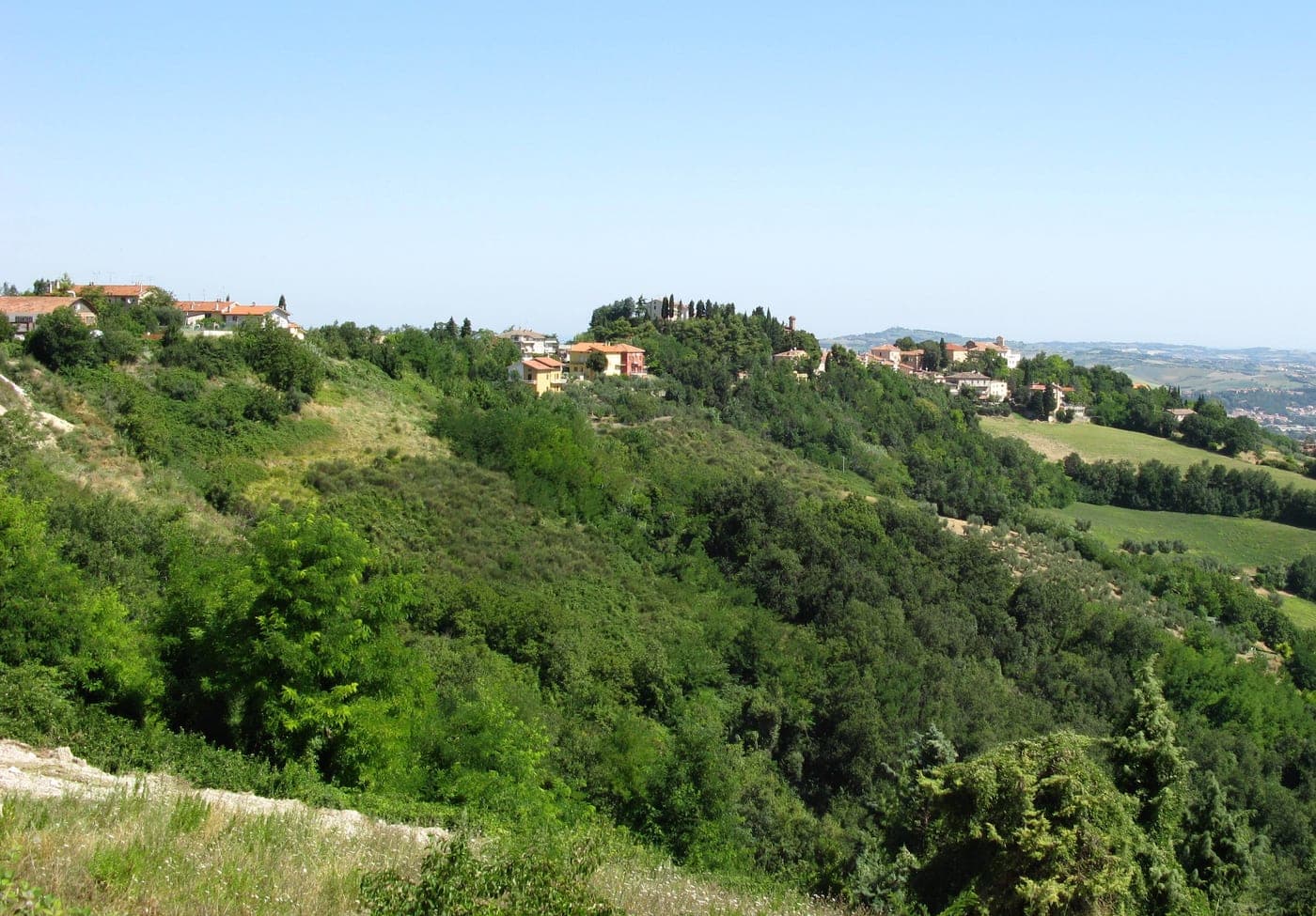
Nestled along the Adriatic Sea, this region boasts a mix of mountains and coastline, making it the only Italian region with a significant maritime presence. As Italy's fourth smallest region, it features historical towns like Urbino, known for its Renaissance heritage and UNESCO status, and Ascoli Piceno, famous for its travertine architecture. The landscape is dotted with rolling hills, vineyards, and olive groves, producing notable wines such as Verdicchio and Rosso Piceno. Culture thrives here through local festivals celebrating traditional crafts and cuisine, particularly the renowned olive all'ascolana. Rich in history, the region invites exploration beyond the typical tourist paths, showcasing authentic village life and regional gastronomy.
AgritourismWine TastingBoat RentalsHiking





