Vermouth di Torino
Turin's aromatised wine, served cold with orange at aperitivo time
- Alcoholic
- Local name
- Vermouth di Torino
- Served
- On ice with orange peel
- Best eaten at
- A Turin café aperitivo
- Pairs with
- Grissini and olives
What it is
Vermouth di Torino is the aromatised wine that defined the city of Turin and its tradition of the aperitivo. It is not merely a drink but a protected category of wine, produced in the Piedmont region, which has been fortified, flavoured with botanicals and usually sweetened. The most essential ingredient, as the name implies, is wormwood (Artemisia), though the exact blend of herbs varies by producer.
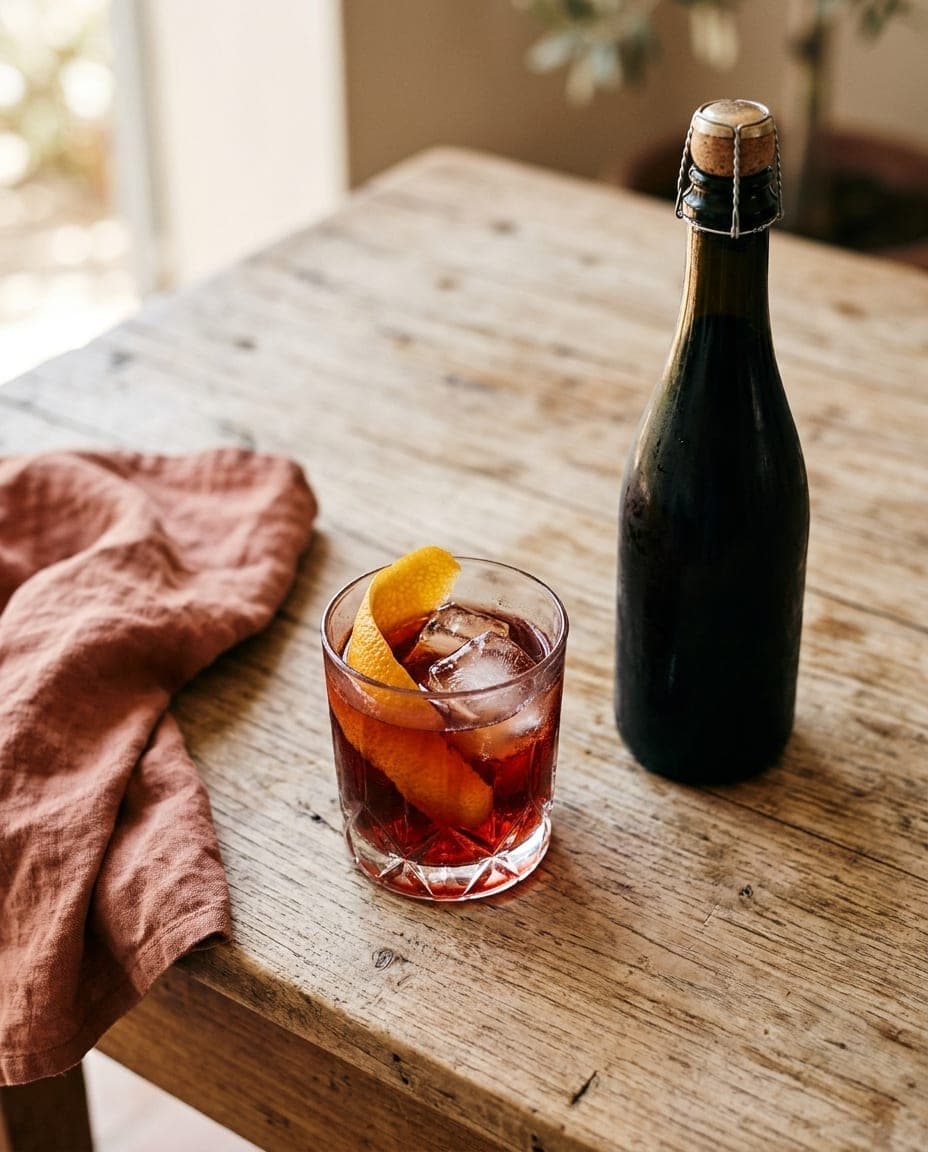
The liquid comes in several styles: rosso, a deep amber-red version coloured with caramel; bianco, a pale, golden version; ambrato and rosato; and dry and extra dry, which are barely sweetened and often used in cocktails. In Turin, however, the classic form is the rosso. It is served chilled, often over ice, and garnished with a slice or twist of orange. This simple presentation masks a history of trade and industrial ambition that turned a city speciality into a global phenomenon.
The story of 1786
The modern era of vermouth is traditionally dated to 1786, when Antonio Benedetto Carpano began selling his version in Turin. Carpano did not invent the idea of infusing wine with herbs; such practices are far older, and vermouth already appears in a 1778 list from the cellars of the Duke of Chiablese. What he did was combine a sweet muscat wine with a blend of herbs and spices, including wormwood, into a formula that became the model for the category.
His shop stood opposite the Royal Palace, in the heart of the city. The drink found favour with Turin society, and in the 19th century the city became the capital of vermouth production, with many houses following Carpano's lead.
How Piedmont made it an industry
Turin did not just popularise vermouth; it built an entire industry around it. Piedmont offered wine, aromatic herbs from the foothills of the Alps and a merchant class eager to trade. Producers in Turin and its surrounding towns, Martini & Rossi and Cinzano among the best known alongside Carpano, scaled up production in the 19th century. When the Turin–Genoa railway opened in 1854, several houses moved close to the tracks, and by the end of the century vermouth from Turin was sold around the world.
The process itself remained simple in outline. Wine was infused with a mixture of herbs and spices, fortified with alcohol and sweetened with sugar or grape must, while caramel gave the rosso its colour. Recipes were guarded secrets, but the general method was widely known, and Turin's reputation for quality persists today.
What goes into it
The definition of Vermouth di Torino is set out in its production rules. It must be made and bottled in Piedmont, from Italian wine, and flavoured with botanicals including wormwood grown or harvested in Piedmont. The Superiore category asks for more: herbs grown or gathered in Piedmont, at least half of the wine from Piedmont and at least 17 per cent alcohol.
- Italian wine: The base, usually white, provides the structure.
- Wormwood (Artemisia): Mandatory, Piedmont-grown, and responsible for the name and the bitter edge.
- Aromatic botanicals: A complex blend of herbs, spices, roots and flowers. Common additions include angelica root, cinnamon, cloves, citrus peel and coriander. The exact combination remains a trade secret for each producer.
- Sweetener: Sugar or grape must, in amounts that vary by style.
- Caramel: Used to give the rosso its deep, consistent colour.
The result sits between a wine and a spirit: stronger than table wine, yet built on wine rather than distilled alcohol. The bianco omits the caramel, resulting in a pale gold liquid with a softer sweetness, while the dry styles leave a crisp, herbal profile that pairs well with gin.
How to drink it
In Turin, vermouth is not an afterthought but the start of the evening. The ritual is the aperitivo, a social tradition where the city slows down before dinner. The standard way to serve Vermouth di Torino is cold, neat or over ice, with a slice or twist of orange whose aroma lifts the herbal bitterness and the sweetness of the wine.
Vermouth is also a classic cocktail ingredient, but the traditional local way is to sip it on its own, standing at a bar or sitting on a terrace.
The aperitivo comes with small plates of food. The most traditional pairing is grissini, the long, thin breadsticks of Turin, crisp and salty against the sweet vermouth. Olives, often marinated with herbs, are also served alongside, and some cafés add small portions of cheese or cured meats.
Curious facts
- The name comes from German. The word "vermouth" derives from the German Wermut, meaning wormwood.
- It is a protected geographical indication. Vermouth di Torino was listed as a geographical designation in European rules in 1991; Italy approved a detailed production specification in 2017, and the name was entered in the EU register of aromatised wine products in 2020.
- The orange is the classic garnish. In Turin, a slice or twist of orange is the usual partner to a glass of rosso.
- Grown in Piedmont. The wormwood that defines the drink must come from Piedmont, where aromatic herbs are still cultivated for the industry.
- A producers' consortium. Since 2019 a Consorzio has been charged with protecting the name.
Where to try it
The natural place to experience Vermouth di Torino is Turin itself. The city's historic cafés and bars serve it at aperitivo time, from the arcaded squares of the centre to the bars of the Quadrilatero Romano.
On a summer evening, a cold glass of rosso with orange on a terrace is the most traditional way to drink it: neat, cold and aromatic. The experience is less about the alcohol than about the ritual of slowing down before dinner.
Where to try it
1 destination
 Camper Van Rentals
Turin
Architectural gem with historic cafes, elegant squares, and rich chocolate tradition.
Camper Van RentalsThermal Spas
1 region
 Agritourism31 destinations
Piedmont
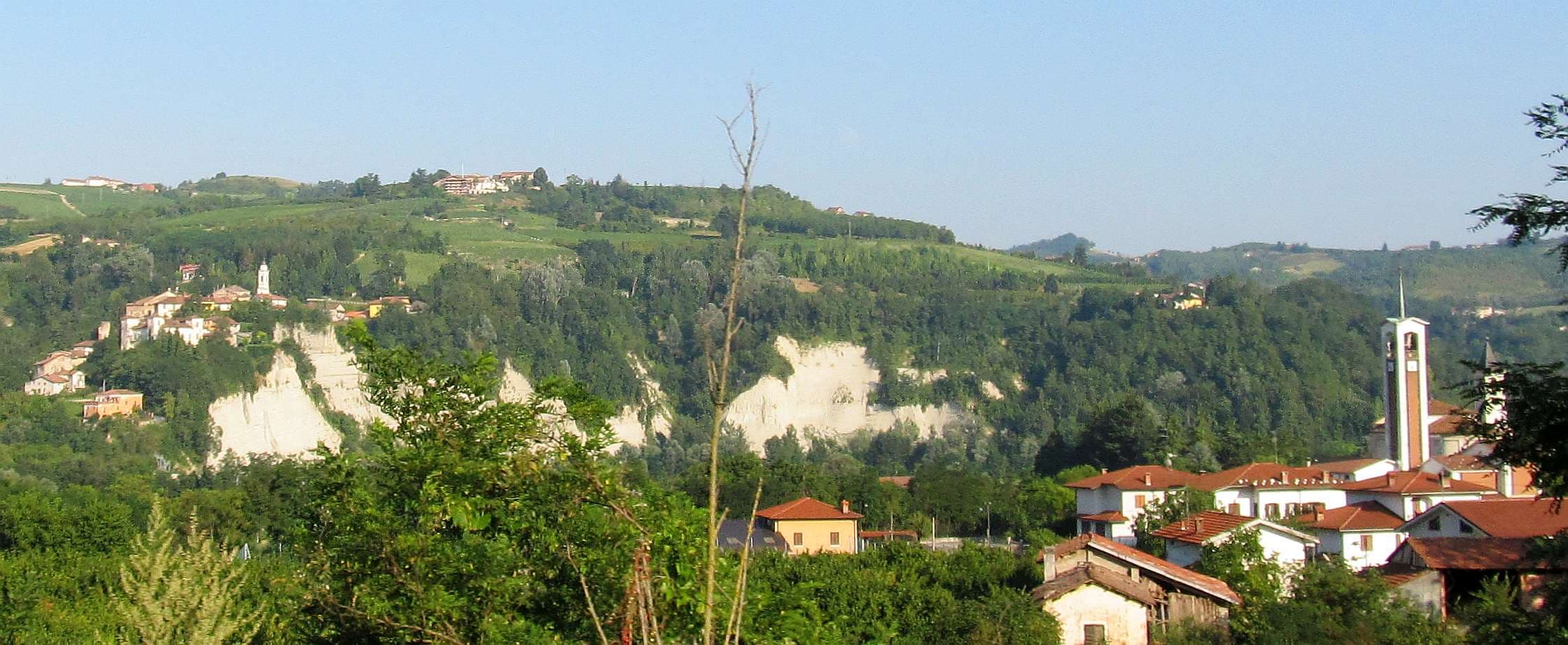
Piedmont is the second-largest region in Italy, bordered by the Alps to the north and characterized by its rich culinary and viticultural heritage. The region is famous for Barolo and Barbaresco wines, produced in the rolling hills of Langhe, a UNESCO World Heritage site. Turin, the capital, is known for its elegant architecture and historical cafes, while smaller towns like Alba and Asti offer vibrant local markets and truffle festivals. The region also boasts stunning landscapes, from the serene lakes of Orta and Maggiore to the majestic mountains. Its historical significance includes being the birthplace of the Italian unification. Authentic experiences can be found in local agriturismos and family-run osterias, away from typical tourist paths.
AgritourismWine TastingCastlesHiking





