Torta di nocciole
A dense cake of toasted Langhe hazelnuts, often served with zabaione
- Vegetarian
- Local name
- Torta di nocciole
- Served with
- Zabaione
- Best eaten at
- A Langhe pasticceria
- Pairs with
- Moscato d'Asti
What it is
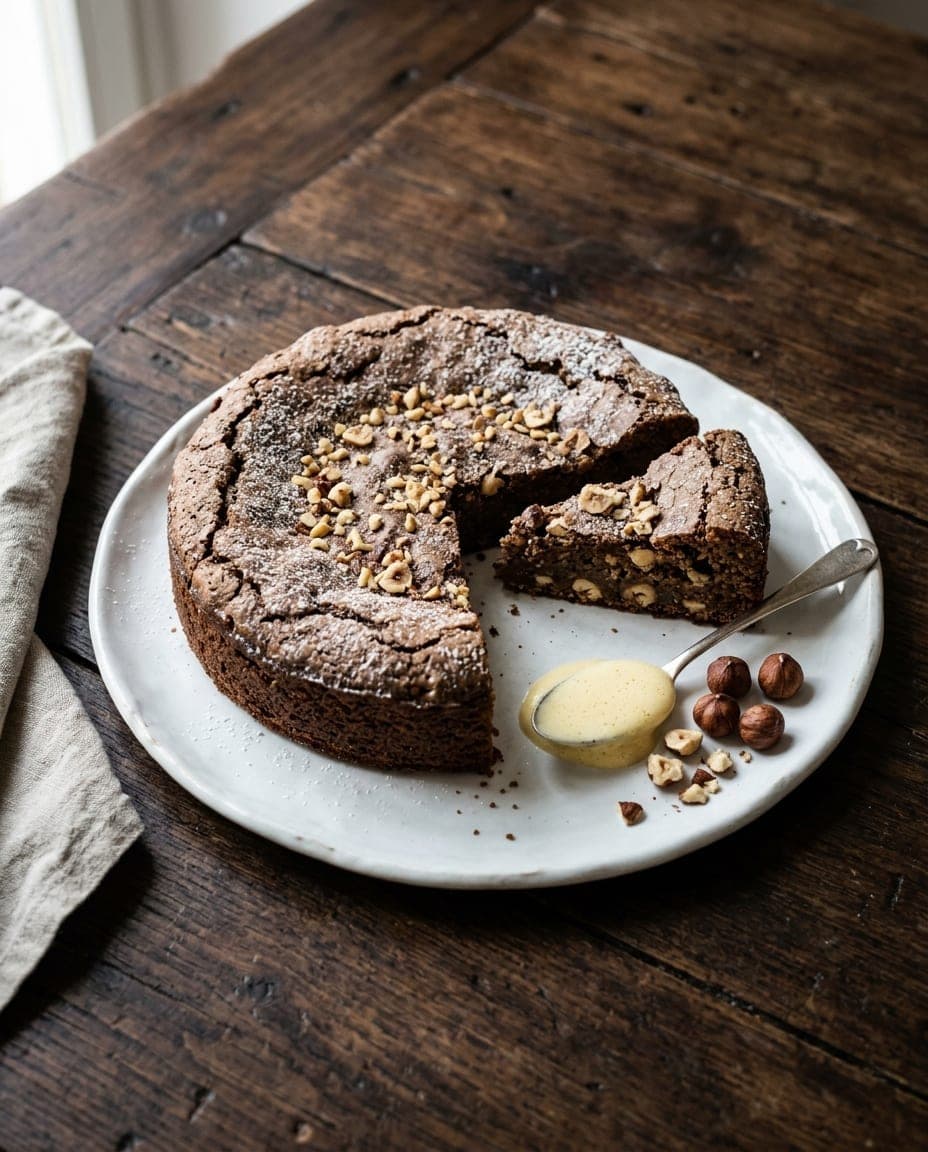
Torta di nocciole is a simple yet substantial sweet cake from the Langhe hills in Piedmont. It is not a light sponge or a delicate tart, but rather a dense, moist cake that relies on the flavour of toasted hazelnuts for its character. The batter combines chopped or ground nuts with sugar, eggs, butter and a modest amount of flour; some modern recipes leave the flour out altogether.
The cake is usually baked in a round tin so that it remains fairly low and compact, and the result feels substantial on the plate rather than an airy confection. It is a dish of the countryside, born from the abundance of hazelnut orchards in the Langhe, where the prized Tonda Gentile nuts grow on the hills above and around the vineyards.
The language of the Langhe orchards
The soul of this cake lies in the hazelnut itself. The Tonda Gentile Trilobata, often called Tonda Gentile delle Langhe, is the variety behind the Nocciola Piemonte PGI (registered by the EU in 1996), which covers designated areas of Piedmont including the Langhe, the Roero and the Monferrato. These nuts are round and easy to shell, but their true value is their taste: deep, aromatic and slightly sweet.
In the Langhe, vines and hazelnut trees share the same hills, with hazelnut orchards especially widespread on the higher slopes of the Alta Langa. When a torta di nocciole is made with nuts from these groves, the cake carries the character of this shared landscape in every bite.
To make the cake, the nuts are first roasted to deepen their flavour. They are then ground into a fine meal or chopped coarsely, depending on the desired texture of the final product. The nuts are mixed with sugar, eggs and butter, often with a little lemon zest, and the mixture is poured into the baking tin and cooked until the surface turns golden brown. There is no need for complex techniques; the success of the dish depends on the quality of the nuts and the care taken not to overbake them.
How it is eaten
The cake is traditionally served at the end of a meal, as a dessert that demands attention but does not overwhelm the palate. It is often presented whole or in thick slices, revealing its dense interior. A popular way to serve it is with zabaione, a warm cream of egg yolks, sugar and a sweet wine such as Marsala.
The warmth of the zabaione contrasts with the firm texture of the cake. When spooned over the torta, the creamy sauce seeps into the porous surface, softening it slightly and adding a layer of richness that balances the nuttiness. The sweetness of the wine complements the earthy notes of the hazelnut without masking them. Simpler versions are served cold, on their own or with a little honey.
A glass of Moscato d'Asti or a passito wine is a natural companion to this combination. The slight effervescence of the Moscato cuts through the density of the cake and the richness of the egg cream, cleansing the palate between bites. A passito, made from dried grapes, offers a concentrated sweetness that mirrors the intensity of the nuts. It is a dessert made for slowing down, often enjoyed after a long lunch in a village or as a late afternoon treat with coffee.
The character of the pastry
Unlike many cakes that are best eaten immediately after baking, torta di nocciole has a patience built into its structure. It keeps well for several days, and many local bakers insist that it improves over time. As the cake rests, the flavours of the nuts and the sugar meld together, and the texture becomes even more cohesive.
A good version is nutty and not very sweet. The sugar is present to bind the ingredients, but it does not dominate the taste. If the cake tastes cloying or bland, it usually means the hazelnuts were of poor quality or too much flour diluted the nut content. The finest examples are dry enough to crumble slightly but moist enough to hold together without falling apart.
The simplicity of the recipe means there is little room for error, yet it allows for subtle variations. Some bakers add a hint of vanilla or lemon zest, while others stick strictly to the nuts, sugar and eggs. The best ones are those where the hazelnut flavour is so pure that it stands on its own.
Curious facts
- Nut first, flour second. Recipes vary, but in the best versions the hazelnuts outweigh or rival the flour, and some modern recipes use no flour at all.
- The nut and the vine. In the Langhe, hazelnut orchards and vineyards share the same hills, and hazelnuts are especially widespread in the higher Alta Langa.
- An autumn favourite. Although available year-round, the cake is particularly popular after the hazelnut harvest, when the new crop arrives.
Where to try it
The best place to taste torta di nocciole is in a Langhe pasticceria, the traditional pastry shop that serves as the heart of the village food scene. In the hazelnut country of the Alta Langa, around towns such as Cortemilia, these shops are often family-run businesses where the cakes are made with nuts sourced from local growers. They are displayed behind glass counters alongside other regional sweets, waiting to be sliced.
A good pasticceria will often have a stack of fresh cakes ready to order, sometimes still warm from the oven.
The experience is simple: a small table, perhaps near a window looking out onto the hills, a slice of cake and a glass of wine to slow the afternoon. It is a taste of the Langhe that feels as grounded and honest as the landscape itself.
Where to try it
2 destinations
 Wine Tasting
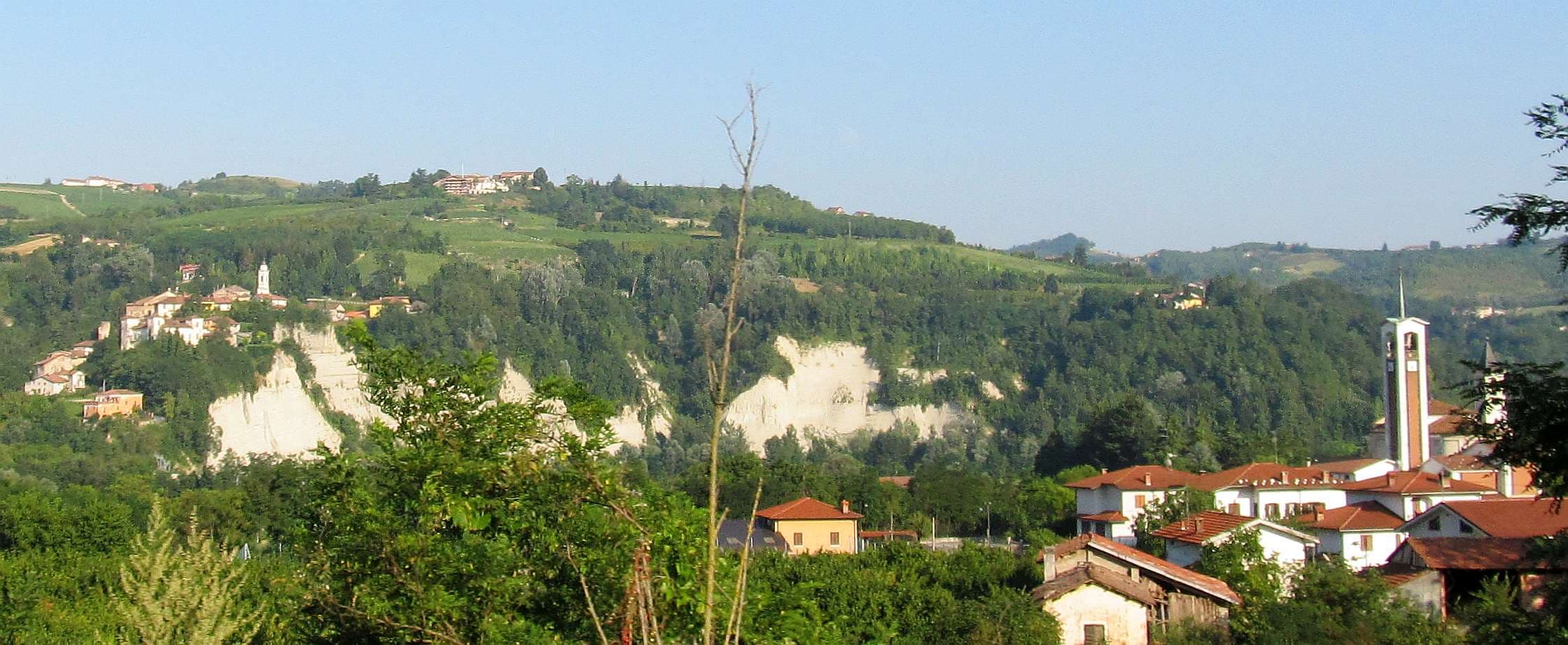
Sinio
Small Barolo village with organic wineries and traditional viticulture.
Wine Tasting
1 region
- Agritourism31 destinations
Piedmont
Piedmont is the second-largest region in Italy, bordered by the Alps to the north and characterized by its rich culinary and viticultural heritage. The region is famous for Barolo and Barbaresco wines, produced in the rolling hills of Langhe, a UNESCO World Heritage site. Turin, the capital, is known for its elegant architecture and historical cafes, while smaller towns like Alba and Asti offer vibrant local markets and truffle festivals. The region also boasts stunning landscapes, from the serene lakes of Orta and Maggiore to the majestic mountains. Its historical significance includes being the birthplace of the Italian unification. Authentic experiences can be found in local agriturismos and family-run osterias, away from typical tourist paths.
AgritourismWine TastingCastlesHiking





