Supplì
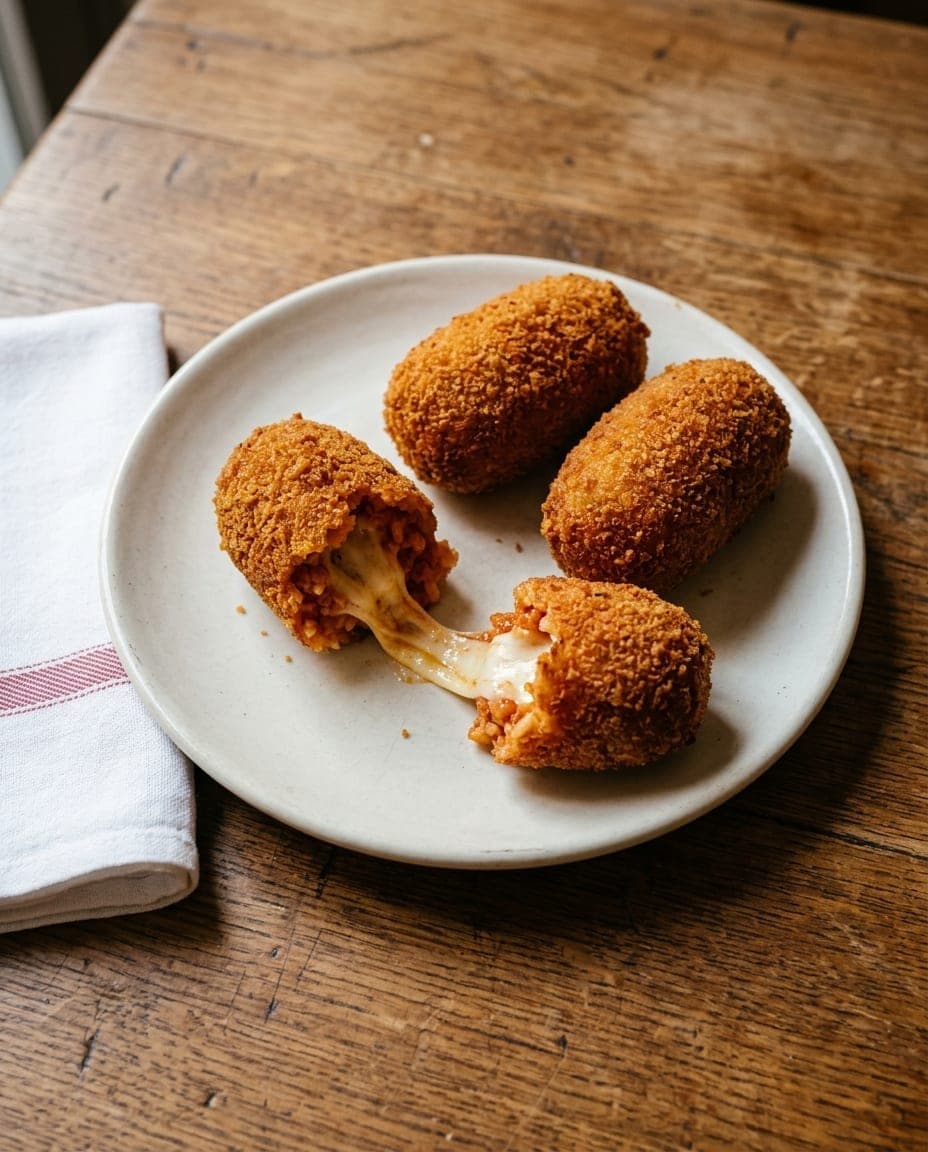
Supplì al telefono: Roman fried rice croquettes with a molten mozzarella heart
- Local name
- Supplì
- Best eaten at
- A Roman pizzeria or friggitoria
- Pairs with
- Cold beer or Frascati
What it is
Supplì, often called supplì al telefono, are the best-known street snack of Rome. They are oval or cylindrical croquettes made from rice cooked in a meat and tomato sauce, moulded around a piece of mozzarella, then dipped in egg, breaded and deep-fried until crisp. The result is a golden, crunchy shell that gives way to soft, savoury rice and a centre of hot, stretching cheese.
Supplì belong to the world of Roman street food and pizzeria counters. They were traditionally sold at the friggitoria, the shop where fried foods are sold, and eaten standing up or on the move. In Roman pizzerias they appear on the menu as an appetiser, and locals often order them to eat while waiting for the pizza.
The defining feature of a good supplì is its interior. When one is broken in half, the mozzarella inside does not simply melt; it stretches between the two halves in long strings that recall the cord of an old telephone handset. This is why the full name is supplì al telefono. A long, unbroken string of cheese is the sign of a well-made supplì.
How the name arrived in Rome
The word supplì is an Italianisation of the French surprise, a reference to the hidden filling that surprises the eater; French cooks used the term en surprise for croquettes with a concealed centre. A popular explanation holds that the idea arrived with Napoleon's troops, who occupied Rome in the early 19th century, and the name is documented in Rome from the 1800s.
The dish itself is not unique to Italy in concept. Fried rice balls exist in many cultures, but the Roman version is distinct from the Sicilian arancini. Arancini are usually round or conical, often tinted yellow with saffron, and generally larger. Supplì are smaller, oval or cylindrical, and their rice is usually tinted red by the tomato sauce in which it was cooked. A molten mozzarella heart is the Roman signature, whereas arancini are best known for fillings of meat ragù and peas or ham and cheese.
Where they come from
Supplì are a regional speciality of Lazio, and more specifically, a product of Rome. While fried rice dishes appear in other parts of Italy, the supplì is bound up with the capital's working-class food culture and its friggitorie. Like many fried snacks, it is also a thrifty way to use up cooked rice and sauce.
The tradition is strongest in the neighbourhoods where pizzerias and friggitorie have long served the city's residents. Older versions were filled with chicken giblets, minced meat or provatura, a fresh cheese from Lazio; today the rice is usually cooked with stock and a tomato-based meat sauce, and the cheese inside is typically mozzarella, which turns molten in the hot oil.
What goes into it
The ingredients are simple, but the execution requires care. There is no single official recipe, and kitchens have their own variations, yet the core components remain consistent across Rome.
- Rice, often a risotto variety such as Arborio or Carnaroli, cooked in stock until soft but still holding its shape.
- Meat and tomato sauce, often a ragù of minced beef with onion, carrot, celery and tomato, which gives the rice its red colour and savoury flavour.
- Mozzarella, cut into cubes or small logs to sit in the centre of the rice.
- Egg and breadcrumbs for the outer coating.
- Oil for deep-frying.
The traditional version is not vegetarian, as the meat sauce is essential to its character; a meatless supplì in bianco, made without tomato sauce, also exists. The rice should remain distinct and creamy rather than mushy.
How it is eaten
Supplì are designed for immediate consumption. They arrive hot from the fryer, often wrapped in paper at a friggitoria counter or placed on a small plate in a pizzeria.
In a pizzeria setting, they are often ordered as a starter alongside a glass of wine or beer. They pair well with cold beer or a light white wine from the nearby Castelli Romani hills, such as Frascati. The contrast between the hot, crunchy exterior and the molten centre is the main appeal.
Although they are a classic snack on the go, they are just as common at sit-down meals, where they arrive with other fried starters before the pizza and set the tone for the meal.
Curious facts
- The telephone test. A good supplì al telefono should stretch into strings when broken, like a telephone cord.
- Not Sicilian. While arancini are famous globally, they are from Sicily and differ in shape, colour, and filling from the Roman supplì.
- A French word. The name comes from the French surprise, a nod to the hidden cheese in the middle.
- Street food origins. Supplì were originally sold in Rome's friggitorie as an affordable snack for workers and locals.
- No recipe book. There is no single standard recipe; pizzerias and friggitorie in Rome each have their own version.
Where to try it
The best place to eat a supplì is a traditional Roman pizzeria or a dedicated friggitoria. These are small neighbourhood establishments rather than grand restaurants.
In Rome, the dish appears on the menu of almost every pizzeria in the city, and some friggitorie specialise in fried foods, including supplì and other snacks. Supplì are at their best ordered a few at a time, hot from the fryer, and eaten standing at the counter or walking through the neighbourhood, ideally with a cold beer or a glass of Frascati.
Where to try it
1 destination
 Camper Van Rentals
Rome
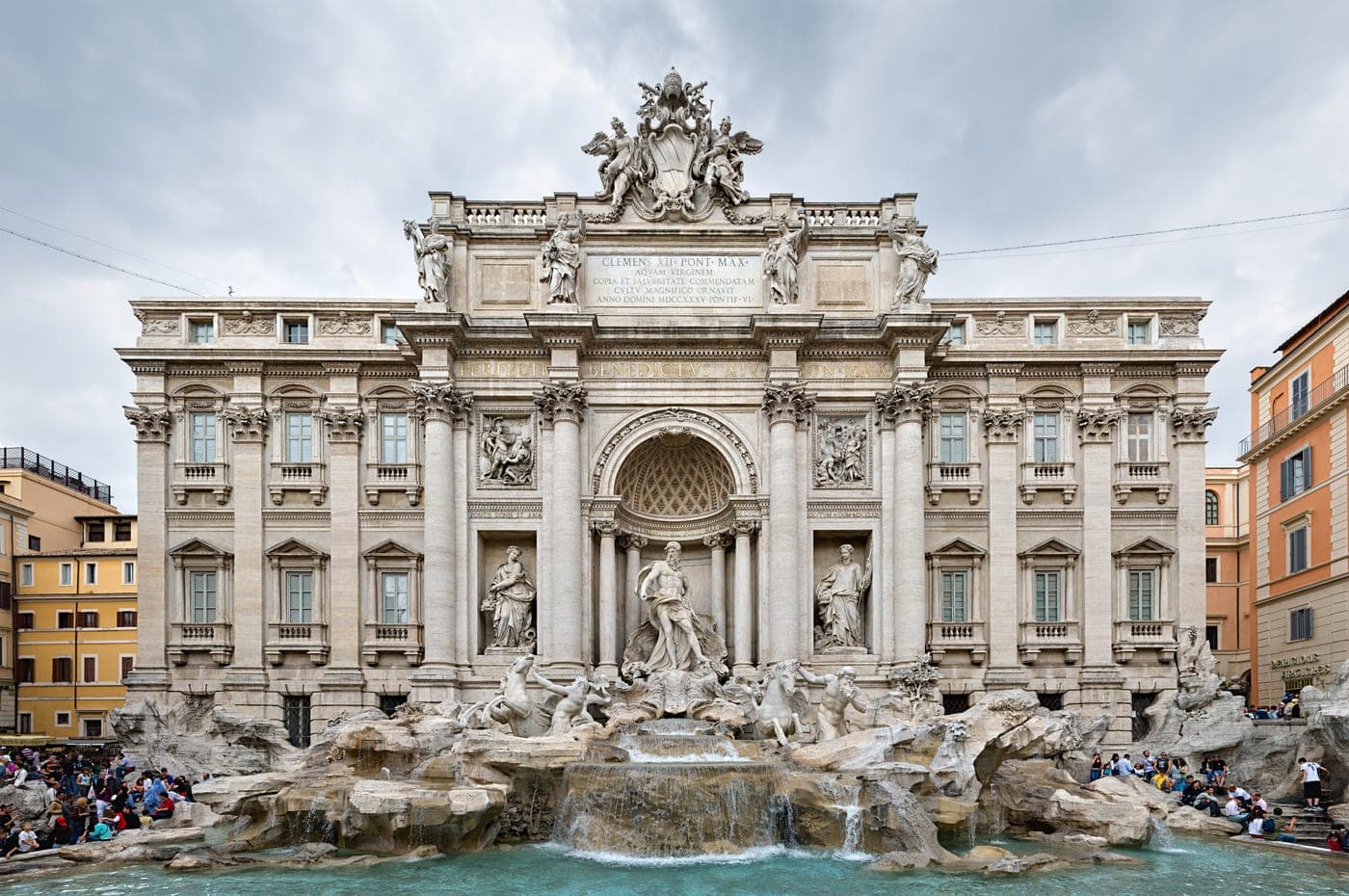
Historic capital featuring ancient ruins, Renaissance art, and vibrant piazzas.
Camper Van RentalsHiking





