Stracciatella gelato
The white gelato with torn chocolate shards from Bergamo
- Vegetarian
- Local name
- Stracciatella
- Best eaten at
- A Bergamo gelateria
What it is
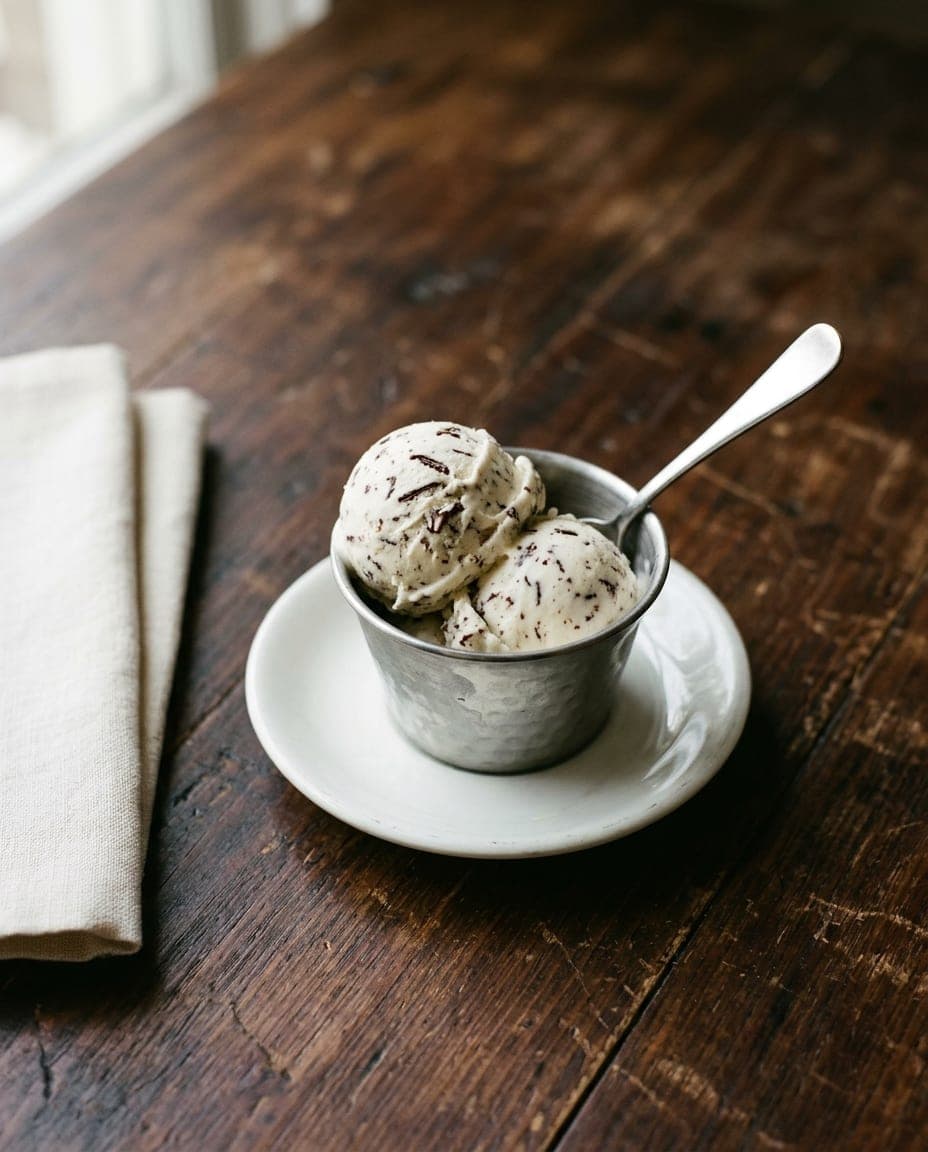
Stracciatella is a flavour of Italian gelato that has become one of the classics of every Italian gelateria. It consists of a plain, sweet milk base into which thin shards of chocolate are scattered. The name refers to the appearance of the chocolate: rather than neat chips or chunks, the pieces look as if they have been torn by hand and then frozen into the white mixture.
The gelato shares its name with the Roman egg-drop soup known as stracciatella in brodo, and the link is deliberate, as the soup inspired it. It is a speciality of Lombardy, specifically tied to the city of Bergamo. While versions of this gelato are found across Italy and the rest of Europe, the original comes from Bergamo.
The origin in Bergamo
Unlike many classic Italian foods whose histories are lost to folklore, the story of stracciatella gelato comes with a date and a named inventor. In 1961, Enrico Panattoni, a Tuscan who had moved to Bergamo after the Second World War and ran a bar in the upper town, the Città Alta, created the flavour.
The bar's restaurant regularly served stracciatella in brodo, a broth into which beaten egg is poured so that it sets in thin, irregular strands. Panattoni wanted a gelato with a similar look. Pouring melted chocolate into the running machine simply spread it through the cream, so instead he stopped the machine, poured the chocolate onto the fior di latte base and restarted it. The cold base set the chocolate almost instantly, and the paddle broke it into small, irregular shards.
Panattoni named the new creation stracciatella after the soup; both names come from the verb stracciare, which means to tear or shred. Others may have added chocolate to fior di latte before, but not in this form or under this name.
How the shards are made
The defining feature of stracciatella is the shape of the chocolate pieces. They are not uniform, nor are they melted into the cream. Instead, they appear as tiny, brittle flakes distributed through the white gelato. This effect is achieved because the chocolate is added in a liquid state to a very cold base.
When the warm chocolate touches the cold milk base, it hardens almost immediately, and the churning action breaks this hardened layer into small, jagged pieces. Chocolate chips stirred into a finished batch give a different result: the chips remain solid and distinct, without the fine, scattered texture of true stracciatella.
The shards are thin enough to melt quickly on the tongue but thick enough to provide a satisfying crunch. They are usually made from dark chocolate, which provides a sharp contrast to the sweetness of the milk base.
What goes into it
A proper stracciatella gelato requires only two main elements, though the quality of each determines the result.
- Fior di latte: The plain, sweet milk base, made from fresh milk, cream and sugar. It should be rich but not heavy, providing a soft canvas for the chocolate. Some modern versions use a vanilla base instead.
- Chocolate: Melted chocolate, most often dark, poured into the gelato at the end of churning. The shards are irregular in size, ranging from fine flakes to small, jagged pieces.
The result is a creamy, white gelato speckled with brown shards, with the chocolate distributed throughout the cream to create a mottled appearance. The texture is smooth and cold, interrupted only by the snap of the chocolate.
How it is eaten
Stracciatella is served in a cone or a cup, straight from the counter of the gelateria, when the texture is at its peak and the chocolate shards are still crisp.
Because the taste is simple, milk and chocolate, it pairs well with other flavours in a mixed serving. A common combination is stracciatella alongside a fruit flavour, such as strawberry or lemon, contrasting the sweet milk with the sharp fruit. Many purists, however, prefer it on its own.
If the gelato feels icy, or the chocolate is soft and smeared into the cream, the technique was likely not followed correctly.
Where Bergamo made it famous
While stracciatella is now a standard flavour in almost every Italian city, its heart remains in Bergamo. In 2017 local gelato makers launched a shared mark, "La Stracciatella, il gelato di Bergamo", which sets out the ingredients and method, including the step of adding liquid chocolate that sets into flakes.
The city itself is known for its historic upper town and its gelaterie. Stracciatella is often seen as a simple test of a gelateria's skill: a well-made version has distinct, crisp shards and a clean, creamy base.
Curious facts
- A documented invention. Unlike many Italian classics whose origins are debated, stracciatella has a clear inventor and date: Enrico Panattoni in Bergamo in 1961.
- Named after a soup. The word stracciatella also refers to a Roman egg-drop soup where beaten eggs form torn strands in the broth. The soup, served at Panattoni's bar, inspired the gelato and its name.
- A benchmark for quality. Stracciatella is often used as a test of a gelateria's skill; a poor one has melted chocolate or a gritty texture.
- The shards are irregular. The chocolate pieces are never uniform chips. They are jagged, thin flakes created by the churning machine breaking the chocolate as it sets on the cold base.
Where to try it
To eat stracciatella in its most authentic form, the place to go is a traditional gelateria in Bergamo, in either the lower town or the historic Città Alta. A single scoop of stracciatella is enough to taste the difference between the milk and the chocolate: the cold cream, the crisp shards and the clean finish.
Where to try it
1 destination
 Camper Van Rentals
Bergamo
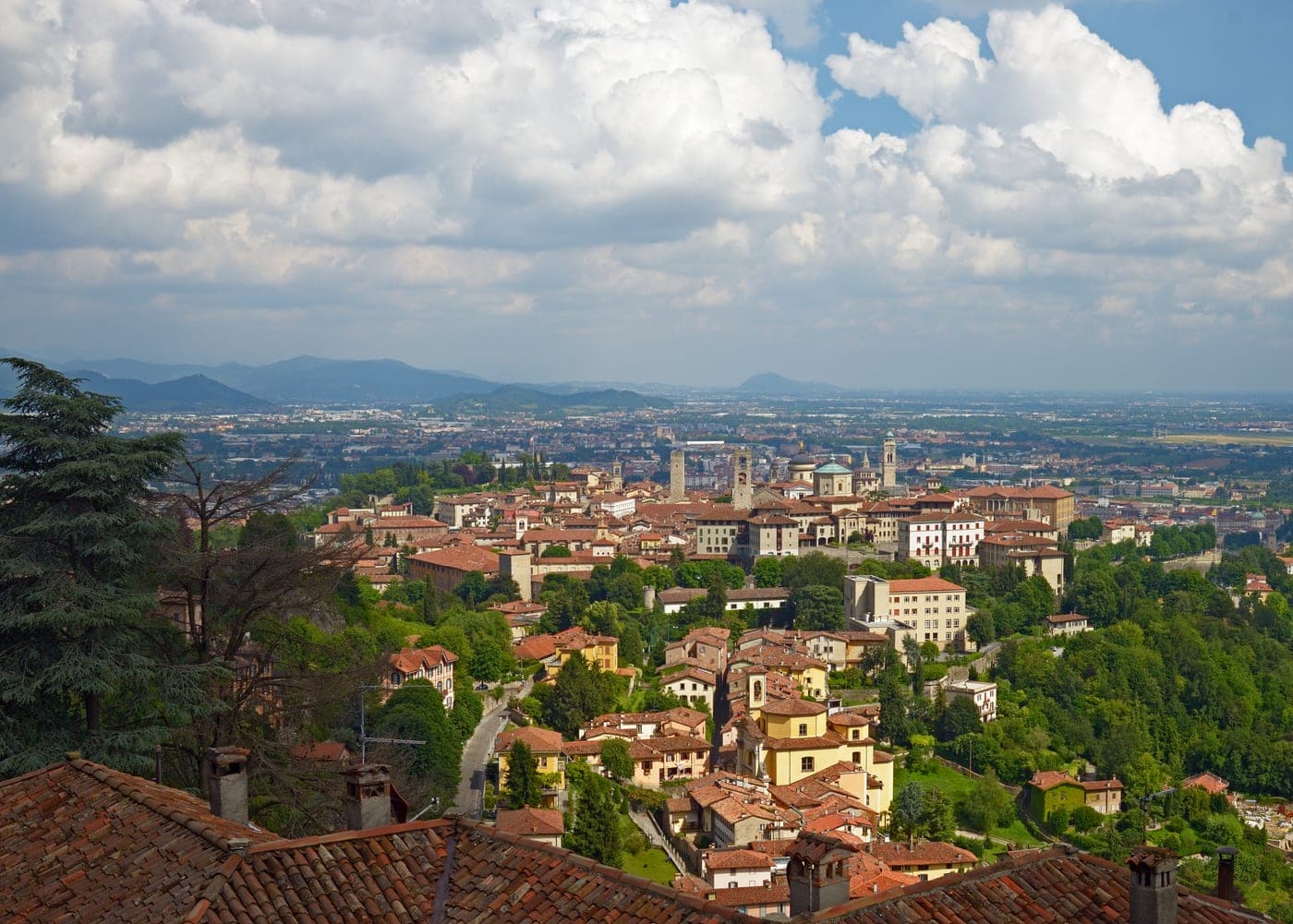
Historic hilltop city with Venetian walls, Renaissance art, and local cuisine.
Camper Van RentalsHikingLocal Cuisine





