Stoccafisso all'anconetana
Stockfish slow-cooked with potatoes, tomatoes and Verdicchio in Ancona
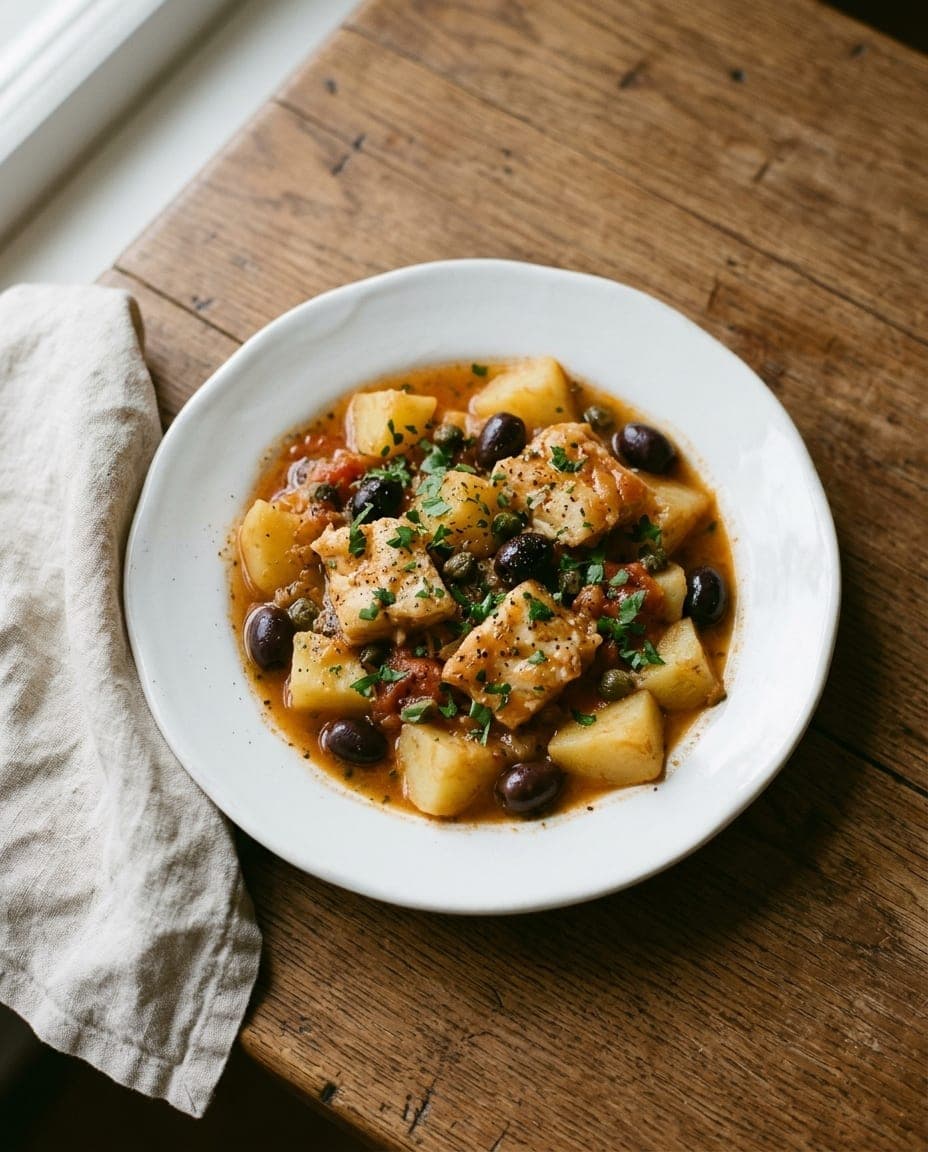
- Local name
- Stoccafisso all'anconetana (stocco all'anconitana)
- Best eaten at
- An Ancona trattoria
- Pairs with
- Verdicchio
What it is
Stoccafisso all'anconetana, also spelt all'anconitana and known locally simply as stocco, is a substantial dish from the Marche region, tied to the port city of Ancona on the Adriatic coast. It transforms stockfish, unsalted air-dried cod imported mainly from Norway, into a soft, aromatic meal where the fish is cooked slowly in a deep pot alongside potatoes, tomatoes and vegetables.
The dish relies on patience rather than speed. The stockfish is rehydrated over several days before it reaches the kitchen, and once it is in the pot it cooks gently without being stirred. This method keeps the fish in large, flaky pieces that remain distinct as they absorb the flavours of the surrounding ingredients. The potatoes play a central role; they soften into the dish, absorbing the olive oil and cooking juices to create a thick, cohesive base rather than a loose sauce.
It is not a starter for a quick lunch but a main course designed to sustain. The result is a rustic, deeply savoury dish that reflects the maritime history of Ancona and its trade links with northern Europe.
The history of the dried cod trade
The presence of this dish in Ancona is a result of the city's role as an Adriatic trading port. Like Venice, Ancona imported dried fish from the cold waters of northern Europe, where the air is dry and cold enough to preserve the catch without salt. Local tradition dates the arrival of stockfish in Ancona to the 17th century and credits a Dutch shipowner, Balthasar Van Der Goes, with importing it directly and turning a ship's provision into everyday food. While salted cod is called baccalà across most of Italy, the Marche keeps the distinction, reserving the term stoccafisso for the unsalted variety that requires long rehydration.
The recipe as it is known today, with potatoes and tomatoes, took shape later, as cooks combined the imported fish with local produce and wine. Over time it became a staple of the local cuisine, celebrated for turning simple ingredients into a hearty meal suitable for long winter days or festive gatherings.
How it is made
The preparation begins with the rehydration of the stockfish, which is soaked in water for several days until it becomes soft enough to handle. Once ready, the fish is cut into pieces and layered in a high-sided pot with potatoes, tomatoes, onion, celery, carrot and parsley. The mixture is seasoned generously with olive oil, Verdicchio wine, rosemary and anchovies, and many cooks also add capers and black olives.
The key to the dish is the lack of stirring. The ingredients are arranged carefully and left to cook slowly, covered, for around two hours; if the pot needs moving, it is shaken gently rather than stirred. Many cooks then leave the dish to rest for several hours before serving. The result is a texture where the fish remains in substantial pieces, and the potatoes absorb the deeply savoury broth created during the cooking process.
How it is eaten
Stoccafisso all'anconetana is traditionally served as a main course at lunch or dinner. It often comes to the table in the pot it was cooked in, with the vegetables and fish in layers that diners share. The potatoes are soft and creamy, absorbing the tomato and wine flavours, while the fish flakes easily with a fork.
Bread is essential for this dish, used to mop up the remaining juices and potato from the bottom of the plate. The traditional pairing is Verdicchio, the crisp white wine of the Marche, which balances the richness of the olive oil and fish. Ancona's own version is best enjoyed at a trattoria in the city, where the atmosphere matches the rustic nature of the meal.
Curious facts
- The fish is not salted. Unlike baccalà, stoccafisso is dried only by cold air, requiring days of soaking before cooking.
- No stirring allowed. The dish is cooked without mixing to keep the fish in large, distinct pieces rather than breaking it down into a paste.
- Potatoes as thickener. The potatoes absorb the oil and juices, creating a thick base that binds the vegetables and fish together.
- Anchovy depth. Anchovies are added to provide a savoury foundation that complements the mild flavour of the cod.
- An academy guards it. The Accademia dello Stoccafisso all'Anconitana, founded in 1997, keeps a codified recipe and promotes the dish beyond the Marche, including periodic initiatives in which local restaurants serve it.
Where to try it
The most authentic version of stoccafisso all'anconetana is found in a trattoria in Ancona itself, where the tradition remains strong. The dish is available year-round, though it feels particularly appropriate during the cooler months, when its hearty ingredients are most welcome.
Where to try it
1 destination
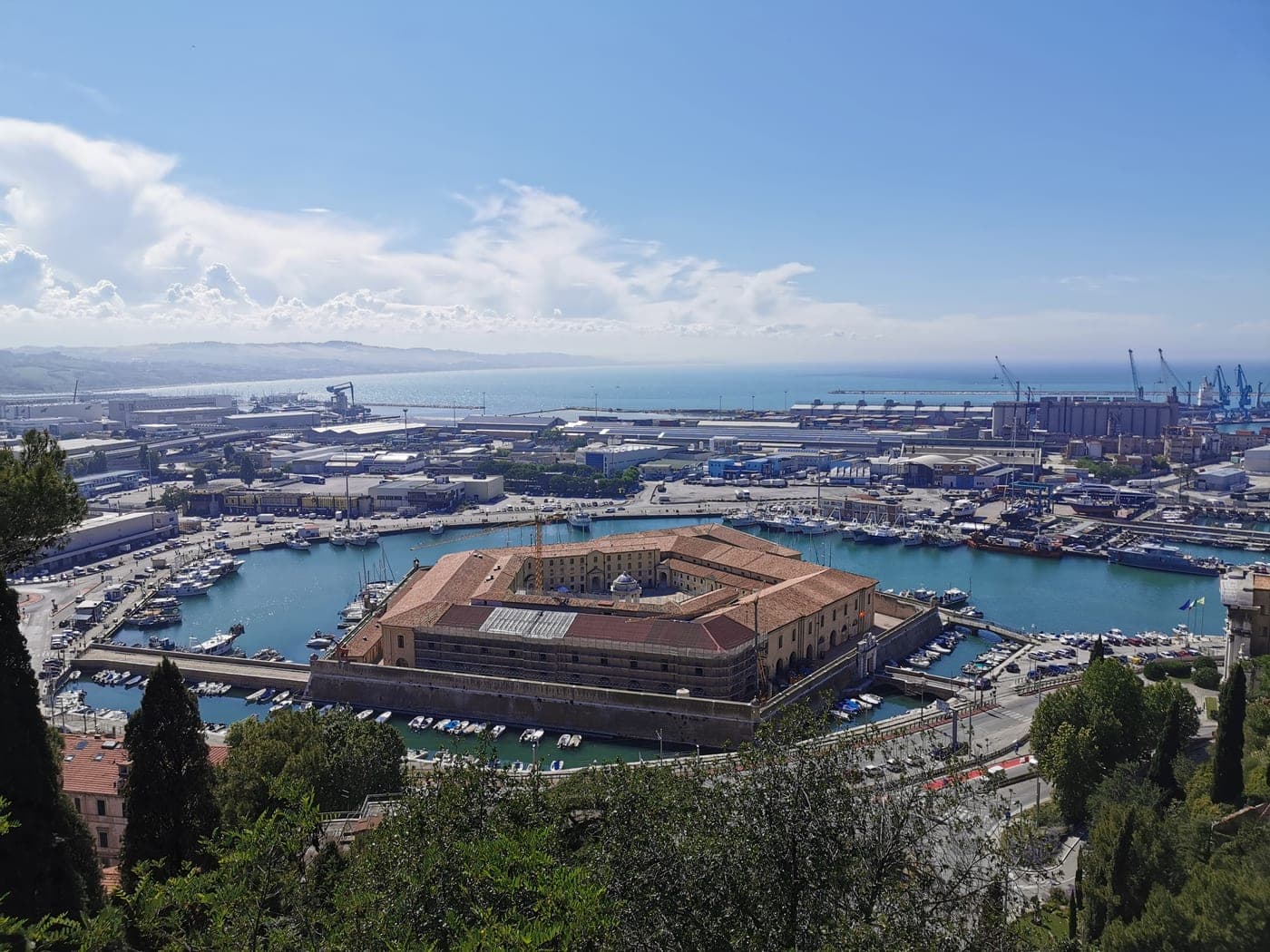 Wine Tasting
Ancona
Adriatic port city in Marche wine region with access to Verdicchio wineries.
Wine TastingBoat RentalsHiking





