Spritz
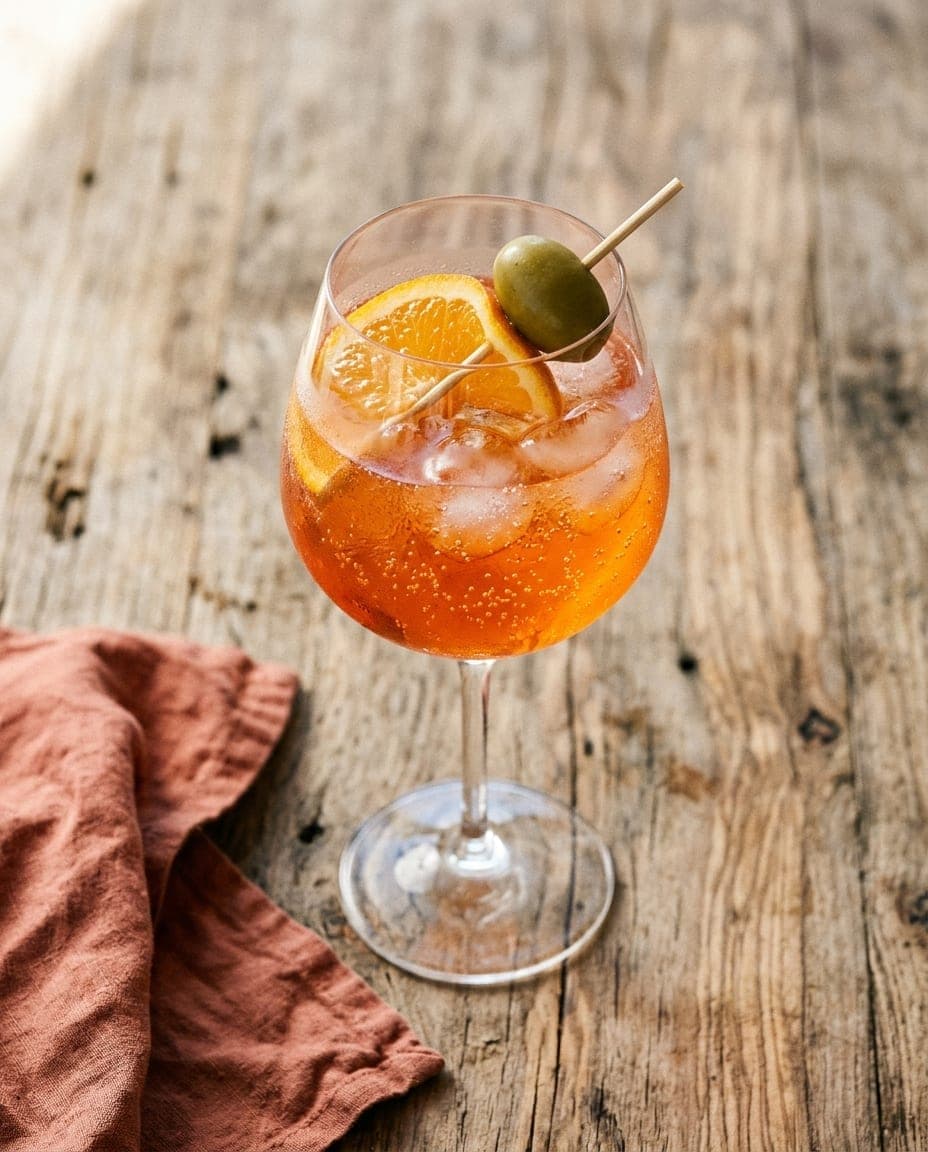
The Veneto spritz: Prosecco, bitter liqueur and soda over ice
- Alcoholic
- Local name
- Spritz
- Served
- On ice, with olive or orange
- Best eaten at
- A Venetian bacaro
- Pairs with
- Cicchetti
What it is
The spritz is the defining drink of the Veneto region, an aperitivo that marks the transition from the workday to the evening. It is a bright orange or red drink built on three simple ingredients: Prosecco, a bitter liqueur, and soda water, poured over plenty of ice in a wine glass or tumbler. It arrives with a garnish of either an olive or a slice of orange, depending on the bitter used and local custom.
There is nothing complicated about the mechanics of the drink, yet it carries the weight of long social habit. In Venice, Padua and Treviso, the spritz is not merely a beverage but a signal that the day's labour is over and the evening has begun. It is drunk at standing bars known as bacari, where locals gather to sip slowly while eating small bites called cicchetti. It is a light drink, designed to open the appetite before dinner.
The Austrian connection
The roots of the spritz lie in the 19th century, when the Veneto was ruled by the Habsburgs as part of the Austrian Empire (until 1866). Austrian soldiers and officials are said to have found the local wines too strong for their taste and asked for a splash of water to dilute them. The name comes from the German verb spritzen, meaning to spray or splash, and the word passed into Venetian usage.
The transformation from a simple wine-and-water mix to the drink known today happened gradually. Soda water replaced still water, and in the 1920s and 1930s bars in Venice and Padua began adding bitter aperitivo liqueurs, a period that saw the creation of Aperol in Padua in 1919 and Select in Venice in 1920. Prosecco only became the standard base around the 1970s, replacing the still white wine that had previously been used.
While the name is German, the ingredients are distinctly Italian. The bitter liqueur provides the counterpoint to the fruitiness of the sparkling wine, giving the spritz the complexity that justifies its status as an aperitivo.
The three ingredients
The structure of the spritz is rigid in principle but flexible in practice. The base is a dry sparkling white wine, nearly always Prosecco, produced in the Veneto and neighbouring Friuli Venezia Giulia. This provides the bubbles and the crisp acidity that define the drink's character. The second element is a bitter liqueur, which varies with the city and the bar.
In Venice, Select is a common choice, alongside Aperol and Campari, each giving the drink a different shade of orange or red and a different degree of bitterness. Some bars also offer a spritz made with Cynar, an artichoke-based bitter that gives a darker, more herbal drink. The choice of liqueur changes the profile of the drink, but the function remains the same: to provide a sharp, slightly bitter edge that stimulates the palate.
The third component is soda water, added to top up the glass and add effervescence. Proportions vary by house rule and personal taste; a common formula is three parts Prosecco, two parts bitter and one part soda. Ice is essential and plentiful, keeping the drink cold while it is sipped slowly.
How it is served
The spritz is never rushed, and is often sipped while standing at a narrow counter in a crowded bacaro. A generous amount of ice fills the glass, ensuring the drink remains chilled.
The garnish follows the liqueur. In Venice, a large green olive is the traditional partner of a Select spritz, adding a salty contrast to the bittersweet mix, while an orange slice is the usual garnish for an Aperol spritz.
Where to drink it
The spritz belongs in a bacaro, a small neighbourhood bar that serves wine and cicchetti. These are local institutions where people gather after work. In Venice they are tucked into the narrow calli (alleys) away from the main squares; in Padua and Treviso, the spritz hour fills the bars around the central squares and markets.
Customers stand at the bar or perch on a small stool. The cicchetti are laid out on the counter or served on small plates as they are ordered: fried polenta, marinated seafood, cheese or meatballs. They are meant to be eaten while drinking, not as a full meal.
The cicchetti connection
The spritz and cicchetti are inseparable. Cicchetti are often compared with Spanish tapas, but they are usually simpler: a single item on a toothpick, a small slice of bread with a topping, or a fried morsel.
A typical counter might offer fried squid, baccalà mantecato (creamed stockfish) on bread or polenta, or sarde in saor. The selection changes with the season and with what arrives at the Rialto market. The cost per piece is low, allowing drinkers to try several items over an evening.
The combination works because the bitterness of the spritz cuts the fat of the fried cicchetti, while the saltiness of the food balances the sweetness of the Prosecco.
Curious facts
- The name comes from German. The word spritz derives from the German verb spritzen, meaning to spray or splash, referring to the water added to wine in the Habsburg-ruled Veneto of the 19th century.
- Several bitters. Select, Aperol and Campari are the most common in Venice, giving distinctly coloured versions of the same drink; Cynar makes a darker, more herbal variant.
- Prosecco is a latecomer. The Prosecco-based spritz became standard only around the 1970s; before that, still white wine was the norm.
- An official recipe. The International Bartenders Association lists the spritz among its official cocktails, with Prosecco, Aperol and a splash of soda.
- A standing culture. The spritz is usually drunk standing at the bar or in the street outside, part of a larger ritual of socialising in the early evening.
Where to try it
1 region
 Wine Tasting20 destinations
Veneto
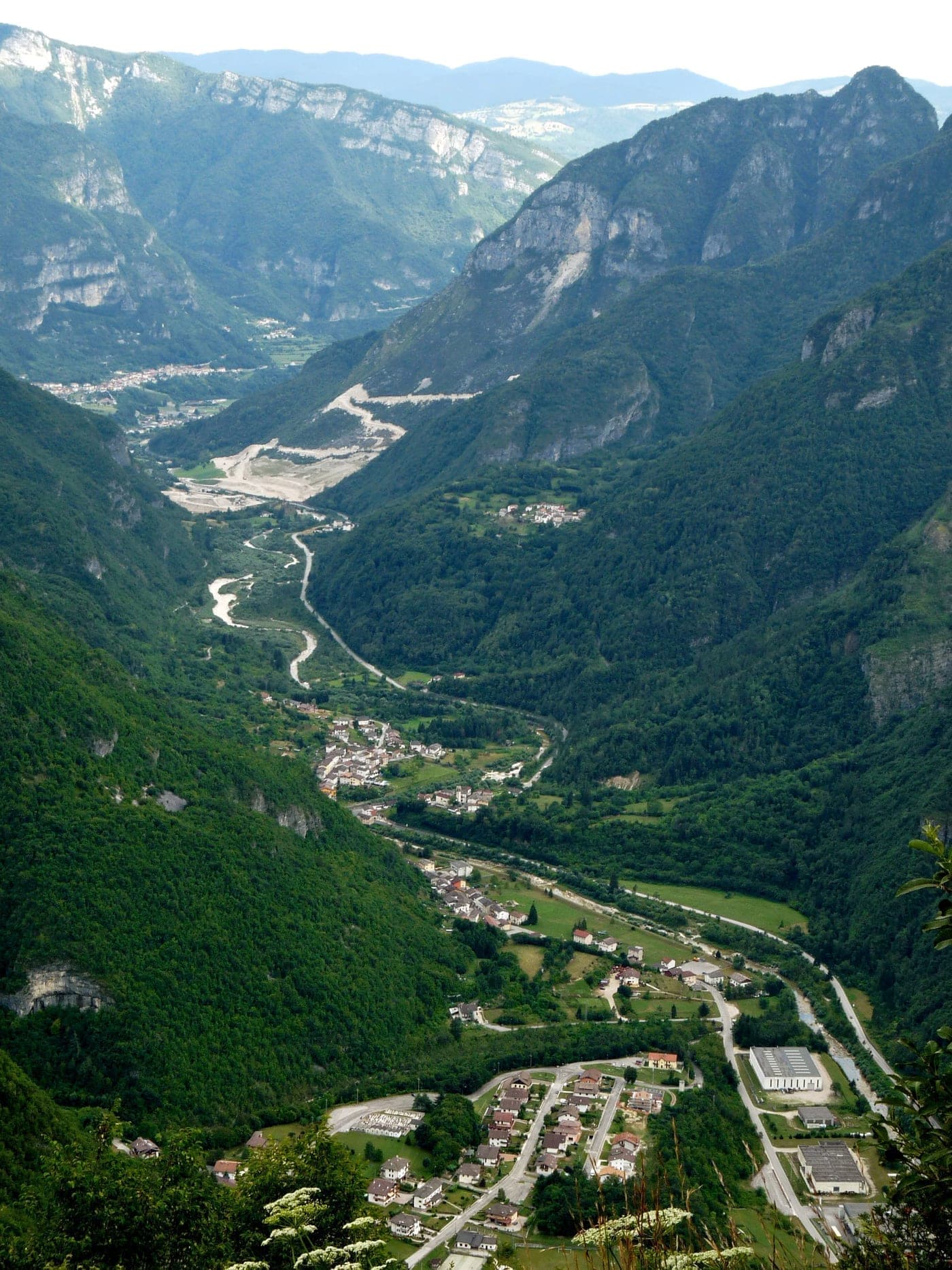
Veneto is a diverse region in northeastern Italy, home to Venice, the only city on the water. It is the eighth largest region in Italy and boasts a rich history shaped by its Roman and Venetian heritage. The countryside features rolling hills, vineyards, and olive groves, producing wines like Prosecco and Amarone. Beyond Venice, towns like Verona, known for its Roman amphitheater, and Vicenza, famous for Palladian architecture, provide cultural depth. The region also offers the picturesque Dolomites for hiking and outdoor activities. Lesser-known villages such as Asolo and Bassano del Grappa reveal local crafts and traditions, ideal for those seeking authentic experiences away from crowds.
Wine TastingHikingThermal Spas





