Sfogliatella
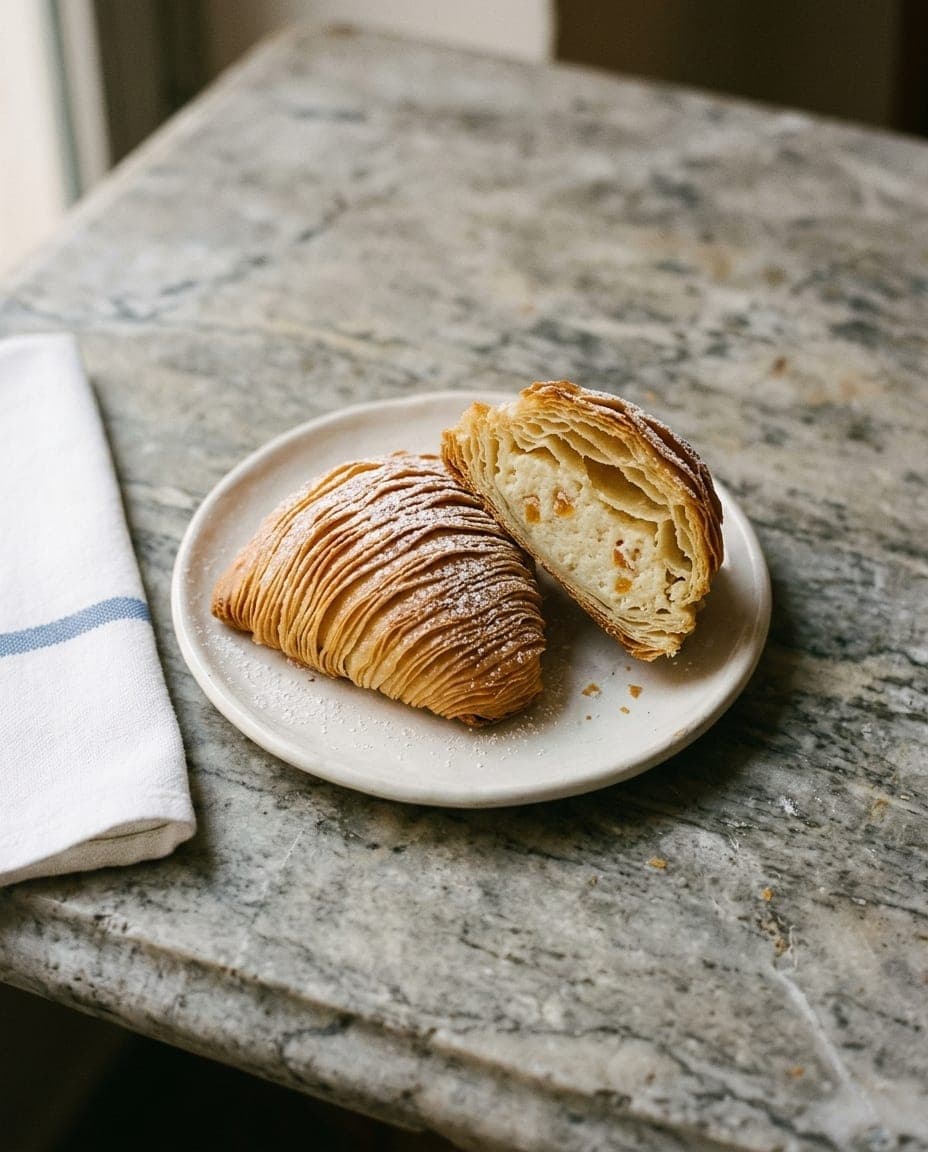
Neapolitan shell pastry of crisp leaves, ricotta filling and candied citrus
- Local name
- Sfogliatella
- Best eaten at
- A Neapolitan pasticceria at breakfast
- Pairs with
- Espresso
What it is
The sfogliatella is one of the most recognisable pastries of Naples and the wider Campania region. It is a sweet pastry defined by its shape and texture, resembling a small seashell or a fan that has been pulled apart. The name comes from sfoglia, meaning leaf or sheet, a direct reference to the many thin layers of dough that make up the crust.
There are two distinct forms of this pastry, each with a different method. The riccia, or curly shell, is the more famous of the pair. It features a complex, flaky exterior made from paper-thin sheets of dough rolled around a filling of ricotta, semolina, sugar, candied citrus peel and cinnamon. The other version, known as the frolla, uses a smooth shortcrust pastry, shaped into a rounded shell, that encases the same sweet filling. While both are delicious, the riccia is the one most travellers seek out for its dramatic texture and the effort required to create it.
The experience of eating a sfogliatella is immediate and sensory. The outer shell shatters at the slightest touch, giving way to a soft, creamy interior that is warm and spiced. It is a substantial treat rather than a dainty bite.
The legend of the convent
The origin of the sfogliatella is tied to the convent of Santa Rosa at Conca dei Marini on the Amalfi coast, where, according to tradition, a nun created the first version in the 17th century. The story goes that she used leftover semolina cooked in milk, mixed with ricotta, dried fruit and lemon liqueur, and wrapped it in pastry shaped like a monk's hood. This was the santarosa, still made today with a filling enriched with custard and topped with sour cherries.
In the 19th century, the recipe made its way from the coast to Naples. In 1818 Pasquale Pintauro, who ran an inn on Via Toledo, began selling the pastry and is credited with shaping the form known today: he dropped the custard and sour cherries and refined the shell into the layered sfogliatella that became the signature of Neapolitan baking.
The details of the convent story are passed down by tradition and are not fully documented in surviving texts. What is clear is that the sfogliatella became a staple of the city's pastry culture during the 19th century, evolving from a convent speciality into a beloved local institution.
How it is made
The riccia sfogliatella is a labour-intensive pastry that requires patience and skill. The process begins with a dough that must be stretched until it is translucent, almost like tissue paper. This sheet is then smeared with lard and rolled into a tight cylinder. Once the roll has rested, it is sliced into rounds, which are then pushed out from the centre to form the characteristic cone-shaped shell. The filling, made from semolina cooked in milk until thick, is mixed with ricotta, sugar, cinnamon and candied orange or lemon peel.
The frolla version follows a simpler path. A shortcrust dough is rolled out, filled and closed into a smooth, rounded shell. Both forms are baked until golden brown, though the riccia requires careful monitoring to ensure the delicate layers do not burn while the inside cooks through.
The result is a pastry that defies simple description. The shell of the riccia is crisp and flaky, shattering into tiny leaves when bitten. The filling is dense yet creamy, balancing the sweetness of the sugar with the tang of the ricotta and the spice of the cinnamon.
When to eat it
The sfogliatella is traditionally a morning food in Naples. It is best eaten fresh from the oven, often warm, as part of breakfast or a mid-morning break, though many Neapolitans also take one in the afternoon. The pastry is at its peak when the shell retains its crunch and the filling is still soft; a cold or stale sfogliatella loses much of its appeal.
A Neapolitan pasticceria will typically serve it alongside a strong espresso. The bitterness of the coffee cuts through the sweetness of the pastry, creating a balanced pairing that has defined the local routine for generations.
What goes into it
The filling is the heart of the sfogliatella, and while recipes vary slightly from one kitchen to another, the core ingredients remain consistent:
- Ricotta: Fresh ricotta, often sheep's milk, provides the creamy base and a slight tang that balances the sugar.
- Semolina: Cooked in milk until it thickens, this gives the filling body and a subtle grainy texture.
- Candied citrus peel: Usually orange or lemon, these add bursts of sweetness and a chewy contrast to the soft filling.
- Cinnamon: A warm spice that defines the taste.
- Sugar: Added to sweeten the filling without overwhelming the other flavours.
The dough for the riccia traditionally relies on lard to achieve its flaky layers, and the shortcrust of the frolla is commonly made with lard too, so neither is vegetarian in its classic form.
Curious facts
- The name means leaves. The word sfoglia refers to the thin layers of dough that make up the shell, a visual reference to the way the pastry fans out.
- Two distinct shells. The riccia and frolla are different pastries with different methods, though they share the same filling. The riccia is the more complex and labour-intensive of the two.
- A convent origin. Tradition traces the recipe to the convent of Santa Rosa at Conca dei Marini on the Amalfi coast.
- The Pintauro connection. Pasquale Pintauro is credited with bringing the sfogliatella to Naples in 1818 and refining its modern form.
- A regional speciality. While known throughout Italy, the sfogliatella remains most strongly associated with Campania and the city of Naples.
Where to try it
The best place to eat a sfogliatella is in a traditional Neapolitan pasticceria, particularly those that have been baking the pastry for decades. These shops often focus on a few key items, and the sfogliatella is usually one of their star products.
While the pastry originated on the Amalfi Coast, it is now a symbol of Naples itself. For those interested in the history, pastry shops along the Amalfi Coast still make the santarosa, offering a direct link to the pastry's origins, but the pasticcerie of Naples remain the definitive destination.
Where to try it
1 region
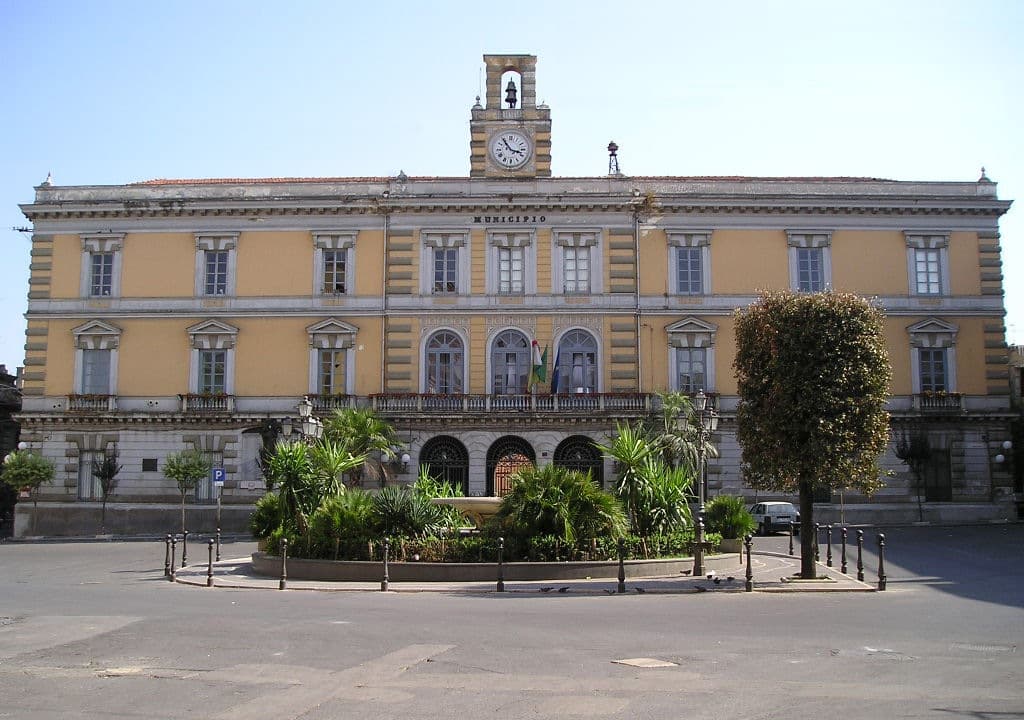 Wine Tasting3 destinations
Campania
Campania, a coastal region in southern Italy, is renowned for its rich history and diverse landscapes. It is home to Naples, the largest city, famous for its historic center, a UNESCO World Heritage site. The region boasts the stunning Amalfi Coast, characterized by picturesque cliffs and traditional fishing villages. Historic sites like Pompeii and Herculaneum provide a glimpse into ancient Roman life, while the islands of Capri and Ischia offer natural beauty and thermal springs. Campania is also known for its culinary treasures, including authentic Neapolitan pizza and local wines such as Aglianico. Explore lesser-known towns like Caserta, with its grand Royal Palace, or the charming village of Ravello, known for its gardens and music festival. This region blends cultural heritage with breathtaking scenery, making it a unique destination for those who wish to travel at a leisurely pace.
Wine TastingHiking





