Sfincione
Thick sponge bread from Palermo topped with onion, tomato and breadcrumbs
- Local name
- Sfincione
- Best eaten at
- Palermo street vendors (sfincionari)
- Pairs with
- Sicilian white or beer
What it is
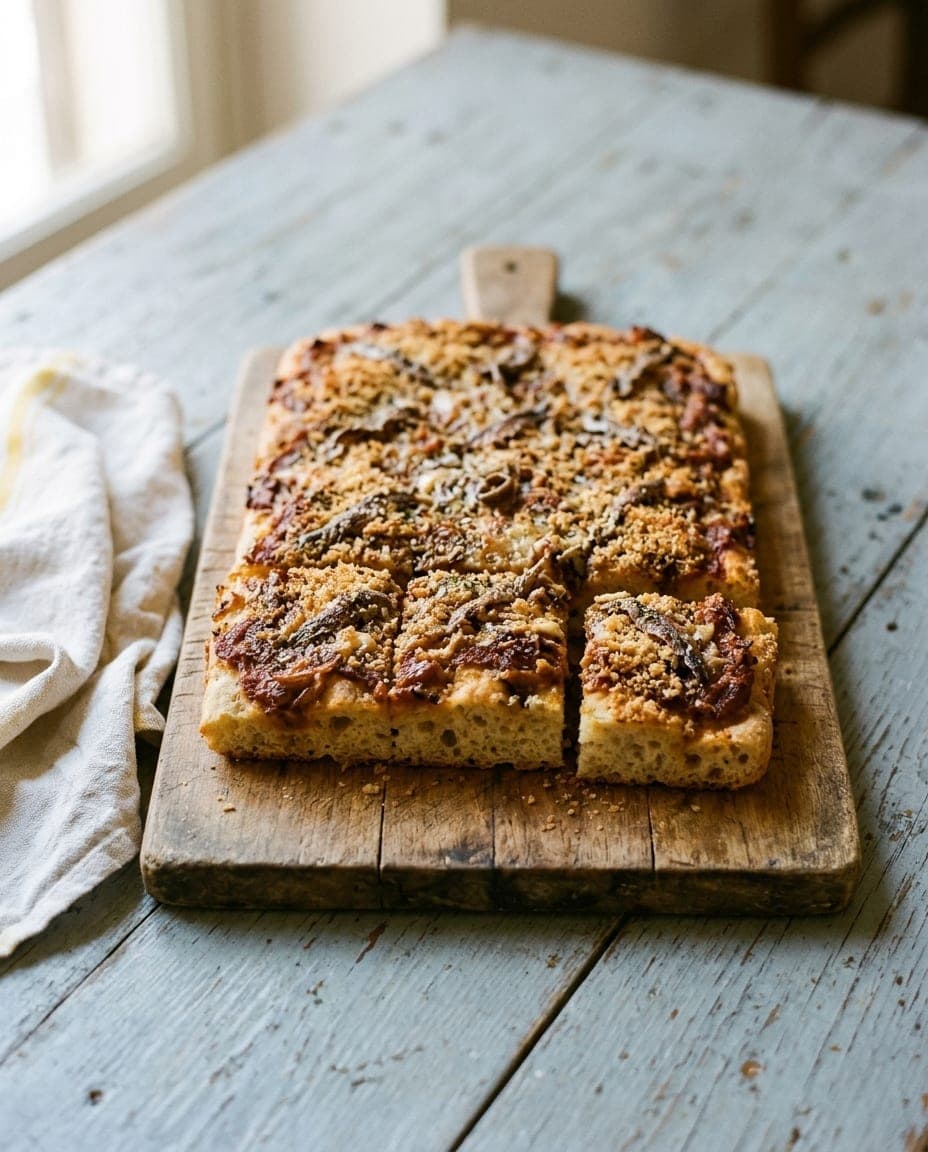
Sfincione is the thick, spongy pizza of Palermo. It resembles a high, soft focaccia more than the thin, crisp pies found in Naples. The base rises into a pillowy texture, baked in large rectangular trays and cut into squares or slices for immediate sale.
The surface is covered with a layer of onion and tomato sauce, often studded with anchovies, and finished with a generous scattering of breadcrumbs. Unlike many pizzas elsewhere, sfincione does not feature melted mozzarella on top. The cheese, typically caciocavallo, goes mostly in cubes onto the dough beneath the sauce, with a little more grated into the breadcrumb topping, leaving the crumb crust as the defining visual element.
It is a dish of humble origins that has become a symbol of Palermo's street food culture. It is sold by the slice from mobile vendors and small stalls across the city, particularly near markets. While available year-round, it holds a special place in the local calendar as a traditional food of the Christmas period, above all on Christmas Eve.
The name and the sponge
The word sfincione is usually traced to the Latin spongia, meaning sponge (an Arabic root for a similar fried dough is sometimes suggested too), referring to the airy texture of the bread. This description fits the result perfectly: the dough is light, porous and soft enough to absorb the tomato sauce without becoming soggy. The base rises significantly during baking, creating a cushion that holds the toppings firmly in place.
The texture is the primary characteristic that separates it from other forms of pizza. It is not meant to be crispy or crunchy. Instead, the eater expects a tender, almost cake-like bite that yields easily to the knife or fingers. This quality makes it suitable for eating at room temperature as often as it is served hot, allowing the flavours of the onion and tomato to settle into the bread.
Where it comes from
Sfincione is a regional speciality of Sicily, with its heart in Palermo and the surrounding area. It is not a dish found throughout Italy, but rather one that defines the culinary identity of the city. A popular local tradition credits the nuns of the monastery of San Vito in Palermo with first making it as a taller, softer variant of pizza, though this is legend rather than documented history. The tradition of selling it by the slice from street vendors is bound up with the city's street life, where food was prepared quickly to feed workers and passers-by.
The sfincionaro, the vendor who sells the bread, is a familiar figure with a distinct character, known for calling out to passers-by. These sellers operate from vans or small stalls at markets and near busy squares. In Bagheria, just east of Palermo, a different version exists: the white sfincione bagherese, made without tomato and topped with tuma or primo sale cheese, ricotta, onions, anchovies and breadcrumbs, showing how local preferences shape the dish.
The association with Christmas in Palermo is strong. Families often prepare large trays at home during the holidays, but the street version remains the most popular way to enjoy it for the rest of the year.
What goes into it
There is no single official recipe, and every sfincionaro guards their own method for mixing the dough and seasoning the sauce. However, the core components remain consistent across Palermo:
- A thick, spongy base: A high-hydration dough that rises to create a soft, airy structure.
- Onion and tomato: Sliced onions softened gently and cooked down with tomato and oregano to form the main topping.
- Anchovies: Salted fillets added to bring a savoury depth to the sweetness of the onion.
- Breadcrumbs: A layer of breadcrumbs, often mixed with grated cheese, sprinkled over the sauce before baking, creating a dry, nutty crust.
- Caciocavallo: Chunks of semi-hard cheese placed on the dough beneath the sauce rather than melted on the surface.
The result is a dish that balances the sweetness of the onion with the saltiness of the anchovy and the earthy note of the toasted breadcrumbs. It is not a vegetarian dish in its standard form, as the anchovies are essential to the classic profile.
How it is eaten
Sfincione is designed for casual consumption. It is sold by the slice or the quarter, often wrapped in paper for easy handling. It also turns up on small plates in cafés and bakeries, but the street version retains its authenticity.
It is eaten with the hands or with a knife and fork, depending on preference and how much sauce has been absorbed. The texture allows it to be folded slightly without breaking, making it convenient for walking while eating. It pairs well with a glass of Sicilian white wine or a cold beer, which cuts the richness of the onion and cheese. Many people enjoy it at room temperature later in the day, which makes it a practical choice for a quick lunch or a late-night snack.
Curious facts
- The breadcrumb crust is key. The toasted breadcrumbs on top are the signature feature, distinguishing it from pizzas that rely on melted cheese for texture.
- No mozzarella on top. Unlike most pizza styles, sfincione keeps most of its cheese beneath the sauce, preserving the dry, nutty quality of the breadcrumb layer.
- A recognised trade. The sfincionaro is a specific role in Palermo's food scene, with vendors often working the same streets for years.
- Room temperature favourite. While served hot, the dish is equally popular when eaten at room temperature, as the flavours settle into the sponge.
- A white version exists. In Bagheria, a nearby town, the sfincione bianco drops the tomato in favour of ricotta and fresh cheese, offering a milder alternative to the classic version.
Where to try it
The best place to eat sfincione is in Palermo itself, where the street vendors operate at their busiest; Bagheria is the place for the white version.
The bread is often prepared in larger quantities for the holidays, and the vendors take pride in their specific style of preparation. A quick stop at one of these stalls offers an authentic taste of Sicilian street food culture without the need for a formal dining reservation.
Where to try it
1 destination
 Wine Tasting
Partinico
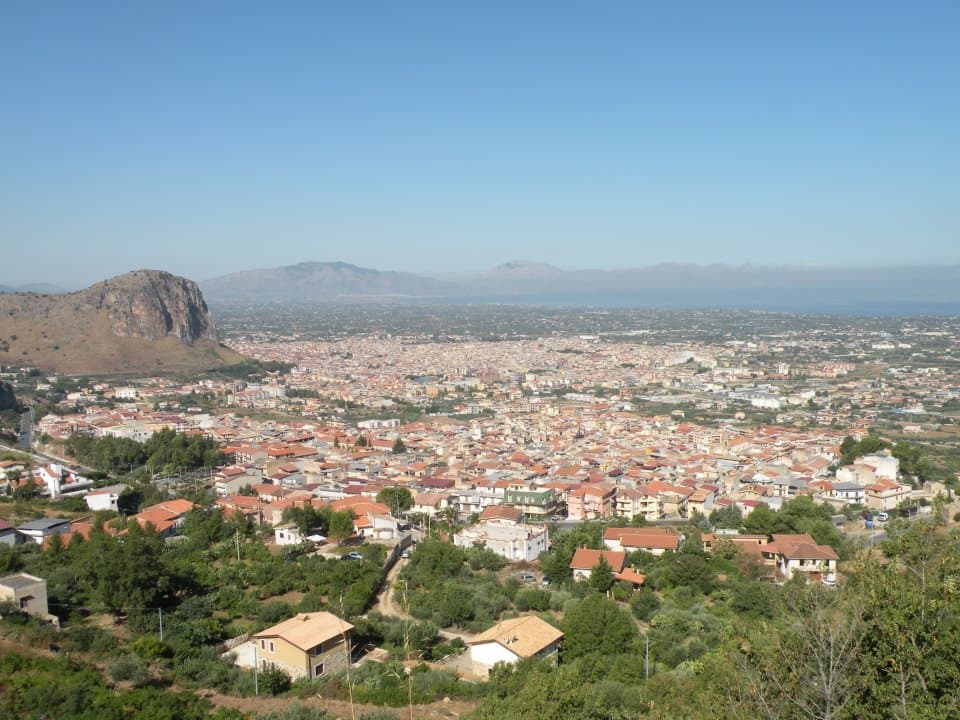
Wine town in Palermo province with vineyards and citrus groves.
Wine TastingHiking





