Sciatt
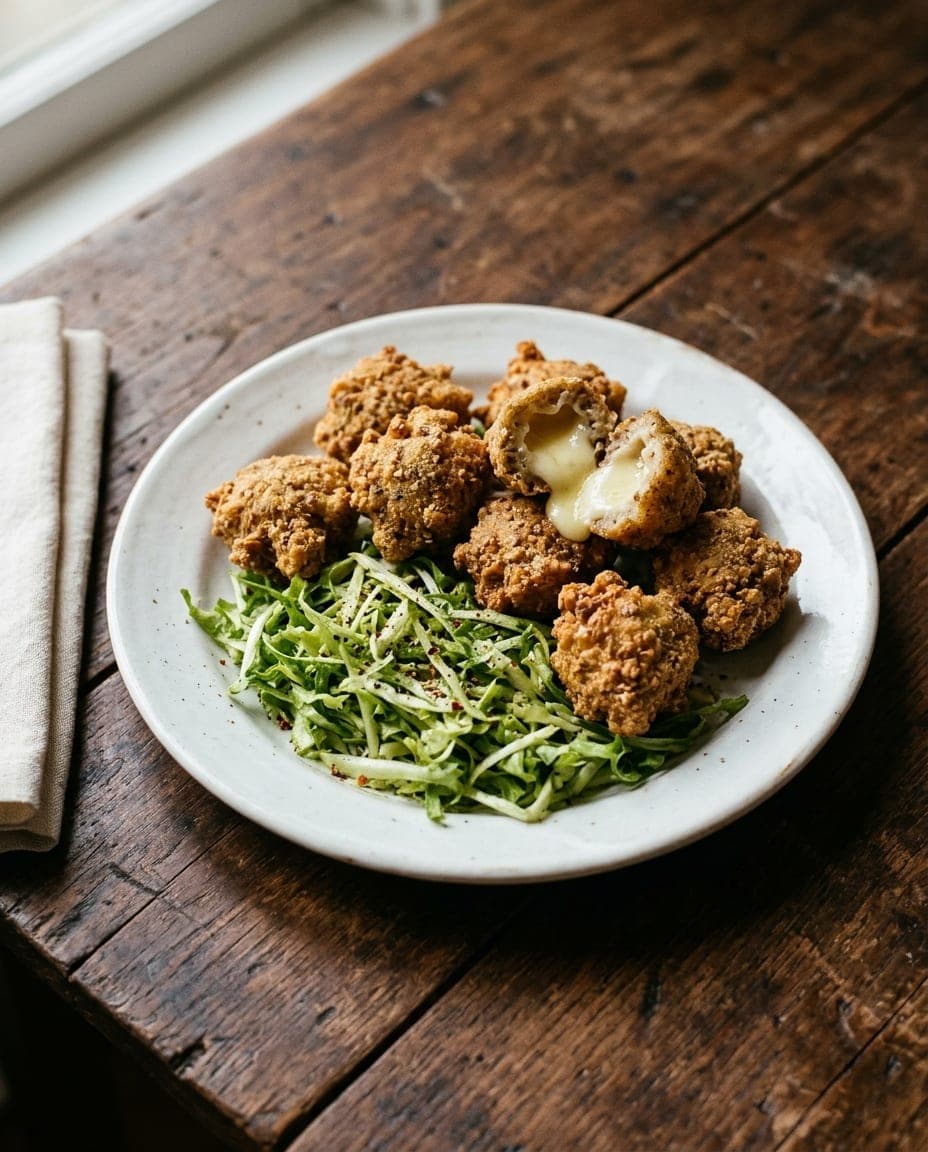
Valtellina buckwheat fritters with melting Casera cheese centres
- Local name
- Sciatt
- Served with
- Bitter chicory salad
- Best eaten at
- A Valtellina crotto
- Pairs with
- Valtellina red or grappa
What they are
Sciatt are small, lumpy fritters made from a batter of buckwheat flour and wheat flour, deep-fried until the outside is crisp and golden while the inside melts into a pool of warm cheese. They originate from Teglio in the Valtellina valley, in the Lombardy region of northern Italy, an area defined by steep slopes and high alpine pastures, and are now made throughout the valley. The dish is a staple of local mountain cuisine rather than a nationwide speciality, found mostly in this specific corner of the Alps.
The name itself offers a glimpse into their appearance. In the local Valtellina dialect, sciatt means toad. The fritters are not perfectly round or smooth; they puff up in the hot oil into an irregular, bumpy shape that recalls a small amphibian, hence the name. They are served hot and fresh, with the cheese inside still molten and soft, contrasting sharply with the crunchy exterior.
How the batter comes together
The defining characteristic of sciatt is the combination of ingredients used in the batter. Buckwheat flour is the primary component, a grain that has been grown in the Valtellina valley for centuries and remains the signature ingredient of the region's cuisine. It provides a nutty, earthy flavour that pairs naturally with the rich mountain cheese. This same buckwheat flour is used to make pizzoccheri, the valley's famous ribbon pasta, linking the two dishes through their shared reliance on the hardy grain.
To create the light, airy texture required for the fritters, the flours are loosened with water or beer, often with a pinch of raising agent. Many cooks also add a splash of grappa, the strong local grape brandy, which is said to help the batter crisp up so that the cheese filling does not make the fritter soggy.
Inside the batter sits a cube of local mountain cheese, typically Valtellina Casera, preferably a young one. This is not just any cheese; it must be one that melts smoothly without running out of the batter entirely. If the cheese is too dry or hard, it will not melt properly; if it is too soft, it may leak out before the fritter is cooked. The result is a contained pocket of hot, creamy Casera surrounded by a golden buckwheat shell.
How they are eaten
Sciatt are traditionally served as a starter or an appetiser, often on a bed of raw bitter chicory leaves dressed simply with oil, salt and sometimes vinegar. The sharpness of the chicory cuts the fat of the fried batter and the melting cheese, balancing the palate. They are not eaten with cutlery in the traditional setting; instead, they are picked up by hand and shared from the plate while still hot.
The ideal setting for sciatt is a crotto, a rustic cellar tavern found in the Valtellina valley. These are small, unpretentious establishments where locals gather to drink and eat simple, hearty food. In a crotto, the fritters arrive hot from the fryer, often piled on a plate with the bitter greens scattered underneath.
A glass of Valtellina red wine is the standard companion to the dish, though a shot of grappa is also common. The acidity and tannins of the local red wine help cleanse the palate between bites of the fried cheese, while the grappa echoes the spirit often used in the batter.
Curious facts
- The name comes from a toad. In the Valtellina dialect, sciatt translates directly to "toad", a nod to the irregular, lumpy shape the fritters take in the oil.
- A valley grain. The buckwheat used in the batter is the same grain that makes up the famous pizzoccheri pasta of the Valtellina, linking these two dishes as staples of the region's alpine diet.
- The cheese must melt. Not all cheeses work for sciatt; the filling calls for a local variety like Casera that softens into a creamy pool without leaking out of the batter too quickly.
- A tavern tradition. The dish is most authentically enjoyed in a crotto, a small cellar tavern, where it is served as a starter alongside bitter chicory salad.
- No recipe book needed. There is no single official recipe for sciatt; each cook in the valley has their own method for mixing the batter and selecting the cheese, passed down through local practice rather than written records.
Where to try them
The Valtellina is the place to eat sciatt, especially around Teglio, where they appear on the menu of many traditional mountain restaurants and crotti that serve regional specialities. While some restaurants further afield may offer a version, the texture and flavour are most consistent when made with local Valtellina buckwheat and Casera cheese.
Where to try it
1 destination
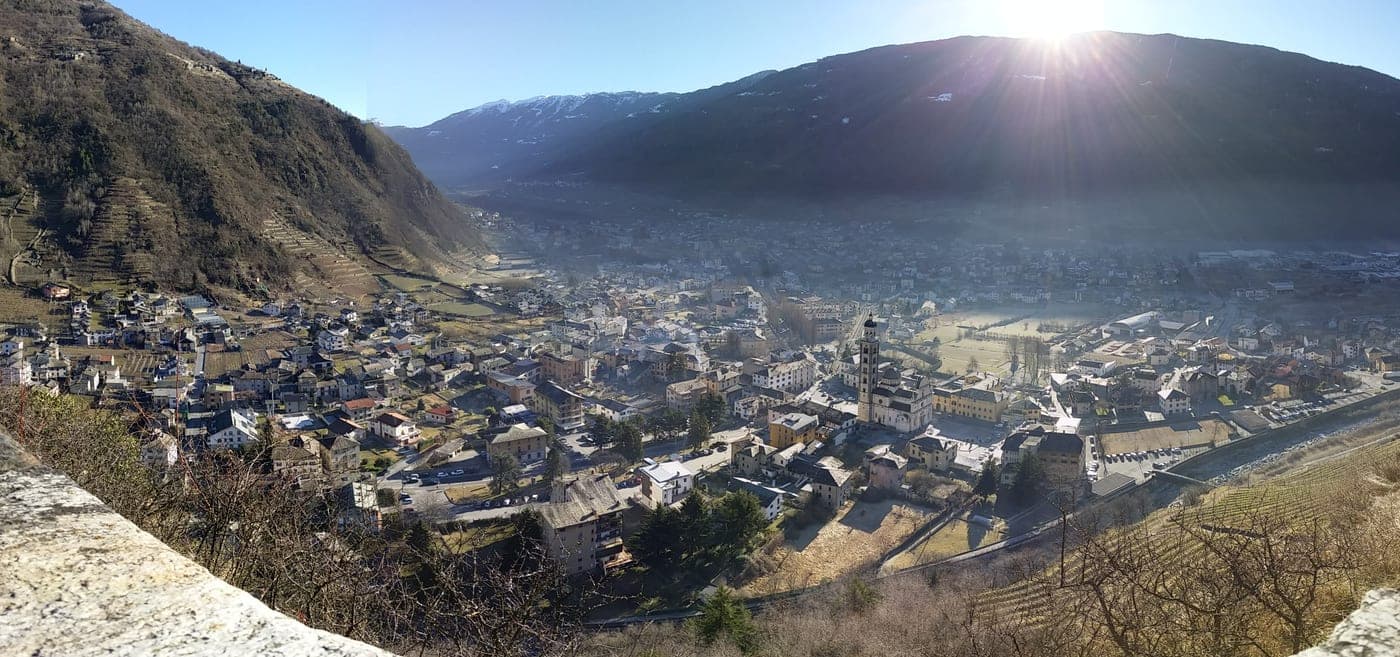 Panoramic Trains
Tirano
Alpine town with pilgrimage sanctuary, terraced Nebbiolo vineyards.
Panoramic TrainsHiking





