Sardenaira
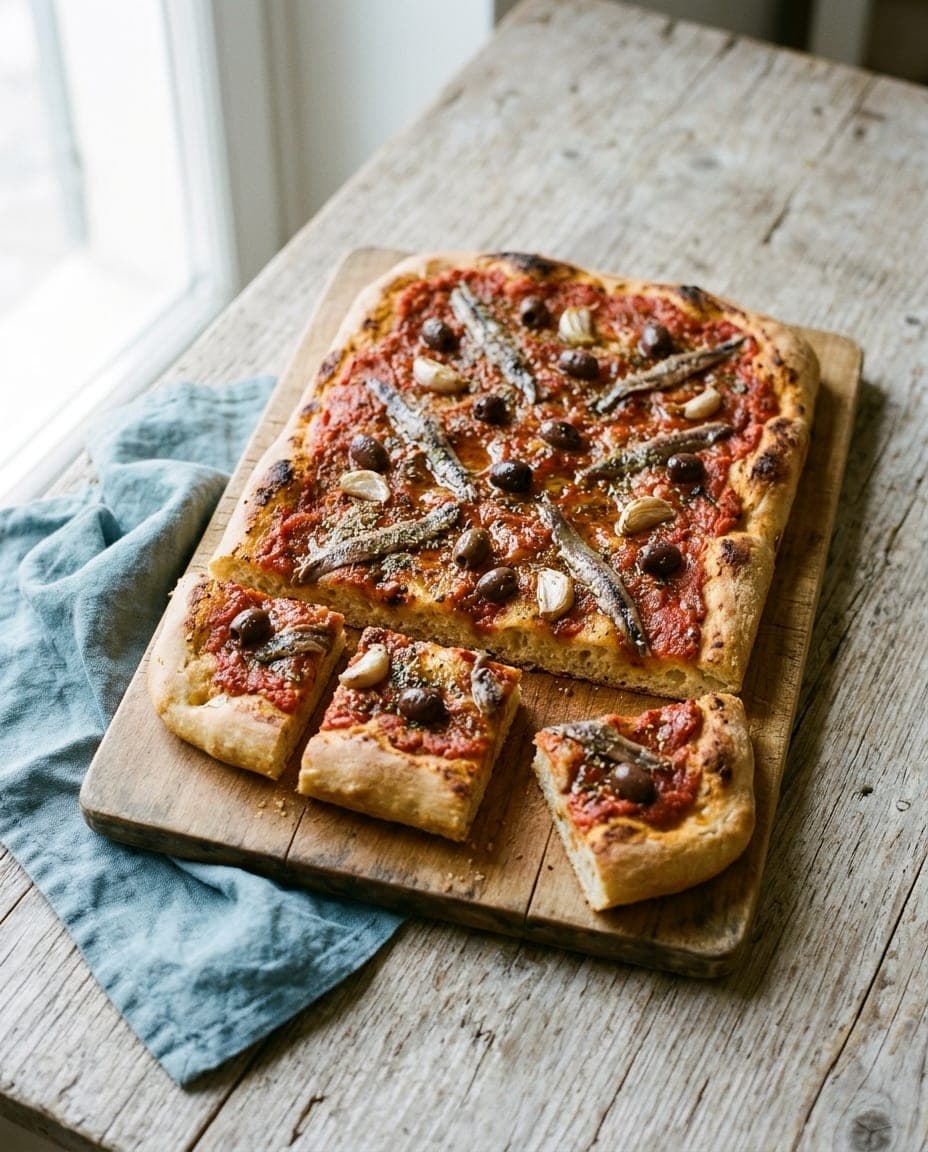
A Ligurian flatbread of tomato, anchovy, Taggiasca olives and garlic from Sanremo
- Local name
- Sardenaira
- Best eaten at
- A Sanremo bakery
- Pairs with
- Pigato or Vermentino
What it is
Sardenaira is a flatbread from the town of Sanremo on Italy's western Riviera, in the region of Liguria. It is not a pizza, despite its toppings, and is often considered closer to focaccia. The base is a thick, airy focaccia dough, baked in round or rectangular tins until golden and crisp on the bottom while remaining soft inside. There is no mozzarella or other cheese. Instead, the dough is spread with a layer of tomato sauce and topped with salted anchovies or small sardines, Taggiasca olives, capers, whole garlic cloves and a sprinkling of dried oregano.
The name refers to sarde, sardines, the small salted fish that are the defining element of the dish. Without the salted anchovies or sardines, it would be a different bread entirely. The result is a savoury, briny flatbread that is often eaten at room temperature, though it is also enjoyed warm straight from the oven. It is substantial enough to serve as a light meal or a hearty snack.
The story of the border bread
The sardenaira has a close cousin on the other side of the border, in the French city of Nice. There, the pissaladière is made with a similar dough and topped with caramelised onions, anchovies and olives. Its name comes from pissalat, a paste of salted fish long used in Niçois cooking. Along the Ligurian coast the family of names also includes pissalandrea and pizza all'Andrea, the latter linked by popular legend to the Genoese admiral Andrea Doria, said to have loved bread with oil, garlic and salted anchovy; the pissalandrea of Imperia usually adds onions.
This shared history reflects the movement of people and food along the Ligurian and Provençal coasts for centuries. A precursor is often said to be the machetusa of the inland Val Nervia, a focaccia spread with a paste of anchovies, oil and salt; tomato, garlic and capers were added much later, after tomatoes arrived from the Americas. The sardenaira remains a staple of the western Riviera, particularly in Sanremo and the nearby town of Imperia.
What goes into it
The ingredients are simple and specific to the region. There is no room for substitutes if one wishes to taste the dish as it was intended.
- A thick focaccia base, leavened to be airy but sturdy enough to hold the toppings without becoming soggy.
- Tomato, usually as a simple cooked sauce of passata with onion and oil, providing a juicy contrast to the salted fish.
- Salted anchovies or sardines, the essential element that gives the bread its name and dominant savoury taste.
- Taggiasca olives, small, dark olives from the valleys of western Liguria, known for their mild, fruity flavour.
- Capers and garlic cloves, which add a sharp, aromatic punch to the mix.
- Dried oregano, used sparingly to finish the topping before baking.
The bread is baked in a large tray until the edges are crisp and the surface is dotted with the toppings. A generous drizzle of Ligurian olive oil finishes the bread, much of it absorbed into the dough.
How it is eaten
In Sanremo and the surrounding towns of western Liguria, sardenaira is sold by the slice at bakeries. The bread is often still warm when purchased, but it is also commonly served at room temperature later in the day. It is a casual food, meant to be held in one hand while standing or walking, or eaten quickly with a glass of local wine.
The texture is key: the bottom should be crisp, the centre soft and chewy, and the toppings evenly distributed. It pairs well with a glass of Pigato or Vermentino, two white wines from Liguria that have enough acidity to cut through the saltiness of the anchovies. Some people also enjoy it with a local beer or simply a glass of water.
Curious facts
- The name is the fish. The word sardenaira refers to sarde, sardines, making the dish a direct reference to its most important ingredient.
- A border sibling. The French pissaladière and the Ligurian pissalandrea share the same DNA, with salted fish as the common thread along the coast.
- No cheese required. Unlike many Italian flatbreads, this dish never includes mozzarella or other melted cheeses; the flavour comes entirely from the fish and olives.
- Sold by the slice. Bakeries usually cut it into squares or strips to be eaten on the spot.
- Older than Neapolitan pizza. The anchovy-topped focaccia tradition behind sardenaira is often said to predate the familiar Neapolitan pizza.
Where to try it
The best place to eat sardenaira is at a bakery in Sanremo itself. The same bread is available in Imperia and other towns along the western coast, but the version from Sanremo is considered the reference point.
Where to try it
1 destination
 Boat Rentals
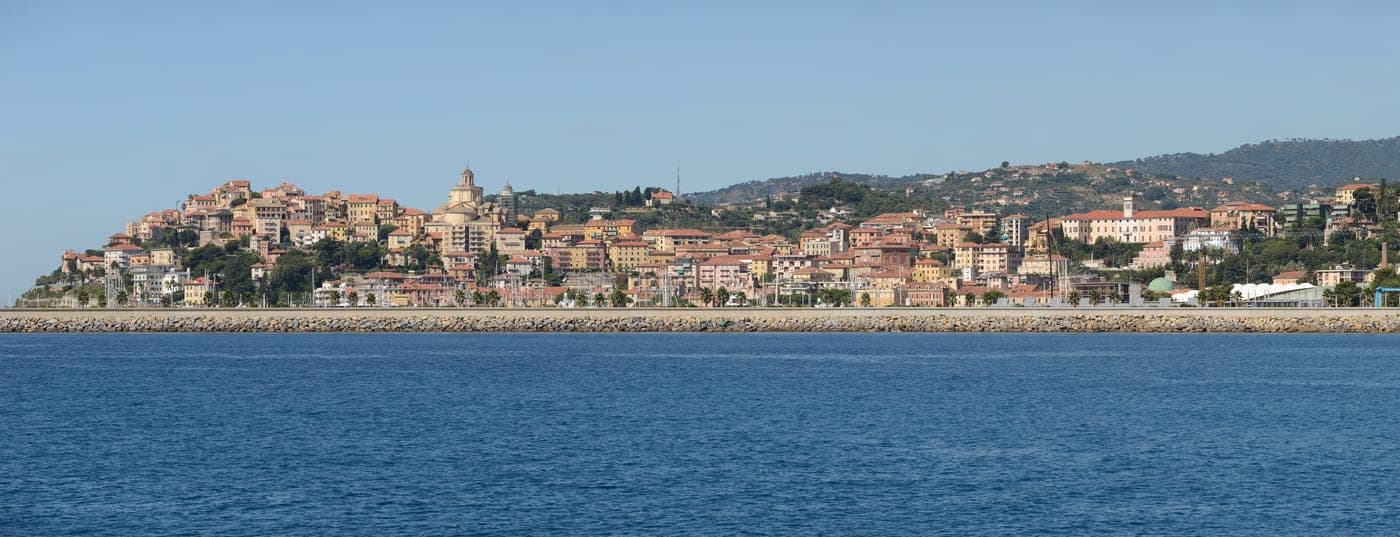
Imperia
Ligurian coastal city with marina and boat rentals on the Italian Riviera.
Boat RentalsHiking
1 region
 Wine Tasting4 destinations
Liguria
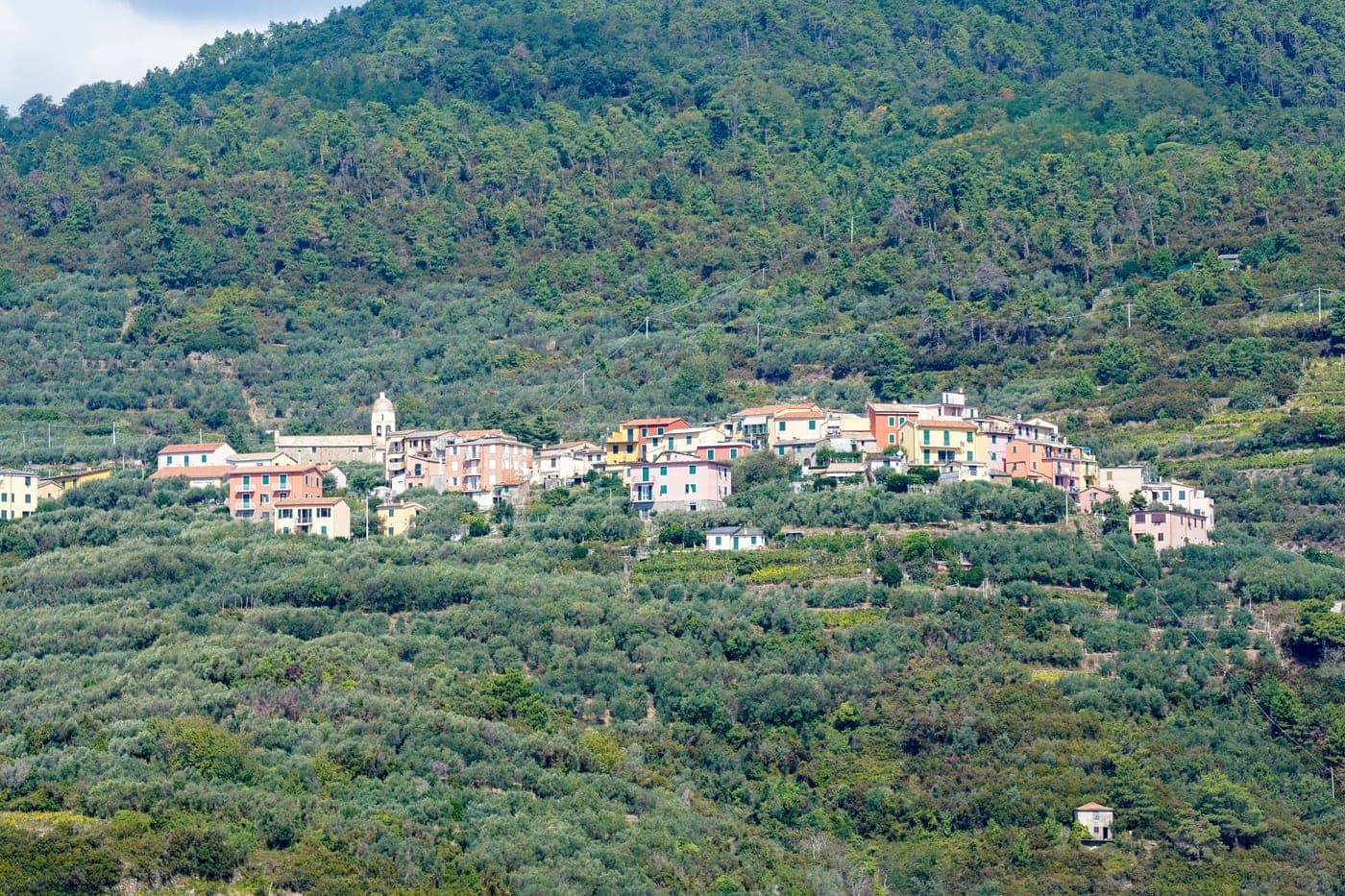
Nestled between the Ligurian Sea and the Apennine Mountains, this region is the smallest in Italy, yet it boasts a rich tapestry of landscapes and cultures. Known for its picturesque coastline, it is home to the UNESCO World Heritage Site of Cinque Terre, where five colorful villages cling to steep cliffs. Beyond the coast, towns like Portofino offer a glimpse into the luxurious Mediterranean lifestyle, while inland, the olive groves and vineyards of the hinterland produce exquisite olive oil and Vermentino wine. Historical sites abound, such as the ancient maritime republic of Genoa, with its impressive palaces and rich maritime history. The region is also famous for its pesto, a culinary delight made from locally grown basil. With a mild climate year-round, Liguria offers a wealth of walking trails, scenic drives, and local festivals, providing an authentic experience of Italian coastal life.
Wine TastingBoat RentalsHiking





