Sarde in saor
Venetian sardines layered with onions, vinegar, raisins and pine nuts
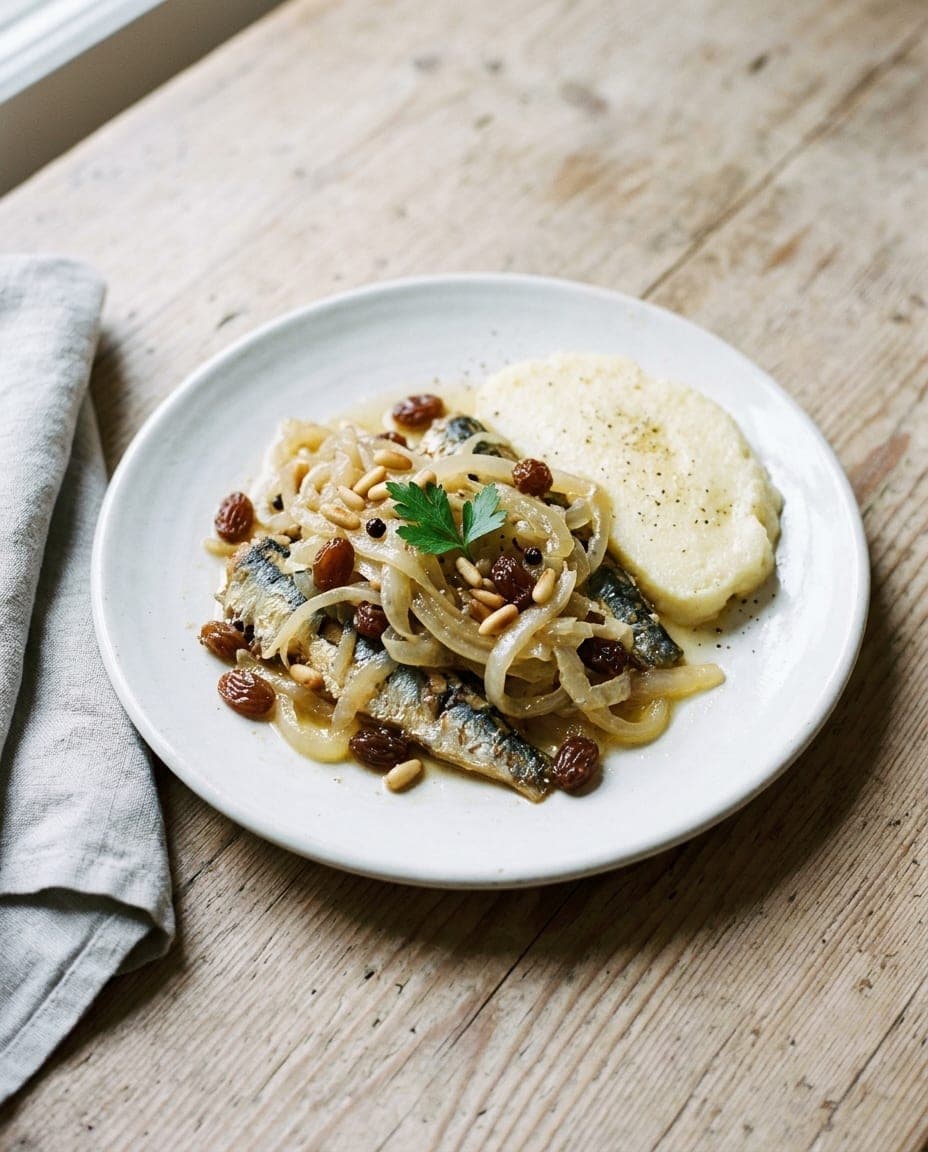
- Local name
- Sarde in saor
- Served with
- Polenta
- Best eaten at
- A Venetian bacaro
- Pairs with
- Prosecco or Soave
What it is
Sarde in saor is one of the most distinctive tastes of Venice, a dish that turns humble fish into something sweet, sharp and deeply savoury. The name comes from saor, the Venetian word for flavour, and the technique is said to have begun as a practical way to keep fish edible at sea. Today it is a celebrated appetiser, served cold or at room temperature, where the sharp tang of vinegar meets the sweetness of dried fruit and the crunch of toasted nuts.
The dish consists of sardines that are first dusted with flour and fried until crisp, then layered in a bowl with a heavy amount of onions cooked slowly in oil and vinegar. The mixture is studded with pine nuts and raisins before being left to rest for at least a day, often two, allowing the flavours to meld into a unified whole. The texture of the fried fish softens slightly in the marinade while retaining enough structure to hold its shape.
This preparation belongs firmly to the city of Venice and the wider Veneto region. While similar sweet-and-sour fish dishes appear elsewhere in the Mediterranean, this combination of sardines, slow-cooked onions, raisins and pine nuts is a Venetian signature. It is a dish that thrives in the bacari, the traditional wine bars where locals gather for small plates, and it holds a special place during the Festa del Redentore in July; a local saying runs "Al Redentor prepara il saor".
The sailors' origin of saor
The roots of sarde in saor lie not in fine dining but in the practical needs of Venetian maritime life. Venice was built on trade, and its ships carried goods across the Mediterranean for centuries. Before modern refrigeration, preserving fish at sea was a daily challenge. According to tradition, Venetian sailors and fishermen found a simple method: fry the fish, then cover it with a mixture of onions, vinegar and oil. The acidity of the vinegar kept the fish edible for longer, and written references to the preparation are often dated back to the 14th century.
Over time, this utilitarian dish evolved from a survival food into a delicacy. The addition of pine nuts and raisins, linked to Venice's role as a trading hub, marked the shift from a plain preservation method to a more refined preparation served at wealthier tables. The version with nuts and fruit is now the standard.
How the Veneto shaped the flavour
Sarde in saor is a product of its environment. The Adriatic around Venice provided an abundance of small, oily fish like sardines, while the city's trade brought in dried fruit, nuts and spices.
The dish is bound up with the rhythm of life in Venice. It is traditionally eaten as part of the cicchetti culture, the small snacks served with a glass of wine at a bacaro. Sarde in saor fits perfectly into this setting: it is ready to serve, requires no cooking when ordered, and pairs well with the crisp acidity of local white wines.
Its prominence during the Festa del Redentore highlights its role as a celebratory food. The festival, held on the third weekend of July, commemorates the end of the plague of 1575–1577 with a temporary floating votive bridge to the Redentore church, outdoor feasts and fireworks. Sarde in saor is a fixture of the festive dinner, along with dishes such as bigoli in salsa.
What goes into it
There is no single fixed recipe for sarde in saor, but the core components remain consistent across Venetian kitchens:
- Sardines, small and fresh, which are dusted with flour and fried until golden.
- Onions, sliced thinly and cooked slowly in oil until soft and sweet, then mixed with vinegar.
- Vinegar, usually white wine vinegar, which provides the sharp tang essential to the dish.
- Pine nuts, toasted until fragrant, adding a nutty crunch to the mix.
- Raisins, plump and sweet, balancing the acidity of the vinegar and onions.
The result is a layered dish where the flavours develop over time. The sardines absorb the vinegar and oil, becoming tender yet retaining their form, while the onions soften into a sweet relish. The pine nuts and raisins provide texture and contrast.
How to eat it
Sarde in saor is almost always served cold or at room temperature, never hot. In a bacaro, it arrives on a small plate alongside other cicchetti, ready to be eaten with the fingers or a small fork. It is often accompanied by polenta, which provides a neutral base for the strong flavours of the sardines.
The dish pairs naturally with local white wines. A glass of Prosecco, with its light bubbles and crisp acidity, cuts the fat of the fried fish. Alternatively, a Soave from the Veneto hills offers a dry, mineral finish that complements the vinegar without overpowering it.
In traditional Venetian establishments it is usually displayed on the counter among the other cicchetti, and is best eaten slowly, letting the sweet and sour flavours unfold.
Curious facts
- A dish that improves with time. Sarde in saor is at its best after resting for a day or two, as the marinade has time to penetrate the fish fully.
- Layered in terracotta. The components were traditionally layered in terracotta containers to rest.
- A festival staple. The dish is a regular feature during the Festa del Redentore in July, when Venice celebrates the end of the 1575–1577 plague with feasts and fireworks.
- Mediterranean relatives. Sweet-and-sour preserved fish has cousins around the Mediterranean, such as Spanish escabeche and southern Italian scapece.
Where to try it
The best place to eat sarde in saor is a traditional bacaro in the heart of Venice, where the dish is a staple on the menu. These small wine bars are scattered throughout the city's districts, from San Polo to Cannaregio, and often serve the dish alongside other local specialities.
It is at its most festive during the Redentore in July; on a quieter weekday evening, a local bacaro will typically serve it alongside a glass of Prosecco or Soave.
Where to try it
1 region
 Wine Tasting20 destinations
Veneto
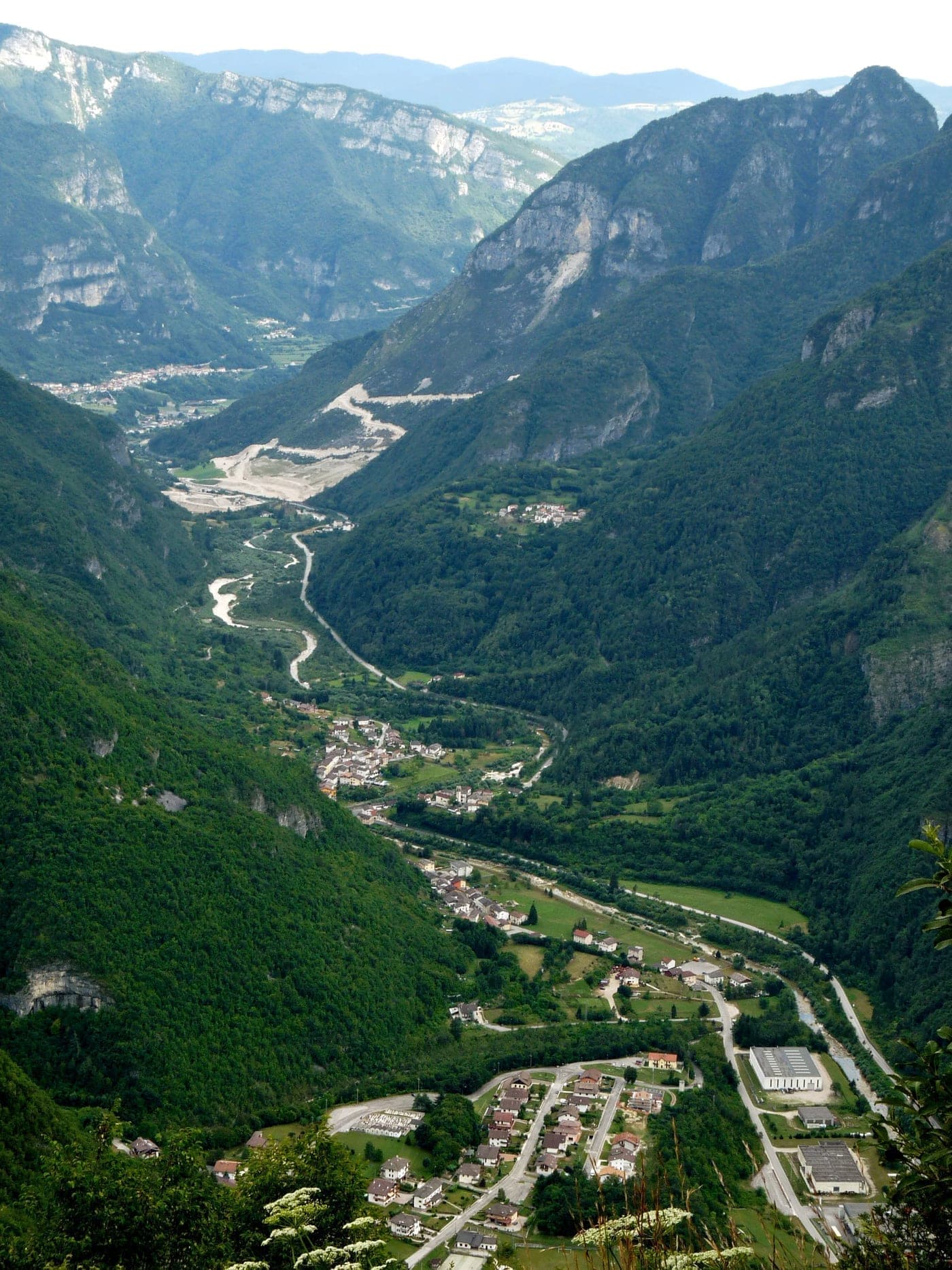
Veneto is a diverse region in northeastern Italy, home to Venice, the only city on the water. It is the eighth largest region in Italy and boasts a rich history shaped by its Roman and Venetian heritage. The countryside features rolling hills, vineyards, and olive groves, producing wines like Prosecco and Amarone. Beyond Venice, towns like Verona, known for its Roman amphitheater, and Vicenza, famous for Palladian architecture, provide cultural depth. The region also offers the picturesque Dolomites for hiking and outdoor activities. Lesser-known villages such as Asolo and Bassano del Grappa reveal local crafts and traditions, ideal for those seeking authentic experiences away from crowds.
Wine TastingHikingThermal Spas





