Rustico leccese
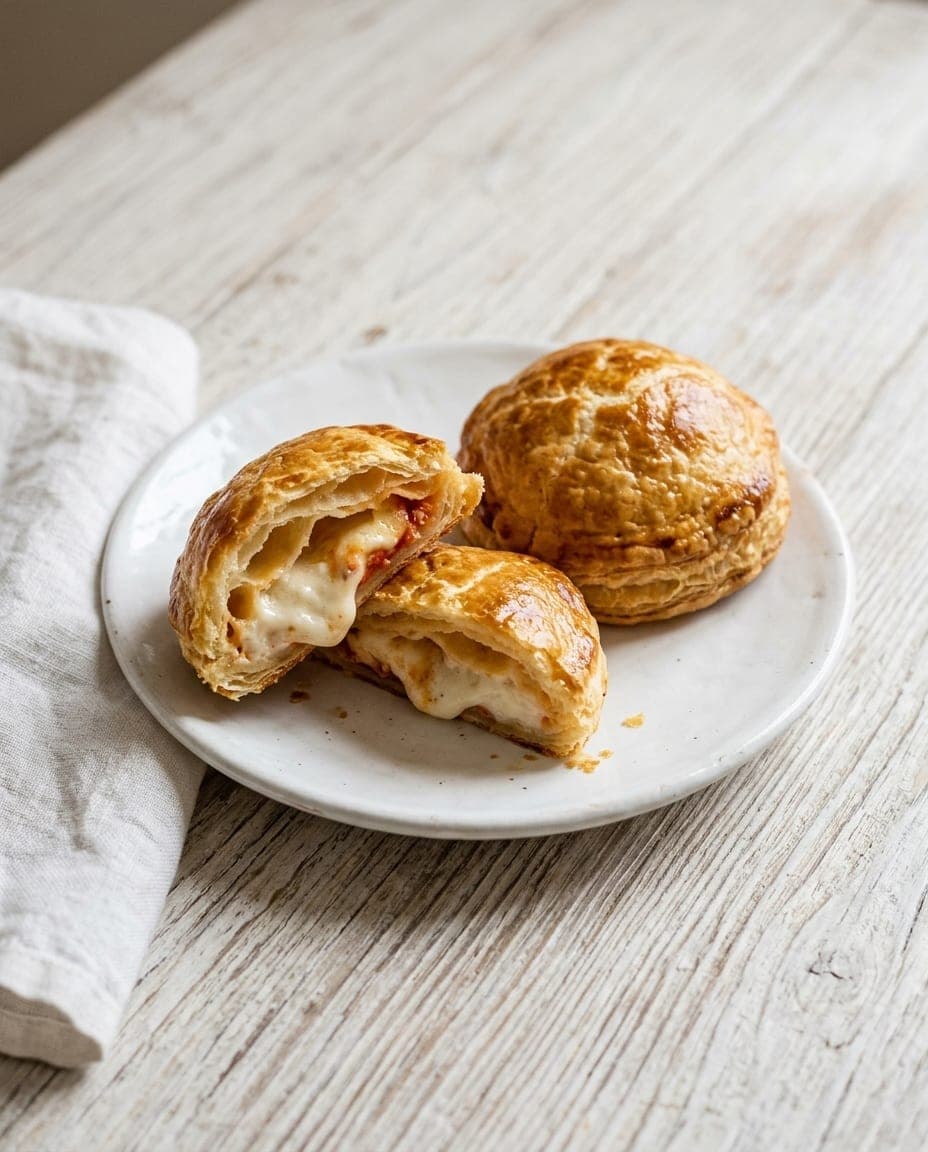
A flaky puff pastry pie from Lecce, filled with béchamel, mozzarella and tomato
- Local name
- Rustico leccese
- Best eaten at
- A Lecce bar, mid-morning
- Pairs with
- Espresso or Salento rosato
What it is
The rustico leccese is a small round pie from the city of Lecce in the Salento peninsula of Puglia. It consists of two discs of flaky puff pastry sealed around a filling of béchamel sauce, mozzarella, tomato, pepper and a hint of nutmeg. The top becomes domed and golden during baking, creating a crisp shell that holds a hot, creamy centre.
This snack is the savoury counterpart to the pasticciotto, a sweet shortcrust pastry filled with custard. Together they form a standing pair on the counters of Lecce's bars. While the pasticciotto is the classic breakfast, the rustico leccese is typically eaten mid-morning, as an aperitivo or as a quick lunch. It is an everyday snack rather than a festival food, rooted in the local rosticceria tradition of the Salento. Its origins are not documented; one popular theory links it to the French-style vol-au-vent of the Bourbon era.
The filling must be thick enough to stay inside the pastry; a runny mixture would flood out during baking. The cheese used is usually a firm variety of mozzarella designed for cooking, which melts without becoming entirely liquid. It is this specific combination of creamy sauce, firm cheese and tomato that defines the dish, while the nutmeg in the béchamel gives it its distinct taste.
The bar culture of Lecce
In Lecce, the rustico leccese is not a meal served at a table but an item bought at the counter. It is designed to be eaten hot, in the hand, standing or walking. This habit fits the rhythm of the city's bars and streets.
A bar here is more than a place for coffee; it is a hub for social interaction and quick sustenance. The counters are lined with glass cases displaying rows of golden pastries. Visitors join locals in ordering a rustico leccese alongside an espresso or a glass of water. The pastry is warm to the touch, requiring care when biting into it to avoid the hot filling.
Here, the rustico leccese is a portable snack, meant to be finished in a few bites while standing near the counter or strolling through the square. The rosticceria tradition supports this, offering quick, high-quality baked goods that fuel the morning routine.
What goes into it
The construction of the rustico leccese relies on a few key components that must be balanced correctly to achieve the right texture and flavour.
- Puff pastry, which provides the flaky, crisp exterior and holds the filling securely.
- Béchamel sauce, a creamy base made from milk, flour and butter that binds the other ingredients together.
- Mozzarella (fiordilatte), ideally a drier type that melts into the béchamel without becoming watery.
- Tomato, usually in the form of a thick sauce or chopped fresh tomato, adding acidity and colour.
- Nutmeg, a small amount of spice in the béchamel that gives the filling its characteristic aroma.
Pepper is often added for a subtle heat. The result is a deeply savoury filling that contrasts with the light, airy pastry. The classic version contains no meat, but mozzarella is usually made with animal rennet, so it is not strictly vegetarian.
How it is eaten
The rustico leccese is at its best hot from the oven at a Lecce bar. Locals bite carefully at first, letting the steam escape so the creamy filling does not burn the tongue.
At the bar it is usually taken with an espresso or a glass of water; later in the day it can be paired with a glass of Salento rosato, which offers a refreshing contrast to the rich, warm filling. The pastry is substantial enough to serve as a light lunch but is often consumed alongside coffee as part of a morning ritual.
Curious facts
- The nutmeg difference. While many savoury pastries use herbs like parsley or oregano, the rustico leccese relies on the nutmeg in its béchamel.
- A standing snack. Unlike many Italian pies that are eaten with a knife and fork at a table, this dish is designed for hand-eating while standing at the counter.
- The sweet sibling. It shares the bar counter with the pasticciotto, creating a pair of savoury and sweet options that define the local pastry culture.
- No fixed size. There is no official diameter or weight; the size varies by baker, though they are generally small enough to be held in one hand.
- Year-round availability. The dish is not seasonal and can be found on menus throughout the year, regardless of the weather.
Where to try it
The best place to find a rustico leccese is in Lecce itself, particularly at traditional bars and rosticcerie. It is also sold across the rest of the Salento, down to Santa Maria di Leuca at the peninsula's southern tip.
Where to try it
1 destination
 Boat Rentals
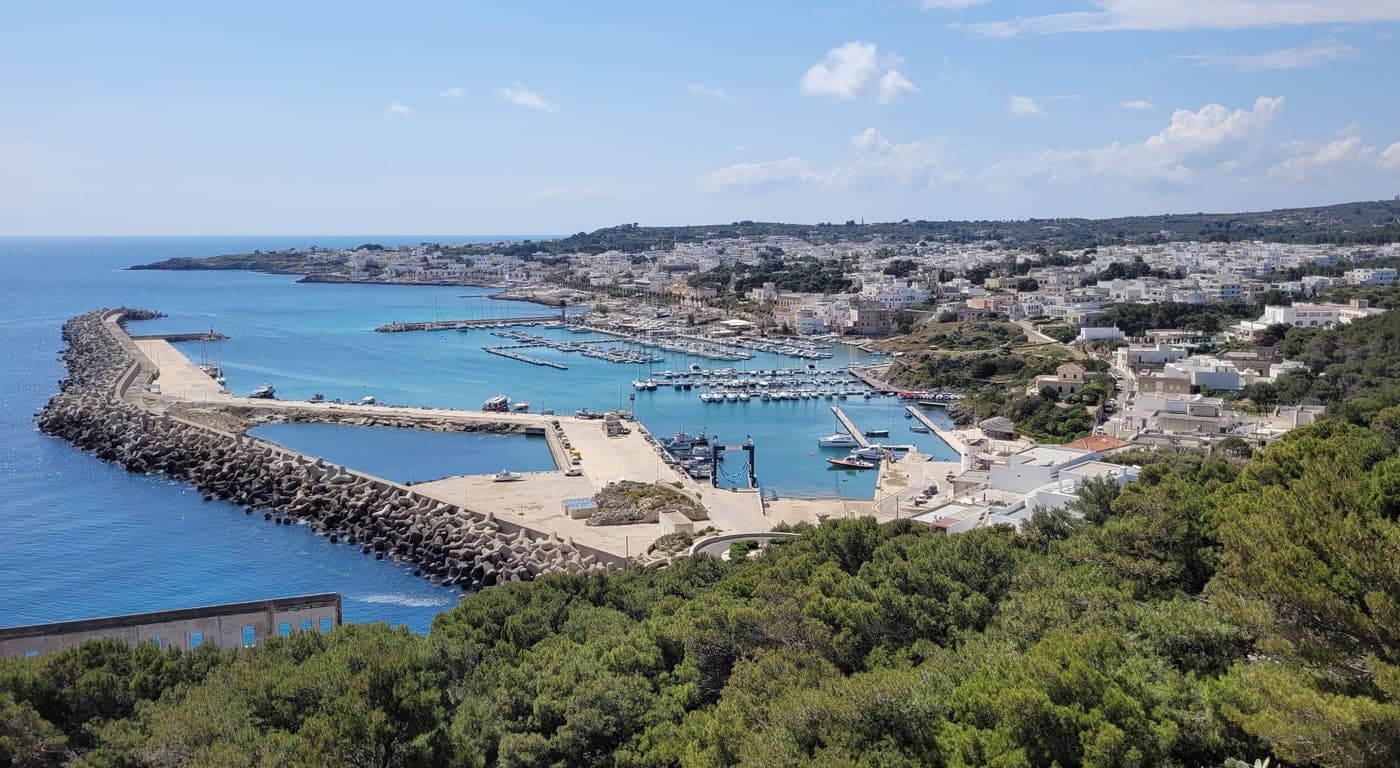
Santa Maria di Leuca
Stunning coastal town known for its lighthouse and Baroque architecture.
Boat Rentals
1 region
- Boat Rentals20 destinations
Puglia
Apulia, the heel of Italy, is known for its unique trulli houses, especially in Alberobello, a UNESCO World Heritage site. The region features beautiful coastlines along the Adriatic and Ionian Seas, with picturesque towns like Polignano a Mare and Otranto offering stunning sea views and fresh seafood. Notably, Apulia is the largest wine-producing region in Italy, famous for robust Primitivo and fruity Negroamaro wines. History aficionados can explore ancient sites like the Romanesque cathedral in Bari and the medieval castles of Castel del Monte. With its rich culinary traditions, highlighted by orecchiette pasta and olive oil, Apulia offers a deep dive into Italy's cultural heritage.
Boat RentalsWine TastingHikingAgritourism





