Ribollita
A twice-boiled Tuscan soup of stale bread, beans and cavolo nero
- Vegetarian
- Local name
- Ribollita
- Served with
- Olive oil, bread
- Best eaten at
- A Florentine trattoria
- Pairs with
- Chianti
What it is
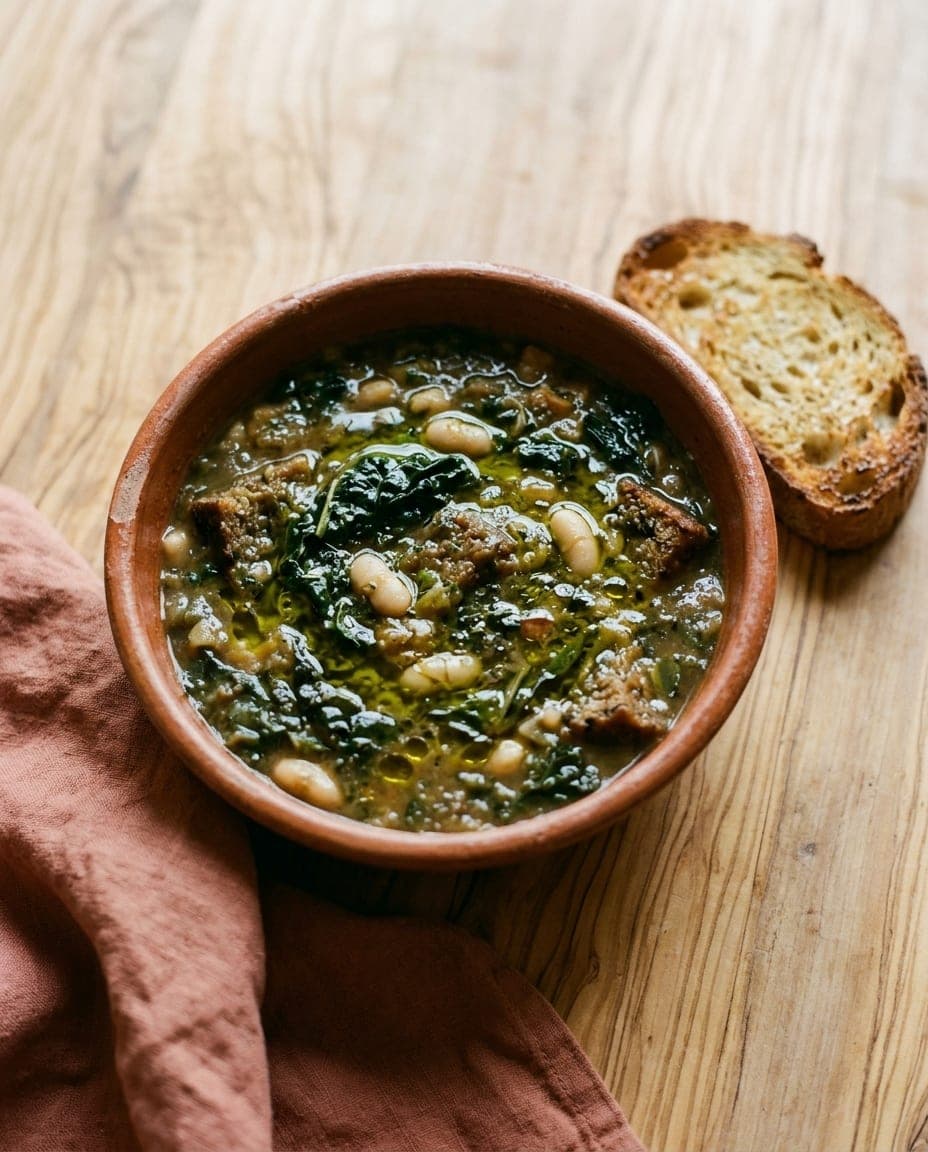
Ribollita is a thick, rustic soup from Tuscany that takes its name directly from the method used to prepare it. The word comes from ribollire, meaning to reboil or boil again. This is not merely a description of a cooking step but the defining moment of the dish. What begins as a vegetable and bean broth on one day, often left over from a previous meal, transforms into ribollita when it is reheated the next morning with chunks of stale, unsalted Tuscan bread.
The result is a heavy, textured bowl that sits somewhere between a soup and a stew. It is not liquid in the way a clear broth is; a well-made ribollita is said to be dense enough to eat with a fork.
It is a dish born of necessity and thrift, yet it stands as one of the most celebrated foods of the region. It is a winter soup, appearing in kitchens from October through March, timed to coincide with the harvest of cavolo nero, the dark green Tuscan kale that becomes sweeter after a frost.
The method of reboiling
The distinction between this dish and other bread soups lies in the process. A simple bean and vegetable broth might be called minestra di pane when bread is added to it on the day it is cooked. However, for the dish to become ribollita, it must sit overnight. The next day, the cook brings the pot back to a boil. This second heating allows the stale bread to absorb the remaining liquid and the flavours of the vegetables and beans, swelling until the mixture becomes almost solid.
This practice was essential in traditional Tuscan households where wasting food was not an option. Bread was precious, and the unsalted variety made in Tuscany turned dry and hard within a day or two. Rather than discard it, the bread was torn into pieces and added to the pot.
What goes into it
The base of ribollita is built from vegetables that grow in the cool Tuscan winter air. The most important ingredient is cavolo nero, also known as black kale or Tuscan kale. Its dark, firm leaves hold up well to long cooking. It is said that the best cavolo nero comes after it has been exposed to frost, which sweetens the leaves and reduces their bitterness.
Other vegetables form the foundation of the broth. Onions, carrots, celery and potatoes are standard, providing a sweet and earthy base. Tomatoes, either fresh or as a paste, add acidity and colour to the mix. The beans are typically cannellini, which are white kidney beans. In many versions, some of these beans are puréed or mashed into the pot to create a thick, creamy texture, while others remain whole to provide a firm bite.
The bread is the final, crucial element. It must be stale and unsalted. The lack of salt in the bread is traditional for Tuscany; the custom is often linked to historic salt taxes and scarcity, though its exact origin is debated. When the dry, saltless bread meets the savoury broth, it absorbs the liquid without becoming salty itself.
How to eat it
Ribollita is usually served hot, straight from the pot, often in a deep ceramic bowl or a small clay tureen. The consistency is so thick that some insist it should be eaten with a fork, though most diners simply use a spoon.
The final touch is added at the table. A generous pour of raw, high-quality extra virgin olive oil is drizzled over the top of the soup just before serving. It adds a fruity, peppery finish to the earthy flavours below and is essential to the dish's identity.
It is often accompanied by a slice of the same unsalted Tuscan bread used in the cooking. The soup is hearty enough to be a main course, particularly for lunch on a cold day. It pairs naturally with a glass of Chianti, a red wine from the region that has enough tannin and fruit to stand up to the strong flavours of the beans and kale.
Where it comes from
Ribollita is bound up with the countryside of Tuscany, particularly the areas around Florence, Arezzo and the plain of Pisa. The tradition is strongest in the rural districts where farming households would cook large pots of soup to feed workers or families through the winter months.
Its direct ancestors were the lean, meatless soups that rural families ate on Fridays and other days of abstinence, and bread and cavolo nero soups appear in Tuscan recipe collections from the 16th and 17th centuries. The name ribollita itself may be more recent than the dish. In the hills around Florence, with their olive groves and vineyards, the soup remains a winter staple in family kitchens and trattorie.
Curious facts
- More boils, more flavour. Many Tuscans hold that the soup improves each time it is reheated, not just the second.
- Bread must be stale. Fresh bread would turn the soup into a mush too quickly; only dry, day-old unsalted bread provides the right texture and absorption.
- A lean dish at heart. The classic recipe is meatless, descended from Friday soups, though some cooks add a little pancetta or a ham rind to the base, so it is worth asking.
- A fork test. Tuscan cooks like to say a proper ribollita is thick enough to be eaten with a fork.
Where to try it
The best place to eat ribollita is in a traditional Florentine trattoria or a rural restaurant in the Tuscan countryside, where it appears on most winter menus of kitchens that serve traditional food.
A good sign is a menu that lists ribollita alongside other regional soups like pappa al pomodoro.
In winter the soup is at its peak, served steaming hot against the cold air.
Where to try it
2 destinations
 Wine Tasting
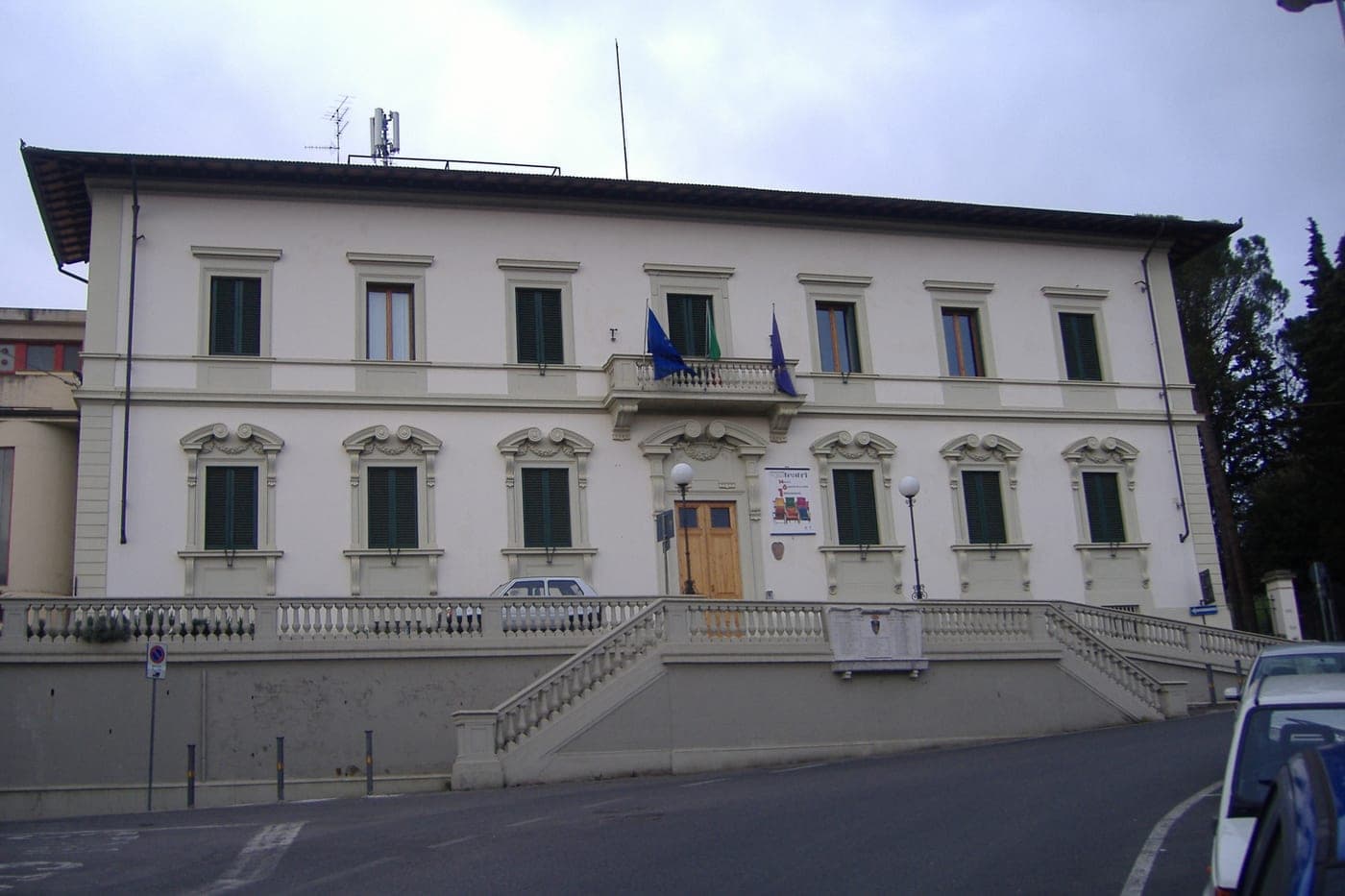
Bagno a Ripoli
Charming town in the Chianti hills near Florence with wine estates and olive groves.
Wine TastingHiking Wine Tasting
Rignano sull'Arno
Town in the Arno valley with Chianti wine estates and olive cultivation.
Wine Tasting
1 region
 Wine Tasting38 destinations
Tuscany
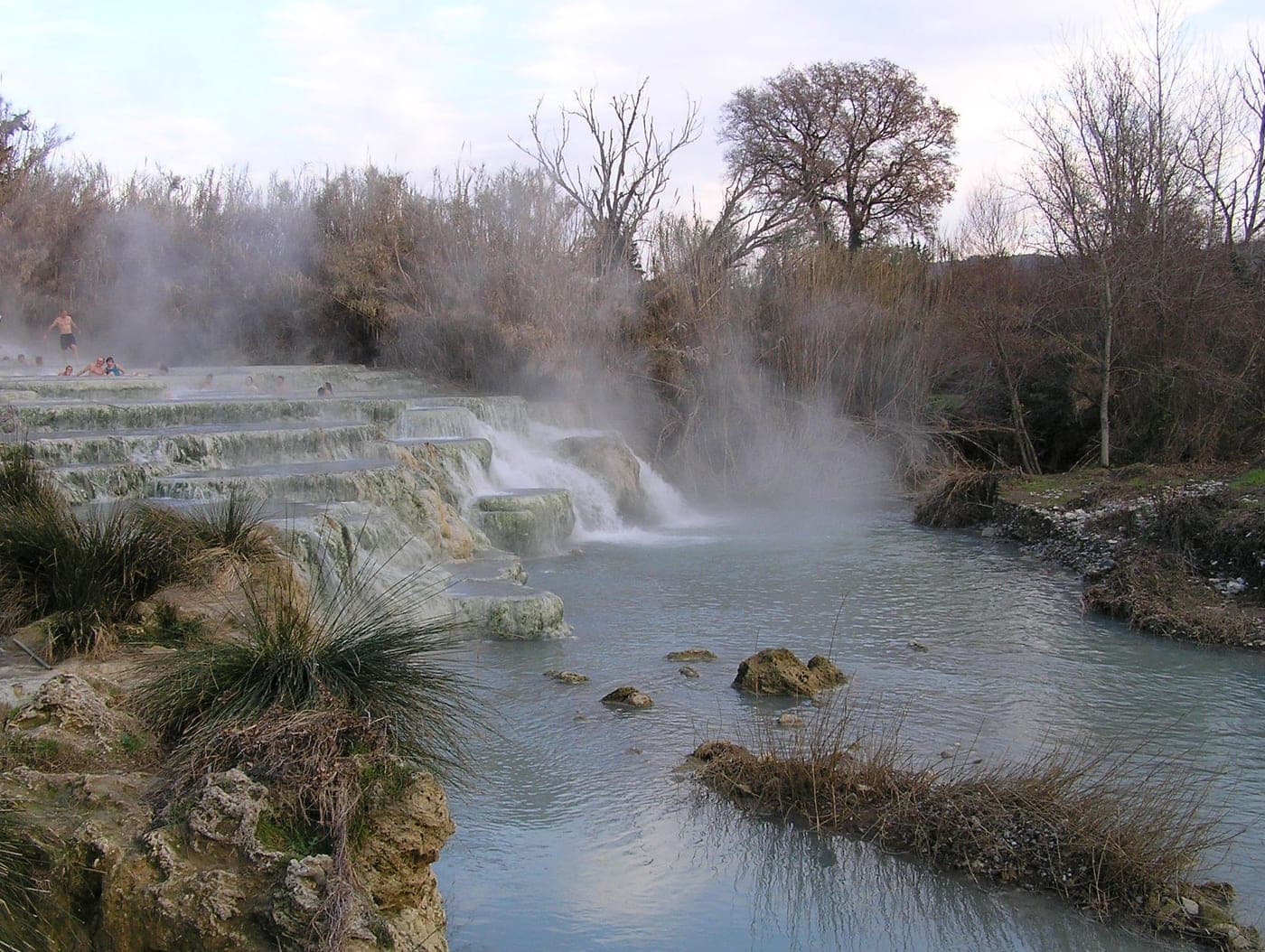
Tuscany, known for its rolling hills and rich history, is the second-largest region in Italy. Florence, its capital, is renowned for Renaissance art and architecture, but also worth exploring are smaller towns like Pienza, famous for pecorino cheese, and San Gimignano, known for its medieval towers. The region boasts diverse landscapes from the Chianti vineyards to the coastal Maremma. Tuscany is also celebrated for its local festivals, such as the Palio di Siena, and its traditional cuisine that emphasizes fresh, local ingredients. This area offers a glimpse into Italy's agrarian past with its rustic farms and olive groves, making it a unique place to slow down and connect with the local culture.
Wine TastingThermal SpasHikingAgritourism





