Prosciutto di Parma
Air-cured ham from Emilia-Romagna, aged for over a year and sliced paper-thin
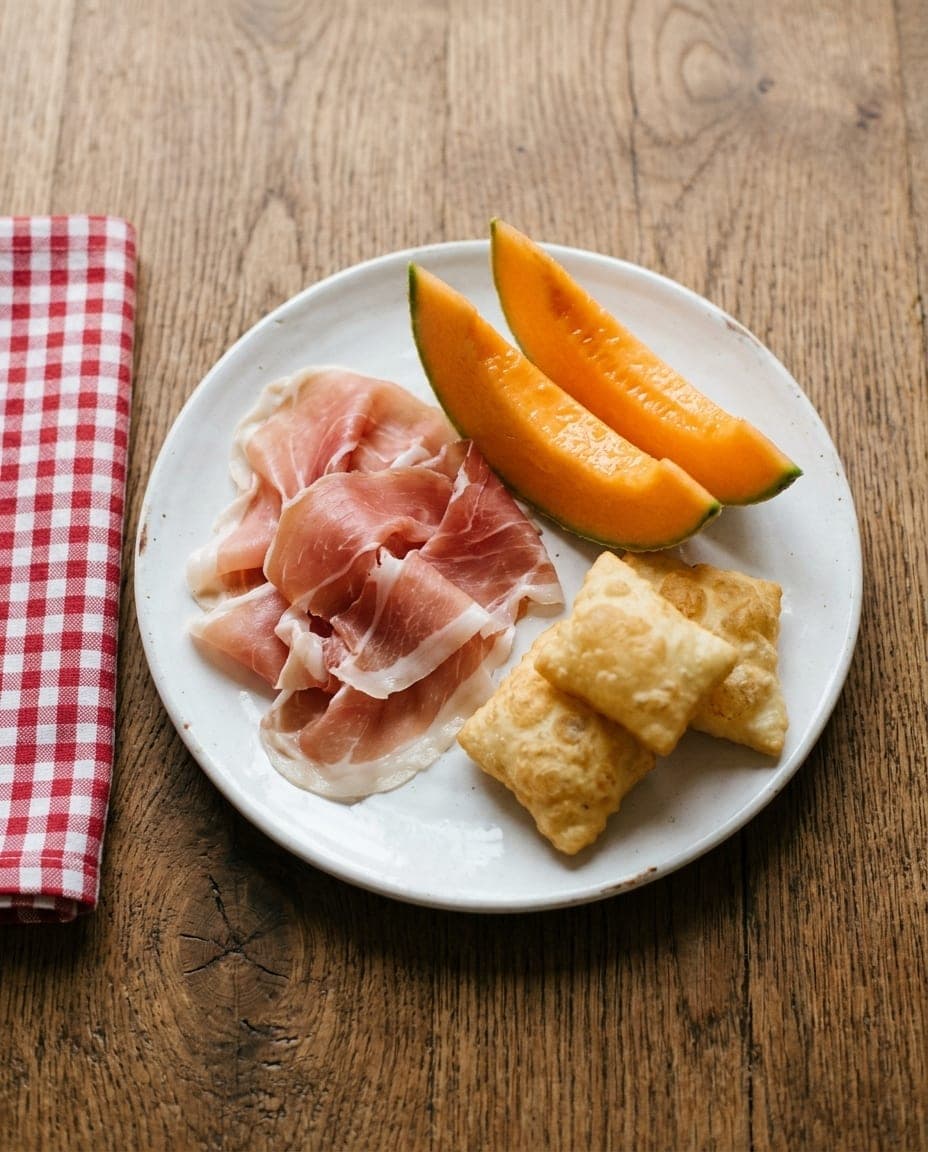
- Local name
- Prosciutto di Parma
- Served with
- Melon, torta fritta, figs
- Best eaten at
- A Parma salumeria
- Pairs with
- Lambrusco or Malvasia
What it is
Prosciutto di Parma is a dry-cured raw ham from the Emilia-Romagna region of northern Italy. It comes from the hills of the province of Parma, south of the Via Emilia and between the Enza and Stirone rivers, where the air is cool and breezy in winter but warms up in summer. Langhirano, in the hills south of the city, is the best-known centre of production.
Unlike many cured meats that are smoked or spiced, this ham is cured with just two ingredients: pork and sea salt. There are no nitrates, no sugar, no spices and no smoke in the cure. The flavour develops slowly over time as air circulates around the meat. Instead of being cooked, it is sliced paper-thin by hand or machine and served raw, often draped over bread or wrapped around a wedge of melon.
The result is a ham with a deep rosy-red colour and a texture that ranges from soft to firm depending on the age of the leg. The taste is sweet and savoury, with a nutty finish that comes from the long ageing. The fat is white and melts quickly on the tongue.
The rules of the appellation
Prosciutto di Parma has been protected under the European Union's Protected Designation of Origin (PDO) scheme since 1996, and the Consorzio del Prosciutto di Parma has looked after it since 1963. Only hams made in the defined area and following the agreed methods can bear the name. The rules cover every stage from the rearing of the pigs to the final ageing.
The pigs must be heavy pigs of traditional breeds such as Large White, Landrace and Duroc, born and raised in eleven regions of northern and central Italy. Their diet is based on cereals and may include whey left over from cheese-making – in this area, traditionally from Parmigiano Reggiano.
The legs are inspected at every stage. Once a ham has completed its ageing and passed the final checks, it is fire-branded with the five-pointed ducal crown of Parma. This mark is the surest sign that the product is genuine and meets all the standards. Applied with a hot iron, it cannot be removed without damaging the ham.
How it is cured
The legs are first chilled, then salted with sea salt: moist salt on the rind and dry salt on the exposed meat. The salt draws out moisture and begins the preservation.
After a few weeks of salting, the legs rest for several weeks in cold rooms, then are washed and dried. They are then hung in airy pre-curing rooms, traditionally with opposing windows that are opened when the weather is dry and breezy, letting in the air of the hills south of Parma. This breeze from the Apennines is often cited as a key factor in drying the ham slowly and evenly.
During the long ageing, which lasts a minimum of fourteen months under the current rules and often extends to eighteen or twenty-four months, the hams are checked regularly. A paste called sugna, made from pork fat with salt and pepper and sometimes rice flour, is spread over the exposed meat. This seal stops the surface drying too quickly. The meat deepens in colour as the months pass. No smoke is used, and although modern plants also rely on climate-controlled rooms, the hill air remains part of the process.
What goes into it
The composition of Prosciutto di Parma is intentionally simple, with no additives or preservatives:
- Pork: Legs from heavy pigs of traditional breeds raised on a cereal-based diet that may include whey.
- Sea salt: Used to draw out moisture and begin the preservation process.
- Time: At least fourteen months of ageing, during which enzymes break down the proteins and develop the flavour.
- Air: The cool, dry air of the hills, which helps the ham dry slowly.
How it is eaten
Prosciutto di Parma is usually eaten raw, sliced paper-thin so that its texture can be fully appreciated. The most traditional way to enjoy it is with a slice of ripe melon, whose sweetness complements the saltiness of the ham. Fresh figs in season offer a similar sweet-salty contrast.
Another classic pairing is torta fritta, squares of fried dough that are light and airy, a textural counterpoint to the dense meat. A slice of rustic bread helps balance the salt and carry the flavour. The ham also appears in local cooked dishes, such as tagliolini with Parma ham and rosa di Parma, a veal roast rolled around ham and Parmigiano Reggiano.
For a drink, the traditional choice is Lambrusco, a sparkling red, or Malvasia dei Colli di Parma, a fresh, aromatic white. Both cut the fat of the ham and cleanse the palate.
Curious facts
- The crown marks the way. The five-pointed ducal crown is fire-branded on every genuine ham. It cannot be removed without damaging the product.
- No smoke, no spice. The cure uses only sea salt; the only pepper is in the sugna that seals the exposed meat.
- The breeze matters. The air from the Apennines is considered essential, and curing-room windows are traditionally opened to let it in.
- A minimum of fourteen months. The current rules require at least fourteen months of ageing, and many legs are left for eighteen months or longer.
- A hill-country museum. Langhirano is home to the Museo del Prosciutto, which traces ham-making from ancient times to today.
Where to try it
The most authentic experience of Prosciutto di Parma is found in a salumeria in Parma or Langhirano. These small shops are dedicated to cured meats and often display whole legs hanging from the ceiling, sliced to order.
Many of the large curing houses are located in the hills around Langhirano. During the Festival del Prosciutto di Parma, usually held in September, some producers open their doors to visitors to show the legs ageing in the cellars. The ham is available year-round in the shops of Parma and the wider Emilia-Romagna region, and a simple plate of ham with melon and a glass of Lambrusco offers a taste of the local tradition.
Where to try it
1 destination
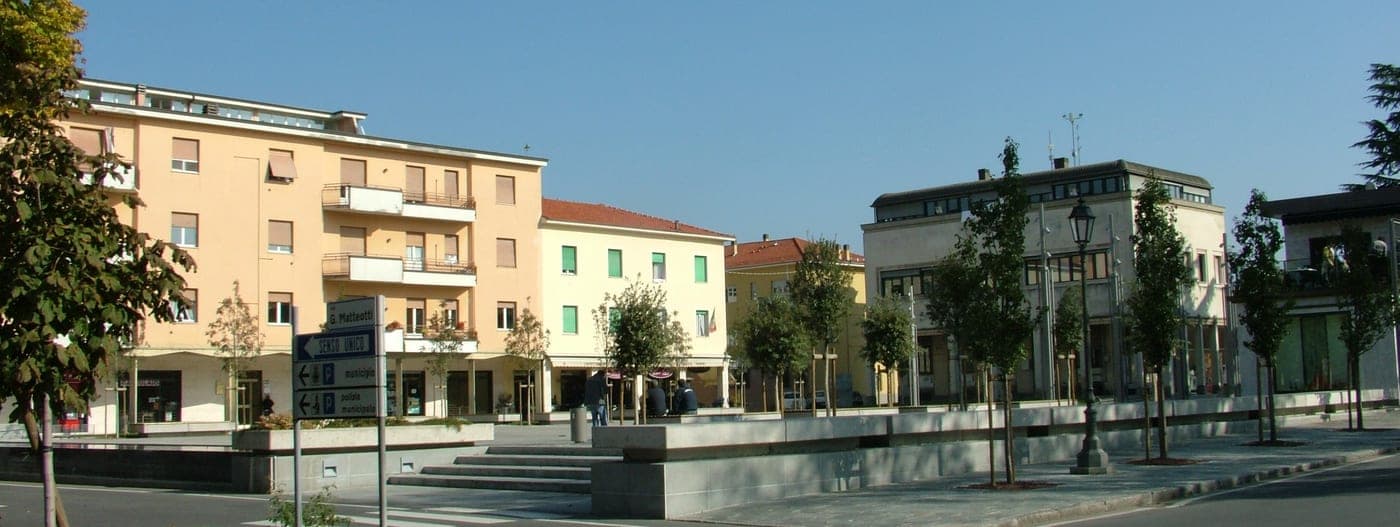 Wine Tasting
Collecchio
Town near Parma with Colli di Parma wine production and prosciutto heritage.
Wine TastingHiking
1 region
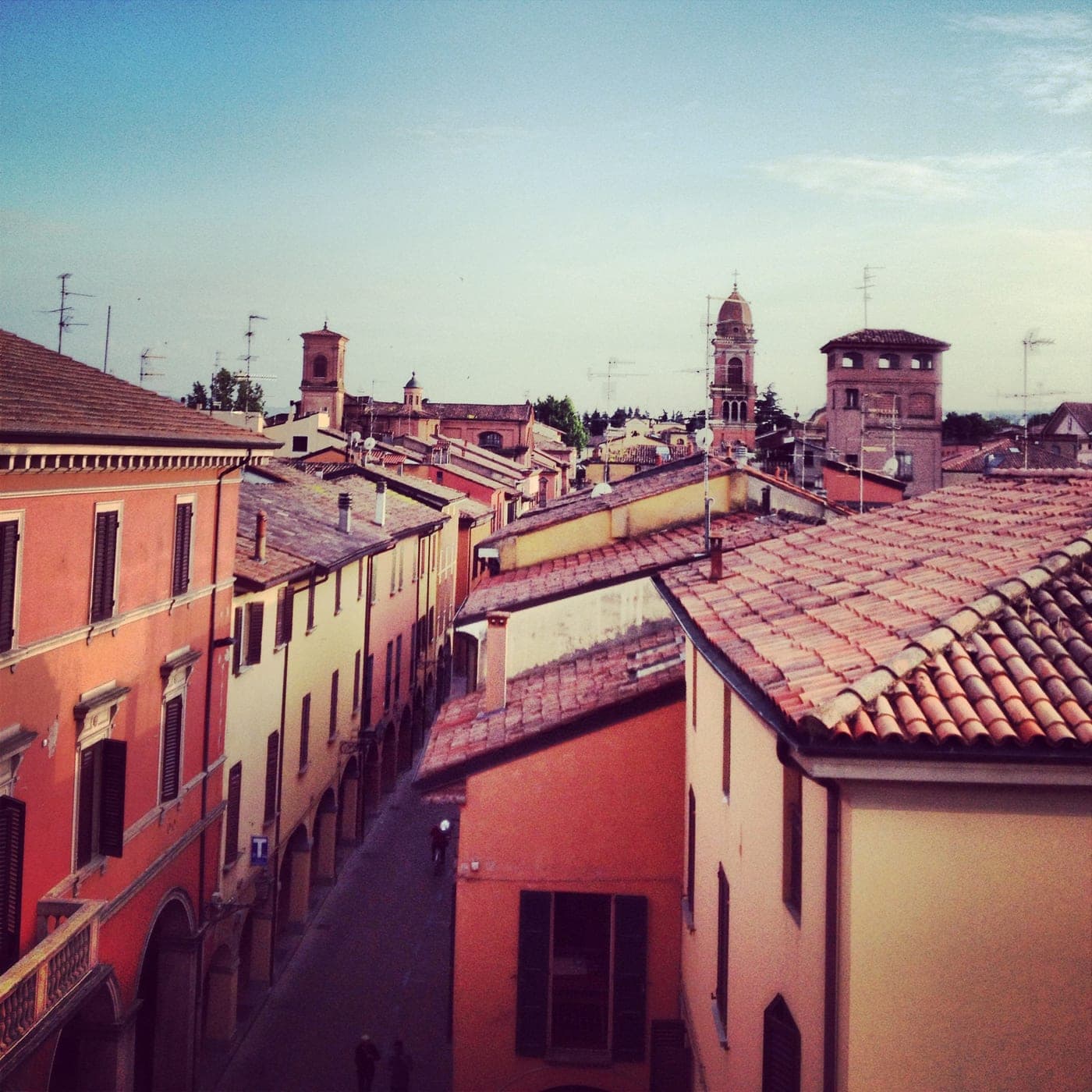 Wine Tasting9 destinations
Emilia-Romagna
This region in Italy is renowned for its diverse landscapes, ranging from the Apennine Mountains to the Adriatic coastline. It is the only Italian region with a significant stretch of coastline, featuring vibrant seaside towns like Rimini. Bologna, the capital, is famous for its medieval architecture and culinary heritage, being the birthplace of tagliatelle al ragù. The region is also known for its rich history, with towns like Modena showcasing UNESCO-listed sites such as its cathedral and the renowned balsamic vinegar. Slow travelers can explore hidden gems like the medieval village of Dozza, known for its painted walls, or the thermal baths in Salsomaggiore Terme. Emilia-Romagna is the largest region in northern Italy, offering a blend of art, culture, and gastronomy that invites deeper exploration.
Wine TastingHikingCamper Van RentalsLocal Cuisine





