Pizza napoletana
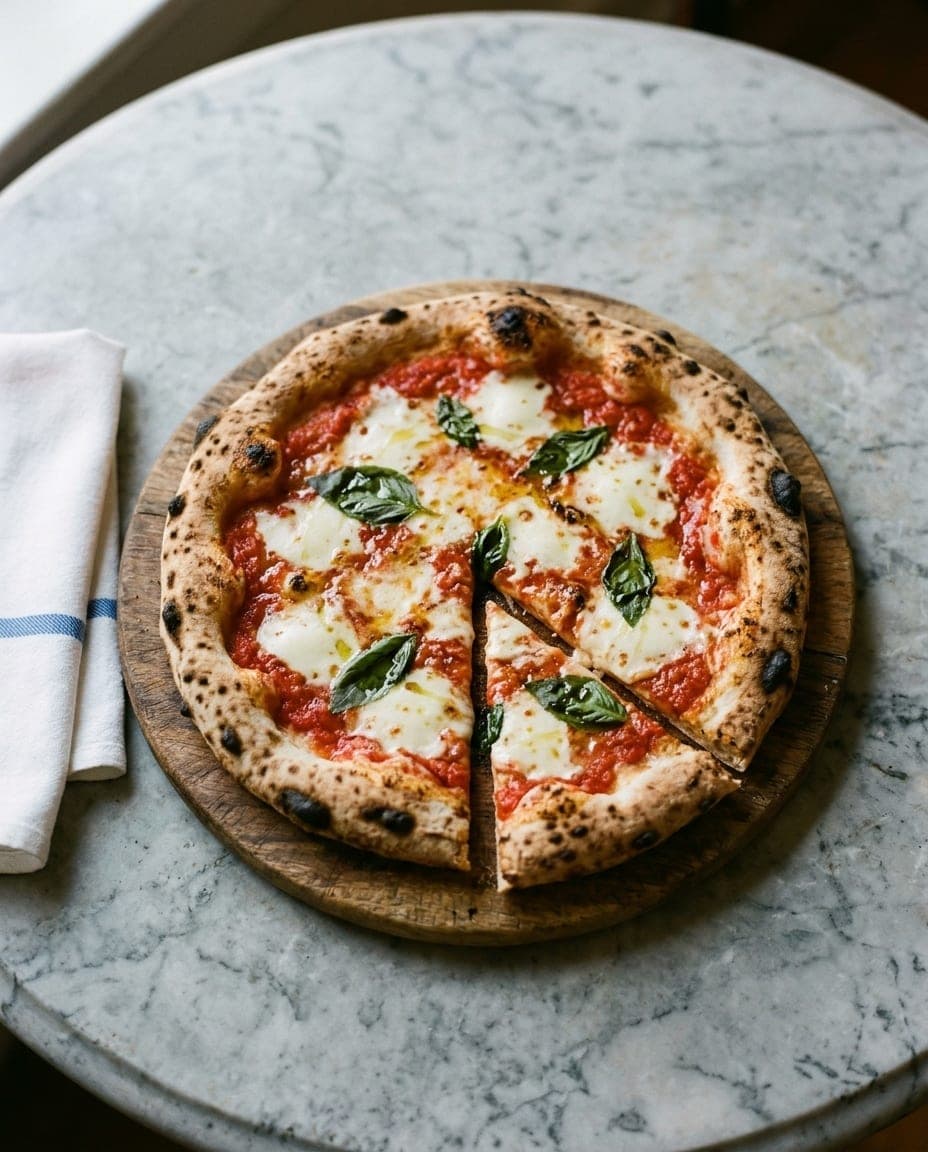
Soft, blistered wood-fired pizza from Naples with a puffed rim
- Local name
- Pizza napoletana
- Best eaten at
- A Naples pizzeria
- Pairs with
- Beer or Gragnano red
What it is
Pizza napoletana is the soft, blistered pizza born in Naples, the capital of Campania. It is a flat, round disc of dough with a raised, puffed rim known as the cornicione, topped sparingly and baked for just 60 to 90 seconds in a wood-fired oven at around 485°C. The result is a crust that remains soft and foldable rather than crisp all the way through, spotted with dark char marks from the intense heat.
This is not a generic Italian standard but a speciality tied specifically to Naples. While pizzas appear in many forms across Italy, the Neapolitan style follows strict rules on its shape, ingredients and cooking method. The dough itself plays a leading role, rising into a soft, airy structure that holds the toppings without becoming soggy or dry.
The story of the flag colours
The most famous tale surrounding this pizza concerns the creation of the Margherita in 1889. According to local legend, the pizzaiuolo Raffaele Esposito prepared three pizzas for Queen Margherita of Savoy during her visit to Naples, and the one topped with tomato, mozzarella and basil – the red, white and green of the Italian flag – was named in her honour.
The documentary evidence for this event is contested by historians. Pizzas topped with tomato, cheese and basil appear to have existed before the royal visit, and the Queen may simply have enjoyed an existing dish that was later linked to her name. Whether or not Esposito cooked it for royalty, the story has become a central part of the Naples narrative. The Margherita remains one of the two canonical versions recognised by the Associazione Verace Pizza Napoletana and by the European Union.
How the rules define it
The authenticity of a Neapolitan pizza is governed by standards set by the Associazione Verace Pizza Napoletana, founded in 1984, and formalised in 2010 when "Pizza Napoletana" was registered as an EU Traditional Speciality Guaranteed (TSG). The dough is made from soft wheat flour, typically type 00, water, salt and yeast, and is shaped by hand rather than rolled with a pin, to preserve the air pockets in the rim. The oven is wood-fired, so the pizza cooks in a minute and a half at most.
Two versions stand out as the official standards. The marinara is topped with tomato, garlic, oregano and extra virgin olive oil, with no cheese at all. The margherita adds mozzarella – either buffalo mozzarella (Mozzarella di Bufala Campana) or cow's-milk mozzarella – and fresh basil. Both rely on the quality of the ingredients rather than quantity, so the dough remains the star of the plate.
Where it comes from
The roots of the dish lie in the working-class districts of Naples, where flatbreads with simple toppings made a cheap, filling meal sold on the street. The fertile volcanic soils around the city supplied tomatoes and other produce; the San Marzano tomato, grown on the plains near Mount Vesuvius, is prized for its low acidity and sweet flavour, making it a natural partner for the oil and garlic of the marinara.
The tradition spread from the streets of Naples to become a symbol of the city itself. Today the art of the Neapolitan pizzaiuolo is recognised by UNESCO as intangible cultural heritage, acknowledging the skill required to stretch, top and bake the pizza in seconds without burning it.
What goes into it
The ingredients are few but exacting:
- Dough: Soft wheat flour (type 00), water, salt and a small amount of yeast, kneaded until elastic and left to rise slowly.
- Tomatoes: Peeled plum tomatoes such as San Marzano, crushed by hand or passed through a mill.
- Cheese: Mozzarella di Bufala Campana, made from the milk of water buffalo raised mainly in Campania, or cow's-milk mozzarella (fior di latte), cut into pieces and drained well.
- Herbs and oil: Fresh basil leaves, extra virgin olive oil for richness, and dried oregano for the marinara.
- Garlic: Sliced cloves used in the marinara to perfume the oil without overpowering the tomato.
The cheese is never finely shredded; it is torn or cut into pieces so it melts into pools of creaminess rather than a uniform layer. The tomatoes are not cooked down beforehand but spread raw on the dough, softening and concentrating in the brief time in the oven.
How it is eaten
In a sit-down pizzeria in Naples, each diner gets a whole pizza on the plate, and many eat it with knife and fork. On the street, it is common to fold the pizza in four, a shape known as a portafoglio or "wallet style", which keeps the toppings inside while the soft crust holds together. This makes it easy to eat standing up or walking through the city centre.
The experience begins with the aroma of wood smoke and baking dough. The first bite reveals a contrast between the charred, slightly bitter spots on the rim and the soft, airy interior. The tomato should taste bright and fresh, not heavy or cooked down. On a Margherita, the basil wilts slightly from the heat but keeps its colour and scent.
A glass of beer or of Gragnano red is the usual companion. The acidity of the tomato and the fat of the cheese pair well with a crisp lager or with the fruity, lightly sparkling red from Gragnano, a town on the Sorrento peninsula also known for its pasta.
Curious facts
- The oven matters. The wood-fired oven provides the intense heat needed to cook the pizza in about 90 seconds, creating the characteristic leopard-spot char on the crust.
- No rolling pin allowed. Neapolitan pizza is stretched by hand to keep the air bubbles in the rim; using a rolling pin breaks with the traditional method.
- Drained cheese. Mozzarella is drained before use so that the short bake does not leave the centre too wet.
- A UNESCO title. The art of the Neapolitan pizzaiuolo was added to UNESCO's list of intangible cultural heritage in 2017.
- Two official versions. The EU specification covers the marinara and the margherita; combinations such as "quattro formaggi" are popular variations outside it.
Where to try it
The best place to eat pizza napoletana is a traditional pizzeria in Naples itself, where the rules are still closely observed, from the historic centre to the residential neighbourhoods. In a proper Neapolitan pizzeria, diners can watch the pizzaiuolo work quickly, stretching the dough and sliding it into the fire in front of them.
Where to try it
1 destination
 Wine Tasting
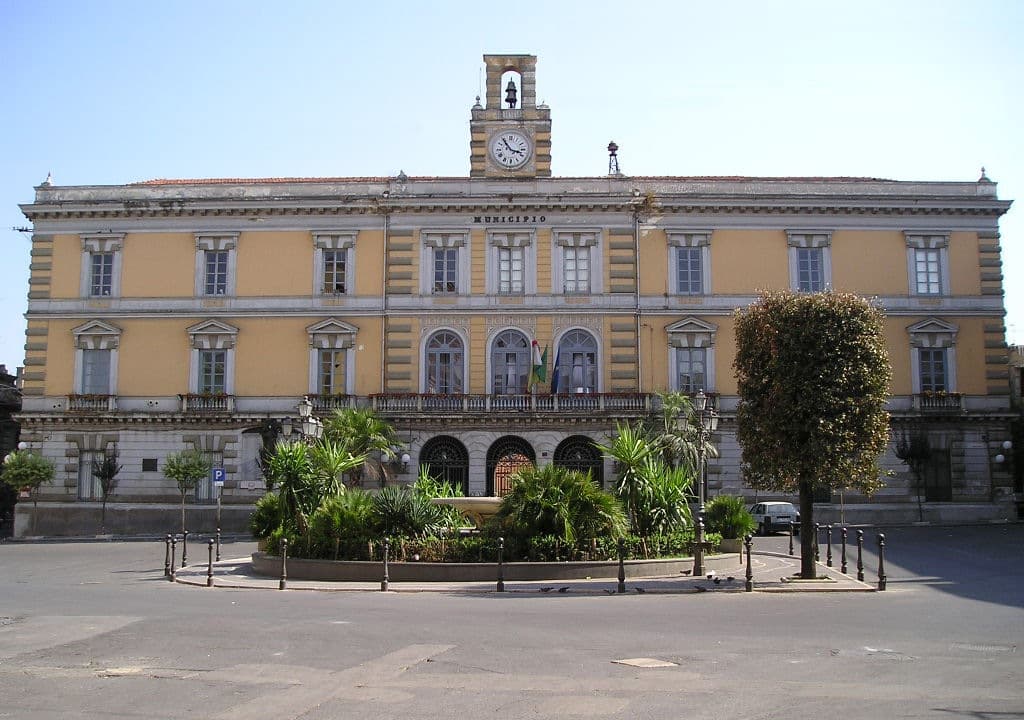
Afragola
Town near Naples with access to Vesuvius wine region and local wineries.
Wine Tasting
1 region
- Wine Tasting3 destinations
Campania
Campania, a coastal region in southern Italy, is renowned for its rich history and diverse landscapes. It is home to Naples, the largest city, famous for its historic center, a UNESCO World Heritage site. The region boasts the stunning Amalfi Coast, characterized by picturesque cliffs and traditional fishing villages. Historic sites like Pompeii and Herculaneum provide a glimpse into ancient Roman life, while the islands of Capri and Ischia offer natural beauty and thermal springs. Campania is also known for its culinary treasures, including authentic Neapolitan pizza and local wines such as Aglianico. Explore lesser-known towns like Caserta, with its grand Royal Palace, or the charming village of Ravello, known for its gardens and music festival. This region blends cultural heritage with breathtaking scenery, making it a unique destination for those who wish to travel at a leisurely pace.
Wine TastingHiking





