Pecorino di Pienza
Pecorino di Pienza, a Val d'Orcia sheep's cheese aged in ash or leaves
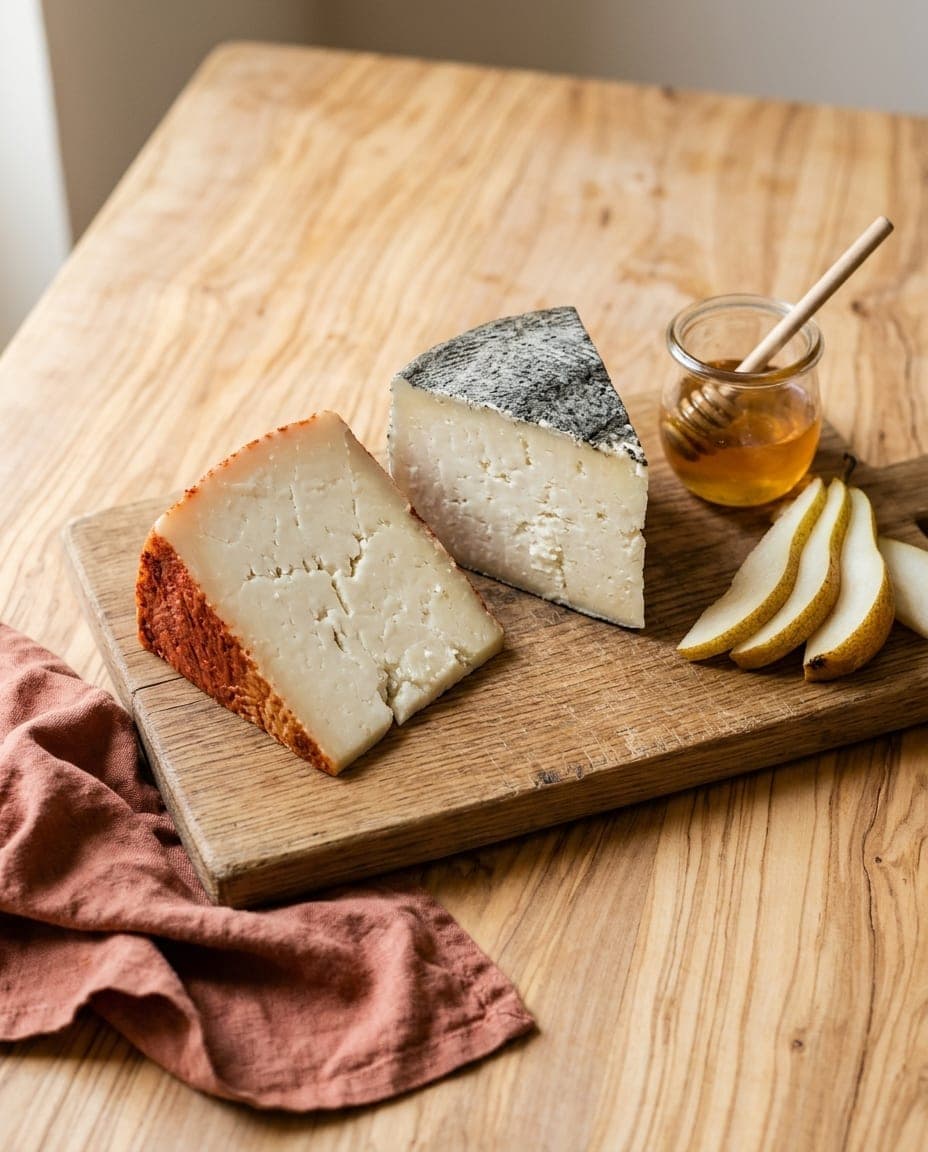
- Local name
- Pecorino di Pienza
- Served with
- Honey, pears, fresh fava beans
- Best eaten at
- Pienza cheese shops
- Pairs with
- Rosso di Montepulciano
What it is
Pecorino di Pienza is a sheep's milk cheese produced in the Val d'Orcia, the rolling valley that defines the landscape of southern Tuscany around the town of Pienza. It is one of the best-known Tuscan pecorini, yet it carries a distinct identity compared to its more famous relative from Rome. Where the Roman variety is sharp, salty and hard, the cheese from Pienza tends towards milder, sweeter notes.
The cheese is not a single product but a family of textures defined by age. It begins as fresco, a young cheese of no more than a few weeks. At this stage it is soft, creamy and pale white, with a delicate sweetness. As it rests, it becomes semi-stagionato, developing a firmer texture and a more pronounced savoury flavour. Finally, the stagionato version matures for several months until it turns hard and nutty, suitable for grating over pasta or breaking into chunks for a cheese board.
What sets these cheeses apart is their rind. The surface of a Pecorino di Pienza is often treated: rubbed with tomato paste or olive oil, which colours it in shades of red or gold. Some wheels are matured between walnut leaves, in ash, or between layers of straw and hay, which imparts a subtle earthy note to the final product.
The valley and the sheep
The character of the cheese is inseparable from the land of the Val d'Orcia. This UNESCO World Heritage landscape is defined by its gentle, undulating hills, cypress-lined roads and golden fields that shift colour with the seasons. The clay soils support open pasture where sheep graze for much of the year.
Sheep farming here owes much to Sardinian shepherds who settled in southern Tuscany from the 1960s onwards and helped revive sheep's milk cheesemaking in the area. Flocks around Pienza itself are limited in number, so much of the cheese sold under the name draws on milk from the wider surrounding area.
Pienza itself is a unique destination within this valley. In the mid-15th century Pope Pius II, born in the village of Corsignano, had it rebuilt as a planned Renaissance town and renamed it after himself. The town sits at the heart of the production area, and its reputation for cheese grew alongside its architectural fame.
How it changes with age
The experience of eating Pecorino di Pienza varies significantly with its maturity. The fresco version is the most accessible entry point for those new to sheep's cheeses. It has a high moisture content and a soft, almost yielding texture. The flavour is mild, milky and slightly sweet, without the sharp saltiness found in other pecorini.
The semi-stagionato offers a bridge between the soft young cheese and the hard aged variety. The texture becomes firmer, while the flavour deepens. Notes of toasted nuts and dried grass emerge. This stage is versatile, suitable for slicing onto a platter or warming gently on a griddle.
The stagionato version transforms the cheese entirely. After months of maturation in cool cellars, the moisture evaporates, leaving a dense, crumbly texture that can be grated like Parmigiano Reggiano. The flavour becomes intense and complex, with strong nutty and earthy notes.
Curious facts about the rind and methods
- The coloured rind. The red, gold or black surface comes from rubbing the cheese with tomato paste or olive oil, or from ageing it in ash. The tomato-rubbed semi-aged cheese is a familiar sight in Pienza's shops.
- Leaf- and hay-matured versions. Some cheeses are aged in barrels with walnut leaves between the wheels, or between layers of straw and hay, which adds vegetal, earthy notes.
- No single rulebook. Each producer follows its own methods and ageing times, so the cheese varies noticeably from one dairy to the next.
How to eat it
Serving depends on age, but some combinations are popular in the region. Young cheese is often served with local honey, fresh pears or raw broad beans. The sweetness of the honey and the fruit complements its mild, milky notes, making a simple yet elegant starter. Fresh fava beans, eaten raw from the pod in spring, are a popular spring partner for young pecorino.
As the cheese matures into the semi-stagionato stage, it is frequently served in larger slices on a wooden board alongside cured meats or olives. When it reaches the stagionato phase, it is often grated over pasta, including the local hand-rolled pici, or broken into chunks to be eaten with bread and a glass of red wine.
A natural pairing for the aged versions is Rosso di Montepulciano, a red wine from the neighbouring hill town. The tannins in the wine cut the fat of the mature cheese, while its fruit echoes the nutty flavours of the pecorino.
Where to try it
The most authentic experience of Pecorino di Pienza is found in the town of Pienza itself, particularly in the small cheese shops that line the streets near the central square. Many sell cheese from the surrounding farms, with fresh fresco wheels alongside older ones matured for months.
In the countryside of the Val d'Orcia and the nearby Crete Senesi there are also farms where visitors can see the sheep grazing on the clay hills. Some offer tastings of the different ages and rinds.
Where it fits on a menu
In Tuscan restaurants, Pecorino di Pienza rarely appears in a complex dish. It is presented as a standalone course: young cheese with honey and pear as an appetiser, aged cheese with bread and a glass of sweet wine or Rosso di Montepulciano at the end of the meal. Grated over simple pasta, its nutty flavour adds depth without overpowering the other ingredients, reflecting the broader philosophy of Tuscan cooking, where the quality of a single ingredient can define the entire meal.
Where to try it
1 destination
 Wine Tasting
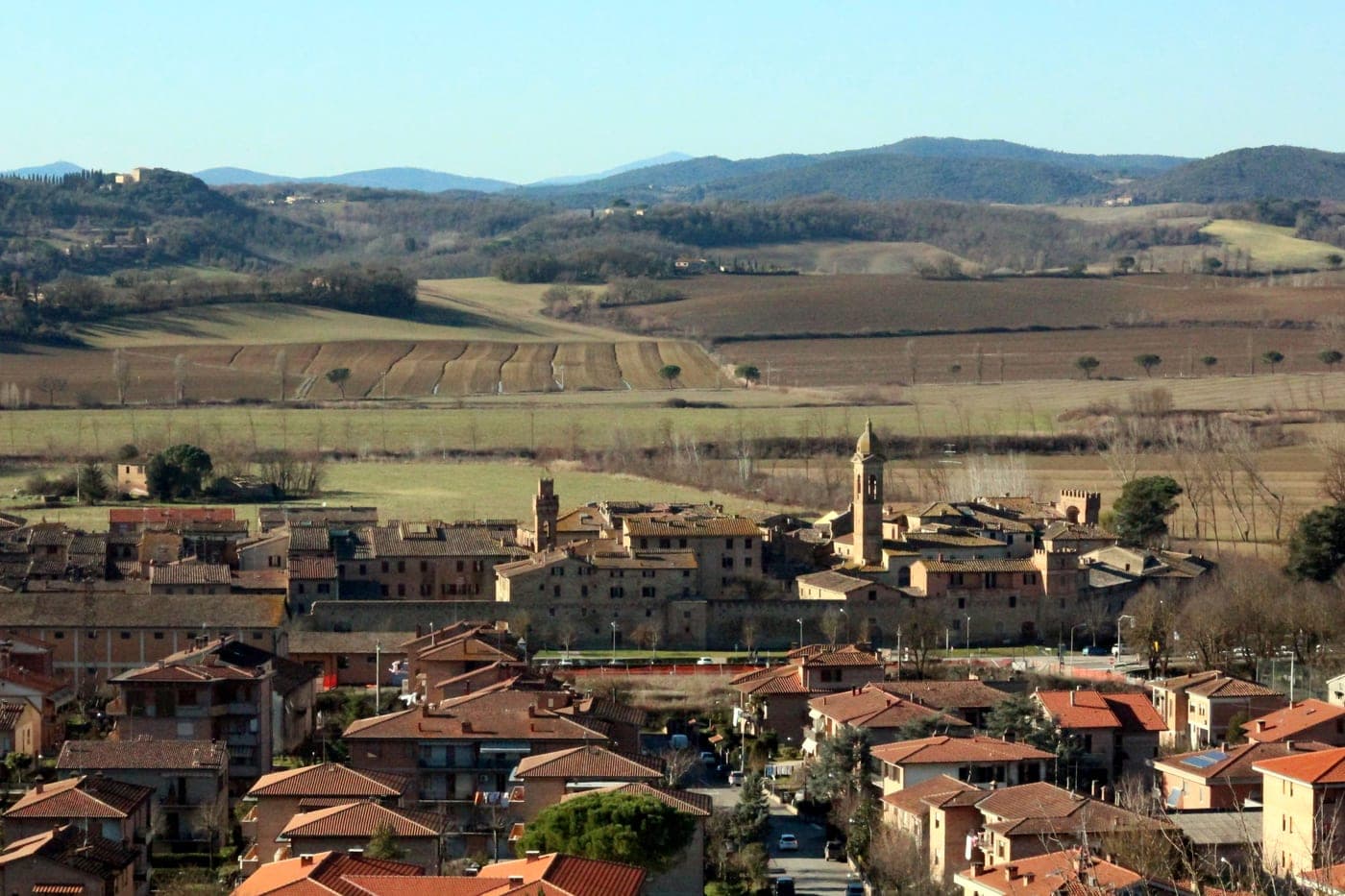
Buonconvento
Buonconvento is a perfectly preserved medieval walled town in the Val d'Orcia.
Wine TastingHiking
1 region
 Wine Tasting38 destinations
Tuscany
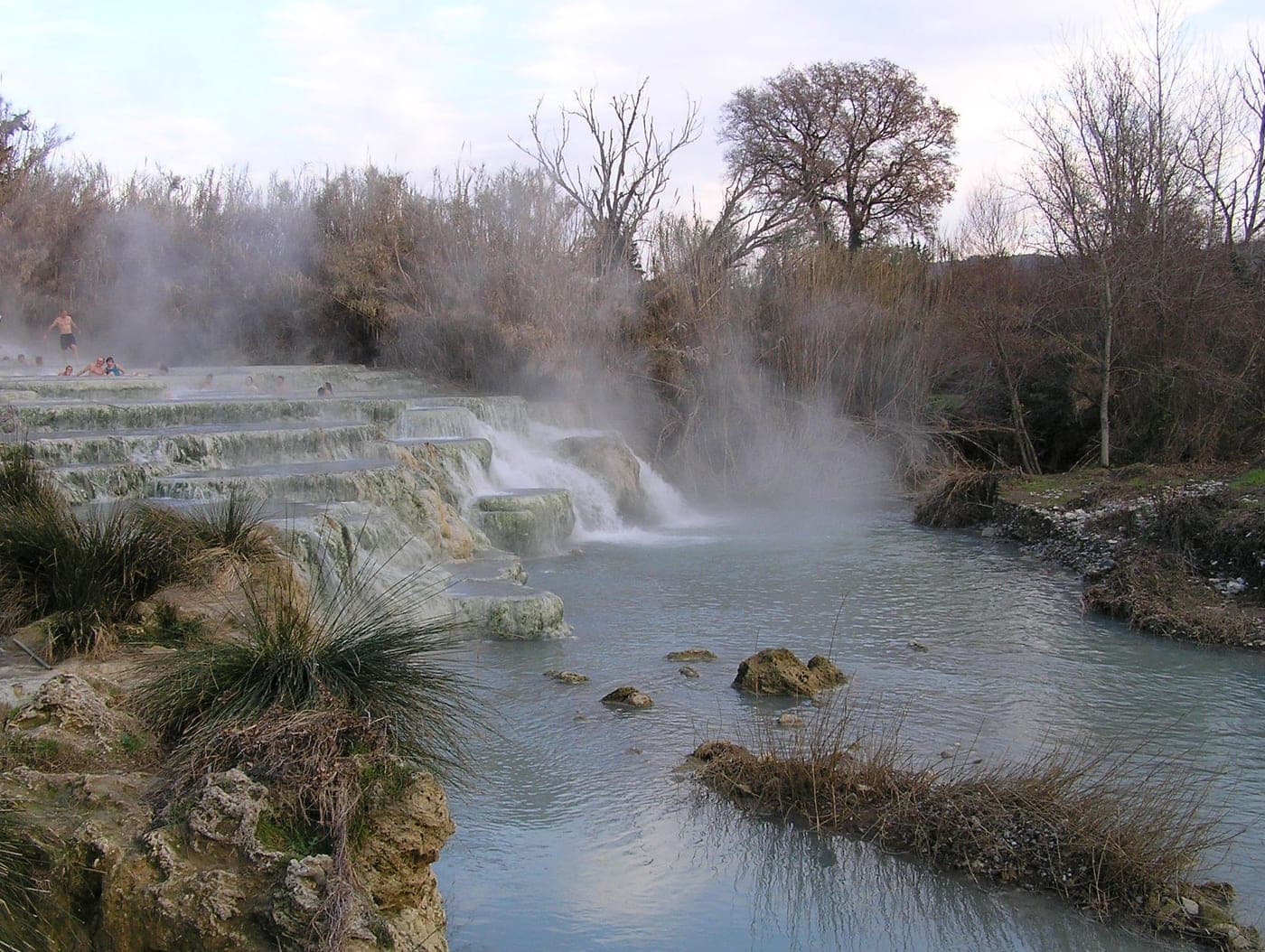
Tuscany, known for its rolling hills and rich history, is the second-largest region in Italy. Florence, its capital, is renowned for Renaissance art and architecture, but also worth exploring are smaller towns like Pienza, famous for pecorino cheese, and San Gimignano, known for its medieval towers. The region boasts diverse landscapes from the Chianti vineyards to the coastal Maremma. Tuscany is also celebrated for its local festivals, such as the Palio di Siena, and its traditional cuisine that emphasizes fresh, local ingredients. This area offers a glimpse into Italy's agrarian past with its rustic farms and olive groves, making it a unique place to slow down and connect with the local culture.
Wine TastingThermal SpasHikingAgritourism





