Pasticciotto leccese
Warm custard pastry from Lecce, traditionally made with lard and eaten at breakfast
- Local name
- Pasticciotto leccese
- Best eaten at
- A Lecce bar, for breakfast
- Pairs with
- Caffè in ghiaccio (Lecce iced coffee)
What it is
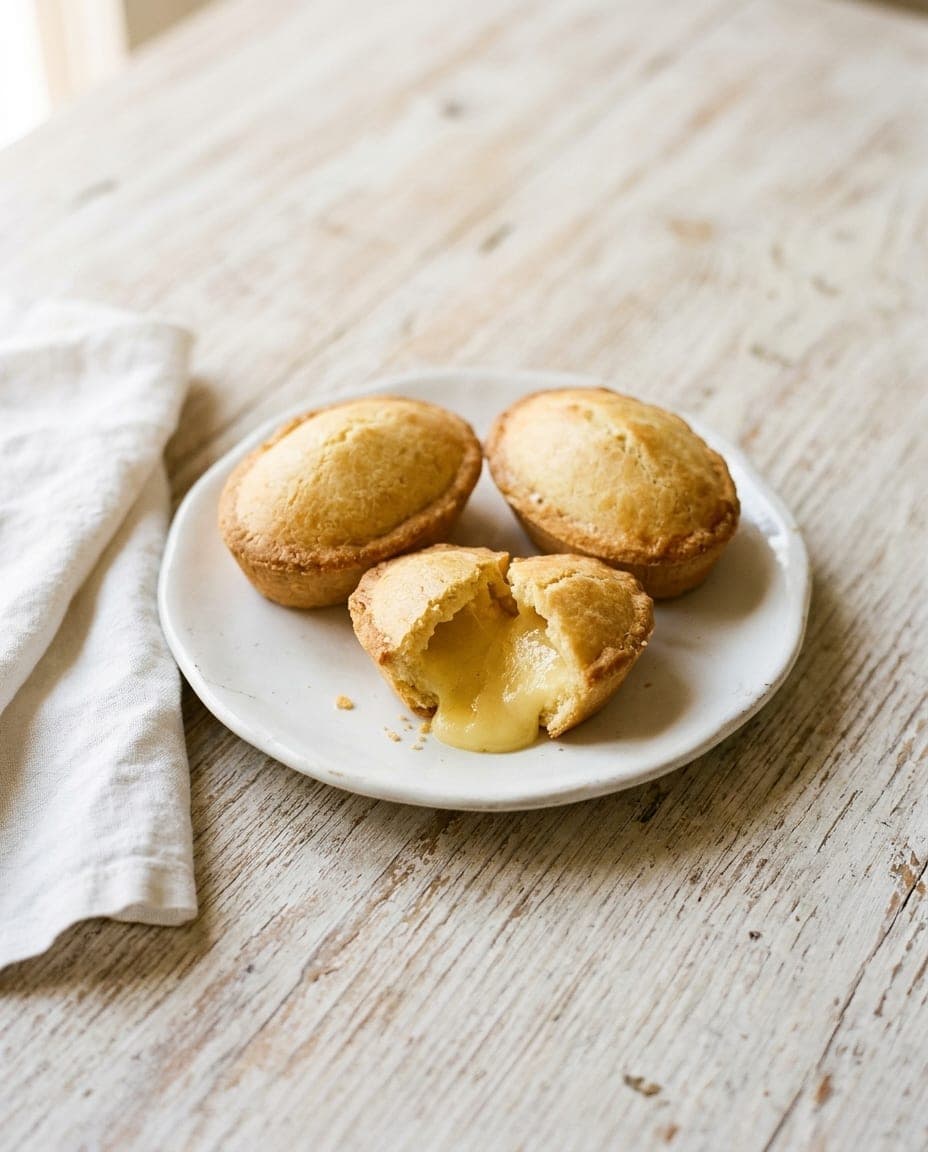
The pasticciotto leccese is a small, oval-shaped pastry that forms the heart of Lecce's morning routine. It consists of a shortcrust shell, baked until it is sandy and crumbly rather than flaky, encasing a generous filling of thick custard known as crema pasticciera. The shell is traditionally made with lard, which gives the pastry its distinctive texture: it breaks apart easily under the teeth, unlike puff pastry. Many bakeries today use butter instead.
The pastry is specific to the city of Lecce and the wider Salento area in southern Puglia. It is not a nationwide treat found on every corner from Milan to Naples; rather, it is a local signature that defines the culinary identity of the province. In Lecce, the pasticciotto is rarely eaten as a dessert after a meal. Instead, it is a breakfast item, often bought at a bar and eaten standing at the counter, usually with a strong coffee.
The warmth of the pastry is essential to its character. Fresh from the oven, the custard remains soft and warm, creating a contrast between the crisp shell and the creamy centre, and the texture changes noticeably once the pastry cools.
The origin story of Andrea Ascalone
The best-known story places the pastry's birth in Galatina, a town about 25 kilometres south of Lecce. According to local tradition, in 1745 a pastry cook named Andrea Ascalone, short of ingredients, baked leftover shortcrust and custard in a small mould. The result looked like a pasticcio, a mess, but tasted so good that the name stuck.
This narrative has become part of the region's collective memory, and a pastry shop bearing the Ascalone name still operates in Galatina, which claims to be the birthplace of the treat. The date should be treated as legend rather than history: research suggests the Ascalone family was not recorded in Galatina before 1787. Still, the combination of lard-based shortcrust, the oval shape and the custard filling is firmly rooted in Salento.
The use of lard in the pastry was likely a practical choice, as it was cheaper than butter and produced a very short, crumbly texture that held up well against the wet custard. Over time, the recipe spread across Salento, eventually becoming the standard breakfast offering in Lecce.
What goes into it
The shell is made from flour, lard (or butter), sugar, eggs, and a little lemon zest or vanilla to scent the dough. The top is brushed with egg before baking, which gives it a glossy, golden finish.
The filling is the soul of the dish. It is a thick crema pasticciera, cooked with milk, egg yolks, sugar and flour or starch, and usually flavoured with lemon zest. The custard must be dense enough to hold its shape when the pastry is bitten into, yet soft enough to flow slightly when warm.
While the plain custard version is the most common, there are other variations. A popular one adds black cherries (amarene) to the custard, offering a tart contrast to the sweet shell. Newer versions use chocolate, pistachio or other creams. A close cousin is the fruttone, a similar shortcrust pastry filled with almond paste and jam and topped with dark chocolate.
How it is eaten
The pasticciotto leccese is designed for the morning. It is typically eaten for breakfast, often alongside an espresso or a caffè in ghiaccio, coffee poured over ice and popular in the region during warmer months, sometimes sweetened with almond milk. The combination of the warm pastry and the cold coffee is a local ritual.
In Lecce, this ritual involves a visit to a local bar. These are not just places to buy coffee but social hubs where people gather for their morning treat. Customers often ask for a pasticciotto fresh from the oven, waiting briefly if necessary for the next batch. The pastry is usually served on a small paper tray and eaten by hand, and the crumbly shell means that some crumbs are part of the experience.
Where to find it
In Lecce, the pastry is a staple of every bar and pastry shop on the morning menu, often displayed in glass cases where customers can see the golden shells before ordering. While the pasticciotto is found throughout Salento, and in Galatina in particular, the version served in Lecce is often considered the benchmark.
The experience is simple: a busy morning spot, a warm pasticciotto and a coffee, and the contrast of temperatures and textures. There is no need for a formal setting; the pastry is meant to be eaten on the go or standing at the counter, fitting seamlessly into the rhythm of daily life in Lecce.
Curious facts
- The lard makes the difference. Unlike many European pastries that use butter, the traditional shortcrust relies on lard to achieve its sandy, crumbly texture.
- A breakfast staple. The pastry is rarely eaten as a dessert in Lecce; it is a morning ritual, often paired with iced coffee or espresso.
- Cherry variation. Beyond the classic custard, a version with black cherries is common across Salento.
- A legendary date. Tradition credits Andrea Ascalone of Galatina with inventing it in 1745, though the date is disputed.
- Warmth is essential. Locals often insist on eating the pasticciotto fresh from the oven, while the custard is still soft and the shell crumbly.
Where to try it
2 destinations

 Wine Tasting
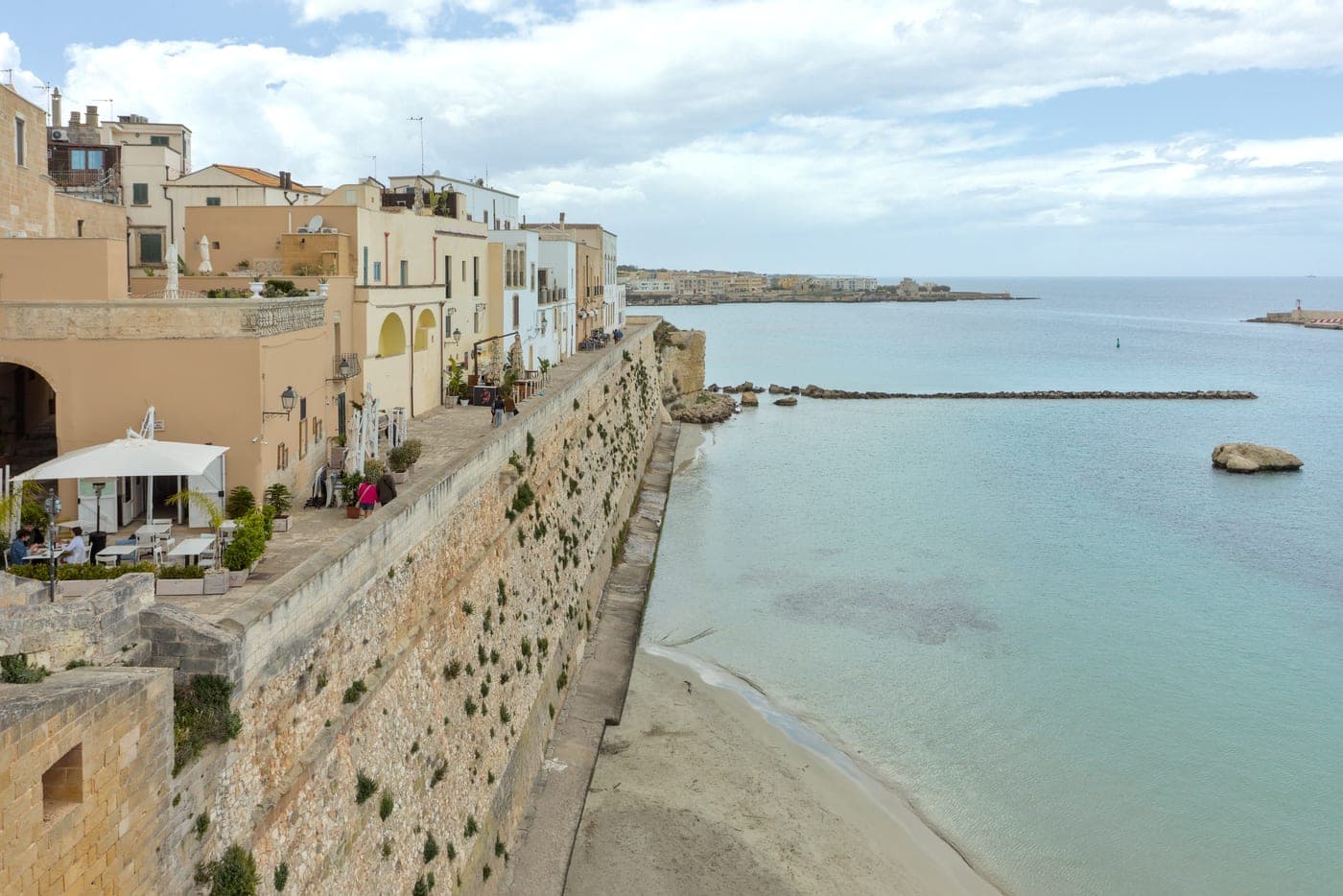
Otranto
Coastal town in Salento with wine estates and Byzantine cathedral.
Wine TastingHiking
1 region
 Boat Rentals20 destinations
Puglia
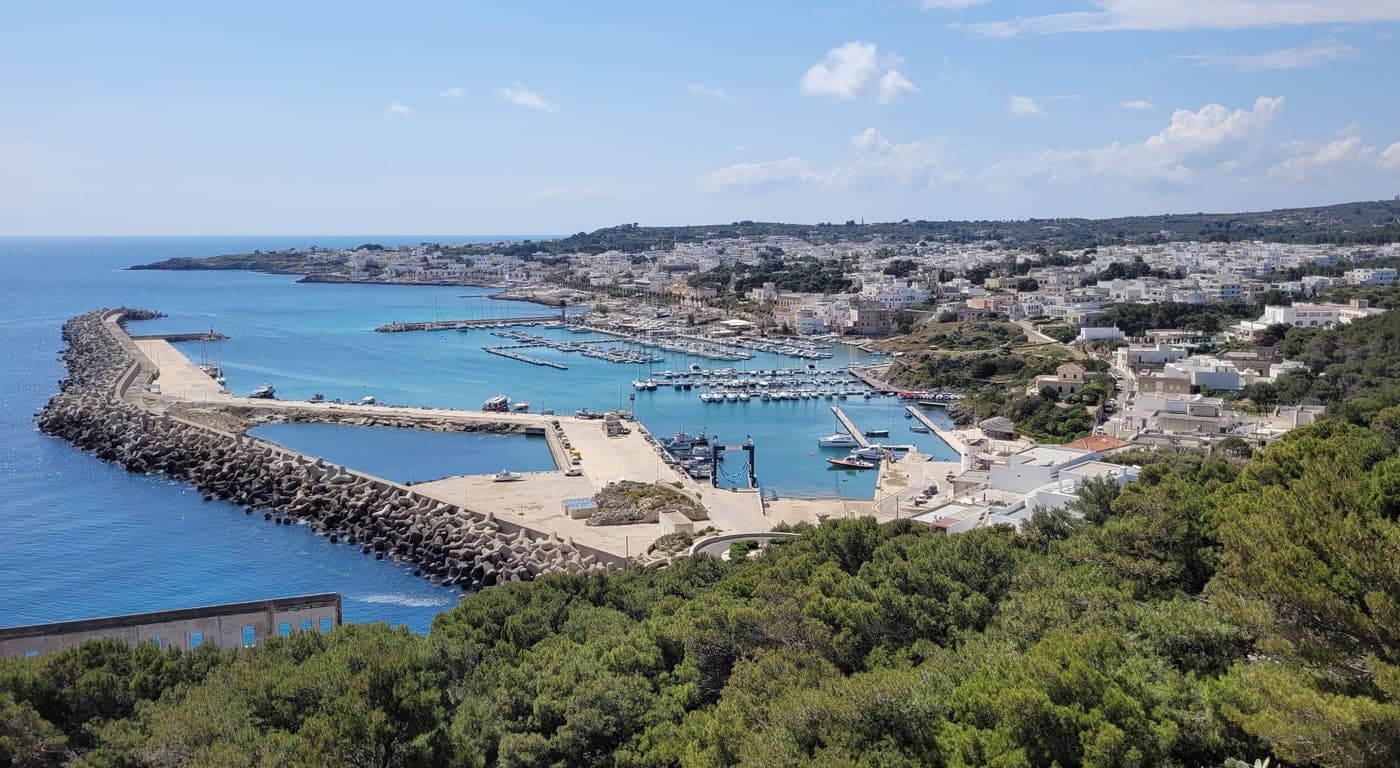
Apulia, the heel of Italy, is known for its unique trulli houses, especially in Alberobello, a UNESCO World Heritage site. The region features beautiful coastlines along the Adriatic and Ionian Seas, with picturesque towns like Polignano a Mare and Otranto offering stunning sea views and fresh seafood. Notably, Apulia is the largest wine-producing region in Italy, famous for robust Primitivo and fruity Negroamaro wines. History aficionados can explore ancient sites like the Romanesque cathedral in Bari and the medieval castles of Castel del Monte. With its rich culinary traditions, highlighted by orecchiette pasta and olive oil, Apulia offers a deep dive into Italy's cultural heritage.
Boat RentalsWine TastingHikingAgritourism





