Pansoti in salsa di noci
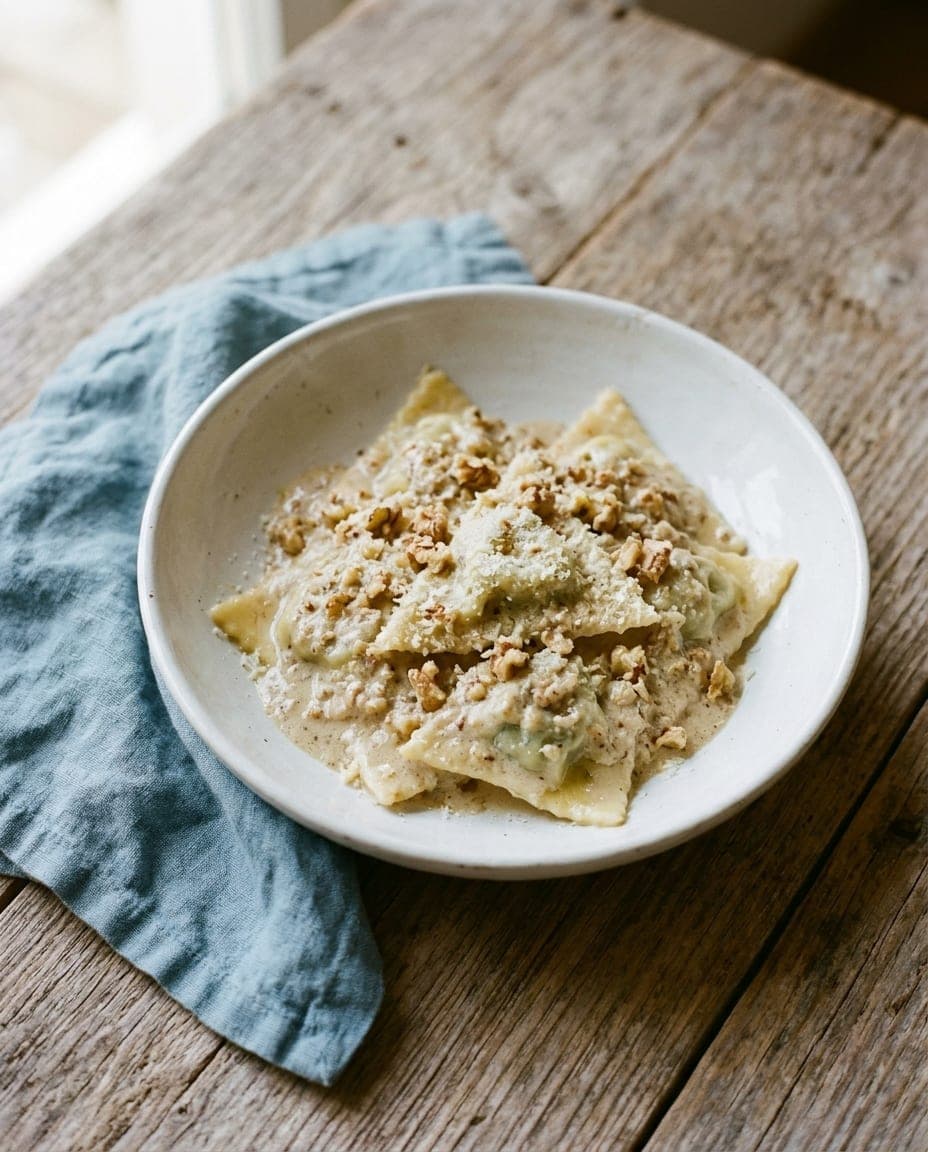
Ligurian herb pasta served with a cold walnut cream sauce
- Local name
- Pansoti in salsa di noci
- Best eaten at
- A Ligurian trattoria
- Pairs with
- Vermentino
What it is
Pansoti in salsa di noci is a signature dish of Liguria, specifically associated with Genoa and the Riviera di Levante, around Rapallo. The name pansoti refers to the pasta itself: plump, usually triangular shapes that look like little pillows. The word describes the swollen form rather than the filling, but the shape is essential for holding the delicate contents inside.
The dish is defined by two distinct elements. First, the pasta is filled with preboggion, a traditional mixture of wild greens and herbs gathered from the hillsides around Genoa. These can include borage, dandelion, chervil, burnet, wild chicory and chard, often combined with fresh cheese like ricotta or prescinseua, a local soft curd, along with egg and Parmigiano. Second, the pasta is dressed in salsa di noci, a cold sauce made from pounded walnuts, bread soaked in milk, garlic, olive oil and marjoram. The result is a dish of contrasting textures: soft, herb-filled dough against a creamy, nutty sauce that coats every surface without being greasy.
The filling contains no meat, which made pansoti a classic di magro dish for days when the church called for abstinence from meat, relying on the earth's greens and the weight of walnuts instead.
The hillside greens
The character of pansoti depends on what grows in the Ligurian hills at that moment. Preboggion is not a fixed recipe but a reflection of the season and the slope where the forager walks; tradition speaks of dozens of possible wild herbs. In early spring, the mixture might lean on young nettles and borage, while later in the season it could include more chicory or chard.
This gathering tradition is bound up with the landscape. For generations, families walked the terraced slopes above the coast to collect these greens, which were then washed, boiled and squeezed dry before being chopped finely. The bitterness of the herbs is the point: it stands out against the creamy cheese and the sweetness of the walnut sauce. Some versions use prescinseua, a curd that is slightly sour and soft, while others rely on ricotta for a milder taste. The egg acts as a binder to hold the greens together inside the pasta.
How it is made and served
The preparation of pansoti in salsa di noci requires patience but no cooking of the sauce itself. The walnuts are pounded or blended with bread that has been soaked in milk until soft, then mixed with garlic, fresh marjoram and good olive oil; traditional versions also add prescinseua and a little grated Parmigiano. The mixture is worked until it becomes a smooth, thick cream. It is never heated; the warmth comes only from the freshly cooked pasta.
The pasta is boiled in salted water until tender, then drained. A spoonful of the starchy cooking water is stirred into the walnut sauce to loosen it and create a silky emulsion that clings to the pasta. The warm pansoti are tossed in this cold cream, ensuring every pocket is coated. The dish is served immediately, often in a wide shallow bowl, the green filling showing through the thin pasta.
How it is eaten
Pansoti are at their best in a Ligurian trattoria where the focus remains on the ingredients rather than elaborate presentation. They are typically served as a first course, ahead of a main dish of fish or meat. The portion is generous enough to satisfy but light enough to leave room for what follows.
The pairing with Vermentino is traditional and logical. This crisp, aromatic white wine from the Ligurian coast cuts the richness of the walnut sauce and complements the herbal notes in the filling without overpowering them. The dish is not spicy, nor is it heavy in the way of tomato-based pastas; it is earthy, creamy and fresh despite its nutty depth.
Curious facts
- The shape has a purpose. The plump triangular form holds the soft green filling securely during boiling, preventing the pasta from breaking apart.
- A meatless tradition. The dish is a classic of meatless di magro cooking, relying on foraged greens, fresh cheese and walnuts.
- No fixed recipe. The composition of preboggion changes with the season and the place, depending on which greens are available in the hills.
- Cold sauce, warm pasta. The walnut sauce is never cooked; it relies on the heat of the boiled pasta to meld the flavours together.
- Local cheese matters. Prescinseua, a soft curd typical of the Genoa area, is often preferred over ricotta for its slightly sour and distinct flavour.
Where to try it
The best place to eat pansoti in salsa di noci is a Ligurian trattoria in Genoa or along the Riviera di Levante, particularly in spring, when the hills are greenest. These small, family-run kitchens often specialise in seasonal pasta dishes and know exactly which greens are at their best.
Where to try it
1 region
 Wine Tasting4 destinations
Liguria
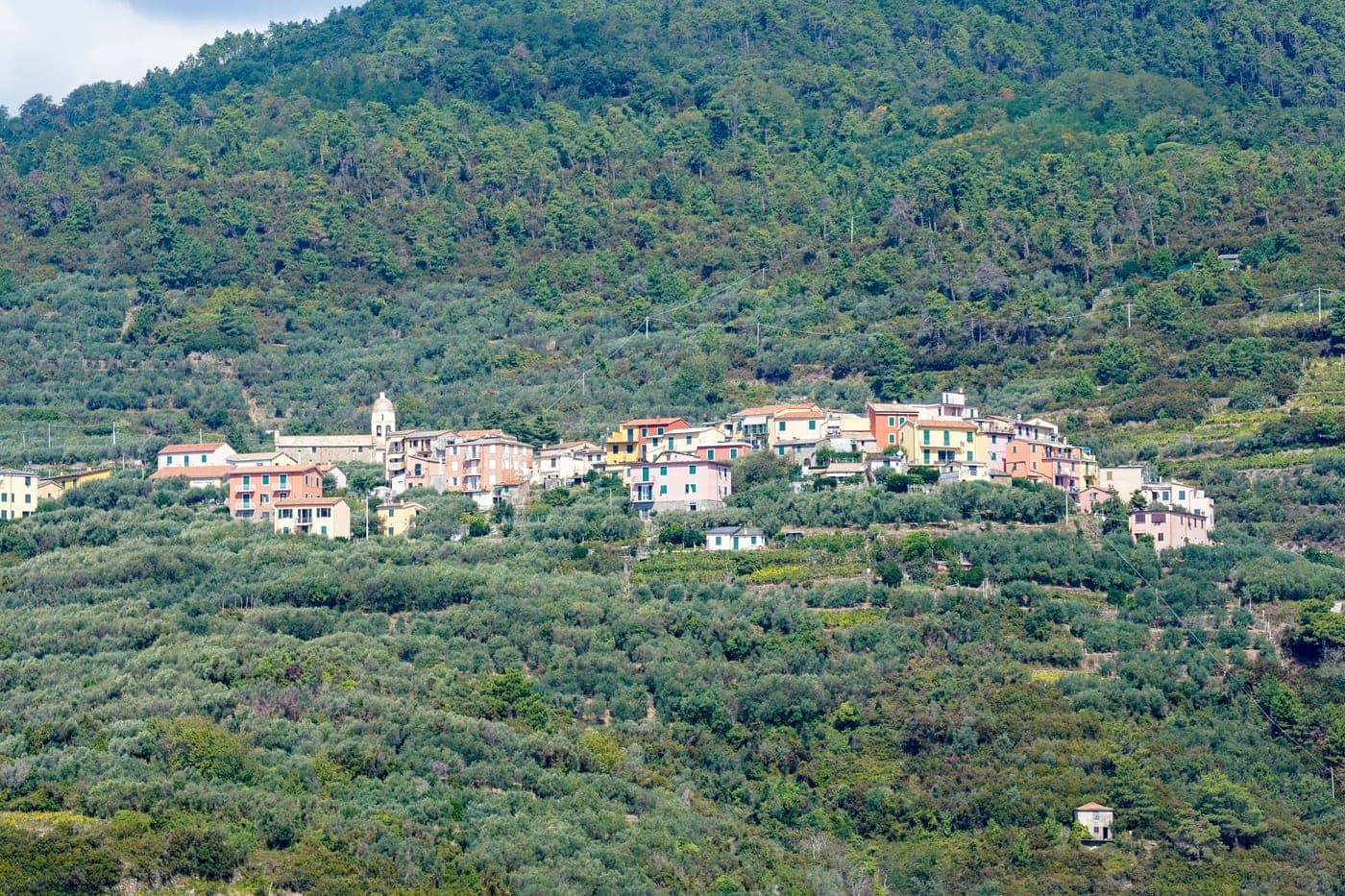
Nestled between the Ligurian Sea and the Apennine Mountains, this region is the smallest in Italy, yet it boasts a rich tapestry of landscapes and cultures. Known for its picturesque coastline, it is home to the UNESCO World Heritage Site of Cinque Terre, where five colorful villages cling to steep cliffs. Beyond the coast, towns like Portofino offer a glimpse into the luxurious Mediterranean lifestyle, while inland, the olive groves and vineyards of the hinterland produce exquisite olive oil and Vermentino wine. Historical sites abound, such as the ancient maritime republic of Genoa, with its impressive palaces and rich maritime history. The region is also famous for its pesto, a culinary delight made from locally grown basil. With a mild climate year-round, Liguria offers a wealth of walking trails, scenic drives, and local festivals, providing an authentic experience of Italian coastal life.
Wine TastingBoat RentalsHiking





