Mozzarella
Fresh stretched-curd cheese from Campania's buffalo herds
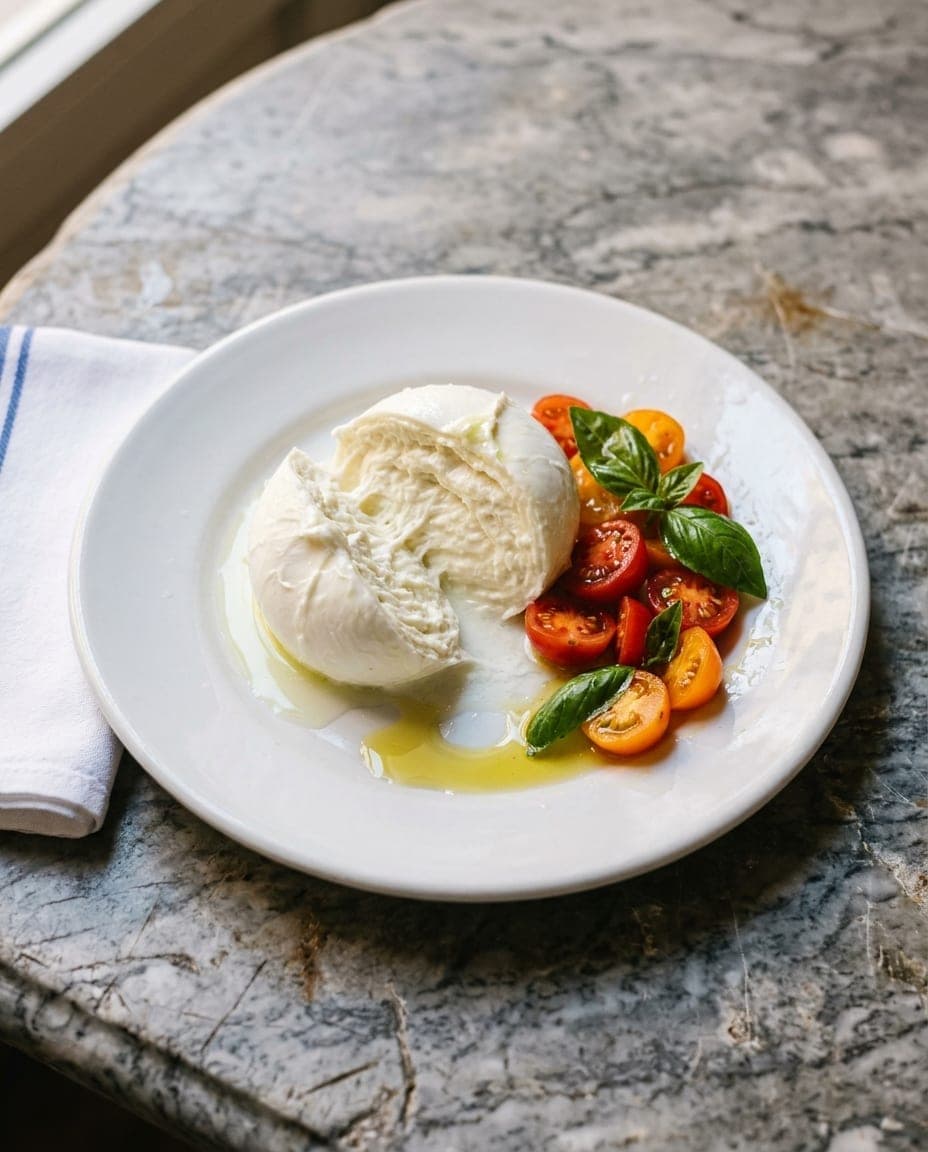
- Local name
- Mozzarella
- Served with
- Tomatoes, basil, olive oil
- Best eaten at
- A Campania caseificio (dairy)
- Pairs with
- Falanghina
What it is
Mozzarella is a fresh stretched-curd cheese closely tied to the culinary identity of southern Italy. While the name now appears on menus across the globe, two traditions stand out, born from the same technique but different milks. The most celebrated is mozzarella di bufala campana, made exclusively from the milk of water buffalo raised mainly in Campania and also in parts of Lazio, Puglia and Molise. It has been a protected designation of origin (PDO) since 1996.
The second is cow's milk mozzarella, often called fior di latte, made in many parts of the south. In Puglia, the version from the Murge plateau around Gioia del Colle has its own PDO, Mozzarella di Gioia del Colle, registered in 2020. The texture is similar, but the taste is milder than that of its buffalo counterpart. The word mozzarella comes from the verb mozzare, meaning to cut off, which describes the final step of the process, when portions of the warm, elastic curd are pinched off by hand into individual balls.
Unlike aged cheeses that develop complexity over months or years in a cellar, fresh mozzarella is made for immediate consumption. It has a high moisture content and a delicate, milky acidity. When made well, it is soft yet resilient, releasing milky liquid when cut. It is at its best within a day or two of being made.
The method of spinning curd
The creation of this cheese relies on a technique known as pasta filata, or spun paste. The milk is first acidified, usually with natural whey cultures from the previous day's production, and then coagulated with rennet to form a solid curd.
Once the curd has formed, it is broken into small pieces and left to ripen before being immersed in very hot water. This heat transforms the curd from a crumbly mass into a smooth, elastic dough. A skilled cheesemaker then folds and stretches this warm paste until it becomes glossy and pliable. It is at this stage that the mozzatura takes place: the maker pinches off portions of the hot dough by hand, shaping them into rounds, small bocconcini or plaits.
This manual stretching gives the cheese its characteristic layers and softness.
Where it comes from
The history of the water buffalo in Italy is bound up with the landscape of the south. The animals are not native; a widely held hypothesis is that they reached Sicily around the end of the 10th century with Arab invaders, spreading to the southern mainland under the Normans and reaching their present breeding areas by the Swabian period. The exact route remains debated. The buffalo thrived in the marshy coastal plains, where cattle fared poorly.
The animals found a lasting home in the Campanian plains, particularly in the province of Caserta and in the Sele plain around Battipaglia and Paestum in the province of Salerno. Over time, their milk became the foundation of a dairy tradition that evolved into the mozzarella di bufala campana known today. The word mozzarella itself appears in print in 1570, in the cookbook of the papal cook Bartolomeo Scappi.
In Puglia, the story is different but parallel. Here, cow's milk mozzarella developed in the dairy country of the Murge around Gioia del Colle, where cattle rather than buffalo were raised. The resulting cheese shares the same stretched-curd technique but has a milder, slightly sweeter flavour.
What goes into it
The ingredients for mozzarella are simple, yet their quality determines the outcome. Every dairy has its own way of managing acidification and stretching, but the core components remain consistent.
- Milk: for mozzarella di bufala campana, exclusively whole buffalo milk from the designated area; for fior di latte and Mozzarella di Gioia del Colle, cow's milk.
- Natural whey cultures: these provide the acidity, often derived from the previous day's production.
- Rennet: traditionally calf rennet, which means mozzarella is not strictly vegetarian.
- Salt: added during processing or to the liquid in which the cheese is stored.
- Hot water: essential to the stretching process.
Buffalo milk is rich, with a high proportion of fat that gives the cheese its velvety mouthfeel, and buffalo mozzarella is notably whiter than cow's milk versions. The cheese retains a significant amount of liquid, which is why it is sold in a slightly salted liquid to keep it fresh.
How it is eaten
Fresh mozzarella is best served at room temperature. Taking it out of the refrigerator well before serving allows the aromas to open up; served cold, it can taste muted and feel rubbery.
The best-known presentation is a simple arrangement of sliced mozzarella, ripe tomatoes, fresh basil leaves and a drizzle of extra virgin olive oil. This combination, the insalata caprese, relies entirely on the quality of its components. A glass of local white wine, such as Falanghina from Campania, complements the creamy texture without overwhelming it.
For a more rustic experience, the cheese is best eaten directly at a caseificio, a dairy where the milk was processed that morning, sometimes still slightly warm, alongside fresh bread or simply on its own.
Curious facts
- The name comes from the action. The word mozzarella derives from mozzare, to cut off, referring to the hand-pinching of the curd into balls.
- Two protected mozzarellas. Mozzarella di Bufala Campana (buffalo's milk) and Mozzarella di Gioia del Colle (cow's milk) both hold PDO status.
- Storage in liquid. To preserve its freshness, the cheese is kept submerged in lightly salted liquid until it is eaten.
- A wider area than the name suggests. Despite the word campana, the buffalo mozzarella PDO also covers parts of Lazio, Puglia and Molise.
Where to try it
The most memorable experience of buffalo mozzarella is in the countryside of Campania, particularly around Caserta and in the Sele plain near Paestum, where buffalo farms and dairies line the roads. Some dairies welcome visitors and show the stretching process, and the cheese can be tasted while still very fresh.
In Puglia, Gioia del Colle and the surrounding Murge are the place for cow's milk mozzarella, often paired with local olive oil and vegetables. While supermarkets sell packaged versions everywhere, the true character of the cheese is best appreciated at a small dairy, with fresh bread and a glass of Falanghina.
Where to try it
2 destinations
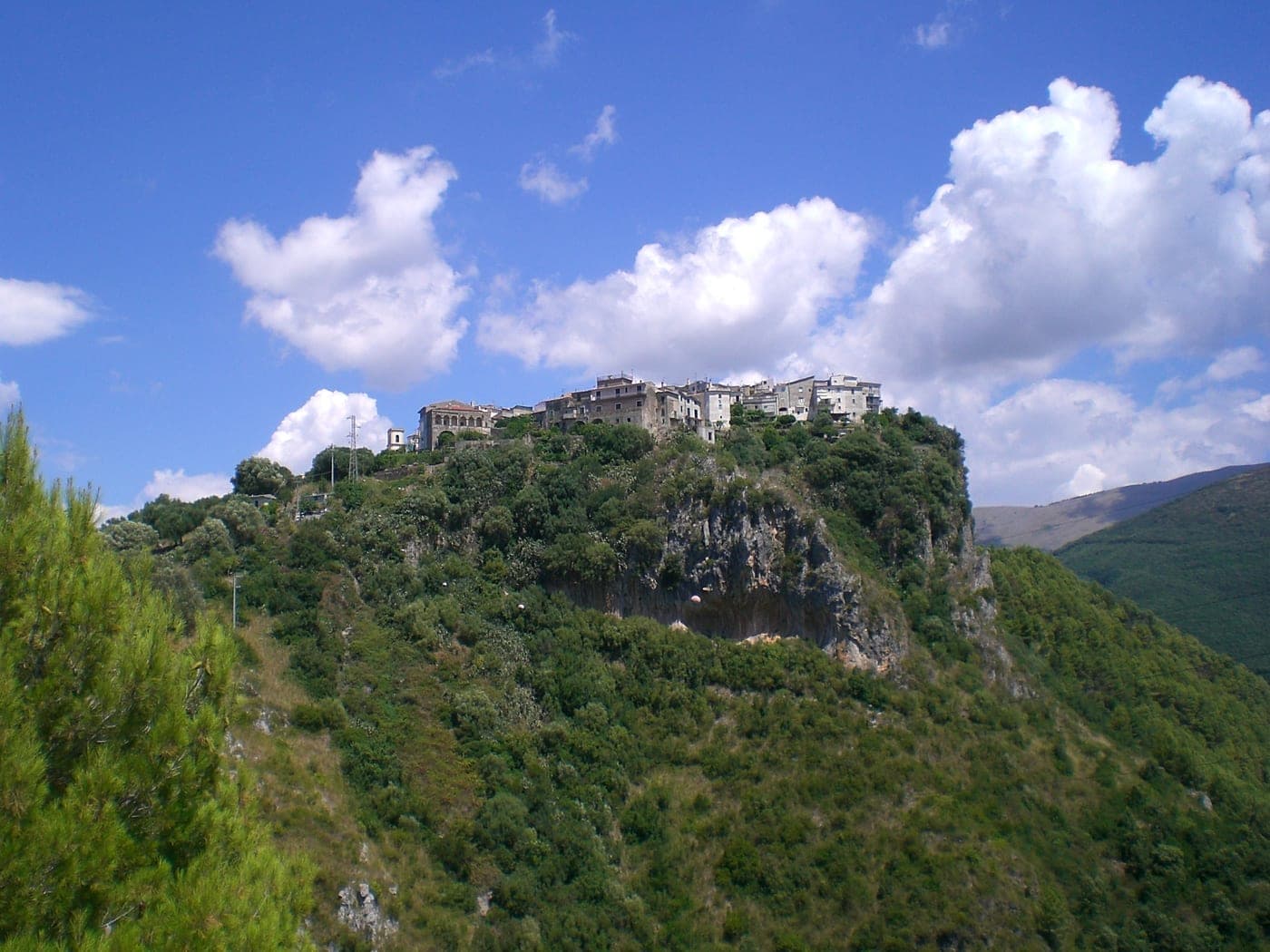 Wine Tasting
Camerota
Coastal village in Cilento with wine production and Mediterranean beaches.
Wine TastingHiking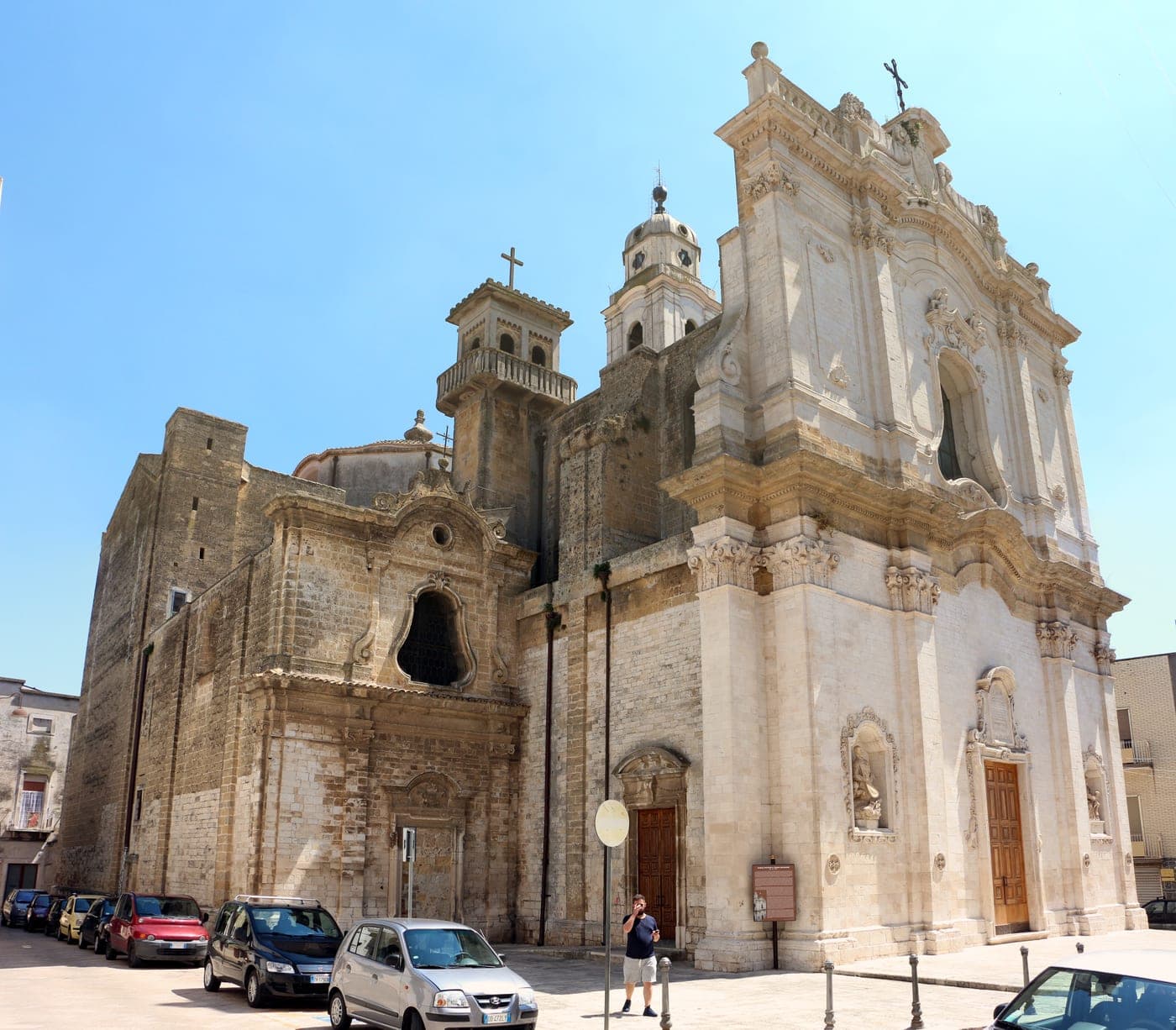 Wine Tasting
Gioia del Colle
Famous for Primitivo di Gioia del Colle wine and Norman castle.
Wine TastingHiking
1 region
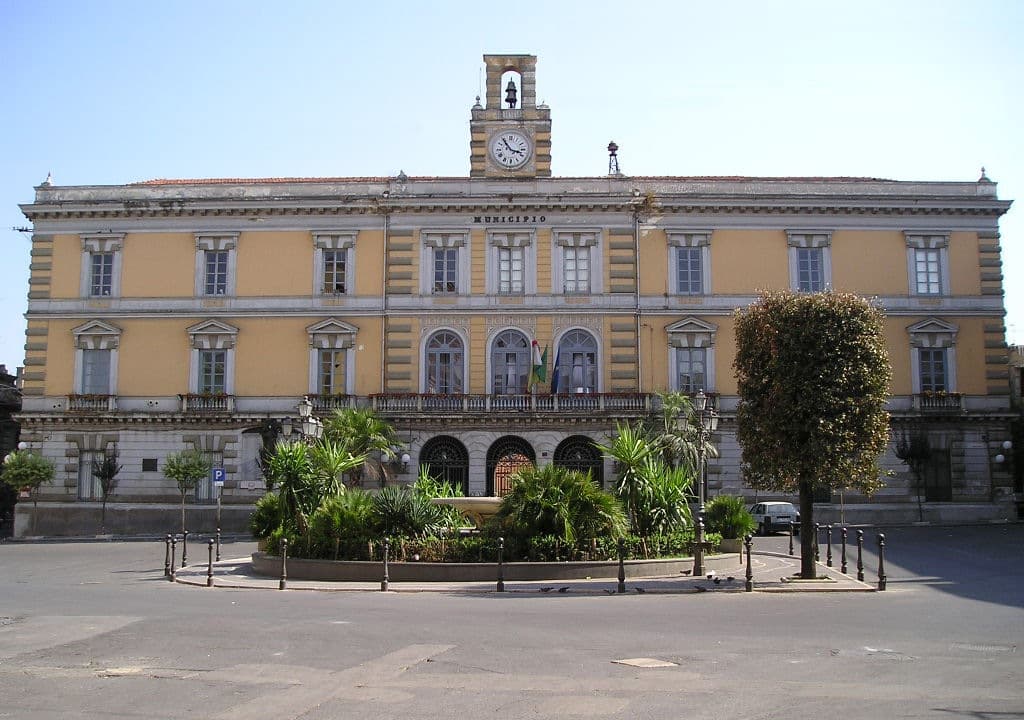 Wine Tasting3 destinations
Campania
Campania, a coastal region in southern Italy, is renowned for its rich history and diverse landscapes. It is home to Naples, the largest city, famous for its historic center, a UNESCO World Heritage site. The region boasts the stunning Amalfi Coast, characterized by picturesque cliffs and traditional fishing villages. Historic sites like Pompeii and Herculaneum provide a glimpse into ancient Roman life, while the islands of Capri and Ischia offer natural beauty and thermal springs. Campania is also known for its culinary treasures, including authentic Neapolitan pizza and local wines such as Aglianico. Explore lesser-known towns like Caserta, with its grand Royal Palace, or the charming village of Ravello, known for its gardens and music festival. This region blends cultural heritage with breathtaking scenery, making it a unique destination for those who wish to travel at a leisurely pace.
Wine TastingHiking





