Maritozzo
A soft sweet bun from Rome, split and filled with whipped cream
- Vegetarian
- Local name
- Maritozzo
- Best eaten at
- A Roman bar, for breakfast
- Pairs with
- Cappuccino
What it is
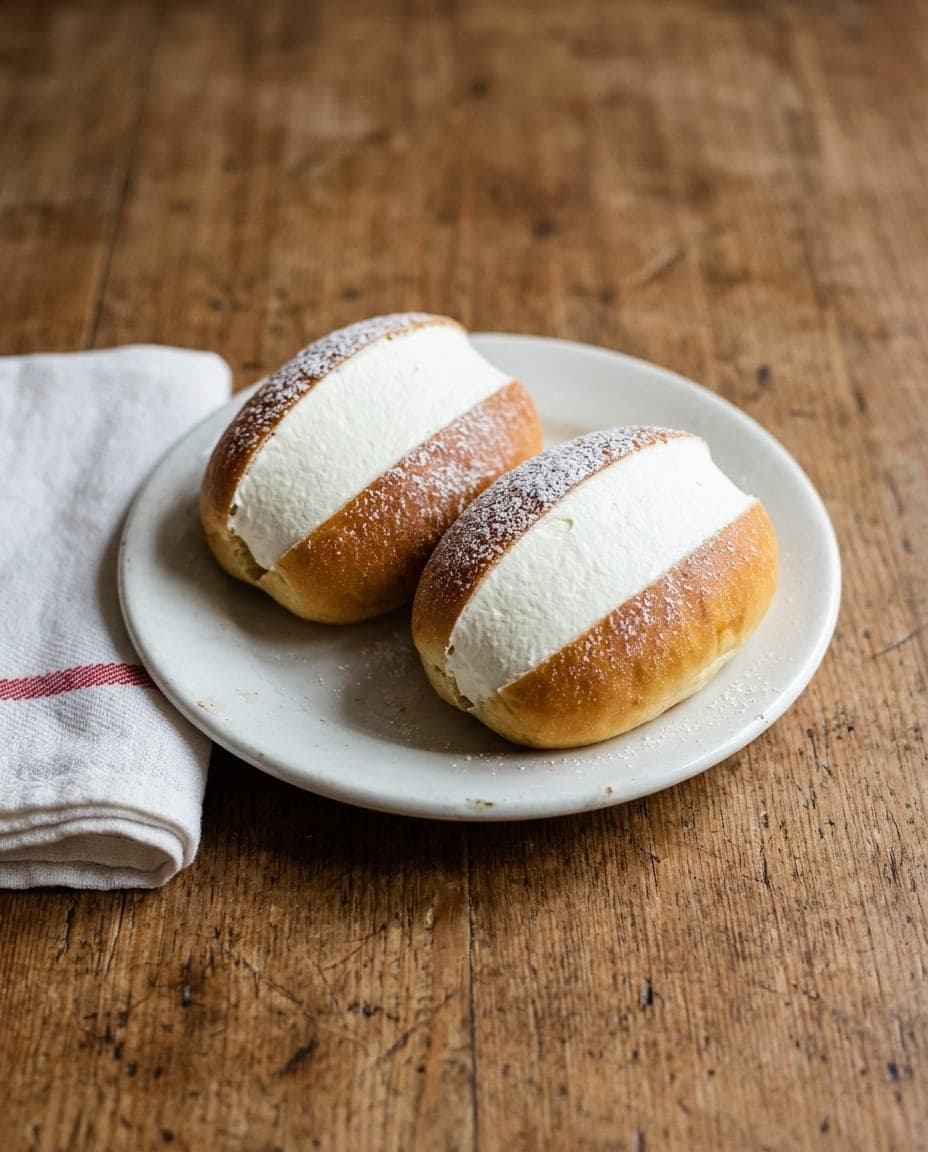
The maritozzo is a soft, sweet bun from Rome that has been split almost in half and generously filled with lightly sweetened whipped cream. It is a pastry of simple appearance but distinct texture: the dough is tender and slightly elastic, and the top is often dusted with icing sugar. Inside, the filling is a cloud of fresh cream, smooth and cool, which contrasts with the soft, yeasty bread. The bun is substantial enough to be a small meal, yet in Roman tradition it is above all a breakfast item.
While similar sweet buns exist across Italy, the maritozzo is bound up with Rome and Lazio. Its identity is tied to the capital, where it has been a staple of bar counters for generations. It is a treat that requires no cutlery, designed to be held in one hand while the other holds a cup of coffee.
The name itself tells a story of courtship. Maritozzo is a playful alteration of marito, meaning husband.
The history of the Roman groom
The bun's ancestors are often traced to ancient Rome, when a large, sweetened loaf of flour, eggs, oil or lard, honey and raisins was baked as sustaining food for people working in the fields. Over the centuries it became smaller and sweeter. In the Middle Ages a Lenten version, the quaresimale, appeared: darker, made without lard, and enriched with nuts and candied fruit, it was one of the few treats allowed during the forty days before Easter. The poet Giuseppe Gioachino Belli mentioned it in his 1833 sonnet La Quaresima.
By the 19th century the maritozzo had become a token of courtship. The first Friday of March was the day for sweethearts, and a young man would give his bride-to-be a maritozzo, sometimes decorated with sugar hearts. Tradition holds that a ring or another small piece of gold jewellery was occasionally hidden inside. If she accepted the gift, it was a sign that the union was welcome.
Over time, as courtship customs evolved, the ring inside the bun faded from use, but the memory of the custom remained, and the pastry kept its name and its association with the word marito.
What goes into it
The bun is an enriched yeast dough, made with flour, eggs, sugar or honey and fat. Older recipes call for olive oil or lard; many modern bakers use butter. Honey is often added to the dough, giving a subtle sweetness and helping the crust brown during baking.
The most common version today is the plain bun filled with whipped cream. The Lenten quaresimale tradition survives in versions whose dough includes raisins, pine nuts and candied peel, giving the bun a more complex texture that complements the creamy filling.
The cream is whipped fresh and sweetened only lightly so that the flavour of the dairy comes through. It is not a heavy, sugary paste but a light, airy foam that fills the split bun generously, usually levelled off flush with the opening, before a final dusting of icing sugar.
How to eat it
In Rome, the maritozzo is above all a breakfast food. It is eaten at the bar, the Italian coffee bar, alongside a cappuccino or an espresso. Many Romans eat it standing at the counter, bun in one hand and cup in the other, before work or the day's errands begin.
The bun is best eaten fresh, ideally on the day it is baked. As the hours pass, the dough loses its softness and the cream begins to settle, diminishing the experience. A morning visit to a Roman bar or pasticceria will often reveal rows of filled maritozzi displayed behind glass.
While the traditional pairing is with a cappuccino, a strong espresso cuts through the sweetness of the cream for those who prefer a sharper contrast. The maritozzo is not typically eaten as an after-dinner dessert in Rome; its role is firmly anchored in the morning hours, although it is now found at any time of day.
A pastry with a modern twist
In recent years, the maritozzo has expanded beyond its traditional boundaries. Once largely confined to Roman bars, it has become fashionable in other parts of Italy and even internationally. Some bakers experiment with fillings such as chocolate cream, custard or pistachio, and savoury maritozzi salati filled with cured meats, cheese or vegetables have become popular, though the classic whipped cream remains the reference.
This modernisation has not erased the original identity of the bun. The soft, enriched dough and the generous portion of cream are the hallmarks that distinguish a Roman maritozzo, and the classic version remains the standard against which the others are measured.
Curious facts
- The name means husband. The word maritozzo is a playful form of marito, reflecting the custom of giving the bun to a bride-to-be on the first Friday of March.
- A ring in the cream. By tradition, a ring or small piece of gold jewellery was sometimes hidden inside, though this practice belongs to the past.
- Eaten standing up. The maritozzo is often eaten at the bar counter alongside a cappuccino rather than seated at a table.
- A Lenten ancestor. The quaresimale, a darker bun with nuts and candied fruit, was one of the few sweets permitted during Lent.
- In verse. The Roman dialect poet Giuseppe Gioachino Belli mentioned the bun in an 1833 sonnet.
Where to try it
The best place to eat a maritozzo is in Rome, at a traditional bar or pastry shop in the city centre or in a residential neighbourhood where locals gather for breakfast. The pastry belongs to the morning routine of the Roman day rather than to restaurant dessert menus.
Ordering a cappuccino and a freshly filled bun at the counter, among Romans on their way to work, is the classic way to experience it. While the pastry has gained popularity in other cities, eating it in Rome, where the memory of the marito custom lingers, remains the most authentic setting.
Where to try it
1 destination
 Camper Van Rentals
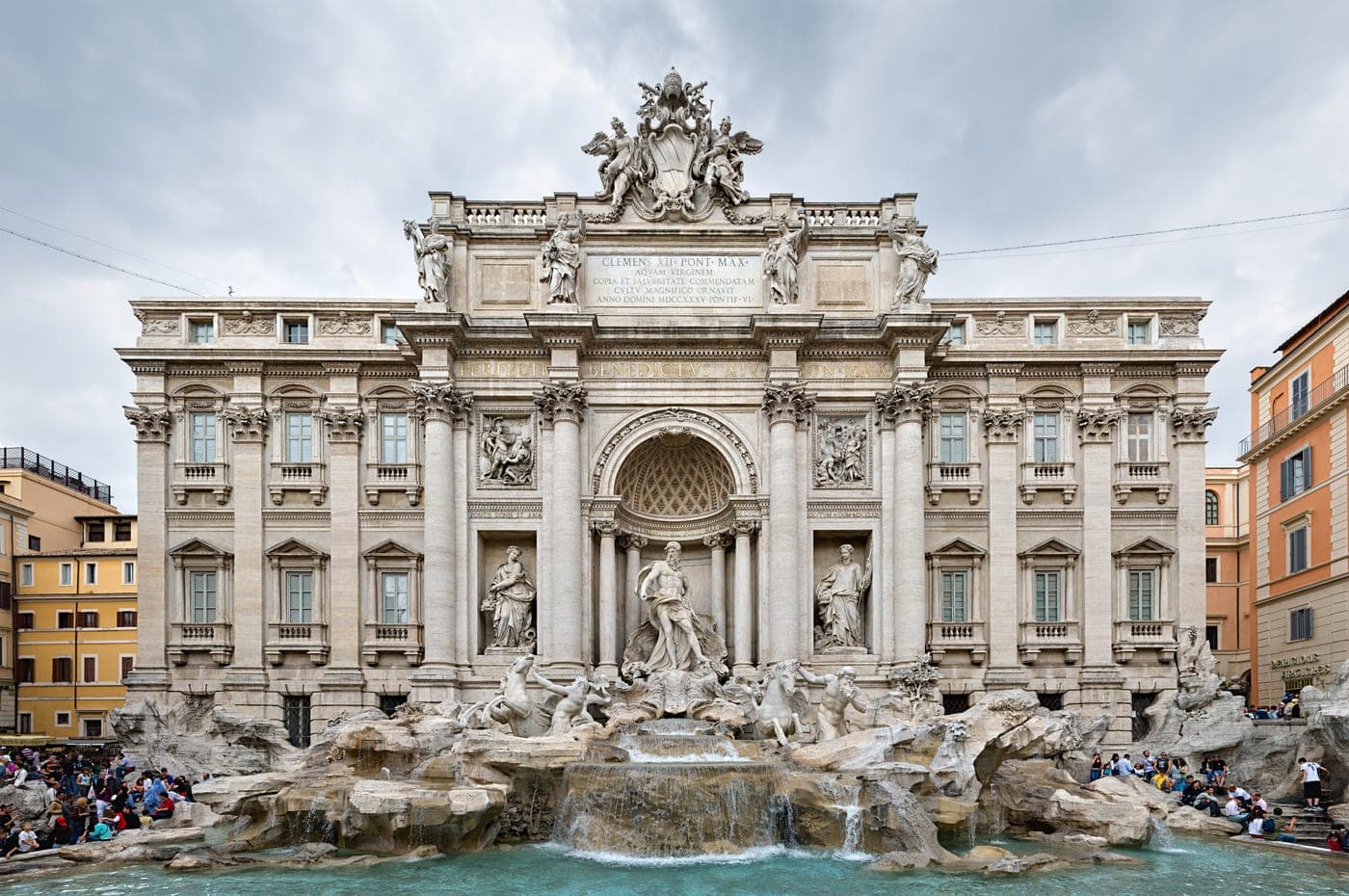
Rome
Historic capital featuring ancient ruins, Renaissance art, and vibrant piazzas.
Camper Van RentalsHiking
1 region
- Camper Van Rentals2 destinations
Lazio
Lazio is Italy's second-largest region, renowned for its rich history and diverse landscapes. The capital, Rome, boasts ancient ruins and vibrant street life, but the surrounding areas are equally captivating. Explore the hill towns like Viterbo, known for its thermal springs and medieval architecture. The region also features the stunning coastline of the Tyrrhenian Sea, offering hidden beaches and charming fishing villages. Lazio is famous for its culinary traditions, including artichokes from Rome and wines from Frascati. The region is home to the beautiful countryside of the Castelli Romani, dotted with vineyards and historic castles, providing a glimpse into local life away from the tourist crowds.
Camper Van RentalsHikingWine Tasting





