Margheritine di Stresa
Stresa's buttery shortbread biscuits, named for Queen Margherita
- Vegetarian
- Local name
- Margheritine di Stresa
- Best eaten at
- A Stresa lakeside café
- Pairs with
- Tea or coffee
What they are
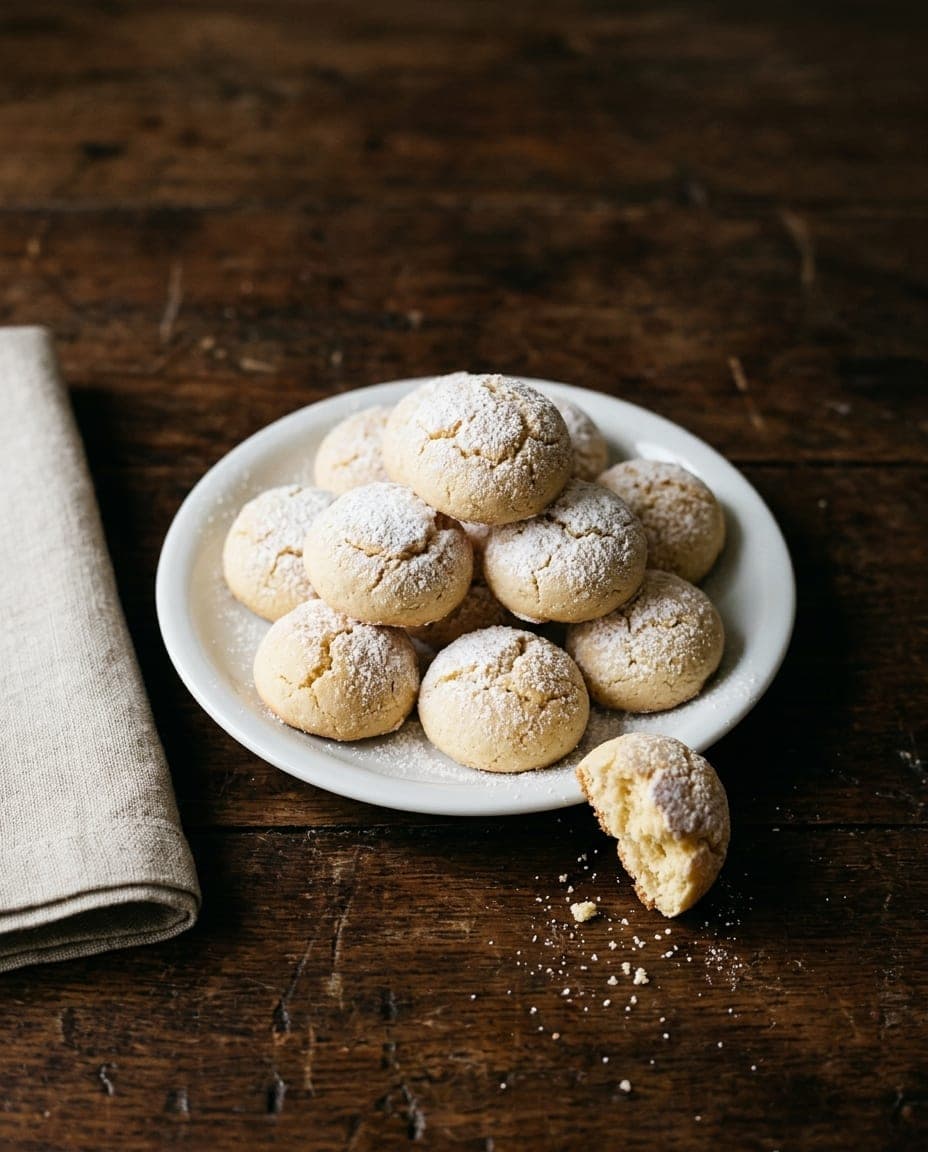
Margheritine di Stresa are small shortbread biscuits from the lakeside town of Stresa in Piedmont. They look like simple cookies, but their texture is distinct: a crumbly, melt-in-the-mouth dough that falls apart at the slightest touch. They are cut in the shape of a small daisy (margherita in Italian), usually with a little hole or hollow in the centre, and finished with a dusting of icing sugar.
What makes these biscuits different from other shortbreads is the inclusion of cooked egg yolk. Hard-boiled yolks are sieved into the butter, flour and starch mixture before baking. This technique gives the dough a pale yellow hue and a richness that keeps the biscuit tender and crumbly rather than crisp. They are not designed to be dipped or held firmly; they are best eaten in small bites, ideally with a view of the water.
The story of Queen Margherita
According to local tradition, the biscuits were created in 1857 by Pietro Antonio Bolongaro, a pastry cook in Stresa. In the mid-19th century the town was becoming a fashionable destination for travellers and aristocratic families drawn to the climate of Lake Maggiore, and it faced the Borromean Islands, already a popular sight for visitors arriving by steamboat.
Bolongaro is said to have made the biscuits for Margherita of Savoy, who was then a young child. She later became Queen Margherita of Italy, the wife of King Umberto I. Accounts differ on the occasion: one version says he sent them to the royal family while they were staying at a villa in Stresa in 1857, another that he offered them for the princess's first communion. The details are not documented beyond local tradition, but the story is widely told in Stresa and forms the basis of the biscuit's identity.
The connection to the court reflects the status of Stresa in the 19th century as a resort for the elite. A pastry created for a royal child fitted the atmosphere of the lakeside villas and hotels, where guests expected refined treats. The name Margheritine has stuck ever since, a reminder of the town's history as a place of leisure.
How they are made
The dough is simple in concept but specific in execution. It begins with butter, flour and sugar, usually lightened with potato or corn starch. The defining ingredient is the cooked egg yolk, which is boiled until hard, then passed through a sieve before being worked into the mixture. This step gives the final product its uniform, sandy texture.
The dough is rested, rolled out and cut with a flower-shaped cutter, then chilled again before baking so that the biscuits keep their shape. They are baked only briefly, until just pale gold, and dusted generously with icing sugar once cool, leaving a delicate white coating on the golden surface.
How to eat them
Margheritine di Stresa are best enjoyed at a lakeside café in Stresa, watching the boats cross towards the islands. They are sold boxed in local pastry shops, but their fragility means they are best eaten fresh. The crumbly dough needs gentle handling; pressed too hard at the edge, a biscuit will break.
They pair naturally with a cup of tea or strong coffee, which helps cut the richness of the butter and egg yolk. Some locals also enjoy them with a Piedmontese sweet wine, though the classic combination remains the hot drink. The biscuits are not typically served as part of a large dessert course but rather as a small treat to accompany a pause in the day.
Curious facts
- The cooked yolk trick. Unlike most shortbreads that use raw eggs, these rely on sieved hard-boiled yolks to create their soft, crumbly texture.
- A royal connection. By tradition, the biscuits were named for Margherita of Savoy when she was a child, long before she became Queen of Italy.
- A flower in name and shape. Margherita means daisy in Italian, and the biscuits are cut to look like one.
- Fragile design. The biscuits are so crumbly that they break easily, so they are often eaten in small pieces.
- Local pride. They remain a symbol of Stresa, with many pastry shops in town offering them as their signature sweet.
Where to try them
The best place to taste Margheritine di Stresa is a traditional café or pastry shop in the town centre or along the lakefront in Stresa. They are a fixture in the town's pastry shops, and the experience is most memorable when enjoyed in Stresa itself while looking out at the Borromean Islands.
Where to try it
1 destination
 Boat Rentals
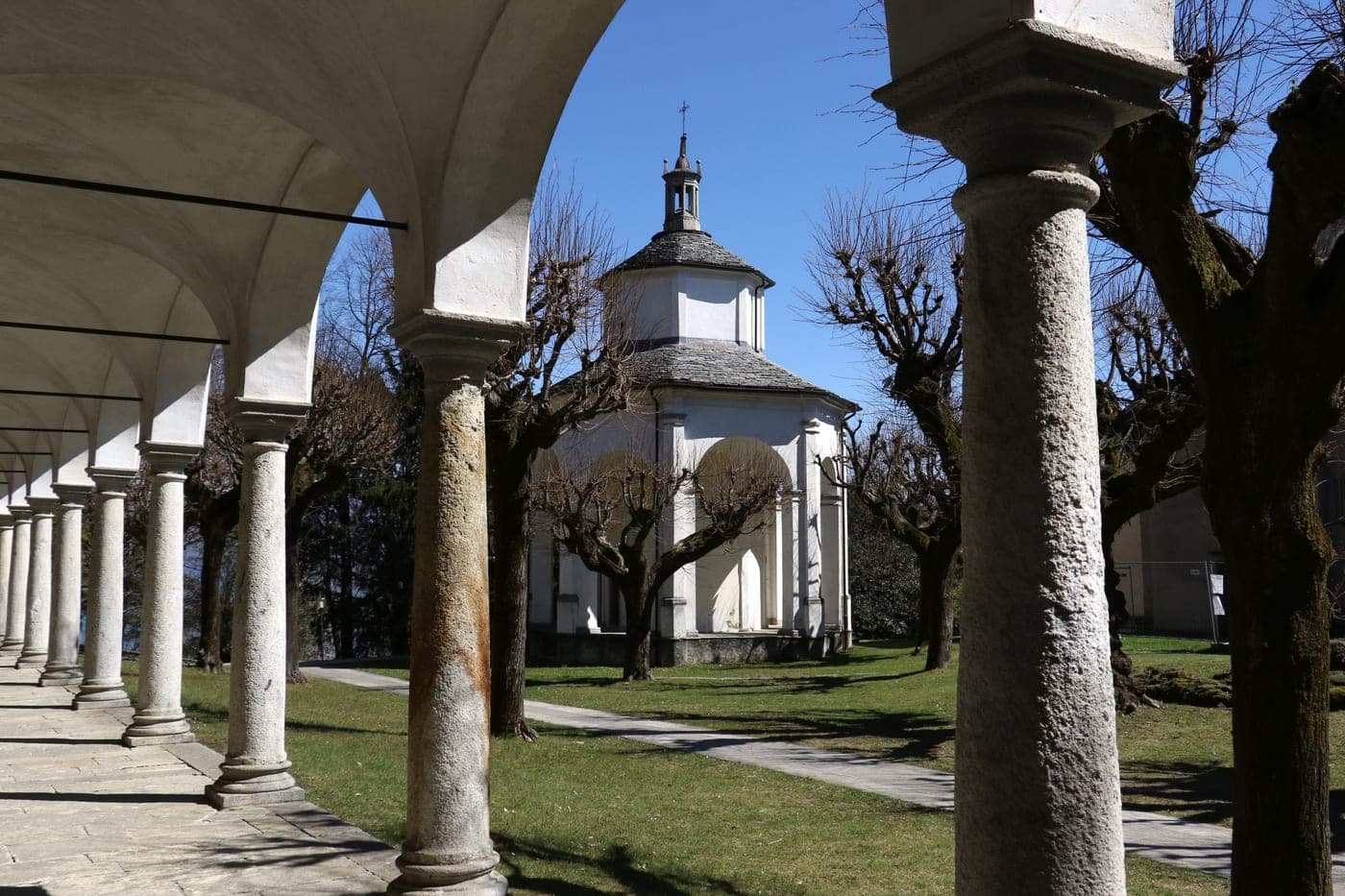
Ghiffa
Quiet village on Lake Maggiore with boat rental facilities and mountain views.
Boat RentalsHiking
1 region
 Agritourism31 destinations
Piedmont
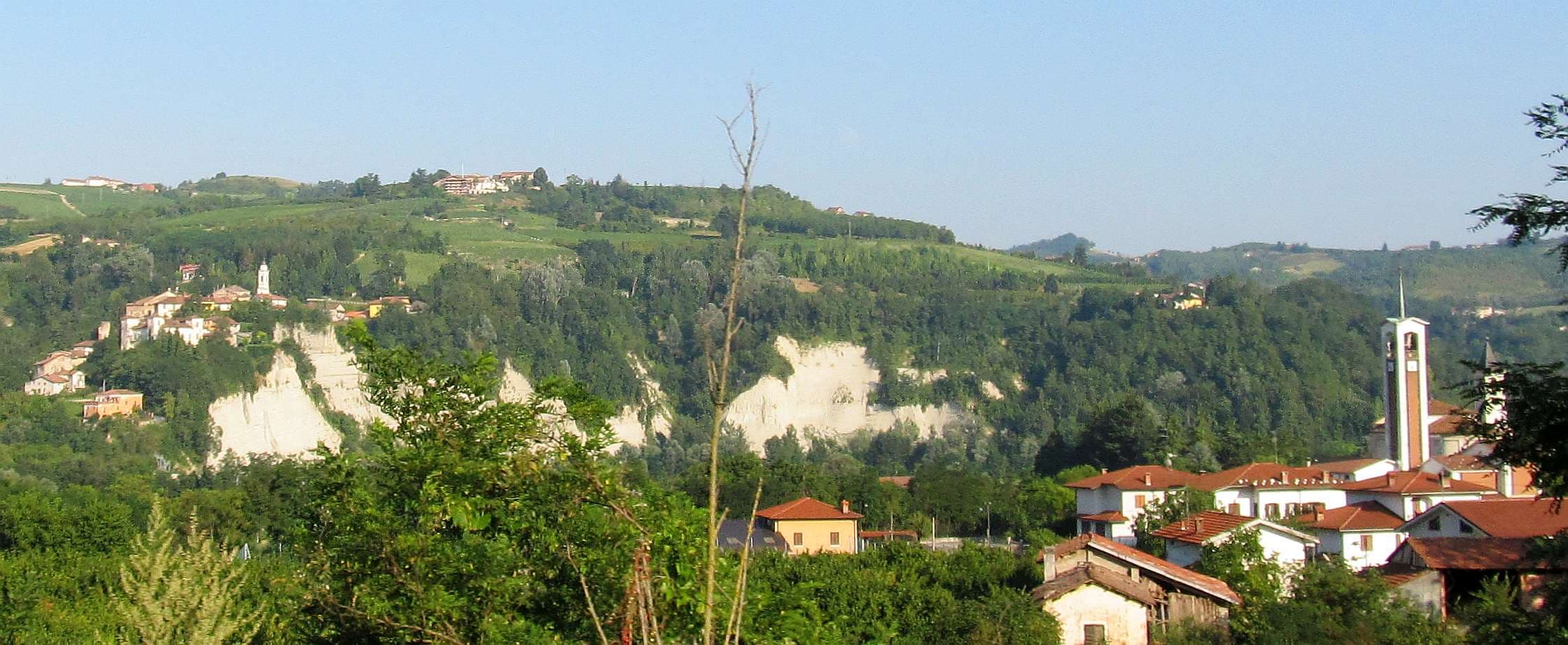
Piedmont is the second-largest region in Italy, bordered by the Alps to the north and characterized by its rich culinary and viticultural heritage. The region is famous for Barolo and Barbaresco wines, produced in the rolling hills of Langhe, a UNESCO World Heritage site. Turin, the capital, is known for its elegant architecture and historical cafes, while smaller towns like Alba and Asti offer vibrant local markets and truffle festivals. The region also boasts stunning landscapes, from the serene lakes of Orta and Maggiore to the majestic mountains. Its historical significance includes being the birthplace of the Italian unification. Authentic experiences can be found in local agriturismos and family-run osterias, away from typical tourist paths.
AgritourismWine TastingCastlesHiking





