Limoncello
The ice-cold lemon liqueur of Italy's Amalfi Coast
- Alcoholic
- Local name
- Limoncello
- Served
- Ice-cold, in a small glass
- Best eaten at
- After dinner on the Amalfi Coast
- Pairs with
- Lemon desserts
What it is
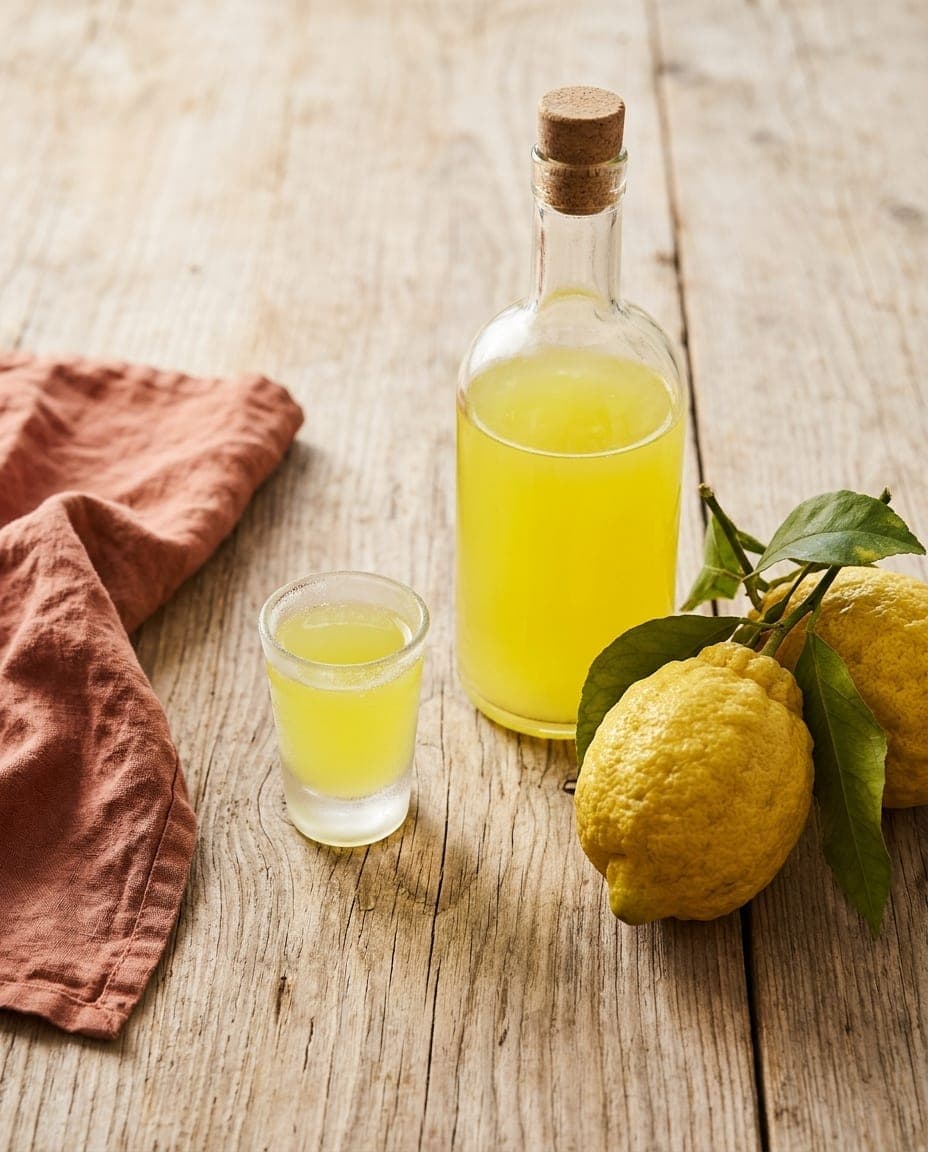
Limoncello is a sweet, golden liqueur made from lemon peel, most closely associated with the Amalfi Coast, the Sorrento Peninsula and the island of Capri in the Campania region of southern Italy. It is not a juice or a syrup, and it is not distilled: lemon zest is steeped in neutral alcohol to capture the essential oil of the fruit's skin, and the infusion is then sweetened. The drink is defined by its intense citrus aroma, its bright yellow colour, and the custom of serving it ice-cold.
Lemon liqueurs are made in many places, and limoncello itself is produced across southern Italy, from the Gulf of Naples to Sicily and the Gargano. It is one of the most popular liqueurs in Italy and is offered after dinner in restaurants all over the country. Yet it remains tied most strongly to the Sorrento Peninsula and the Amalfi Coast, where it signals the arrival of the coast.
The drink is often slightly hazy or opaque. This comes from tiny droplets of lemon oil that form a natural emulsion when the oil-rich infusion is mixed with sugar syrup, the same phenomenon that turns ouzo or pastis cloudy. The haze does not indicate spoilage; it is a sign of the essential oils from the peel.
The lemons that make it
The flavour of limoncello depends on the lemons used. On the coast, the most prized are those sold under two protected geographical indications: Limone di Sorrento and Limone Costa d'Amalfi, the latter based on the elongated sfusato amalfitano. These are large, thick-skinned fruits with an intensely aromatic zest. The Amalfi lemon is known for being less acidic and sweeter than many other lemons.
On the Amalfi Coast the trees grow on terraced hillsides that drop steeply toward the sea, while around Sorrento they are trained under tall pergolas of chestnut wood. In winter, straw mats known as pagliarelle are spread over the pergolas to protect the fruit from frost, creating a canopy that also slows ripening.
When making limoncello, only the zest is used. The white pith underneath the skin is bitter and is carefully avoided, and the juice is left out; the flavour comes from the oil glands in the peel.
How it is made
The process begins with peeling the lemons, removing only the yellow part of the skin, usually in thin strips. These strips are placed in a container with neutral spirit, usually grain alcohol with no flavour of its own. The mixture is left to macerate for several days or weeks, as the alcohol absorbs the oils from the peel and turns deep yellow.
Once the infusion is complete, the liquid is strained to remove the peel. A simple syrup made from water and sugar is then mixed into the spirit. The proportions vary by producer, but the goal is always a balance between sweetness and the sharp citrus bite. There is no single official ratio, and each household or small producer has its own method. Commercial limoncello is typically around 30% alcohol, while homemade versions vary widely.
The finished liqueur is usually kept in the freezer. The high alcohol and sugar content stop it from freezing solid, and the cold tames the alcohol's heat, making the spirit smooth and easy to sip in small quantities.
How it is served
Limoncello is above all an after-dinner drink, a digestivo. It is rarely ordered with a meal or at the beginning of a dinner. The tradition is to pour it into a small glass, often a shot glass or a tiny ceramic cup, directly from the freezer, and the glass is often chilled as well.
The drink pairs naturally with desserts that feature citrus or cream, such as a lemon tart or a lemon-soaked sponge, and it is often offered alongside coffee at the end of a meal. It is also used in cocktails and spritz-style long drinks.
A drink for the coast
The history of limoncello is rooted in domestic traditions rather than grand commercial enterprises. Its birthplace is disputed between Capri, Sorrento and the Amalfi Coast. One popular story credits a guesthouse keeper on Capri in the early 1900s, but it remains a family story rather than documented history, and other accounts claim older origins.
Commercial production is a more recent development, growing in the 20th century as tourism expanded along the coast. Small producers began to bottle the drink for sale, keeping the traditional method of using only the zest and serving it ice-cold. Today bottles from small producers sit in local shops beside larger brands in supermarkets.
Household production is still widespread in Campania, and guests are often offered a glass of a family's homemade batch.
Curious facts
- The haze is natural. The slightly cloudy appearance of many limoncellos comes from lemon oil droplets suspended in the sweetened spirit.
- No juice in the glass. Limoncello is made from the peel, not the juice, which is why the zest must be fresh and free of pith.
- Protected lemons. The Limone di Sorrento and Limone Costa d'Amalfi both carry PGI status, and many coastal producers advertise their use.
- A disputed birthplace. Capri, Sorrento and the Amalfi Coast all claim to be the home of limoncello.
- Served in small glasses. It is meant to be sipped slowly as a digestif, never in large quantities.
Where to try it
The best place to drink limoncello is on the coast itself, particularly in Sorrento, Amalfi, Positano and on Capri. It is served in traditional trattorias, small cafés near the waterfront and the bars of seaside restaurants, often offered at the end of a meal.
A glass after dinner at a restaurant overlooking the sea is a classic experience: salty air, a view of the cliffs and the cold, sweet citrus flavour. Some lemon farms and small producers on the coast offer tours showing how the lemons are grown under the pergolas and how the maceration works, explaining why the drink tastes different from lemon liqueurs made elsewhere.
Where to try it
1 region
 Wine Tasting3 destinations
Campania
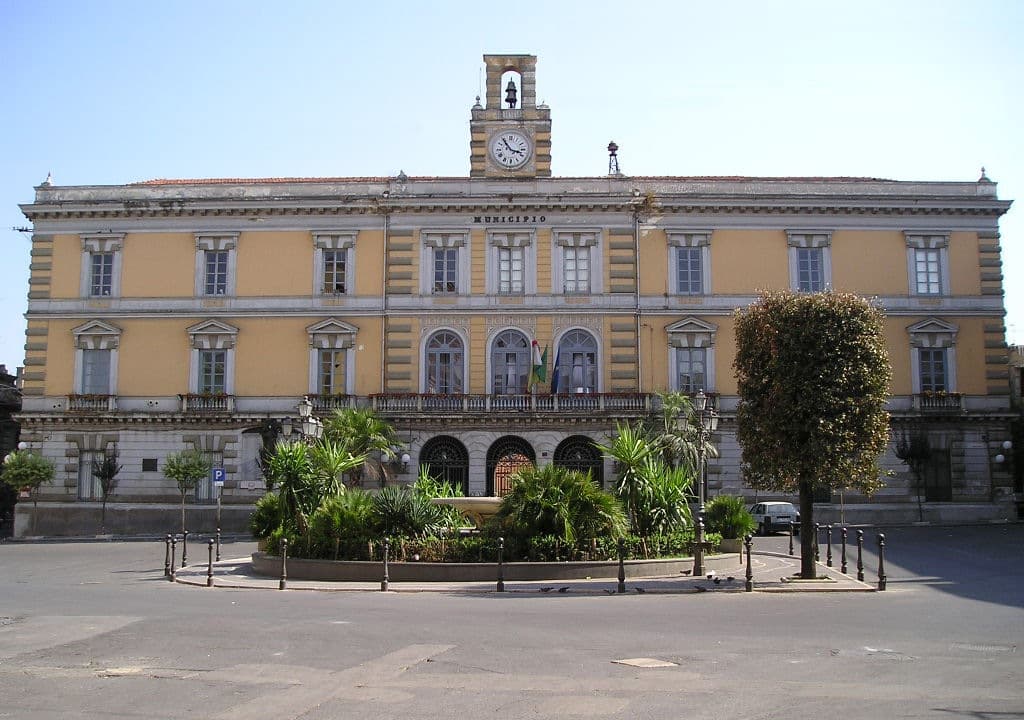
Campania, a coastal region in southern Italy, is renowned for its rich history and diverse landscapes. It is home to Naples, the largest city, famous for its historic center, a UNESCO World Heritage site. The region boasts the stunning Amalfi Coast, characterized by picturesque cliffs and traditional fishing villages. Historic sites like Pompeii and Herculaneum provide a glimpse into ancient Roman life, while the islands of Capri and Ischia offer natural beauty and thermal springs. Campania is also known for its culinary treasures, including authentic Neapolitan pizza and local wines such as Aglianico. Explore lesser-known towns like Caserta, with its grand Royal Palace, or the charming village of Ravello, known for its gardens and music festival. This region blends cultural heritage with breathtaking scenery, making it a unique destination for those who wish to travel at a leisurely pace.
Wine TastingHiking





