Lagane e ceci
Wide eggless pasta with chickpeas from Basilicata
- Vegetarian
- Local name
- Lagane e ceci
- Best eaten at
- A Basilicata trattoria
- Pairs with
- Aglianico del Vulture
What it is
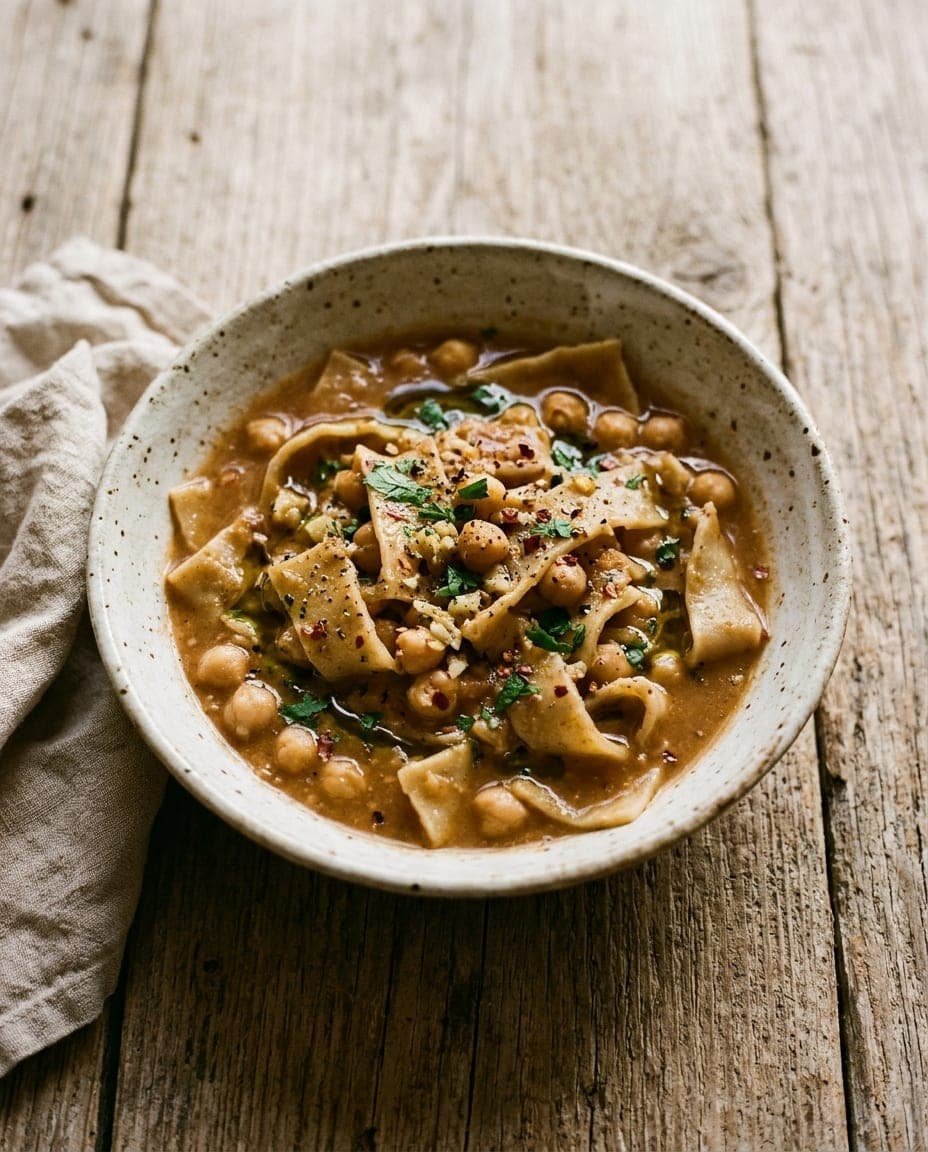
Lagane e ceci is often described as one of the oldest pasta dishes in Europe, a simple plate of wide, flat ribbons served with chickpeas. The name translates directly to "lagane and chickpeas", and the dish belongs to the south of Italy, above all Basilicata and Calabria, with versions in neighbouring Campania and Puglia. It is not a nationwide standard but a local tradition that has survived for centuries because it relies on ingredients that were always available: durum wheat flour, water, and dried pulses.
The pasta itself, called lagane, consists of short ribbons cut from sheets of eggless semolina dough. Unlike the delicate tagliatelle found in northern Italy, these strips are thicker, rougher and often irregular in width. They are cooked and combined with chickpeas that have been soaked and simmered until soft. As the pasta releases its starch, it mixes with the chickpea liquid to create a thick, creamy sauce without the need for eggs, butter or cream.
This is cucina povera, or poor kitchen cuisine, at its most dignified. It was traditionally eaten on Fridays and during fasting periods when meat and dairy were forbidden. The dish required only two store-cupboard items: flour and chickpeas. Today it remains a staple of the region, served in trattorias where the focus is on the quality of the grain and the texture of the legumes rather than complex sauces.
An ancient lineage
The dish is often linked to ancient Rome. The word laganum appears in Latin writing, and the poet Horace, born in Venosa in today's Basilicata, wrote of going home to a bowl of leeks, chickpeas and lagana. Nobody knows exactly what that dish looked like, and whether the Romans boiled dough as pasta is debated, but the core combination remains recognisable. This connection is why lagane e ceci is so often cited as an ancestor of Italian pasta.
The specific shape of the pasta reflects its rural origins. In Basilicata, dough was traditionally rolled out by hand on wooden boards and cut with a knife into strips that varied slightly in thickness. There was no machine to ensure uniformity. The rough edges helped the chickpea sauce cling to the pasta, ensuring every bite had a coating of the starchy broth. This manual method persists in many traditional kitchens today, where the irregular shape is valued for its ability to hold the sauce.
What goes into it
The ingredients are minimal, yet the dish relies on the quality of each component to succeed. There is no official recipe, and every cook has a variation based on what they have in their pantry or garden. The foundation usually includes:
- Semolina flour, used to make the eggless dough that forms the lagane.
- Dried chickpeas, soaked overnight and boiled until tender before the pasta is added.
- Garlic, sliced or crushed, which provides a sharp aromatic base.
- Extra virgin olive oil, poured generously to finish the dish and add body.
- Chilli flakes, often sprinkled on top for a touch of heat, though this is optional.
Some versions include a small amount of tomato paste or fresh tomatoes to add colour, but the classic preparation relies on the natural creaminess of the chickpeas and pasta water. The result is a thick, savoury dish somewhere between a pasta and a stew.
How to eat it
Lagane e ceci is usually served as a primo, the pasta course, at lunch or dinner, though it is filling enough to make a meal on its own. It is eaten from a bowl or plate, often with a side of crusty bread to soak up the remaining broth. The dish is best enjoyed hot, straight from the pot, before the starch has set.
A glass of Aglianico del Vulture, a robust red wine from the Vulture area in the north of Basilicata, is a natural pairing. The wine's tannins cut through the heaviness of the chickpeas and oil, balancing the meal. In Basilicata, it is common to find this dish served alongside other regional specialities, but its simplicity means it stands well on its own.
When and where to eat it
The dish is available year-round across Basilicata and Calabria, but it holds a special place in the calendar for Saint Joseph's Day on 19 March. In parts of the south, families prepare lagane e ceci for the saint's feast, sometimes sharing it with neighbours as part of the traditional meal.
The dish is at its best in a local trattoria in Venosa or a rural osteria in the surrounding hills.
Curious facts
- A Roman ancestor. The Latin term laganum referred to flat sheets of dough, and Horace mentions laganum with chickpeas in the 1st century BC.
- No eggs required. Unlike many fresh Italian pastas, traditional lagane are made with just semolina and water, making them suitable for fasting days.
- Starch as sauce. The creaminess comes from the pasta and the chickpea cooking water, not from cream or dairy products.
- Saint Joseph's link. The dish is traditionally prepared on 19 March in parts of southern Italy to celebrate Saint Joseph.
- Many names. In Calabria it is known as lagane e cicciari, and it is sometimes nicknamed pasta del brigante, the brigand's pasta.
Where to try it
1 destination
 Wine Tasting
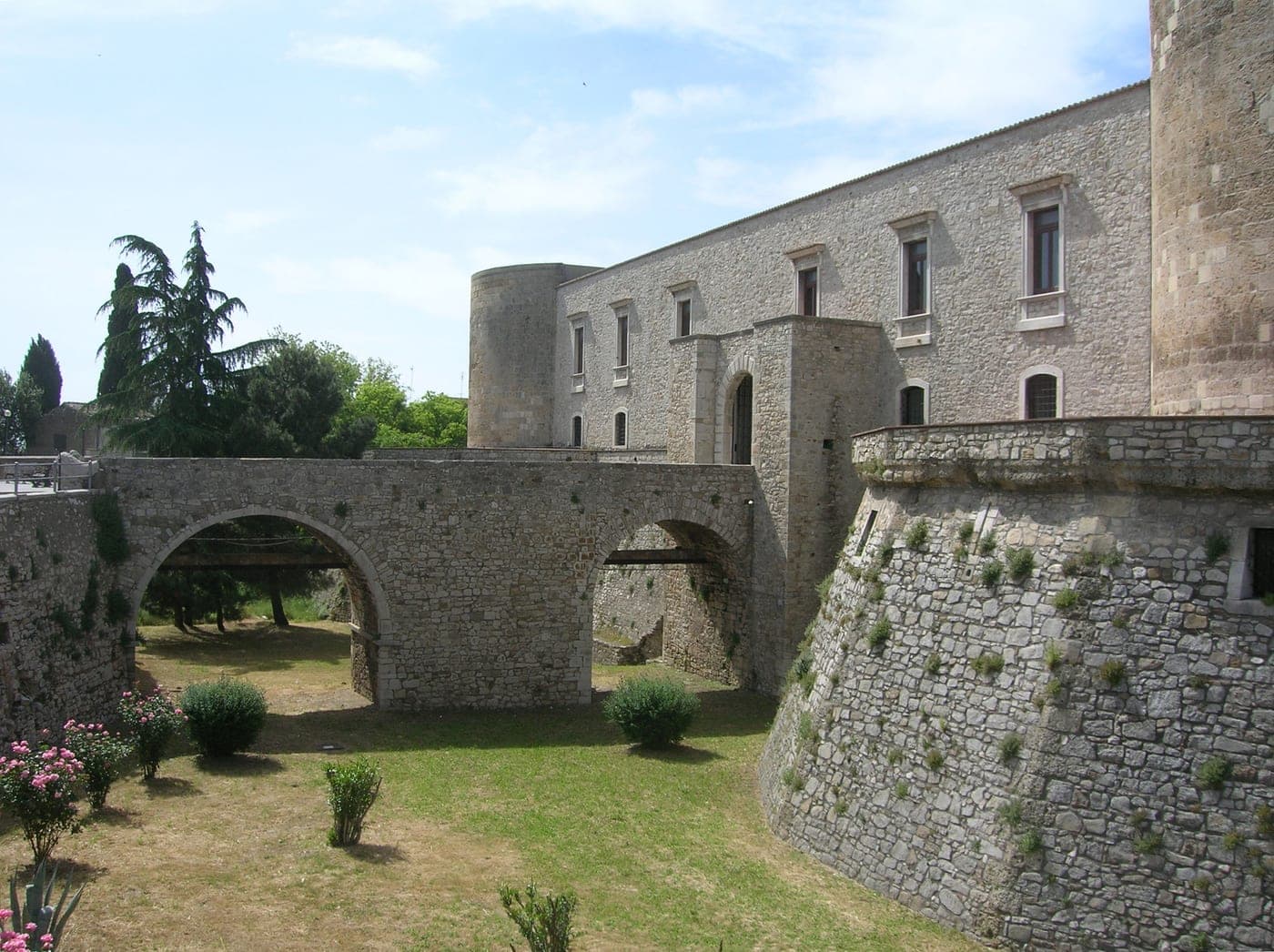
Venosa
Ancient Roman town in Aglianico del Vulture wine region with archaeological sites.
Wine TastingHiking
1 region
 Wine Tasting3 destinations
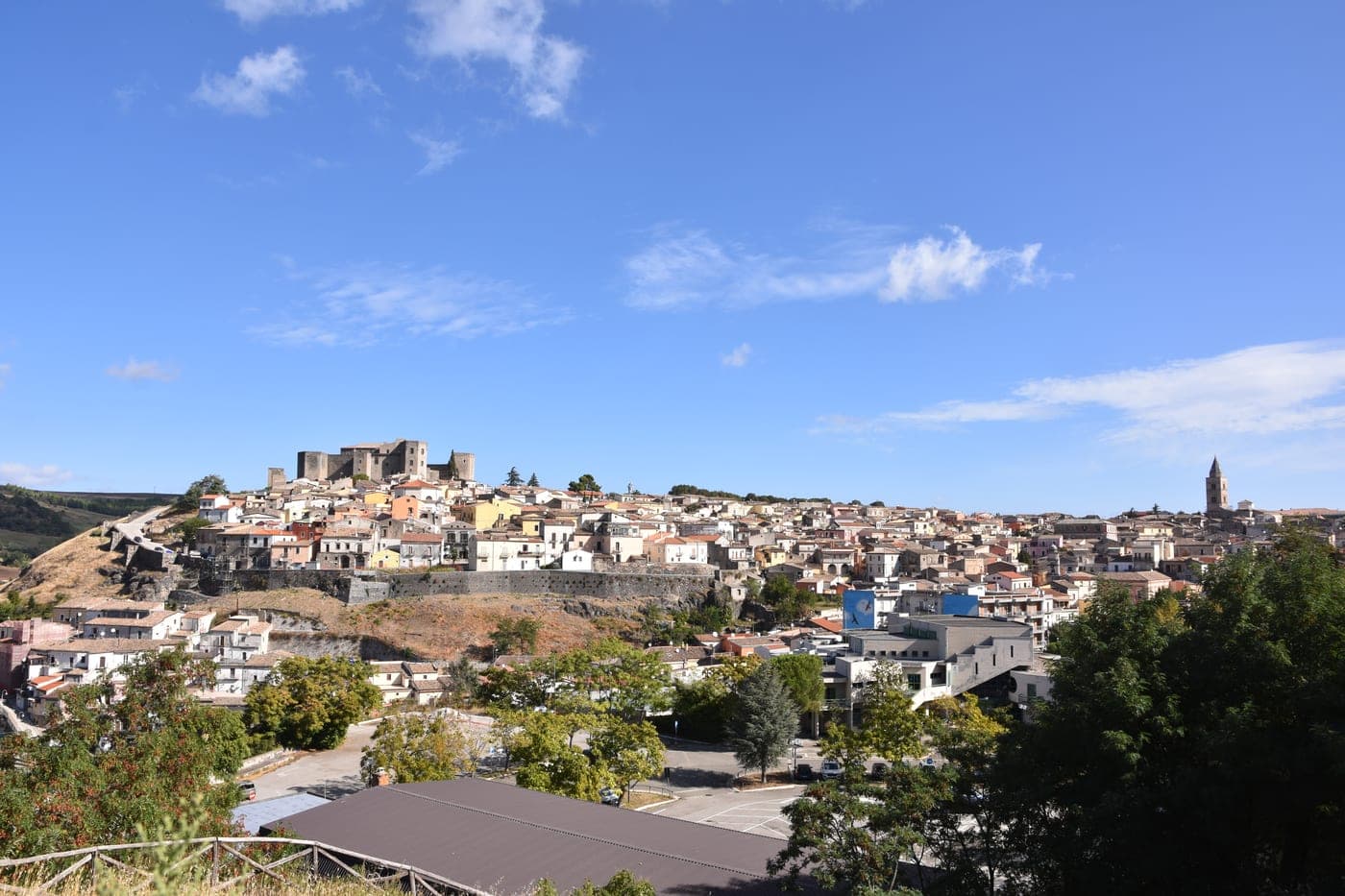
Basilicata
Basilicata is Italy's second-smallest region, rich in ancient history and natural beauty. Matera, a UNESCO World Heritage site, is renowned for its Sassi, ancient cave dwellings carved into limestone. The region boasts a rugged landscape, featuring the Pollino National Park with its diverse flora and fauna. Potenza, the capital, offers a glimpse into local life with its medieval architecture and vibrant markets. Basilicata is also known for its unique cuisine, including hearty dishes like pasta with wild boar and spicy peppers. The region's coastline along the Tyrrhenian Sea is less frequented, providing secluded beaches and authentic coastal villages, ideal for a slower pace of travel. Discover the ancient ruins of Grumentum and the beautiful hilltop towns of Montalbano Jonico and Tursi, which showcase the region's cultural heritage away from the crowds.
Wine TastingHiking





